El Mozucu
A traditional September festival where the local dish Sorropotún is distributed for free to all attendees on the beach.
PlizioGo
The signature local tuna and potato stew, best enjoyed at the seafood restaurants along the harbor.
Widely considered the best in Spain; try them as a simple tapa with crusty bread.
A hearty highland bean stew typical of the Cantabria region, great for cooler days.
Look for local shops in the center selling premium salt-cured anchovies and white tuna.
Great for buying artisanal cheeses from the nearby Picos de Europa mountains.
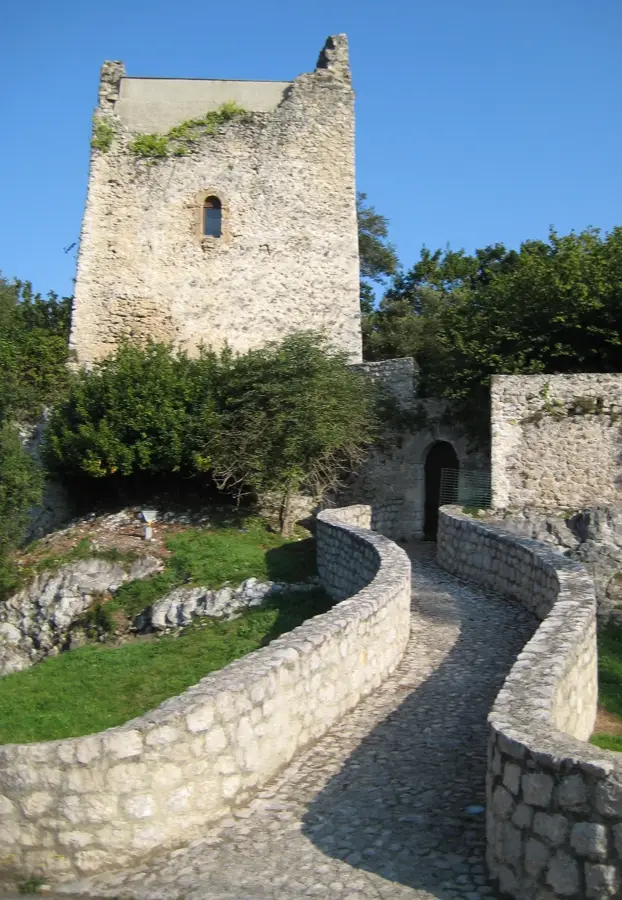
Traditional Cantabrian ceramics can be found in small shops near the castle area.
Located just outside town, offering pristine dunes and very quiet beach areas.
The area around the castle is well-suited for a quiet moment overlooking the estuary.
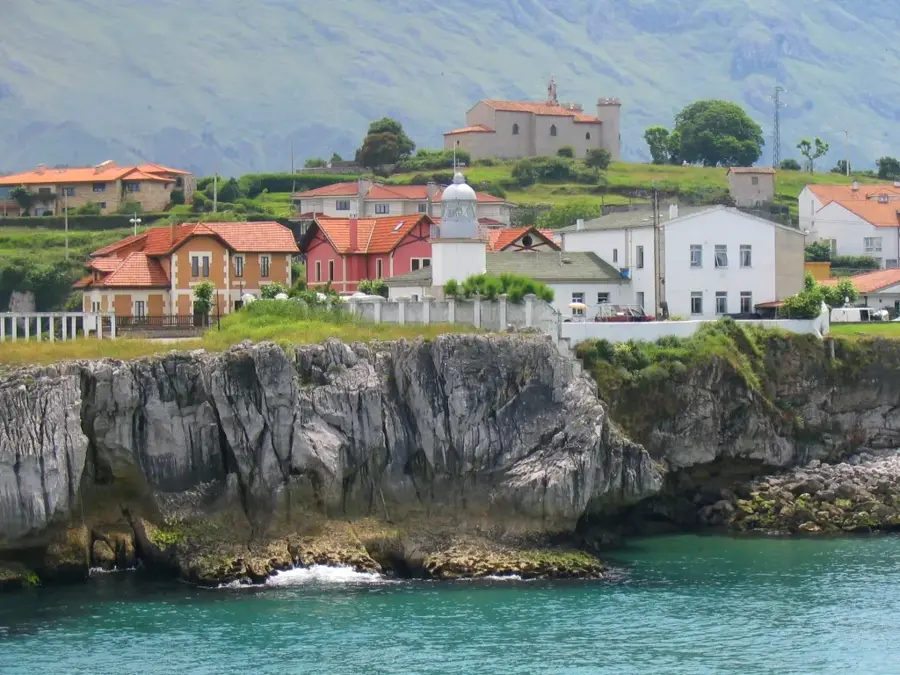
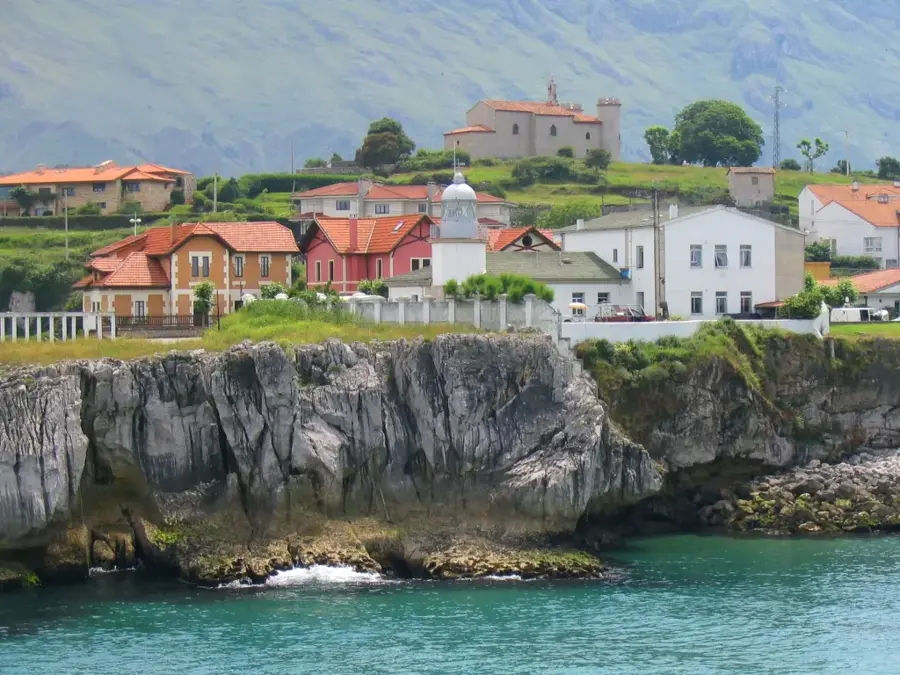
A peaceful coastal path leads to the Faro de Punta de la Silla for dramatic ocean views.
Water temperature…
A traditional September festival where the local dish Sorropotún is distributed for free to all attendees on the beach.
The major festival honoring the Virgen de la Barquera in September, featuring concerts, dances, and cultural activities.
The streets fill with artisans, jugglers, and medieval music against a historical backdrop in August.
The patron saint of fishermen is honored in mid-July with traditional maritime processions and festive gatherings.
A prestigious summer choral competition dedicated to traditional maritime music and seafaring songs.
A festival of national tourist interest featuring a maritime procession celebrating the patron saint, usually held in April.
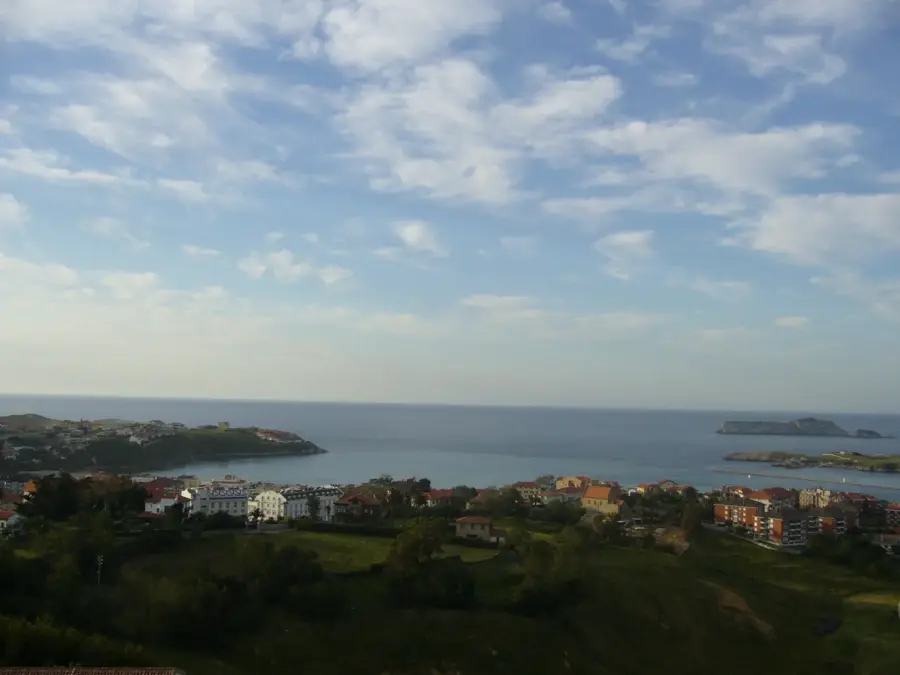
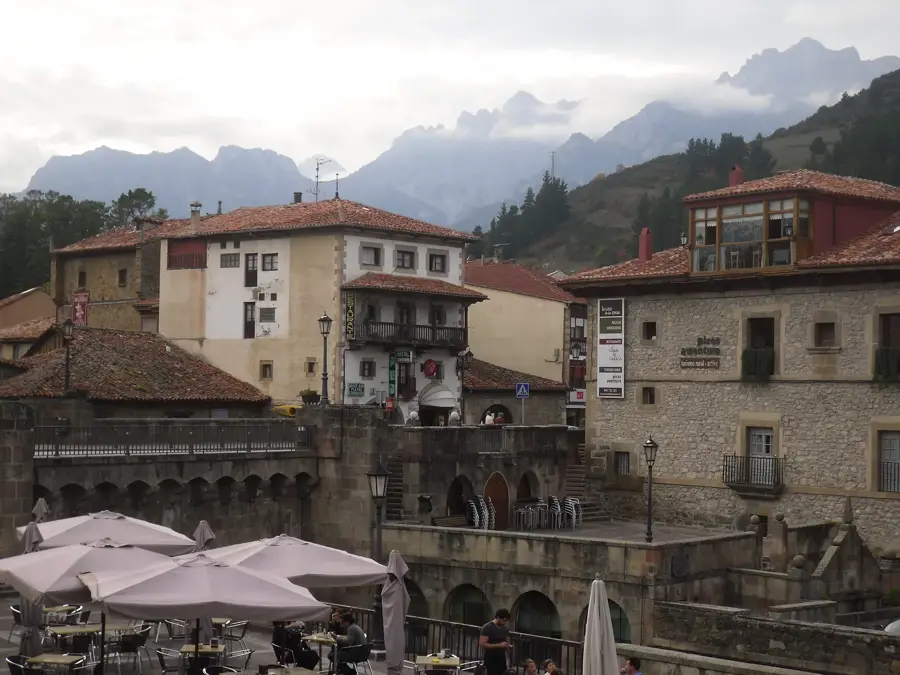
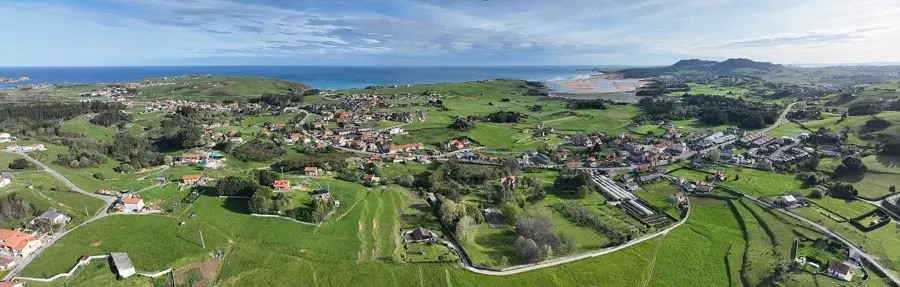
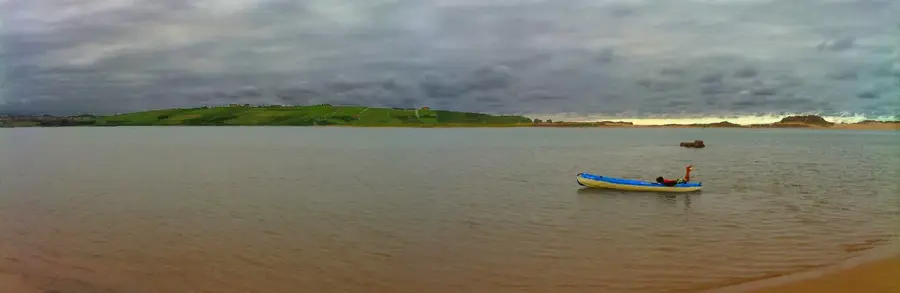
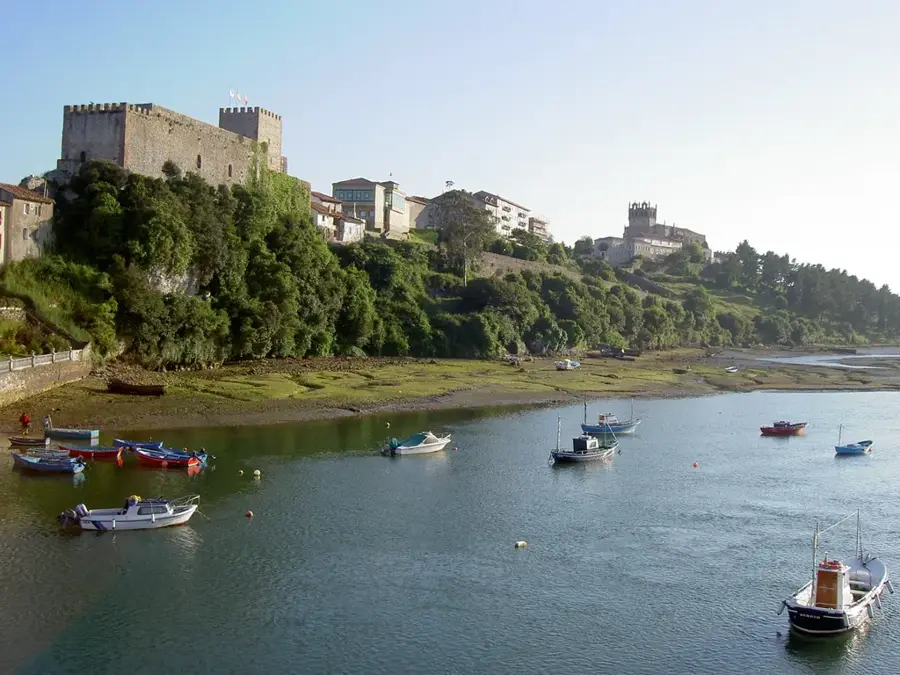
San Vicente de la Barquera is one of Cantabria's most iconic postcards. Situated at the mouth of the Escudo estuary, the town is part of the Oyambre Natural Park, offering an extraordinary variety of landscapes. The historic quarter, known as 'Puebla Vieja', sits on a rocky ridge and includes the Gothic church of Santa María de los Ángeles and the 13th-century 'Castillo del Rey'. One of its most striking landmarks is the Maza Bridge, a monumental stone bridge with 28 arches that spans the estuary. What truly sets San Vicente apart is its visual composition: the blue waters of the bay, lush green meadows, and the mighty, often snow-capped peaks of the Picos de Europa standing tall in the distance. The town is a significant stop on the 'Camino del Norte' pilgrimage route and is celebrated for its seafood gastronomy, particularly the 'Sorropotún', a traditional local tuna stew.
The most pleasant time to visit is Jul–Sep.
| Jan | Feb | Mar | Apr | May | Jun | Jul | Aug | Sep | Oct | Nov | Dec | |
|---|---|---|---|---|---|---|---|---|---|---|---|---|
| Avg °C | 10 | 10 | 11 | 13 | 15 | 18 | 20 | 21 | 20 | 17 | 13 | 11 |
| Rain mm | 123 | 103 | 94 | 77 | 62 | 53 | 34 | 37 | 50 | 100 | 137 | 118 |
Notable places around
Where do you start? We build the route here, with stops and country notes along the way.
© OpenStreetMap contributors · OpenRouteService
Your walk begins at the historical Maza Bridge, crossing the estuary. Climb to the old town to visit the King's Castle and the impressive Santa María Church. At midday, explore the Corro Palace and the old city walls. End the day at the peaceful ruins of San Luis Convent while enjoying the coastal views.
Morning starts on the windy Maza Bridge as rain whips the shore. We seek shelter in the upper town's narrow streets. Lunch is in a cozy restaurant under the main square's arches. The afternoon is for the church and castle; their walls keep us dry while we explore. The evening ends at the ruins of San Luis, where the rain creates a mystical silence.
The clear winter morning air makes the walk across the bridge refreshing. Under blue skies, the snow-capped Picos de Europa shine. At noon, we warm up in a local bodega with a hot stew. In the afternoon, we explore the historical walls in the crisp air. The sun sets early behind the horizon, bathing the town in golden light.
This bike tour takes you along San Vicente's coast to the vast Merón Beach and further to the lighthouse. The highlight is cycling through Oyambre Natural Park, an oasis of calm with cliffs and dunes. The route returns to the old town, where you close the day with a visit to the medieval castle and a panoramic view.
A sporty ride across the long bridge in the rain opens the day. Sea spray mixes with raindrops as we pedal. At Merón beach, we feel the power of the stormy surf. In the afternoon, the route leads to the lighthouse with strong winds. We finish at the castle, taking cover while enjoying the bay view.
A brisk ride against the fresh winter breeze. The landscape appears sharper in the winter light. We cycle through the dunes of Oyambre in peaceful solitude. The climb to the lighthouse gets your blood pumping. We end the day in the old town with a rewarding hot chocolate.
Explore San Vicente comfortably by car. Start with the majestic bridge and the historical old town. After visiting the castle and church, spend the morning at Merón Beach. In the afternoon, the drive takes you to the lighthouse and through the breathtaking landscapes of Oyambre Natural Park before returning to town.
We cross the estuary comfortably and dry in the car. Rain on the window underscores the drive to the castle. At noon, we enjoy local cuisine safely indoors. Later, we drive to Oyambre Park, observing the dramatic coast from the vehicle. We make a short stop at the lighthouse before the day ends.
A scenic drive under the low winter sun. The car provides a warm base for our excursions. We visit the castle and the natural park without the summer crowds. The view of the snowy mountains is at its best in winter. We enjoy the empty roads and the peace of the off-season.
June to September for beach and boat trips. Late April brings La Folía, the Madonna-on-a-boat procession - one of Cantabria's loveliest festivals. August fills with Madrid crowds, so book ahead.
Very safe, but the Puente de la Maza bridge is windy - hold on and mind your hat. In storms the harbour cancels boat trips outright. The beach widens at low tide, but currents at the estuary mouth are serious.
Plain Spanish, almost no dialect. Harbour restaurants have English menus; inland toward the Picos, not so much. Order 'sorropotún' (the local tuna stew) and you'll win any waiter over.
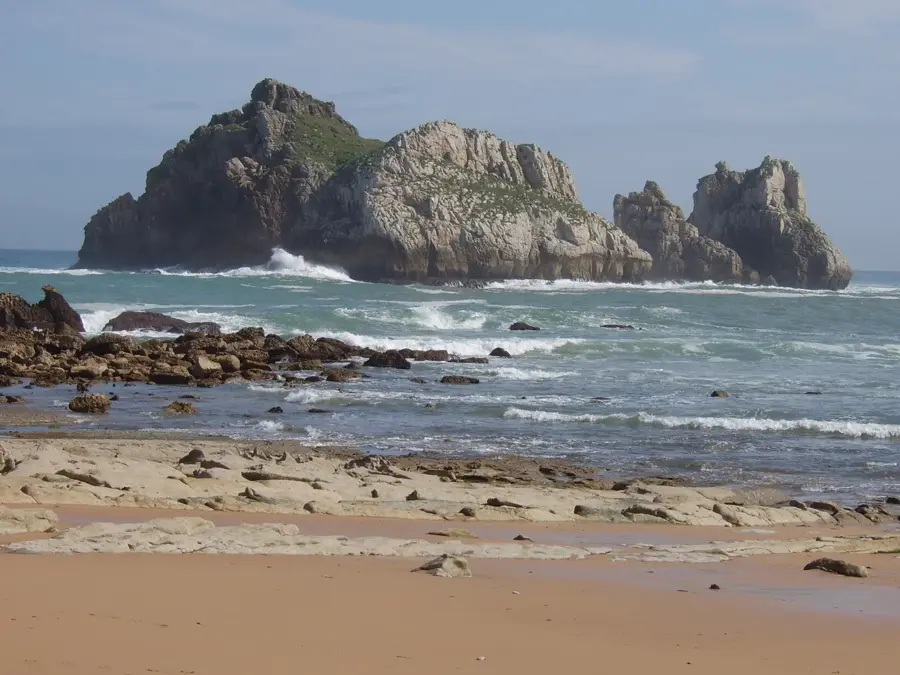
Stretching out in San Vicente De La Barquera, Playa del Merón is a vast shoreline famed for its fine sand and natural beauty. The energetic vibe is largely driven by excellent surfing conditions that draw wave enthusiasts from all over. Whether you want to catch a wave, sunbathe on the soft sand, or simply admire the scenery, this beach delivers. Bringing a windbreaker can be helpful on days with brisk coastal breezes.
Set beautifully in San Vicente De La Barquera, Playa de El Tostadero is a widely appreciated coastal destination in Spain. It maintains a welcoming and easygoing mood, making it a wonderful retreat for both locals and travelers. Visitors will find plenty of space for a refreshing swim or a relaxed afternoon of sun worship. A visit during the early summer months guarantees a quieter but equally characterful seaside experience.
Framed by the lovely landscape of San Vicente De La Barquera, Playa de la Maza is a recognized local beach. The coastal setting exudes a quiet charm, drawing those who wish to step away from busy tourist trails. Expect a tranquil spot to dip your toes in the water, lay out a towel, and listen to the soothing sound of the waves. It is always best to pack plenty of water and sunscreen for a seamless afternoon stay.
Prominently situated in San Vicente De La Barquera, Playa de Fuentes presents another beautiful slice of the Spanish shoreline. It features a serene and natural feeling, great for anyone craving a moment of coastal peace. This is a delightful location for spreading out on the sand, taking leisurely walks by the water, and swimming. Morning visits often reward you with the clearest views and uncrowded shores.