Plizio Visual Lab
Uihang-ri

ℹ️Practical info — Uihang-ri
▾
🌤 Weather — 5 days
📍 Nearby
Sights nearby
💡 Tips
- Be sure to check the local tide schedule (Multepyo) before heading out onto the tidal flats.
- Rent rubber boots and clam-digging tools in the village for the best 'Getbol' (mudflat) experience.
- Walk along the 'Haebyeongil' coastal trail to find memorable views of hidden coves and pine forests.
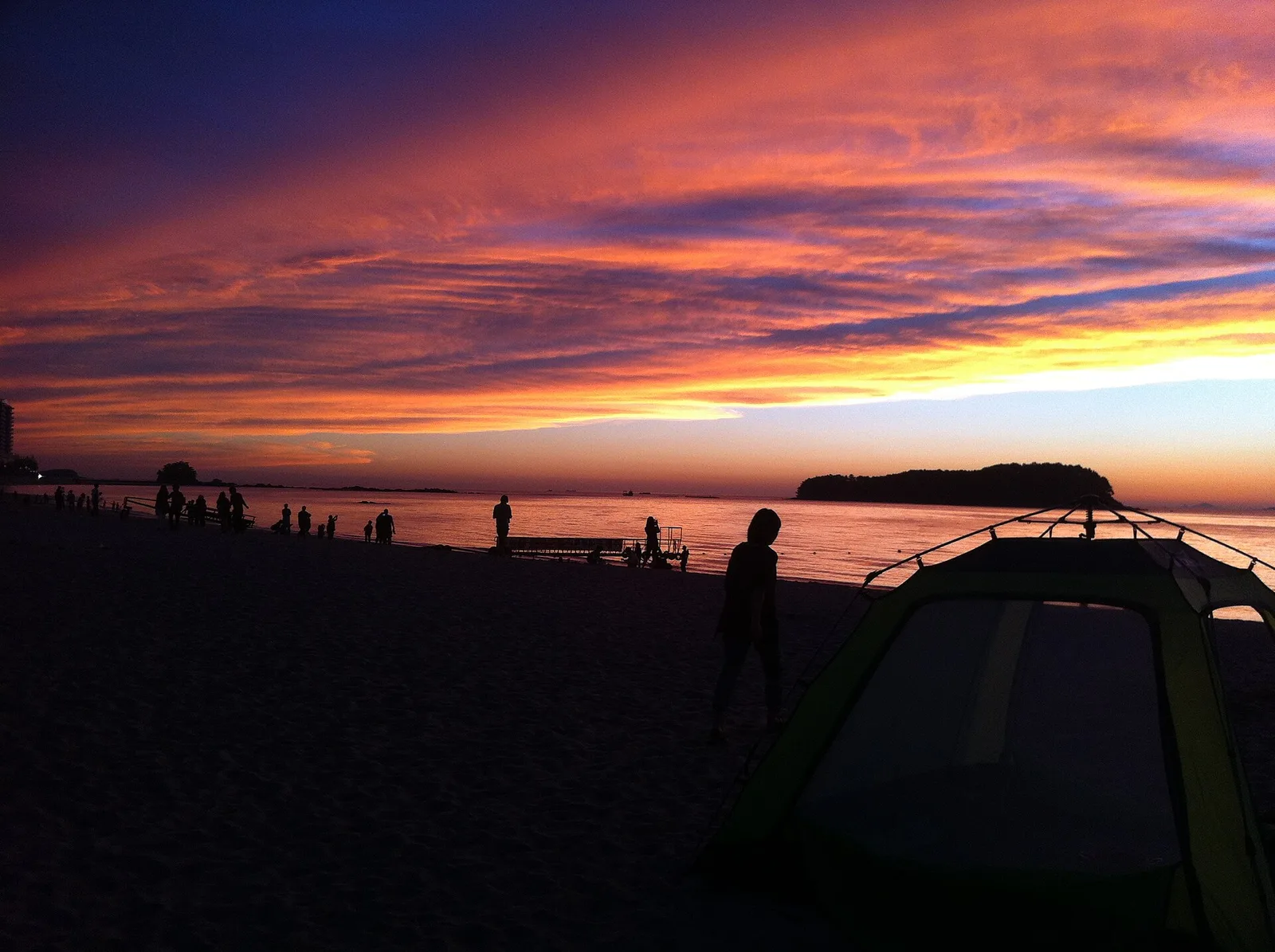
- Watch the sunset from Uihang Beach, the calm West Sea waters reflect the colors beautifully.
🍽 Food
A hearty stew made with blue crabs and kimchi, a unique regional specialty of Taean.
Blue crab marinated in savory soy sauce, famously known as a 'rice thief' for its addictive flavor.
Hand-cut noodle soup served with fresh manila clams harvested from the local mudflats.
🛍 Shopping · 🧘 Quiet spots
The region's solar-evaporated sea salt is rich in minerals and highly regarded for cooking.
A common local product that is easy to transport and tastes wonderful when grilled.
Much quieter than the neighboring Mallipo Beach, well-suited for a peaceful swim in calm waters.
A serene spot to watch the tides change or enjoy some recreational fishing.
Water temperature…
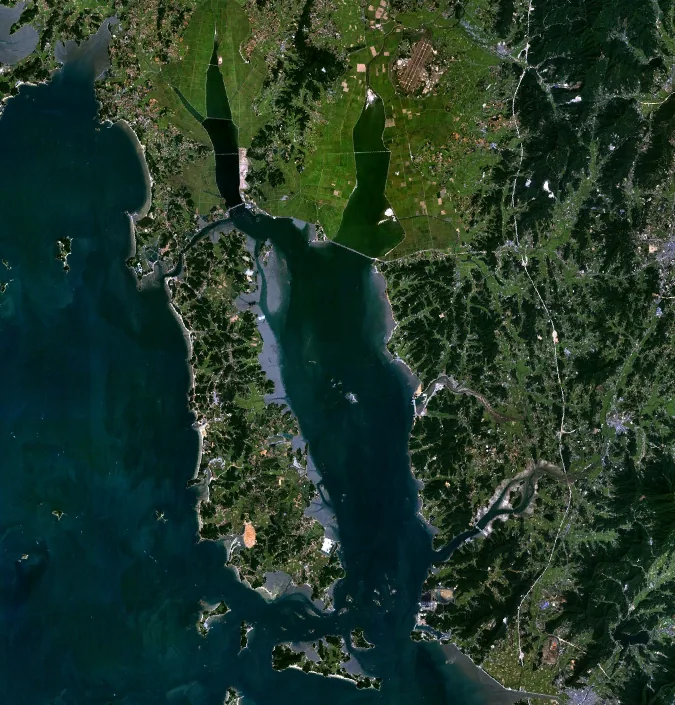
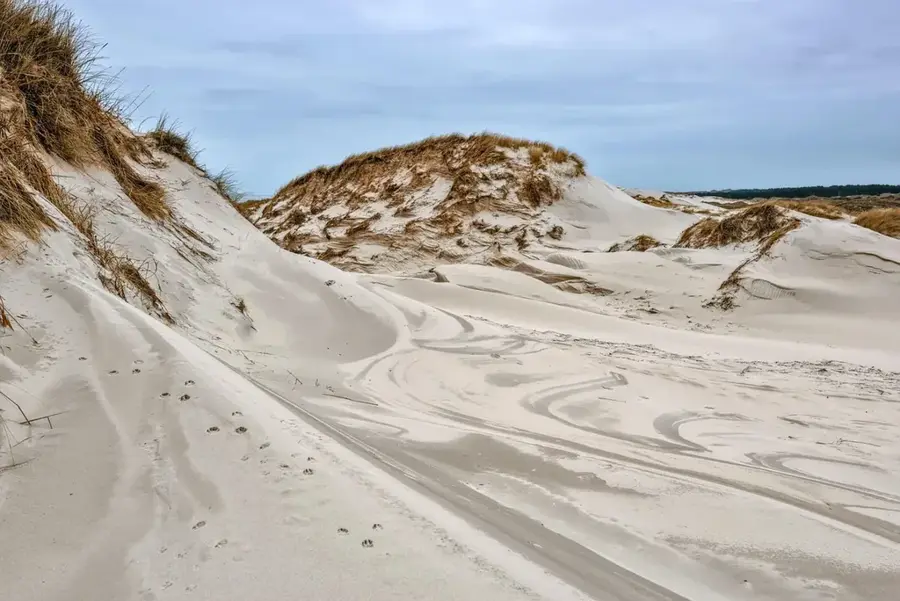
Uihang-ri is located on the Taean Peninsula in the Yellow Sea and is famous for its dramatic tides and pristine coastal landscapes. This area is part of the Taeanhaean Marine National Park and provides a unique mix of rocky cliffs, dense forests, and wide tidal flats exposed at low tide. Cheollipo Beach is known for its peaceful atmosphere and proximity to the famous Cheollipo Arboretum, one of Korea's finest botanical gardens. Another gem is Baengnipo Beach, which is often less crowded and features clear water and a relaxed environment. The beaches here are well-suited for enjoying the 'mudflat' experience, where you can collect clams and small crabs at low tide. The sunsets in Uihang-ri are considered some of the most beautiful in all of Korea, as the sun sinks directly into the sea, painting the sky in spirited shades of orange and red. In the local gastronomy, dishes featuring crustaceans and seaweed dominate. Thanks to its well-preserved nature, Uihang-ri is a popular destination for ecotourism and photography.
- Location: South Korea
- Nearby: Banggal-ri (8 km)
Best time to visit & climate
The most pleasant time to visit is Jun, Sep, Oct.
| Jan | Feb | Mar | Apr | May | Jun | Jul | Aug | Sep | Oct | Nov | Dec | |
|---|---|---|---|---|---|---|---|---|---|---|---|---|
| Avg °C | 1 | 1 | 4 | 9 | 14 | 19 | 23 | 25 | 22 | 16 | 10 | 3 |
| Rain mm | 25 | 35 | 41 | 77 | 86 | 116 | 329 | 244 | 134 | 52 | 51 | 31 |
Geography
Facts
- Yellow Sea
- Taean National Park
- Tidal flats
- Sunset
- Baengnipo Beach
- Cheollipo Arboretum
- Clam digging
- Ecotourism
Explore nearby
Notable places around


Route planner — Car & Motorhome
Where do you start? We build the route here, with stops and country notes along the way.
© OpenStreetMap contributors · OpenRouteService
Frequently asked questions
What is Uihang-ri famous for?
Can you collect shellfish in Uihang-ri?
How is the parking at the beach?
Are there camping options?
When is the best time to visit?
Uihang-ri: where is it located?
Uihang-ri: when is the best time to visit?
Uihang-ri: why is it worth visiting?

Nearby cities

History & landmarks
Nature
More places