Plizio Visual Lab

Swartberg
Plizio editorial teamData Sources
Mountain
—°5
Swartberg (South Africa)

Weather…

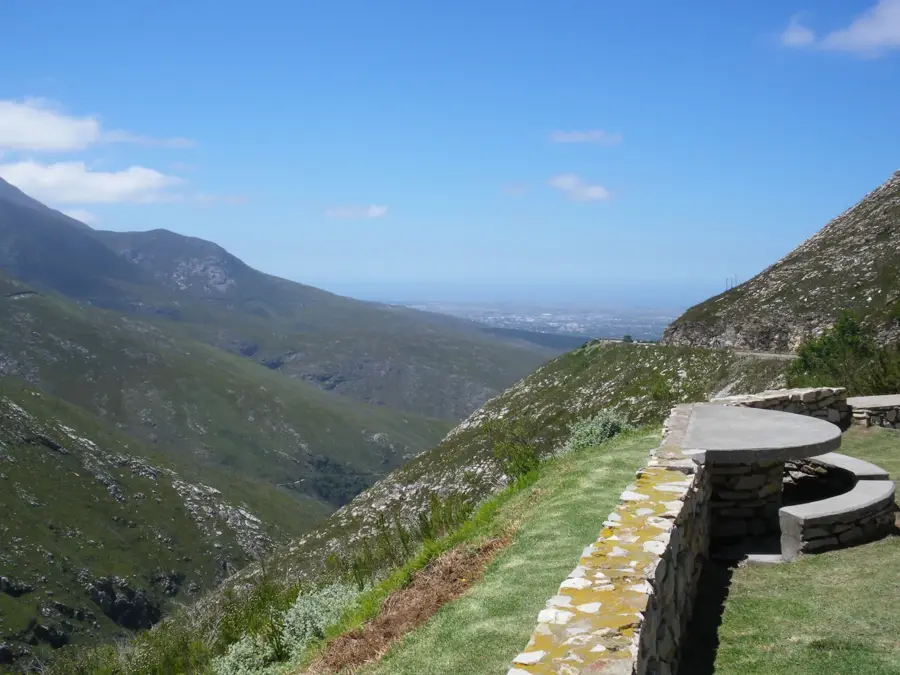
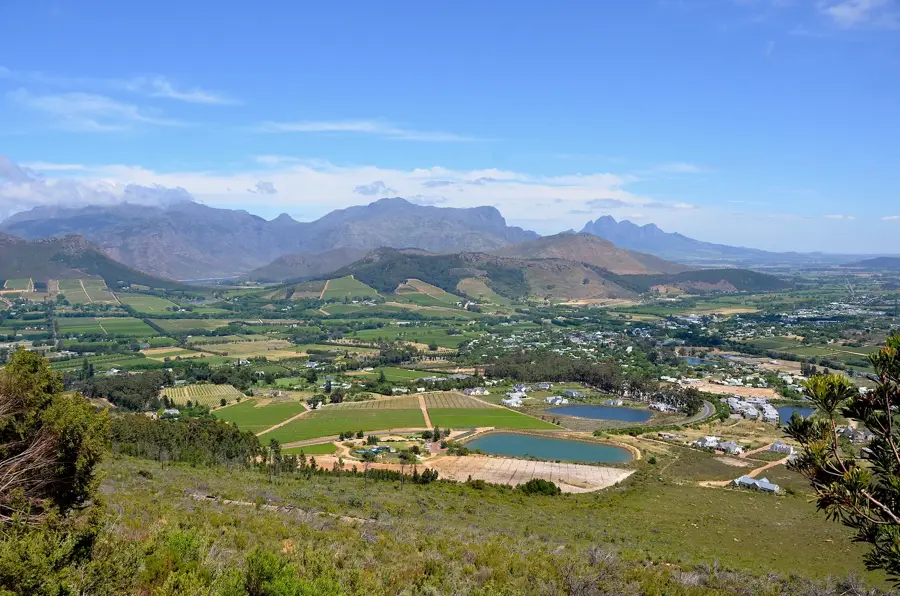
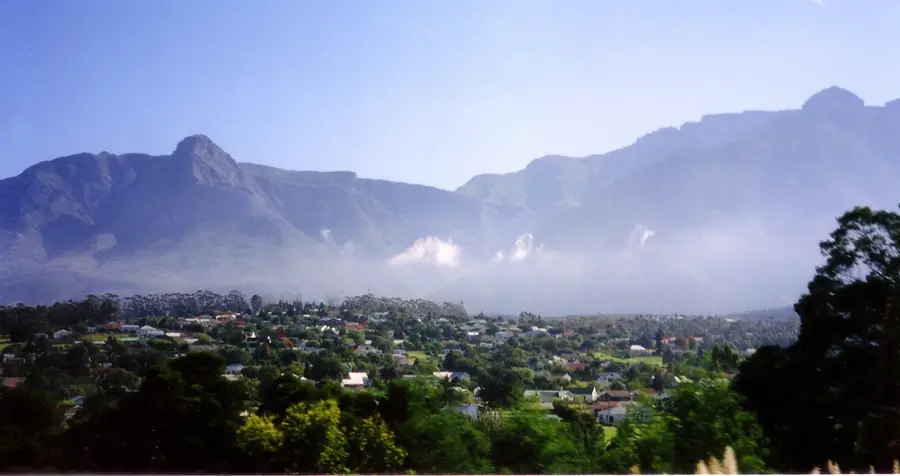
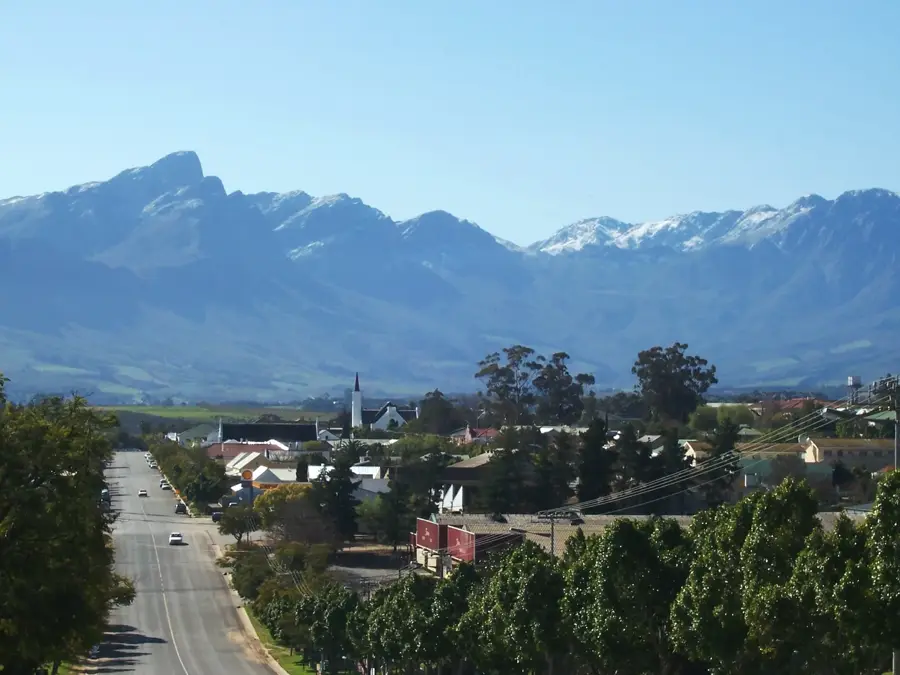
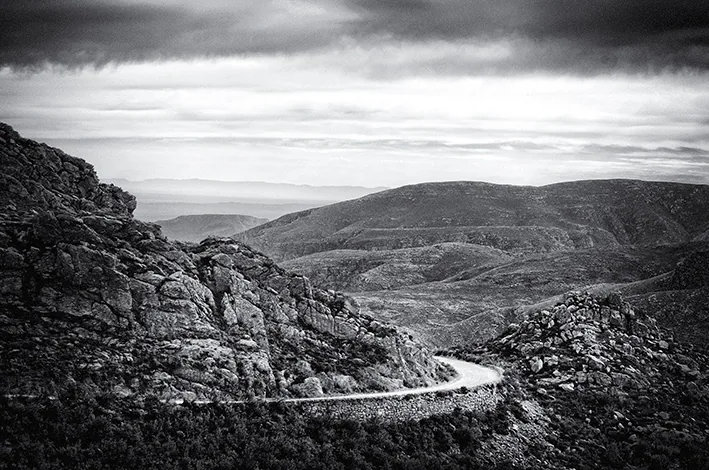
The Swartberg Mountains are a majestic range in South Africa, forming the formidable barrier between the Little Karoo and the Great Karoo. Geologically, the range is composed primarily of Table Mountain Group sandstone and is world-renowned for its dramatic rock foldings and sheer cliffs. Stretching approximately 230 kilometers, the range features some of the highest peaks in the Western Cape province. A crowning achievement of the region is the Swartberg Pass, constructed in the late 19th century by Thomas Bain, which remains an unpaved marvel of dry-stone engineering. The mountains are part of the Cape Floral Region UNESCO World Heritage Site due to their extraordinary diversity of fynbos vegetation. Deep within the limestone foothills lie the famous Cango Caves, one of the world's finest dripstone cavern systems. The Swartberg serves as a critical watershed, supplying essential water to the arid valleys of the Karoo. The area is also a vital sanctuary for the Cape mountain zebra and various raptor species, while the pass gives panoramic views of ancient geological formations.

Best time to visit & climate

The most pleasant time to visit is Jan, Mar, Dec.

JanFebMarAprMayJunJulAugSepOctNovDec
Avg °C232321171411101114171921
Rain mm323642412731324325404633

📋 Practical info

🧭
Getting there
Reaching the majestic range usually involves driving along well-known mountain passes that connect the surrounding semi-arid regions. The gravel roads winding through the mountains are often steep and narrow, requiring cautious and attentive driving.
📅
Best season
The moderate temperatures of spring and autumn offer the most pleasant weather conditions for long hikes in this region. High summer brings extreme heat to the Karoo, while winter can occasionally dust the highest peaks with light snowfall.
⛰️
Terrain & paths
The area features a dramatic landscape of deep ravines, towering sandstone cliffs, and expansive rocky plateaus. Hiking routes range from relatively flat walks in the lower valleys to grueling, steep climbs up the jagged mountain faces.
🎒
What to bring
Because of the drastic temperature fluctuations, carrying layered clothing and reliable sun protection is absolutely critical. Hikers must also bring significantly more water than usual, as natural water sources in this semi-arid environment are rare.
🅿️
Parking
Safe parking areas are typically found at designated viewpoints, nature reserve entrances, or at the start of recognized passes. Ensure your vehicle is completely off the narrow gravel roads to avoid accidents with passing traffic or farm trucks.
⚠️
Safety
The primary risks here involve extreme heat exhaustion during the summer months and sudden weather changes at higher altitudes. The ruggedness of the terrain also means that a simple ankle sprain can become a serious emergency due to the isolation.
⏱️
Time needed
The vastness of the range means visitors can choose anything from a quick scenic drive to a multi-day hiking epic. Most day visitors spend at least five to six hours exploring the iconic mountain passes and completing one of the shorter nature trails.

Geography

Coordinates
-33.30000, 22.00000

Facts

  • The Swartberg Pass was officially opened to traffic in 1888.
  • The highest peak in the range is Seweweekspoortpiek, at 2,325 meters.
  • Thomas Bain constructed the pass using the labor of convict workers.
  • The Cango Caves are located within the limestone foothills of the range.
  • Large sections of the mountains are protected within the Swartberg Nature Reserve.
  • The geological rock folds are considered among the best exposed in the world.

Explore nearby

Notable places around

Route planner — Car & Motorhome

Where do you start? We build the route here, with stops and country notes along the way.

Vehicle
Only stops with (optional):

© OpenStreetMap contributors · OpenRouteService

Sights in the town Swartberg (5)

Teeberg🌿 nature

Teeberg is a scenic viewpoint in the nature reserve, looking out over the rugged ravines of the Swartberg mountains.

Waboomsberg🌿 nature

Waboomsberg is a rocky peak whose slopes are characterised by the protea vegetation typical of this mountainous region.

Die Top🌿 nature

Die Top is a high-altitude viewpoint that gives spectacular panoramic views across the vast valleys of the Swartberg mountains.

Rock Pool📍 landmark

Rock Pool is a natural rocky basin filled with cool mountain water, offering a refreshing dip after hiking in the Swartberg area.

Waterval📍 landmark

The Waterval tumbles over the steep cliffs of the Swartberg mountains, creating a pretty natural cascade.

Sights nearby

Frequently asked questions

How do you get over the Swartberg Pass?
The pass is a spectacular gravel road; caution is advised when raining.
What is the highlight nearby?
The Cango Caves are world-famous and located very close to Oudtshoorn.
Is the road suitable for motorhomes?
Large motorhomes should avoid the pass as it is narrow and steep.
What is the best time of day?
Early morning or late afternoon for the best photography light.
Is there accommodation there?
There are appealing farm stays and guesthouses in the Karoo region.
Swartberg: where is it located?
Swartberg is located in South Africa.
Swartberg: what is there to see?
Highlights include Teeberg, Waboomsberg, Die Top.
Swartberg: when is the best time to visit?
The most pleasant time to visit is Jan, Mar, Dec.
Swartberg: why is it worth visiting?
The Swartberg Mountains are a majestic range in South Africa, forming the formidable barrier between the Little Karoo and the Great Karoo.
View on map → The Top 50 Attractions → OpenStreetMap →
Africa
Explore with Plizio Discover more places in Africa
More places in South Africa →

Nearby cities

History & landmarks

More places