Plizio Visual Lab
Amud Ruins
Weather…
Water temperature…
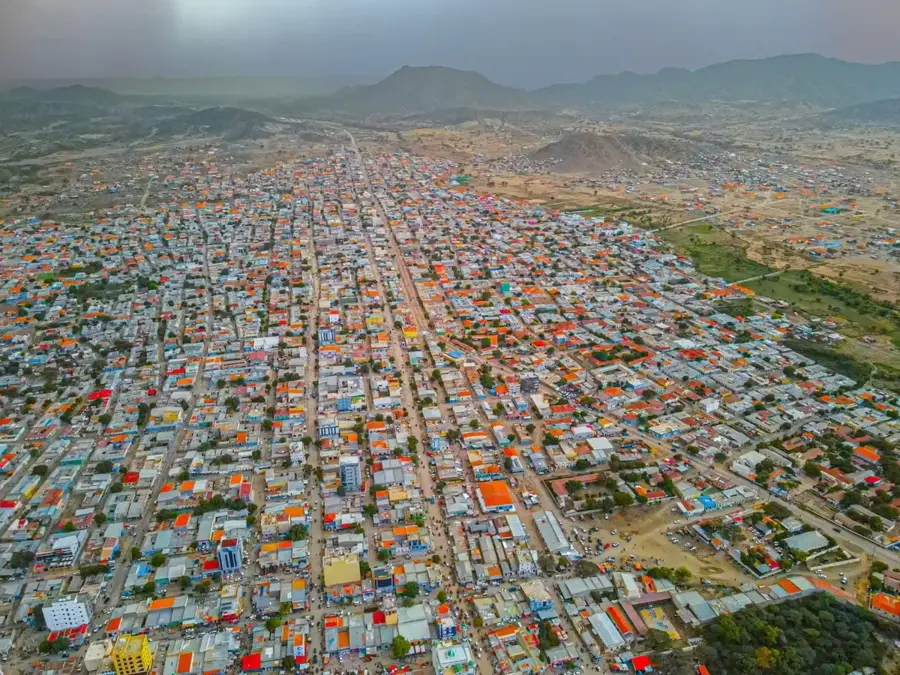
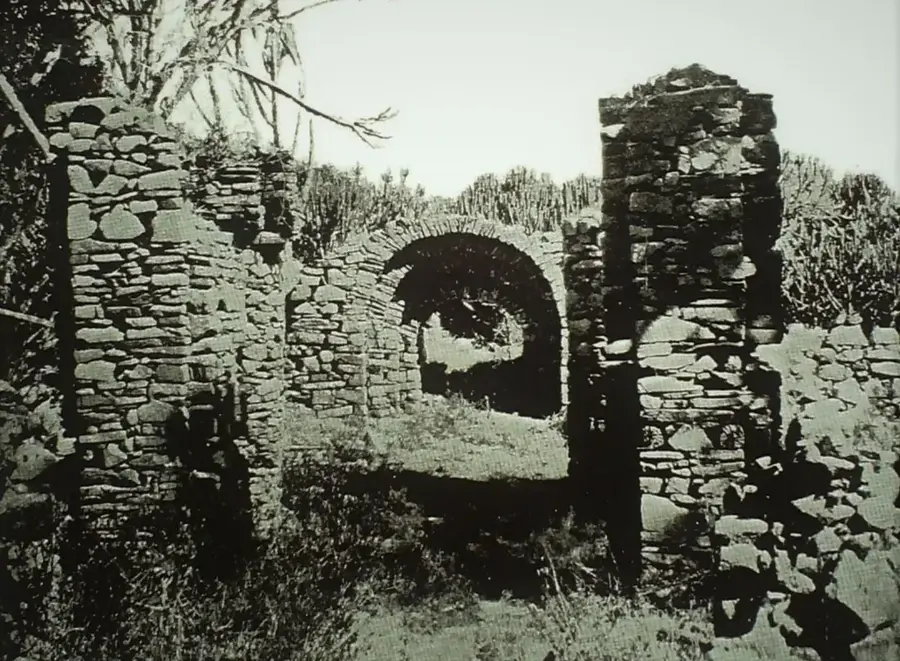
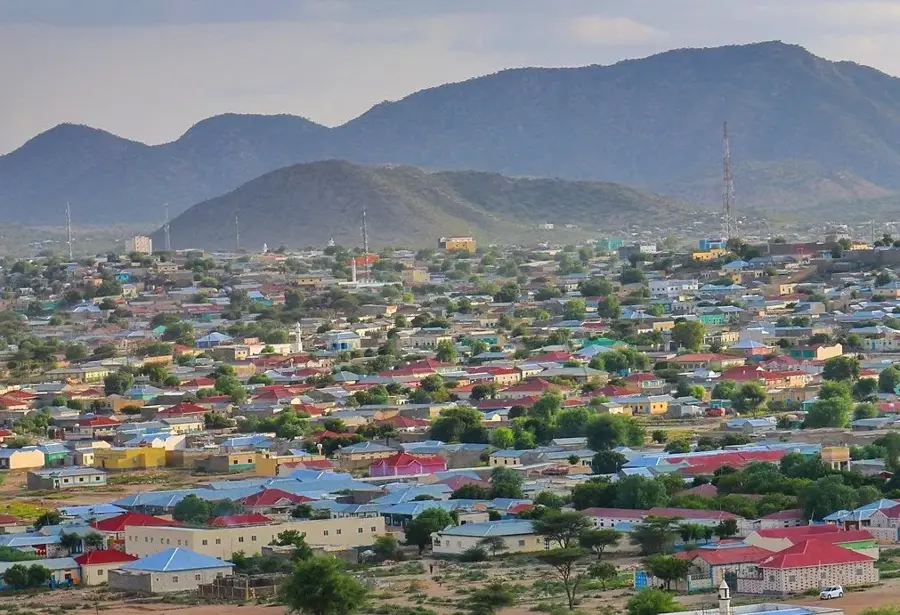
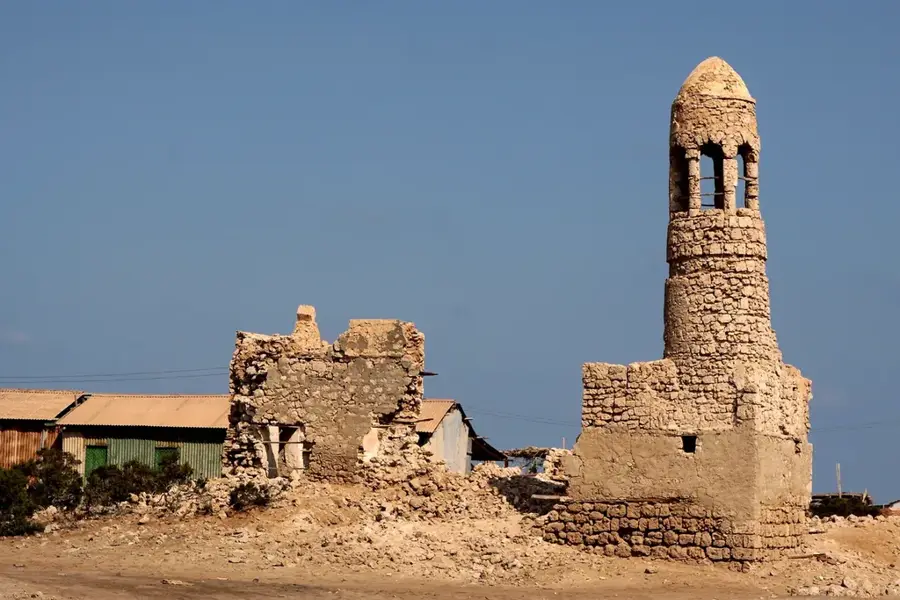
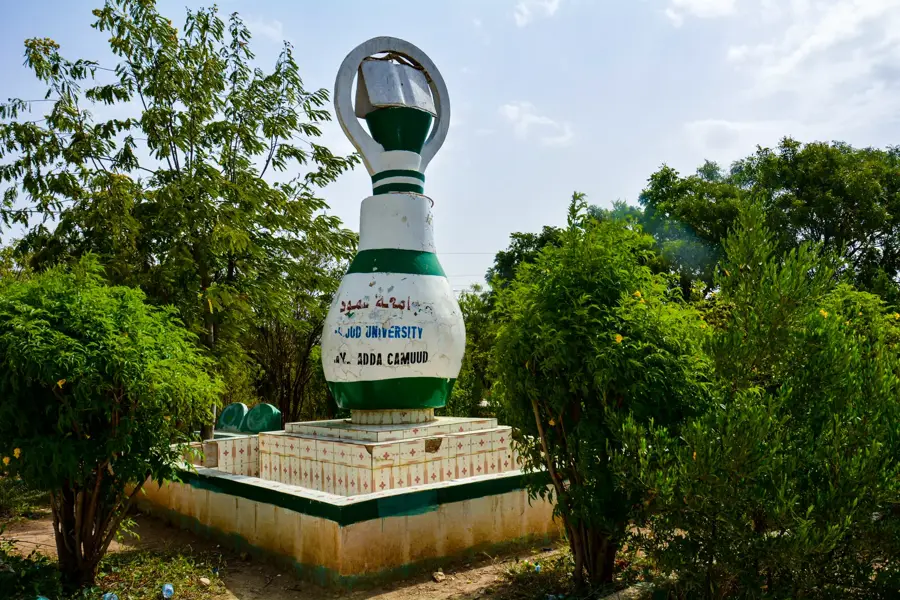
The ruins of Amud, located near the city of Borama in present-day Somaliland, are a remarkable testament to the Adal civilization during the 15th and 16th centuries. This former metropolis served as a major cultural and religious hub for the Adal Sultanate at the peak of its influence. The archaeological site features the remains of over 250 stone houses, showcasing a sophisticated level of urban planning and architectural skill for the era. At the heart of the city stood a grand mosque, whose ruins still highlight the area's historical spiritual significance. Historians believe that Amud was a vital link in the trade routes connecting the African interior with the bustling ports of the Gulf of Aden. Findings of Chinese porcelain and diverse international coins indicate that its inhabitants maintained extensive commercial ties across the globe. Although the city was largely abandoned following the conflicts of the 16th century, its name lives on through modern educational institutions and remains a key site for Somali heritage.
- Location: Somalia
- Top sights: Buur Raariile · Isha Qoorgaab · Buur Awordil
- Nearby: Borama (7 km)
Best time to visit & climate
The most pleasant time to visit is Jan, Feb, Nov.
| Jan | Feb | Mar | Apr | May | Jun | Jul | Aug | Sep | Oct | Nov | Dec | |
|---|---|---|---|---|---|---|---|---|---|---|---|---|
| Avg °C | 20 | 21 | 24 | 26 | 27 | 29 | 28 | 28 | 28 | 24 | 22 | 20 |
| Rain mm | 7 | 9 | 27 | 80 | 25 | 22 | 35 | 55 | 44 | 36 | 17 | 24 |
📋 Practical info
Geography
Facts
- Amud was a primary urban center of the Adal Sultanate during the 15th and 16th centuries.
- The site contains the remains of approximately 250 well-constructed stone houses.
- Archaeologists have recovered Chinese porcelain from the Ming Dynasty at the site.
- The Grand Mosque of Amud is the most significant religious structure in the ruins.
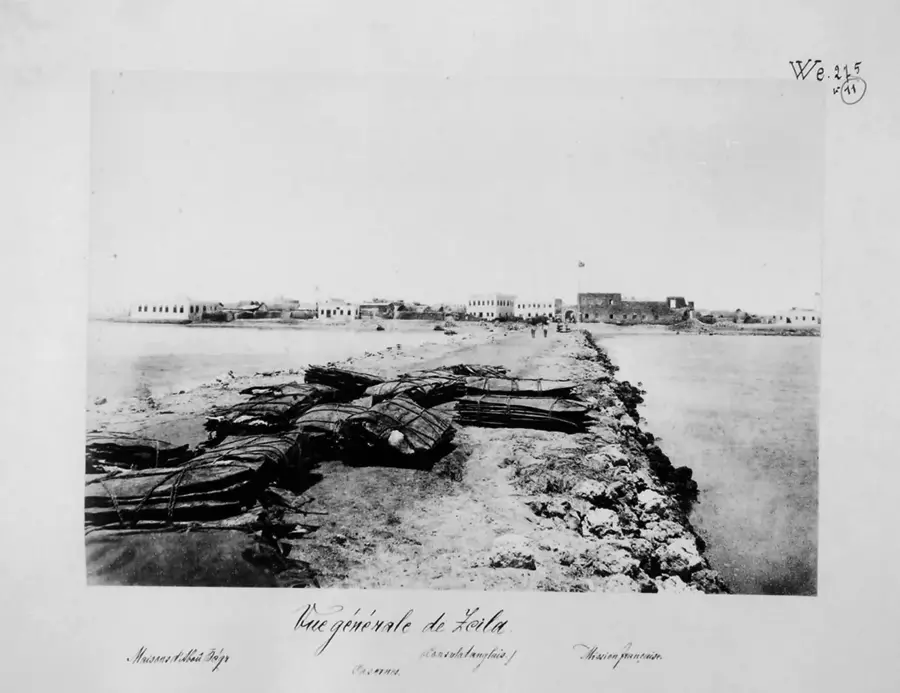
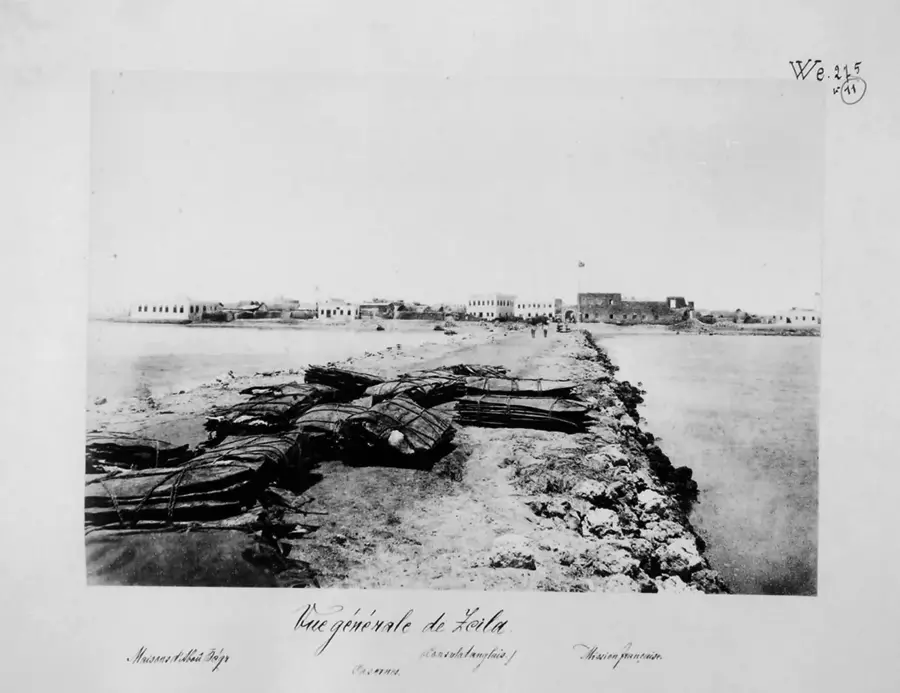
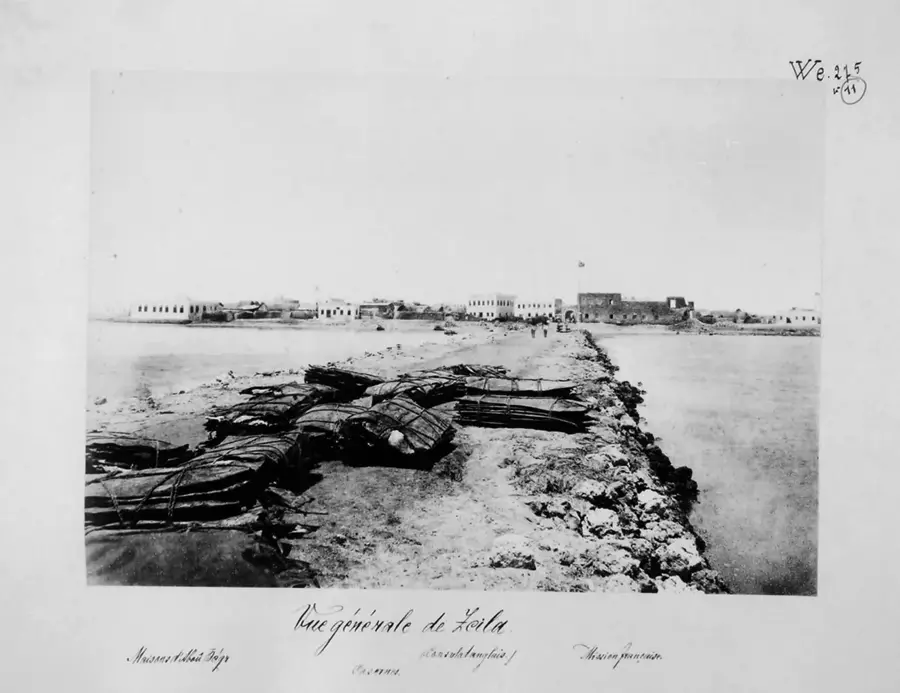
- The city was strategically positioned on the trade route between Harar and Zeila.
- It was largely abandoned following the widespread conflicts of the late 16th century.
Explore nearby
Notable places around
Route planner — Car & Motorhome
Where do you start? We build the route here, with stops and country notes along the way.
© OpenStreetMap contributors · OpenRouteService
Sights in the town Amud Ruins (6)
Sights nearby
Frequently asked questions
Is visiting Amud ruins worth it?
Are the paths to the ruins marked?
Is there shade at the ruins?
Can I walk among the ruins?
How long does a visit take?
Amud Ruins: where is it located?
Amud Ruins: what is there to see?
Amud Ruins: when is the best time to visit?
Amud Ruins: why is it worth visiting?

Nearby cities


History & landmarks

Nature

More places