Plizio Visual Lab
Bastions of Fort Thornton
Weather…
Water temperature…
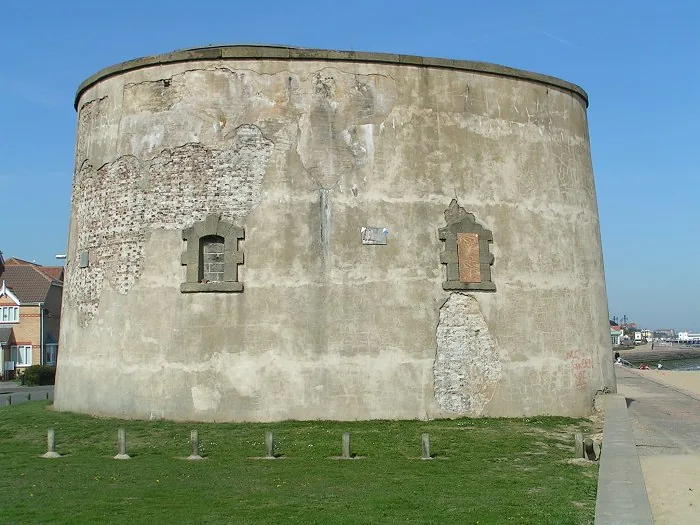
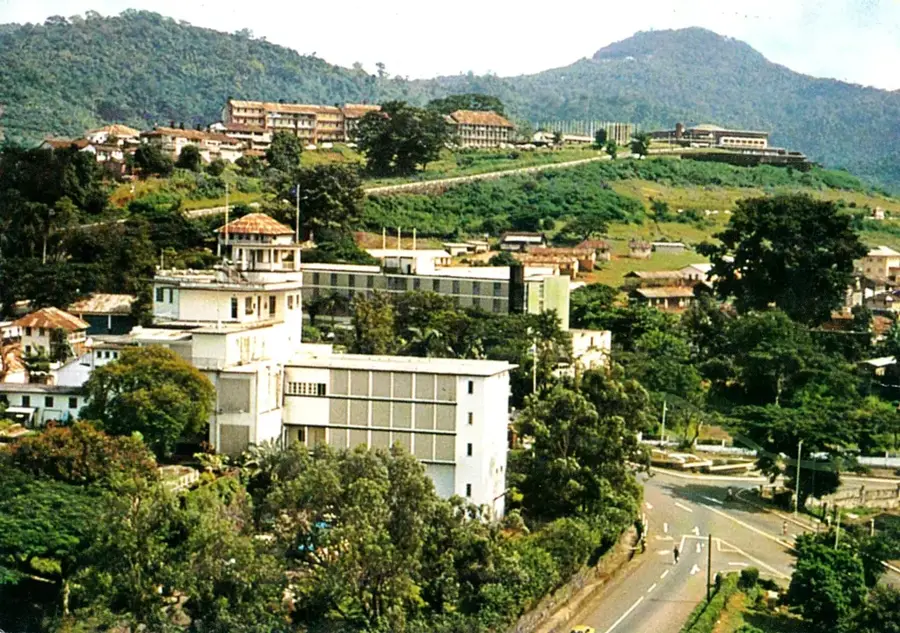
The bastions of Fort Thornton in Freetown are the remnants of a colonial fortress built in 1796 by the Sierra Leone Company. The fort served to protect the newly founded settlement of Freetown from attacks by sea and land. It consisted of several bastions armed with cannons and accommodated a garrison. The walls were built from local stone and brick. Over time, the fort lost its military significance and fell into disrepair. Today, only the bastions remain, preserved as historic landmarks. They offer insight into colonial military architecture and 18th-century defense strategies. The bastions are part of Freetown's cultural heritage and are managed by the National Monuments Commission. Visitors can explore the ruins and appreciate the strategic hillside location.
- Location: Sierra Leone
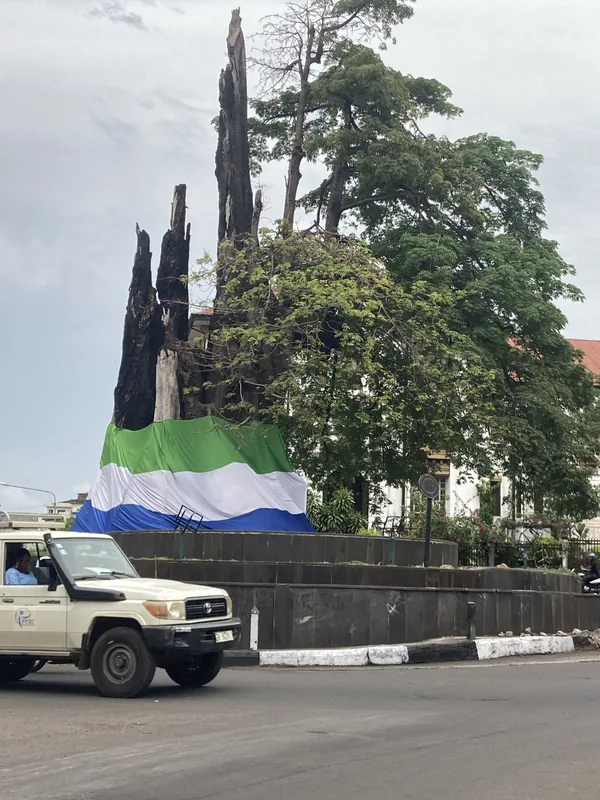
- Top sights: St. John's Maroon Church · National Museum · The Cotton Tree
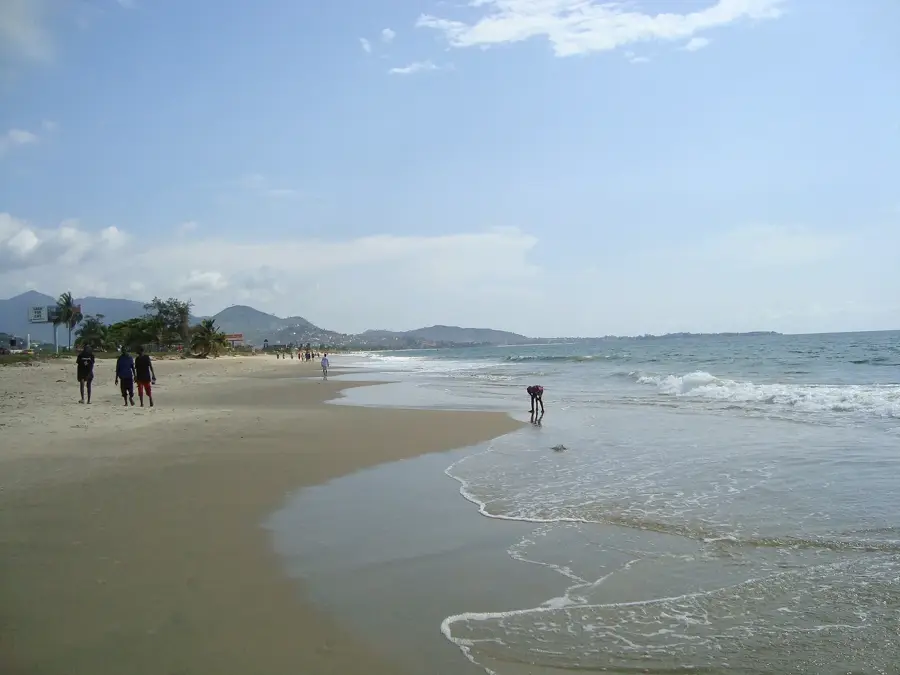
- Nearby: Goderich Beach (9 km)
Best time to visit & climate
The most pleasant time to visit is Jan, Feb, Dec.
| Jan | Feb | Mar | Apr | May | Jun | Jul | Aug | Sep | Oct | Nov | Dec | |
|---|---|---|---|---|---|---|---|---|---|---|---|---|
| Avg °C | 26 | 27 | 28 | 28 | 28 | 26 | 25 | 25 | 26 | 26 | 27 | 26 |
| Rain mm | 1 | 2 | 3 | 25 | 136 | 399 | 644 | 699 | 400 | 187 | 71 | 4 |
📋 Practical info
Geography
Facts
- The bastions were built in 1796.
- The fort had four main bastions.
- Walls are up to 3 meters thick.
- Originally the fort was equipped with 20 cannons.
- It sits on a hill about 50 meters above sea level.
- The bastions were declared a national monument in 1967.
Explore nearby
Notable places around

Route planner — Car & Motorhome
Where do you start? We build the route here, with stops and country notes along the way.
© OpenStreetMap contributors · OpenRouteService
Sights in the town Bastions of Fort Thornton (10)
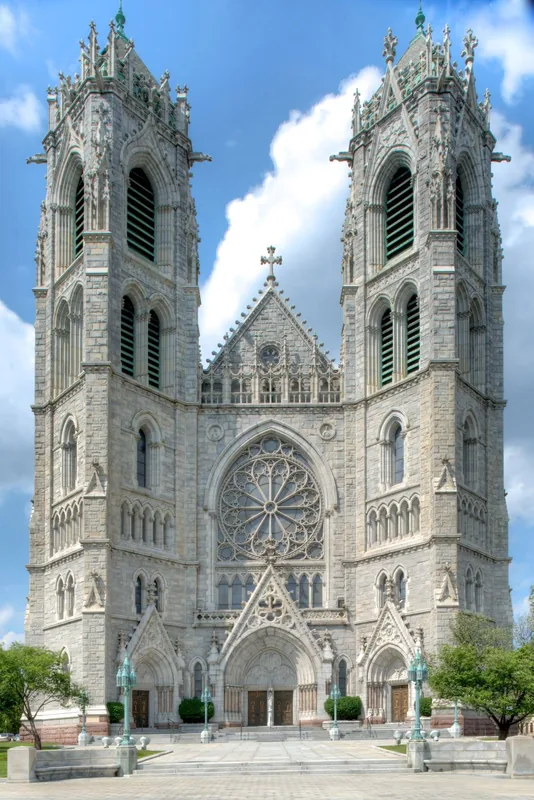
Sacred Heart Cathedral
Catholic cathedral in Freetown, seat of the archdiocese, built in neo-Gothic style.
St. George's Cathedral
Anglican cathedral in Freetown, consecrated in 1828, a notable colonial-era building.
Gun emplacement
Ruins of a gun emplacement in Freetown, remnants of colonial-era coastal defenses.
75A Leicester Road
Viewpoint on Leicester Road in Freetown, providing a panorama of the city and hills.
Sea Side View POW
Viewpoint along the Freetown coast, offering views of the Atlantic Ocean and shoreline.
H H Fofannah Enterprise
Theatre building in Freetown, used for performances and cultural events.
Adjai Crowther Amphitheatre
Open-air amphitheatre in Freetown, named after the first African Anglican bishop.
Sights nearby
Frequently asked questions
Is it worth visiting the bastions?
Are there guided tours?
What is the best way to get there?
Is it safe to visit the bastions?
Can one take photos from there?
Bastions of Fort Thornton: where is it located?
Bastions of Fort Thornton: what is there to see?
Bastions of Fort Thornton: when is the best time to visit?
Bastions of Fort Thornton: why is it worth visiting?

Nearby cities
History & landmarks
More places