Plizio Visual Lab
Kolda agricultural region
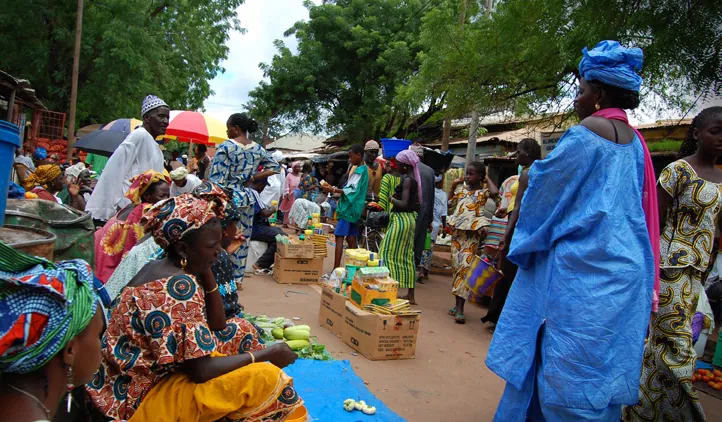
The Kolda agricultural region in Upper Casamance is a vital engine for Senegal's food security and economy. Known for its fertile soils and abundant rainfall, the region focuses on the cultivation of cereals, peanuts, and cotton, as well as intensive livestock farming. A central pillar of the local industry is the CRZ Kolda research center, which specializes in improving local breeds such as Ndama cattle and Djallonké sheep. These animals are particularly well-adapted to the tropical climate and local diseases. Farms in the region utilize both traditional methods and modern agro-technical approaches to increase yields. Kolda also plays a significant role in the production of citrus fruits and mangoes, which are highly valued throughout the country. Its geographical location in southern Senegal allows for a longer growing season compared to the arid north. In recent years, investment programs have been launched to improve infrastructure and market access for local producers. Rural life in Kolda is closely intertwined with the agricultural rhythm and seasonal livestock markets. It remains a key region for agricultural diversification and the preservation of traditional farming practices.
- Location: Senegal
- Top sights: Village artisanal El Bassirou DIALLO · Centre Culturel Régional de Kolda · Centre culturel des Six Jarres
Best time to visit & climate
The most pleasant time to visit is Jan, Nov, Dec.
| Jan | Feb | Mar | Apr | May | Jun | Jul | Aug | Sep | Oct | Nov | Dec | |
|---|---|---|---|---|---|---|---|---|---|---|---|---|
| Avg °C | 24 | 27 | 29 | 31 | 32 | 30 | 27 | 26 | 27 | 27 | 26 | 24 |
| Rain mm | 1 | 0 | 0 | 0 | 13 | 124 | 256 | 356 | 253 | 85 | 5 | 0 |
📋 Practical info
Geography
Facts
- Home to the CRZ Kolda livestock research center
- Ndama cattle here are resistant to trypanosomiasis
- One of the primary regions for cotton production in Senegal
- Higher annual rainfall compared to northern Senegal
- Focus on the breeding of hardy Djallonké sheep
- Region is renowned for high-quality mango production
Explore nearby
Notable places around


Route planner — Car & Motorhome
Where do you start? We build the route here, with stops and country notes along the way.
© OpenStreetMap contributors · OpenRouteService
Sights in the town Kolda agricultural region (3)
Sights nearby
Frequently asked questions
What makes the Kolda region special agriculturally?
Can one visit the agricultural farms?
When is the best time to visit Kolda?
What is primarily grown here?
Is there accommodation nearby?
Kolda agricultural region: where is it located?
Kolda agricultural region: what is there to see?
Kolda agricultural region: when is the best time to visit?
Kolda agricultural region: why is it worth visiting?

Nearby cities

History & landmarks
More places