Plizio Visual Lab

Kolda Plateau
Plizio editorial teamData Sources
Relief
—°
Kolda Plateau (Senegal)

Weather…

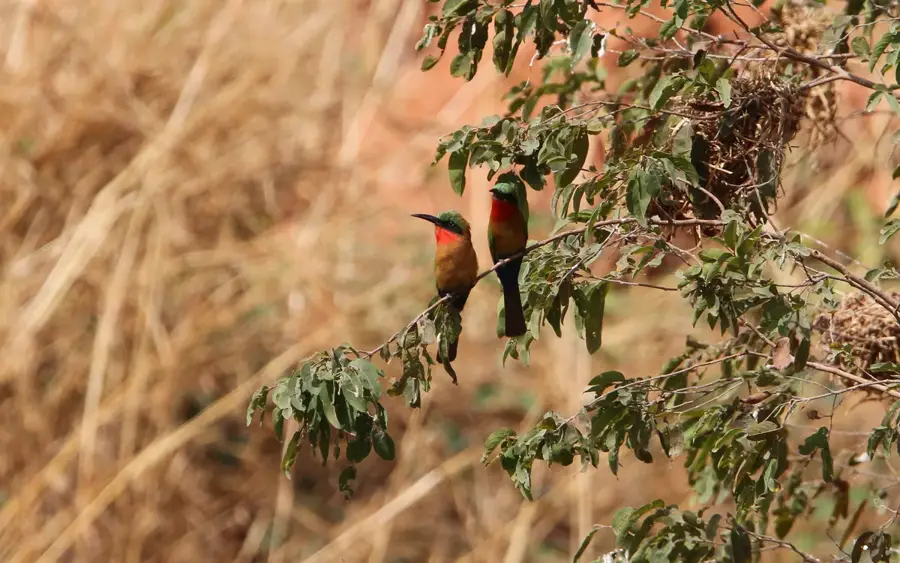
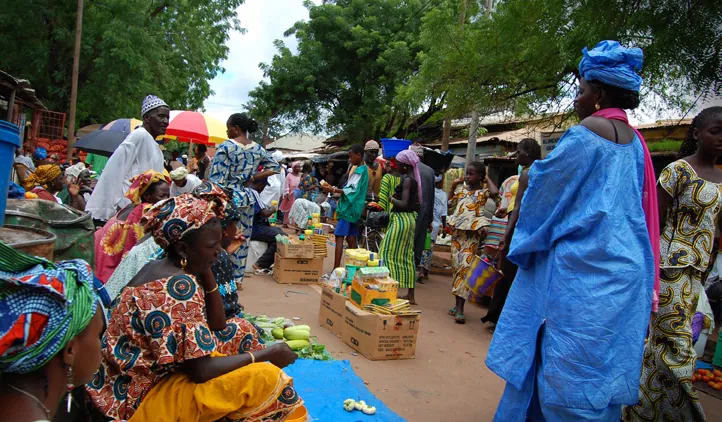
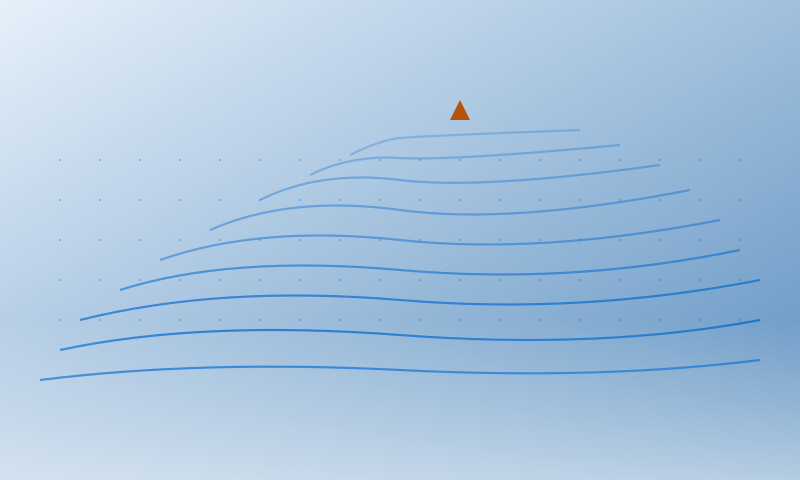
The Kolda Plateau is located in the Haute Casamance region of southern Senegal, forming a topographical transition between the flat coastal plains and the eastern hill countries. The relief is characterized by a gently undulating plateau intersected by numerous river courses and seasonal streams that flow into the Casamance River. Thanks to the relatively high rainfall in this southern zone, the plateau is covered by wooded savanna and dense gallery forests along the waterways. Agriculturally, the area is of great importance, particularly for the cultivation of cotton, peanuts, and increasingly fruit farming. The soils here are more ferruginous and fertile than in the dry north of the country. Kolda serves as an important regional trade center on the border with Guinea-Bissau and Guinea, making the plateau a cultural melting pot. The region's wildlife includes larger mammals such as antelopes and warthogs, which find refuge in the less populated forest areas. Geomorphologically, the plateau consists predominantly of Tertiary sediments that have formed deep valleys in places through erosion.

Best time to visit & climate

The most pleasant time to visit is Jan, Nov, Dec.

JanFebMarAprMayJunJulAugSepOctNovDec
Avg °C242831333330272727272624
Rain mm1000141262373422468040

📋 Practical info

🧭
Getting there
Reaching the Kolda Plateau typically requires driving from the regional capital of Kolda or Ziguinchor along the main national roads. Local transport includes bush taxis or minivans, which navigate the network of paved and unpaved roads connecting the rural communities on the plateau.
📅
Best season
The optimal time to explore the plateau is during the dry season from November to May, when the weather is warm and roads are easily passable. The wet season, from June to October, brings heavy monsoon rains that can muddy the unpaved routes and complicate travel.
⛰️
Terrain & paths
The landscape consists of a gently undulating upland environment characterized by scrubland, scattered baobab trees, and agricultural fields. The terrain is largely flat with minor elevations, making walking relatively easy, though the ground can be dusty in the dry season and sticky during the rains.
🎒
What to bring
Light, breathable cotton clothing is essential to handle the daytime heat in the southern region. Visitors should carry wide-brimmed hats, high-SPF sunscreen, sturdy walking shoes for dusty paths, and sufficient bottled water to stay hydrated throughout the day.
🅿️
Parking
Parking is generally uncomplicated and can be done at guesthouses, local markets, or designated spots in larger villages across the plateau. In more rural settings, travelers can usually leave their vehicles safely near the village center or a community leader's compound.
⚠️
Safety
Travelers should remain cautious of the intense midday sun and always prioritize sun protection and hydration. It is advisable to travel during daylight hours to avoid poorly lit roads and wandering livestock, and ensuring basic medical supplies are carried is recommended.
⏱️
Time needed
A general overview of the plateau can be experienced in a one to two-day trip, allowing time to visit local villages and appreciate the gentle landscape. For those deeply interested in the region's agricultural practices or rural life, extending the visit to three days is beneficial.

Geography

Coordinates
12.80000, -14.50000

Facts

  • The average elevation of the Kolda Plateau ranges between 20 and 50 meters.
  • The average annual rainfall here exceeds 1,100 mm.
  • Kolda is one of the main areas for Senegalese cotton production.
  • The region is located in close proximity to the border with Guinea-Bissau.
  • The soils are classified as latosols due to their high iron content.
  • The Casamance River forms a vast drainage network in the south of the plateau.

Explore nearby

Notable places around

Route planner — Car & Motorhome

Where do you start? We build the route here, with stops and country notes along the way.

Vehicle
Only stops with (optional):

© OpenStreetMap contributors · OpenRouteService

Sights nearby

Frequently asked questions

What is the Kolda Plateau known for?
It is an agricultural heartland with gentle hills.
Is it worth a visit for tourists?
Yes, for travelers seeking authentic rural life.
Which season is best?
The time after harvest is very active and colorful.
Can one explore the area by bike?
Yes, but the roads are often unpaved.
Is it overcrowded with tourists?
No, mass tourism is an alien concept here.
Kolda Plateau: where is it located?
Kolda Plateau is located in Senegal.
Kolda Plateau: when is the best time to visit?
The most pleasant time to visit is Jan, Nov, Dec.
Kolda Plateau: why is it worth visiting?

The Kolda Plateau is located in the Haute Casamance region of southern Senegal, forming a topographical transition between the flat coastal plains and the eastern hill countries.
View on map → The Top 50 Attractions → OpenStreetMap →
Africa
Explore with Plizio Discover more places in Africa
More places in Senegal →

Nearby cities

History & landmarks
More places