Plizio Visual Lab

House of Slaves (Gorée)
Plizio editorial teamData Sources
Historical site
—°5
House of Slaves (Gorée) (Senegal)

Weather…

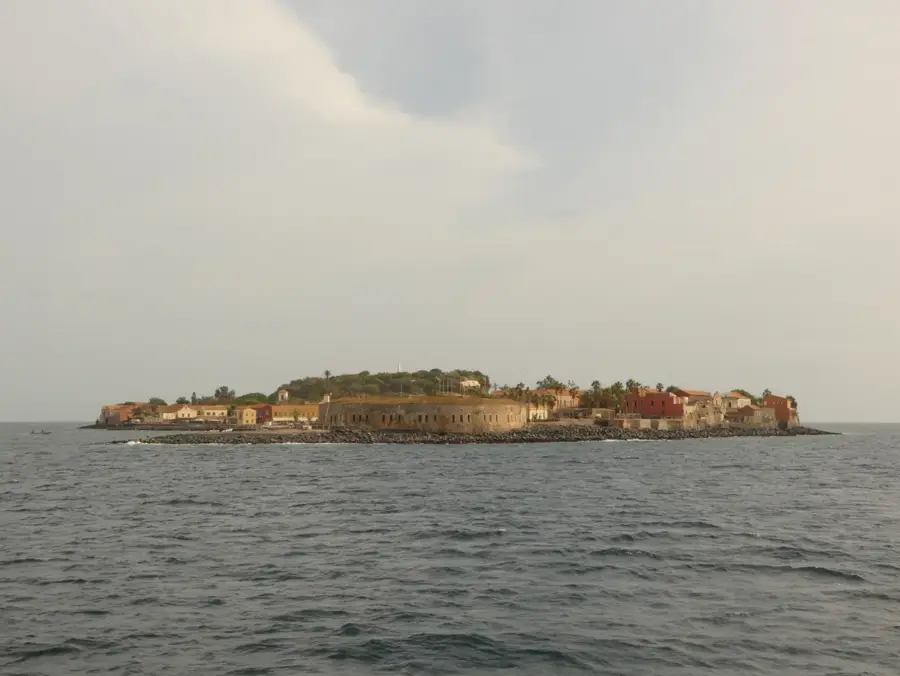
The House of Slaves (Maison des Esclaves) on Gorée Island, located off the coast of Dakar, is a poignant memorial to the Atlantic slave trade. Constructed in 1776 by the Dutch, the building functioned as a holding station and prison for Africans before they were shipped across the ocean to the Americas. The 'Door of No Return' is particularly symbolic, representing the final exit point from the African continent for the enslaved. Since opening as a museum in 1962 under the long-term curatorship of Boubacar Joseph Ndiaye, the house has welcomed millions of visitors, including dignitaries such as Nelson Mandela and Barack Obama. Gorée Island was designated a UNESCO World Heritage Site in 1978. Today, the building serves as a stark reminder of past atrocities and a venue for reflection, reconciliation, and education regarding the history of the African diaspora.

Best time to visit & climate

The most pleasant time to visit is Feb–Apr.

JanFebMarAprMayJunJulAugSepOctNovDec
Avg °C222121212225272728282724
Rain mm119363147919117049913

📋 Practical info

🚪
Visiting
The House of Slaves on Gorée Island is a museum open for interior visits. Entry usually requires a ticket, and the exhibitions document the history of the Atlantic slave trade.
🕒
Typical hours
The museum is typically open daily from around 10:00 to 12:30 and again from 14:30 to 17:00 or 18:00. Public holidays may bring changes, so check ahead.
📷
Photography
Photography is usually allowed in the exhibition rooms without flash to protect artifacts. The courtyard and the famous 'Door of No Return' make for powerful photo spots.
⏱️
Time needed
Allow about one hour to explore the museum and courtyard. If you use audio guides or special exhibits, budget 90 minutes.
Combine with
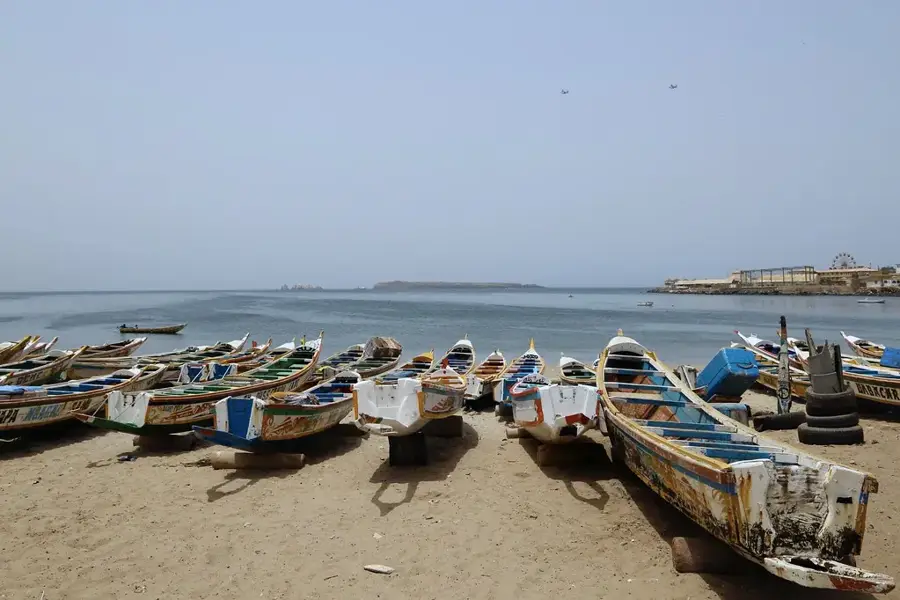
Gorée Island itself is a collection of historic buildings and beaches. Combine the museum with a walk around the island and a visit to Fort d'Estrées.
🧭
Getting there
Gorée is only reachable by ferry from Dakar, with multiple departures daily. From Gorée's harbour, the House of Slaves is a short walk away.
💡
Insider tip
Take time to absorb the emotional weight of the site, especially the 'Door of No Return'. Arrive early in the morning to avoid the biggest crowds.

Geography

Coordinates
14.66690, -17.39830

Facts

  • The building was originally constructed in 1776.
  • Gorée was designated as Senegal's first UNESCO World Heritage site in 1978.
  • The museum was officially opened to the public in 1962.
  • The famous 'Door of No Return' opens directly toward the ocean.
  • Boubacar Joseph Ndiaye served as the lead curator for over 40 years.
  • The island is located approximately 3 kilometers from the port of Dakar.

Explore nearby

Notable places around
Route planner — Car & Motorhome

Where do you start? We build the route here, with stops and country notes along the way.

Vehicle
Only stops with (optional):

© OpenStreetMap contributors · OpenRouteService

Sights in the town House of Slaves (Gorée) (5)

Rue Torte🌿 nature

Rue Torte is an outdoor viewpoint located along a winding path in the sn-dk-house-slaves-history-v2 area, offering clear sightlines over the surroundings.

Galerie Sant Serigne Fallou🏛 museum

Galerie Sant Serigne Fallou is a local art gallery space near sn-dk-house-slaves-history-v2, dedicated to displaying indoor visual exhibitions.

🕒 Jan-Dec: Mo-Fr 08:00-18:00, Mo-Su 08:00-18:00🆓

Coeur de Gorée🏺 historical

Coeur de Gorée is a standing monument in the sn-dk-house-slaves-history-v2 area, placed outdoors to commemorate the island's central heritage.

Ancien Musée de la Femme🏛 museum

The Ancien Musée de la Femme is an indoor museum space in the sn-dk-house-slaves-history-v2 district that historically housed the Henriette-Bathily women's exhibits.

Mémorial de Gorée🏺 historical

The Mémorial de Gorée is an elevated outdoor monument situated on the island's Castel hill within the sn-dk-house-slaves-history-v2 area.

Sights nearby

Frequently asked questions

How long does a visit to the House of Slaves take?
You should plan for about one hour to visit.
Are there fixed opening hours?
The museum is usually open from morning to afternoon; often closed on Mondays.
Is there an entrance fee for the House of Slaves?
Yes, there is a small entrance fee to maintain the memorial.
Is photography allowed in the House of Slaves?
Photography is allowed, but please be respectful of the sensitive nature of the site.
Is the house accessible for wheelchair users?
The historical architecture makes access for wheelchairs difficult.
House of Slaves (Gorée): where is it located?
House of Slaves (Gorée) is located in Senegal.
House of Slaves (Gorée): what is there to see?
Highlights include Rue Torte, Galerie Sant Serigne Fallou, Coeur de Gorée.
House of Slaves (Gorée): when is the best time to visit?
The most pleasant time to visit is Feb, Apr.
House of Slaves (Gorée): why is it worth visiting?

The House of Slaves (Maison des Esclaves) on Gorée Island, located off the coast of Dakar, is a poignant memorial to the Atlantic slave trade.
View on map → The Top 50 Attractions → OpenStreetMap →
Africa
Explore with Plizio Discover more places in Africa
More places in Senegal →

Nearby cities

History & landmarks
More places