Plizio Visual Lab
Kigali Genocide Memorial
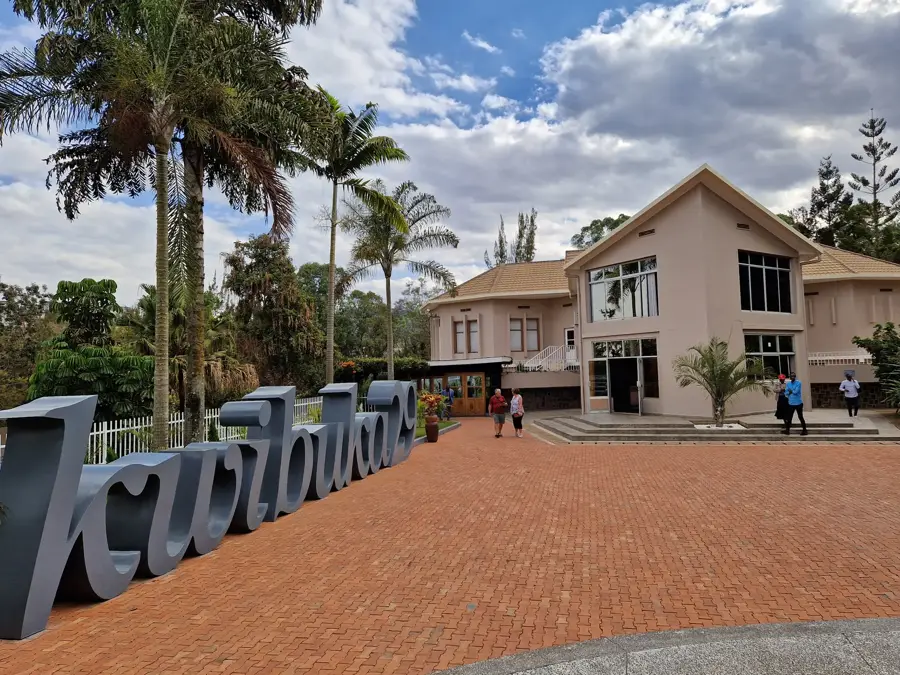
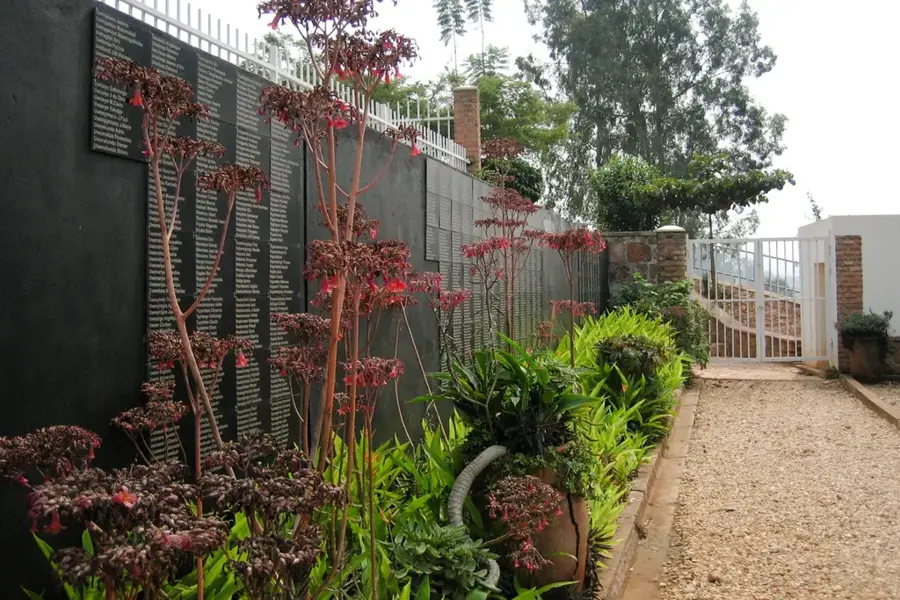
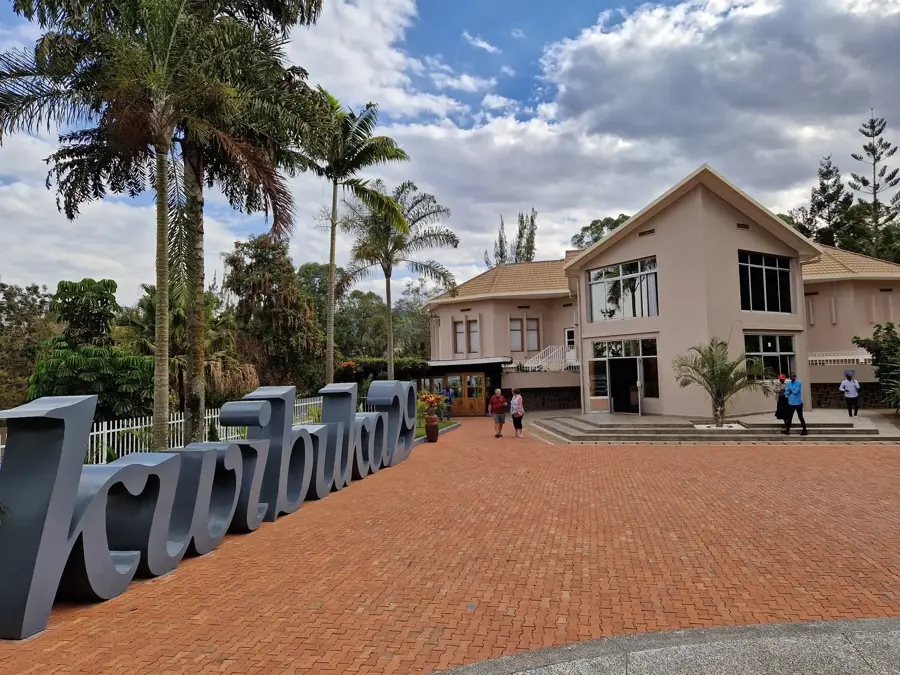
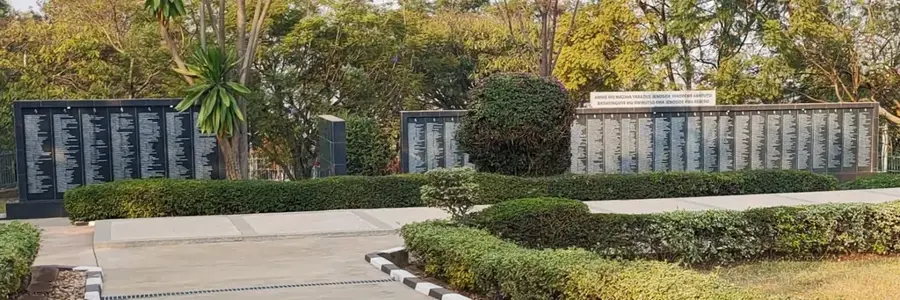
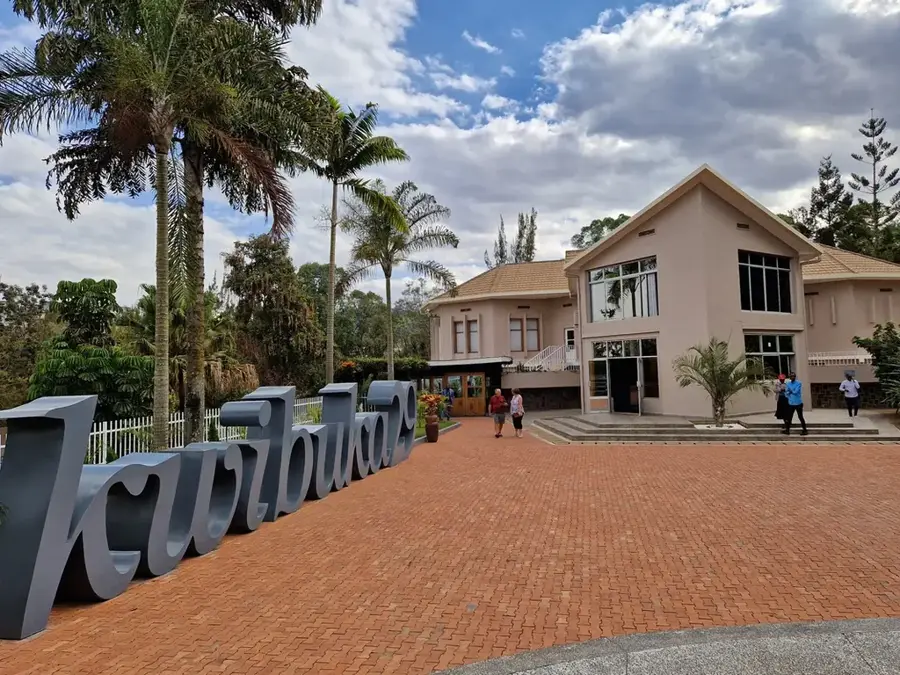
The Kigali Genocide Memorial was opened in 2004 on the 10th anniversary of the genocide. It serves as a central memorial and final resting place for more than 250,000 victims of the 1994 Genocide against the Tutsi. The center is divided into three permanent exhibitions: one documenting the 1994 genocide, a children's memorial for the youngest victims, and a third that explores other genocides around the world. The memorial was built on a site where mass graves were established. In addition to the exhibitions, it includes gardens of reflection, a documentation center, and the Genocide Archive of Rwanda. It plays a crucial role in educating about the horrors of the genocide and promoting peace and reconciliation in the country.
- Location: Rwanda
- Nearby: Kicukiro (8 km)
Best time to visit & climate
The most pleasant time to visit is Jun–Aug.
| Jan | Feb | Mar | Apr | May | Jun | Jul | Aug | Sep | Oct | Nov | Dec | |
|---|---|---|---|---|---|---|---|---|---|---|---|---|
| Avg °C | 20 | 21 | 20 | 20 | 19 | 19 | 19 | 20 | 21 | 20 | 19 | 20 |
| Rain mm | 96 | 102 | 154 | 178 | 139 | 50 | 31 | 56 | 88 | 129 | 160 | 109 |
📋 Practical info
Geography
Facts
- Final resting place for over 250,000 victims.
- Opened on the 10th anniversary of the genocide in 2004.
- Includes a separate children's memorial exhibition.
- Also documents other genocides around the world.
- Managed by the Aegis Trust on behalf of the government.
- Gardens of Reflection provide space for contemplation.
- Contains a comprehensive documentation center.
Explore nearby
Notable places around

Route planner — Car & Motorhome
Where do you start? We build the route here, with stops and country notes along the way.
© OpenStreetMap contributors · OpenRouteService
Sights in the town Kigali Genocide Memorial (1)
Sights nearby
Frequently asked questions
How much time should I plan for the visit?
Is there an entrance fee?
Is the memorial suitable for children?
What are the opening hours?
Is photography allowed inside?
Kigali Genocide Memorial: where is it located?
Kigali Genocide Memorial: when is the best time to visit?
Kigali Genocide Memorial: why is it worth visiting?

Nearby cities
History & landmarks


Nature
More places