Plizio Visual Lab

Tâmega River
Plizio editorial teamData Sources
River
—°9
Tâmega River (Portugal)

Weather…

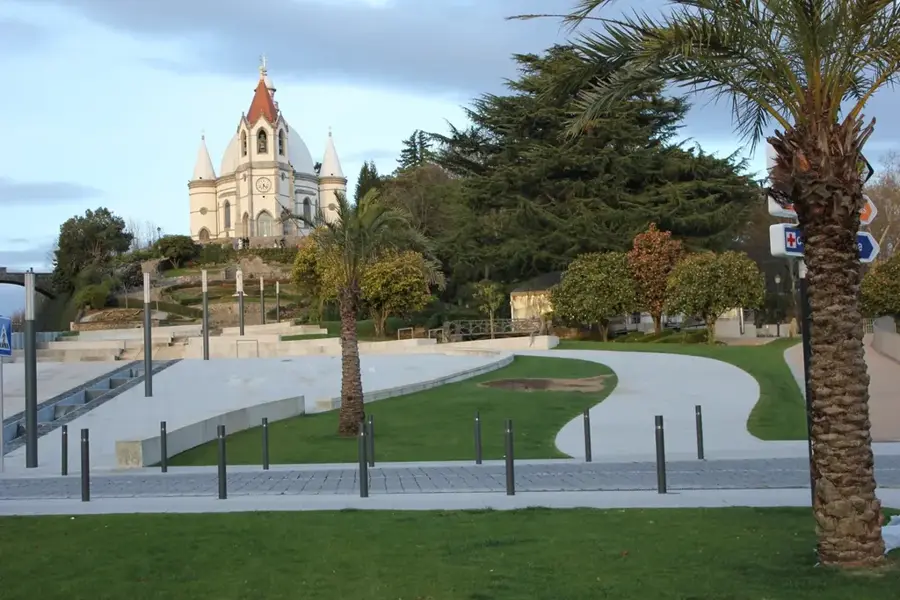
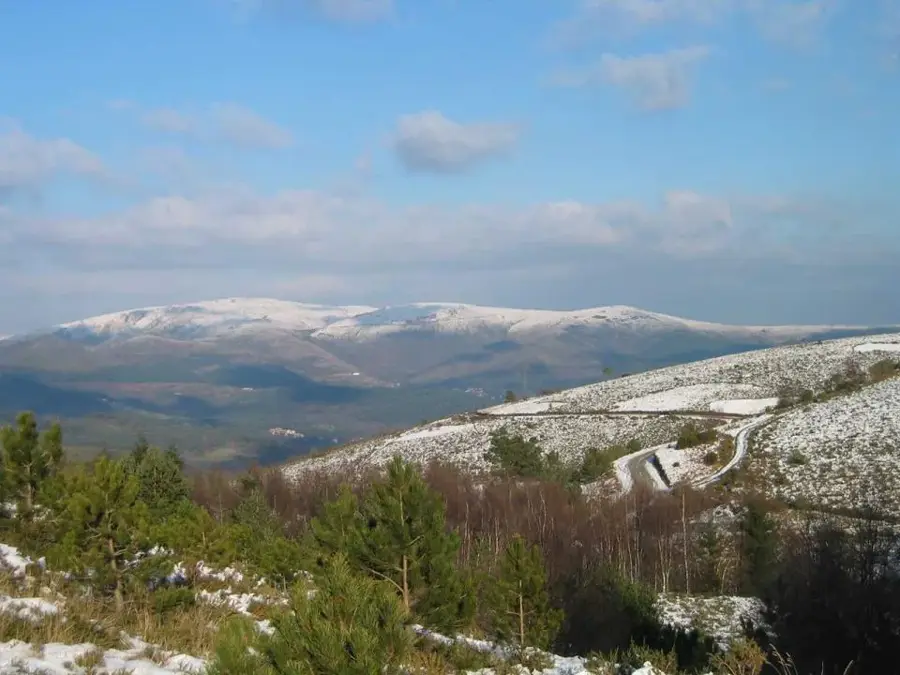
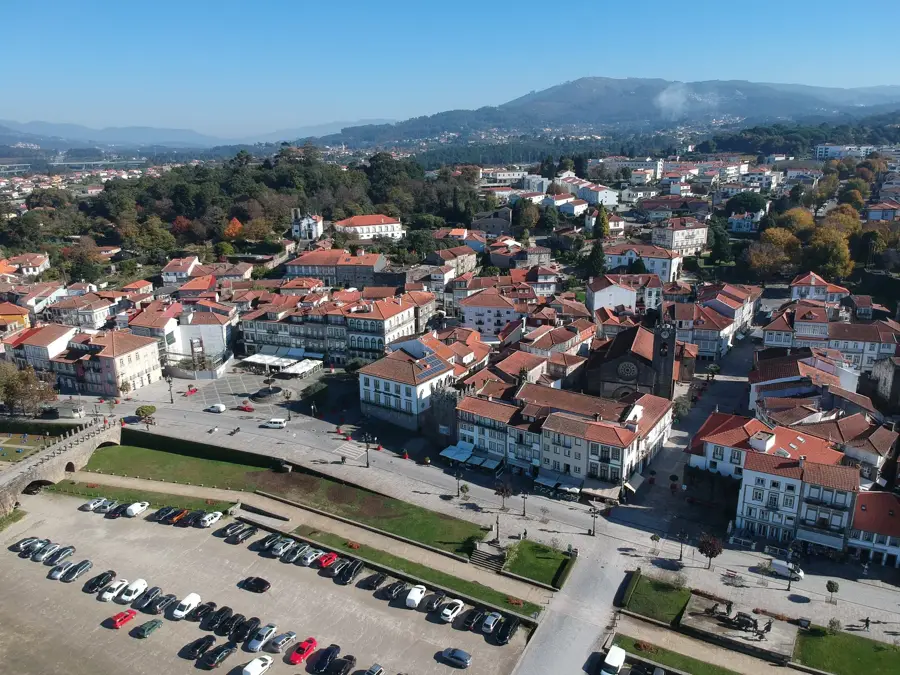
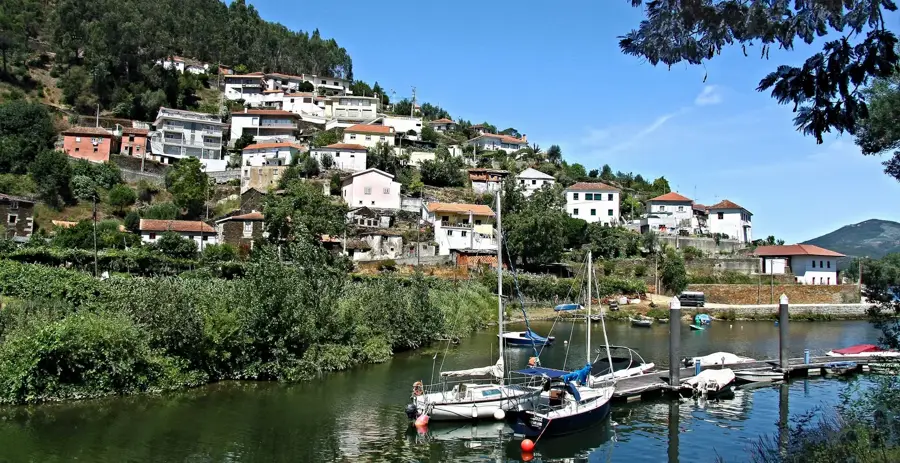
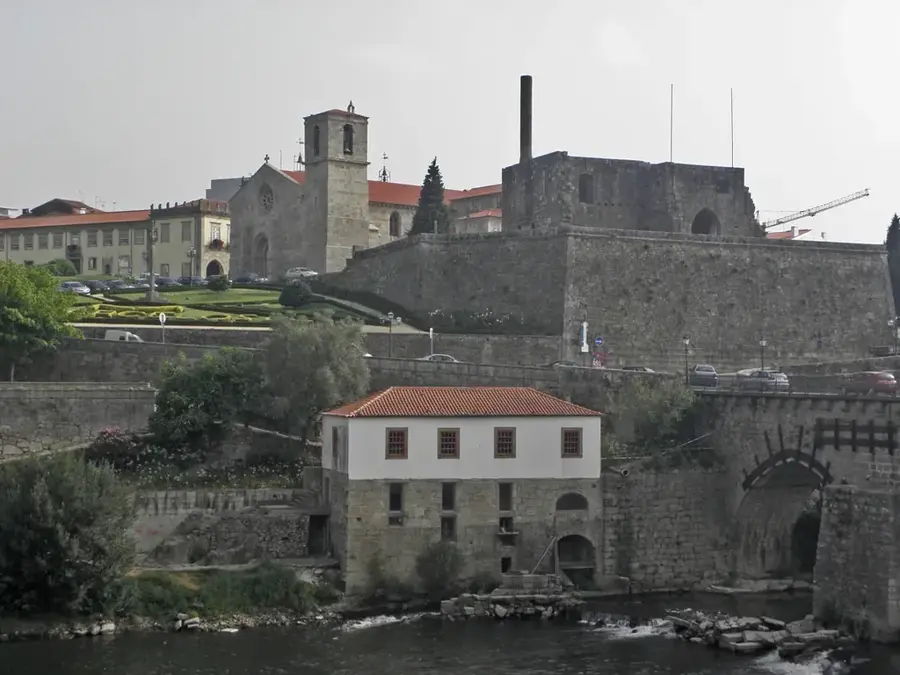
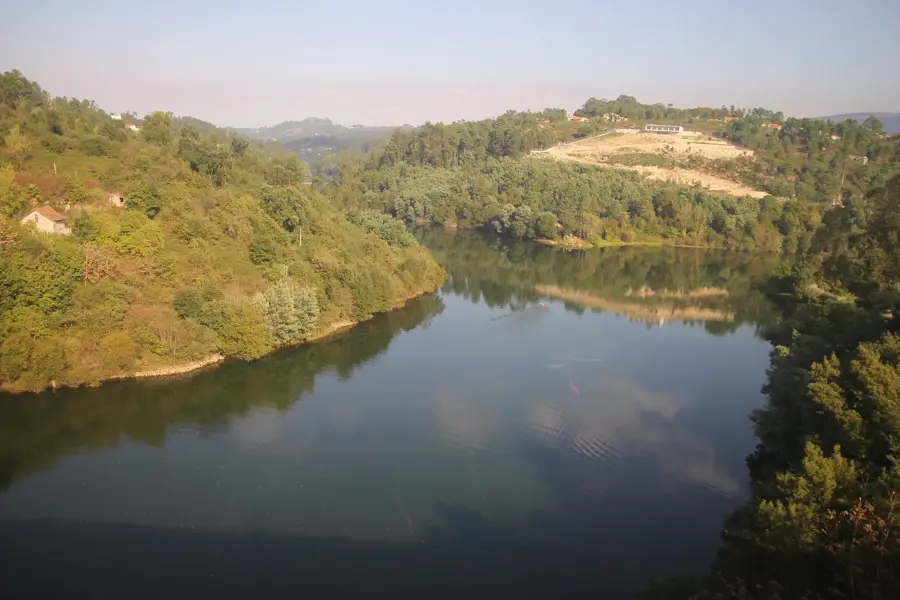
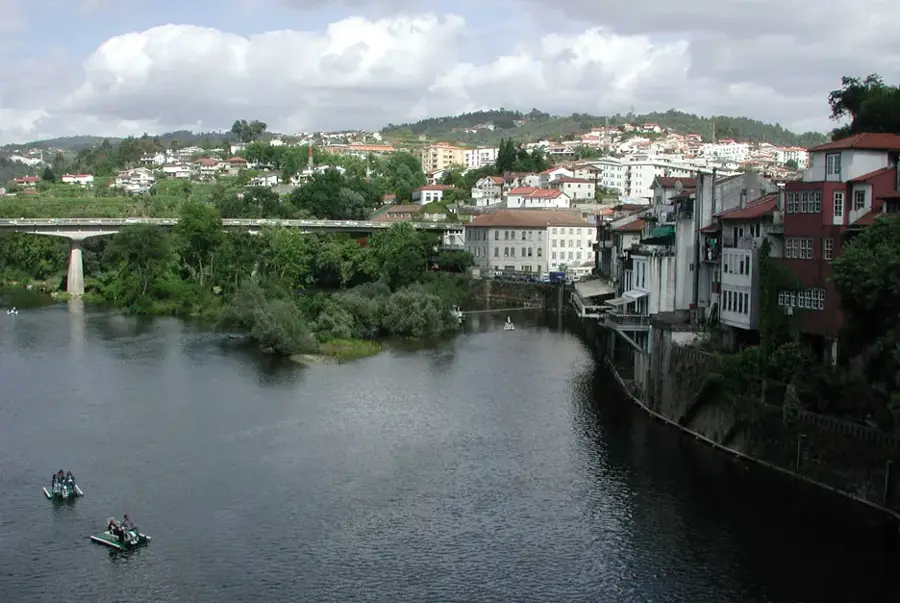
The Tâmega River is one of the principal tributaries of the Douro, originating in the Sierra de San Mamede in Galicia, Spain. It flows through northern Portugal for approximately 145 kilometers before joining the Douro at Entre-os-Rios. The river is celebrated for its scenic valleys and the historic settlements along its banks, notably the cities of Chaves and Amarante. Historically, the Tâmega was a vital artery for trade and regional defense, evidenced by iconic structures such as the Roman bridge in Chaves and the medieval São Gonçalo bridge in Amarante. The river basin supports a wide range of flora and fauna, although its natural flow has been significantly altered by the recent development of large-scale hydroelectric dams. These infrastructure projects generate substantial renewable energy but pose challenges for fish migration and aquatic biodiversity. Despite industrial interventions, the river remains a focal point for tourism, offering opportunities for fishing, canoeing, and riverside hiking. The surrounding valley is also renowned for its fertile lands and the production of the regional Vinho Verde wine.

Best time to visit & climate

The most pleasant time to visit is Jun–Aug.

JanFebMarAprMayJunJulAugSepOctNovDec
Avg °C6791115182121191497
Rain mm13495114905833142247134137120

📋 Practical info

🧭
Getting there
Reaching the riverbanks is typically straightforward via local roads branching off from larger regional routes, with Amarante serving as a major and easy on the eye central hub.
📅
Best season
Late spring to early autumn features the most favorable conditions for riverside enjoyment, avoiding the heavier winter rains that can significantly raise the water levels.
⛰️
Terrain & paths
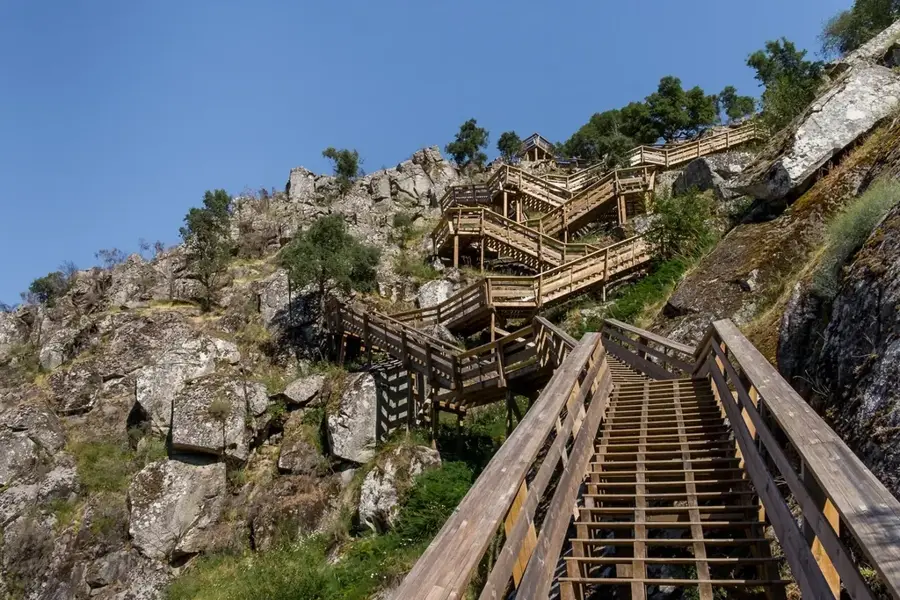
The terrain varies from flat, easily accessible riverfront promenades in urban areas to more rugged, uneven footpaths winding through the narrower sections of the river valley.
🎒
What to bring
Sturdy walking shoes are recommended for exploring beyond the town centers, along with a water bottle and insect repellent during the warmer, more humid summer months.
🅿️
Parking
Visitors can usually find public parking lots in the larger towns along the river, though spaces right next to the historic centers or popular swimming spots may be limited.
⚠️
Safety
Take care on uneven or slippery stones near the water's edge, and always assess the river currents carefully if you plan to wade or participate in any water-based activities.
⏱️
Time needed
A visit often lasts from one to three hours for a leisurely stroll and a meal near the water, though dedicated hikers might spend up to a full day exploring longer valley trails.

Geography

Coordinates
41.17000, -8.11000

Facts

  • The river flows for 145 kilometers from Spain to the Douro confluence
  • Its source is located in the Galician province of Ourense
  • The Tâmega Hydroelectric Complex is one of the largest in Europe
  • The historic bridge of São Gonçalo was a site of resistance against Napoleon
  • Important fish species in the river include trout and barbel
  • The river basin is a significant area for the Vinho Verde wine region

Explore nearby

Notable places around
Route planner — Car & Motorhome

Where do you start? We build the route here, with stops and country notes along the way.

Vehicle
Only stops with (optional):

© OpenStreetMap contributors · OpenRouteService

Sights in the town Tâmega River (9)

Torre de Nevões🏰 castle

The remains of a medieval tower located near the Tâmega River.

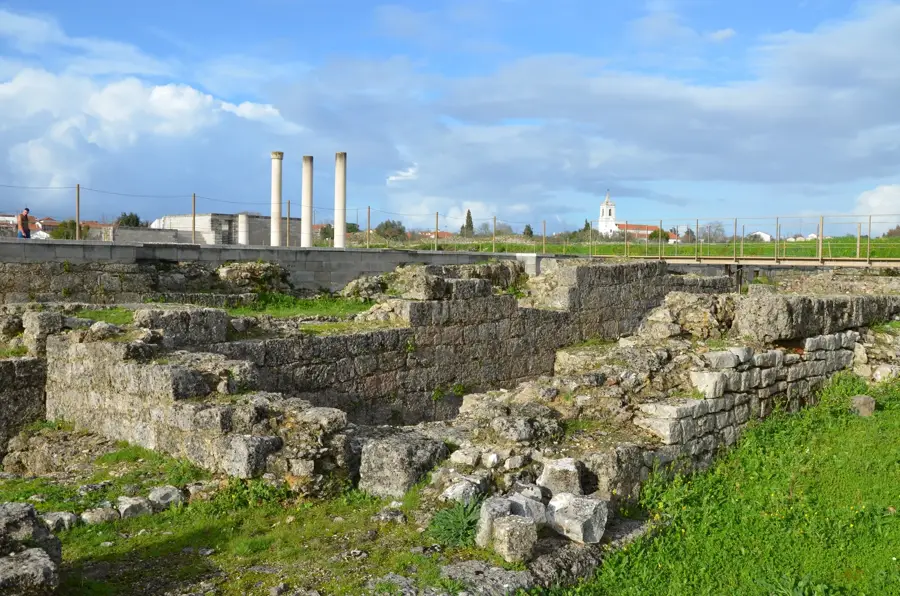
Área Arqueológica do Freixo🏺 historical

A significant archaeological site featuring the remains of a Roman city by the Tâmega.

Castro Soalhão🏺 historical

A prehistoric fortified settlement on a hilltop in the Tâmega region.

Mamoa 1 do Chão de Carvalhal - Cruz de Ferro🏺 historical

A Neolithic burial chamber in the archaeological landscape of the Tâmega River.

Praia da Pontinha🎡 recreation

Riverside beach on the banks of the Tâmega River, shallow water and green surroundings.

Museu Carmem Miranda🏛 museum

A museum located by the Tâmega River, dedicated to the life of artist Carmen Miranda.

Torre da Pena🏰 castle

A historic tower and castle ruin located near the Tâmega River.

Piscina Municipal🎡 recreation

Outdoor swimming pool on the banks of the Tâmega River, with multiple pools and green areas.

Caldas de Canavezes🎡 recreation

A traditional public bath located on the banks of the Tâmega River.

Sights nearby

Frequently asked questions

Where does the Tâmega River rise?
The river rises in Galicia (Spain) and then flows through northern Portugal.
Which well-known cities does the Tâmega flow through?
Important cities along the river are Chaves and Amarante.
Can you do water sports on the Tâmega?
Yes, canoeing and fishing are very popular, especially in the calmer sections.
Does the Tâmega flow into the Douro?
Yes, it is one of the most important right-bank tributaries of the Douro; the mouth is at Entre-os-Rios.
Are there river beaches on the Tâmega?
Yes, there are several beautiful river beaches (Praias Fluviais), for example in Amarante.
Tâmega River: where is it located?
Tâmega River is located in Portugal.
Tâmega River: what is there to see?
Highlights include Torre de Nevões, Área Arqueológica do Freixo, Castro Soalhão.
Tâmega River: when is the best time to visit?
The most pleasant time to visit is Jun, Aug.
Tâmega River: why is it worth visiting?

The Tâmega River is one of the principal tributaries of the Douro, originating in the Sierra de San Mamede in Galicia, Spain.
View on map → The Top 50 Attractions → Most beautiful beaches → OpenStreetMap →
Europe
Explore with Plizio Discover more places in Europe
More places in Portugal →

Nearby cities

History & landmarks