Festas de Nossa Senhora de La Salette
The most iconic festival of Oliveira de Azeméis takes place in the first week of August. It combines religious processions with concerts, a funfair and fireworks.
PlizioGo
A regional sweet treat originating from local bakeries. Look for these distinctive pastries in any traditional pastelaria in the city center.
Roasted veal is a staple of the broader regional cuisine. Look for family-run restaurants (tascas) offering it as a daily special.
A famous traditional bread baked in wood-fired ovens in the nearby parish of Ul. Find it at local markets or traditional grocery stores.
Given the city's industrial roots, look for local artisan shops selling handmade copper items or glass decorative pieces.
The central streets offer a mix of traditional family-run boutiques and modern stores for everyday shopping needs.
A sprawling park on a hill featuring lush gardens, a chapel, and fantastic viewpoints over the region.
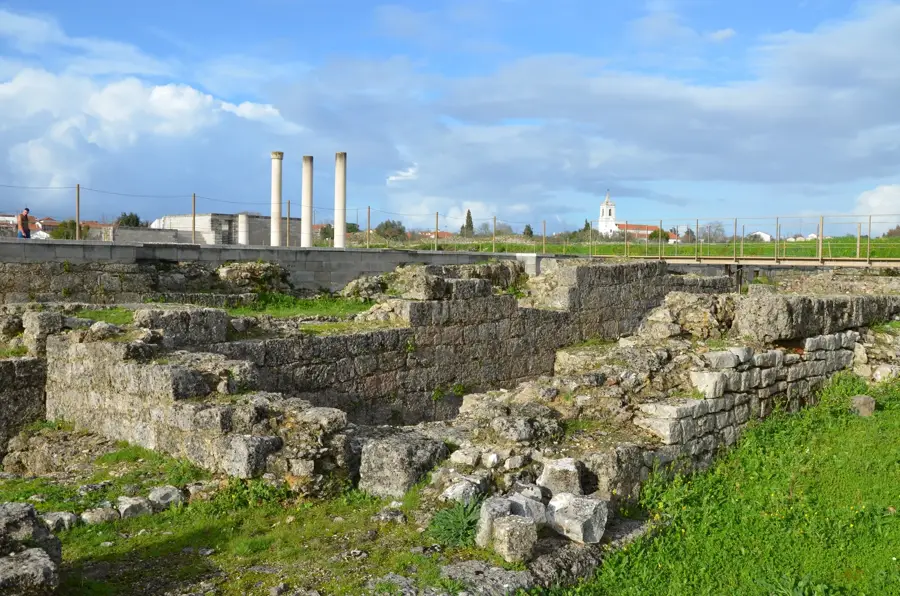
Located slightly out of town in Ul, this peaceful area showcases restored traditional watermills along the river.
Water temperature…
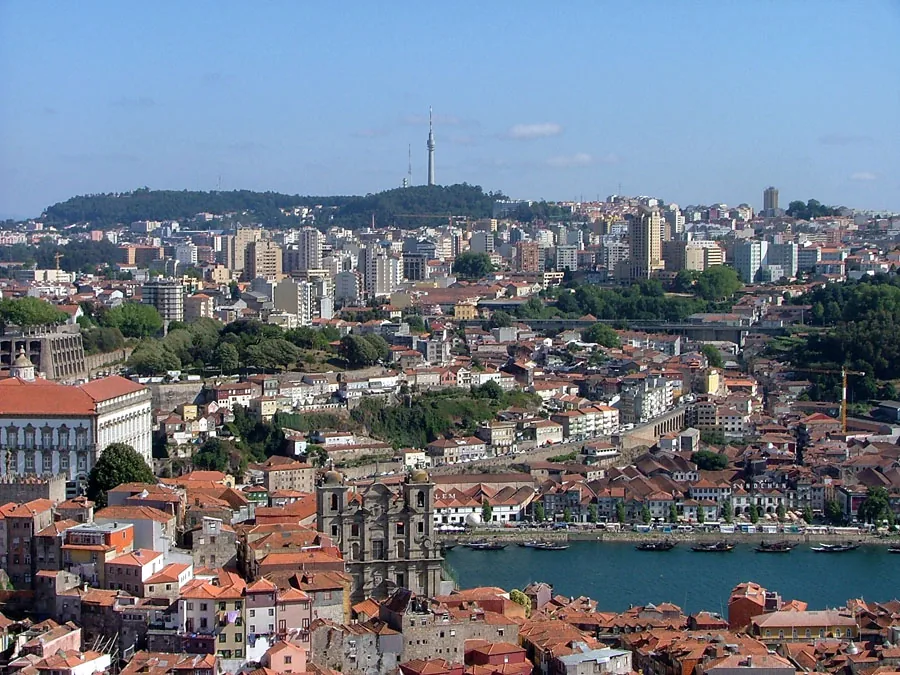
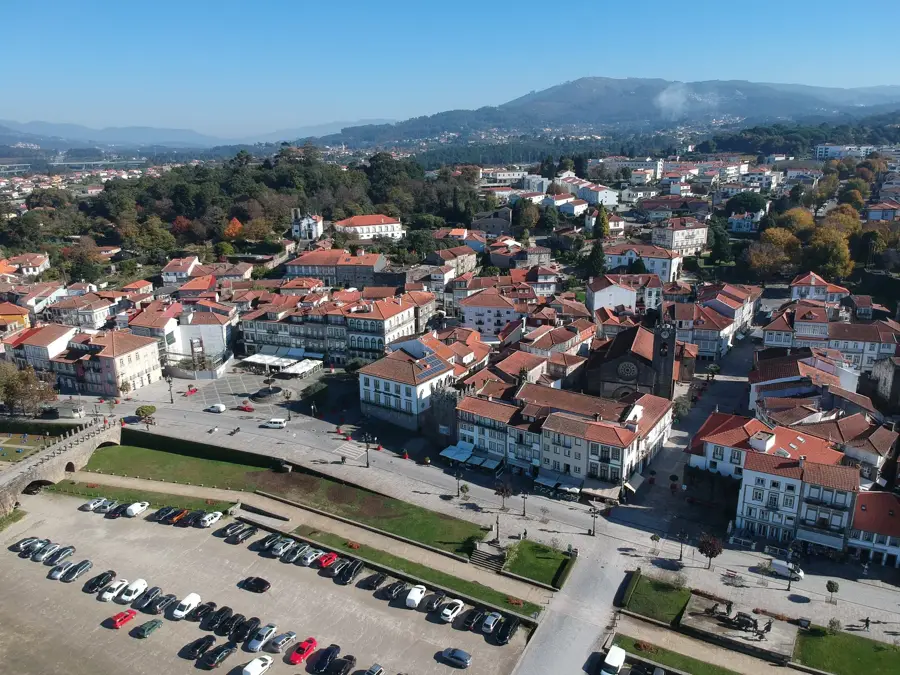
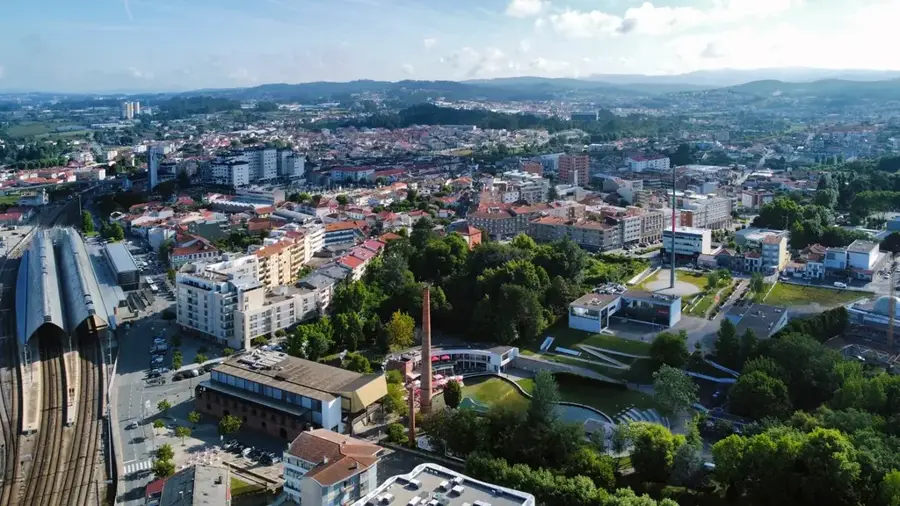
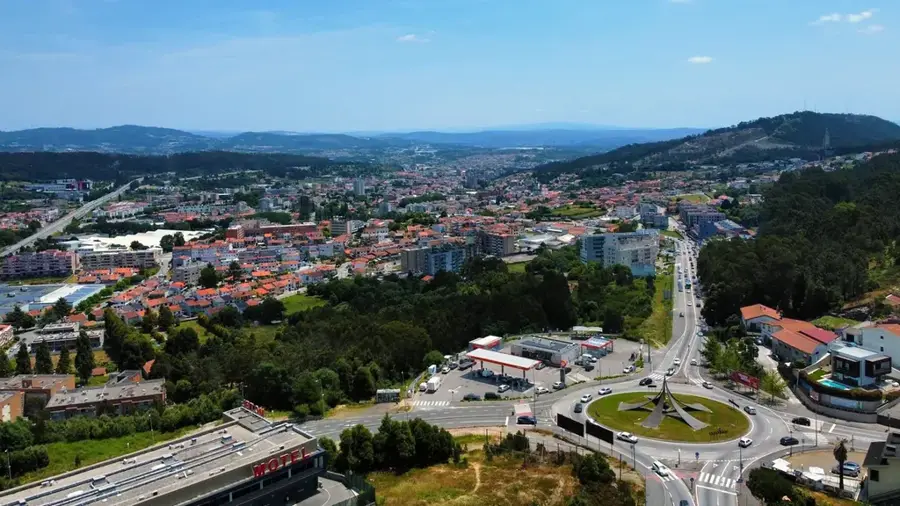
Oliveira de Azeméis is a thriving city in the Aveiro District and a cornerstone of the industrial and agricultural landscape of northern Portugal. Situated in a region of rolling hills, the city has a long-standing tradition in glassmaking and metalworking, with the craft of glassblowing deeply embedded in its local history. Economically, it is one of the most productive municipalities in the country, home to significant automotive component manufacturers and a robust rice processing industry. The city's crown jewel is the La Salette Park, widely regarded as one of Portugal's most beautiful urban green spaces, featuring a hilltop sanctuary dedicated to Our Lady of La Salette. The city is also famous for its culinary heritage, particularly the 'Pão de Ul' (traditional bread) and its varied rice dishes. Oliveira de Azeméis effectively balances modern industrial innovation with the preservation of its natural landscapes and cultural traditions.
The most pleasant time to visit is Jul–Sep.
| Jan | Feb | Mar | Apr | May | Jun | Jul | Aug | Sep | Oct | Nov | Dec | |
|---|---|---|---|---|---|---|---|---|---|---|---|---|
| Avg °C | 11 | 11 | 12 | 14 | 16 | 18 | 20 | 20 | 19 | 17 | 13 | 11 |
| Rain mm | 138 | 97 | 112 | 91 | 60 | 32 | 13 | 22 | 49 | 137 | 137 | 122 |
Notable places around
Where do you start? We build the route here, with stops and country notes along the way.
© OpenStreetMap contributors · OpenRouteService
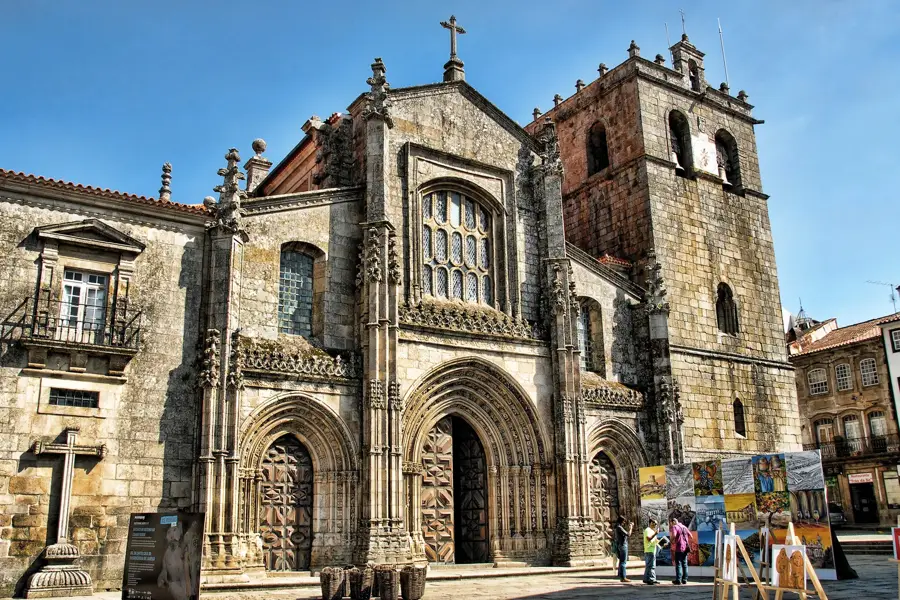
Start your walking tour in the historical heart of Oliveira de Azeméis at the Mother Church. During the morning, explore the cultural hub around the library and the regional museum. Spend a relaxing afternoon in the expansive La-Salette Park, an ideal spot for unwinding. Conclude the day with an insight into the town's industrial past at the Glassmaker's House.
Start your day inside the protective beauty of the Mother Church while it rains outside. The morning is dedicated to culture: the library and regional museum provide perfect shelters from the wet weather. Enjoy lunch in a cozy central restaurant. In the afternoon, a short, umbrella-clad walk in La-Salette Park is followed by a visit to the Glassmaker's House, ending the day in a fascinating indoor setting.
Enjoy the soft Portuguese winter light during a morning walk to the church. The morning leads you through cooler streets to the library and museum, where you can enjoy the warmth of culture. After a hearty local lunch, make the most of the daylight hours in La-Salette Park. As the sun sets around 17:30, the Glassmaker's House provides a cozy and well-lit conclusion to your winter day.
Start your bike tour in the green heart of the city, La-Salette Park. Cycle downtown to visit the Mother Church and the Regional Museum. In the afternoon, a longer ride takes you to the historic Mills and Castro of Ul, immersing you in ancient history. Finish the tour with a visit to the Casa de Vidreiro to learn about glassmaking heritage.
A rainy cycling day starts in La-Salette Park, where trees offer partial shelter. Cycle carefully to the church and museum in the city center. The longer stretch to the Mills of Ul leads through lush, wet landscapes that smell particularly fresh in the rain. After visiting the Castro de Ul, return to the Glassmaker's House to park your bike and recover in a dry environment.
Start refreshed in the cool morning light at La-Salette Park. The bike tour leads you quickly to the center's church and museum, where you can warm up in between. The ride out to Ul requires warm gloves but rewards you with clear views of the winter landscape. Visit Castro de Ul in the midday sun and finish your circuit as the early dusk sets in at the cozy Glassmaker's House.
Use the car's flexibility to explore the historic Ul cluster first. Walk from the castro to the mills. Then, drive to La-Salette Park for a lunch break and nature retreat. In the afternoon, park in the city center to discover the church, museum, and library on foot, before a final drive to Casa de Vidreiro to cap off the day.
Despite the rain, Oliveira de Azeméis is easy to explore by car. Start at Castro de Ul and the mills, where you can drive almost to the entrance. La-Salette Park offers beautiful views even from the car before visiting the church and museum in the center. Use the parking lots near the library and end your day dry at the Glassmaker's House.
A winter day by car allows you to enjoy the cool morning air at Castro de Ul and the mills before warming up again in the vehicle. Visit La-Salette Park at lunchtime when the light is brightest. In the afternoon, the cultural sites in the center – church, museum, and library – can be easily reached. The conclusion is at the Glassmaker's House, whose warm lights are especially inviting in the early winter dusk.