Plizio Visual Lab
Auschwitz-Birkenau Memorial
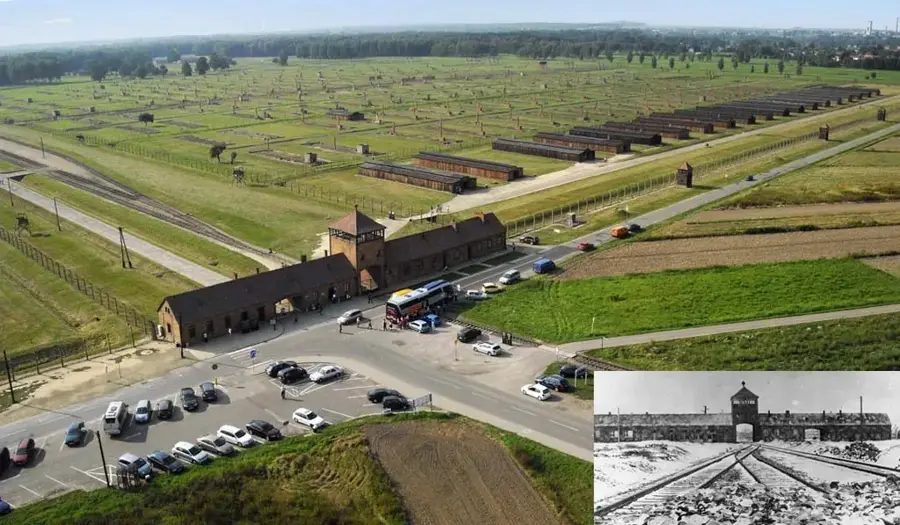
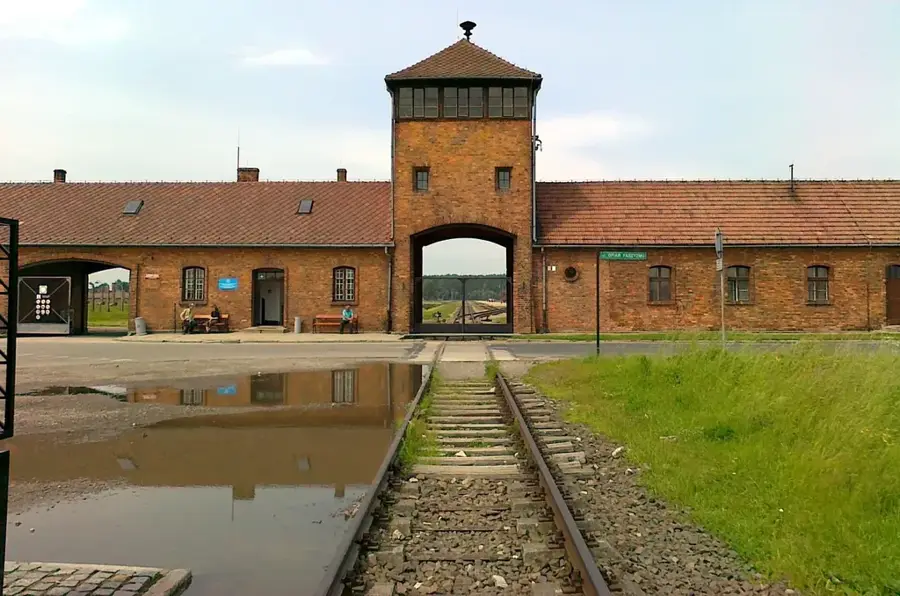
Auschwitz-Birkenau was the largest complex of Nazi concentration and extermination camps during World War II and stands today as the world's most significant memorial to the Holocaust. The site consists of two main parts: Auschwitz I, established in 1940 in former Polish army barracks, and the much larger Auschwitz II-Birkenau, built in 1941 to carry out the systematic mass murder of European Jews. It is estimated that over 1.1 million people, the vast majority being Jews, along with Roma, Sinti, Soviet prisoners of war, and Poles, were murdered here, mostly in gas chambers. The memorial preserves the ruins of crematoria, barracks, and kilometers of electrified barbed-wire fences that testify to the industrial scale of the Nazi genocide. Founded as a state museum in 1947, it serves as a global site for education and reflection. As a UNESCO World Heritage site, it remains a stark warning of the consequences of hatred and prejudice. The personal effects of the victims, such as piles of shoes, luggage, and hair, provide a haunting and direct connection to the individuals who suffered and died within its perimeter.
- Location: Poland
- Top sights: "Arbeit macht frei" Gate · Gallows · German Nazi Concentration Camp Auschwitz (Auschwitz I)
- Nearby: Brzeszcze (6 km)
Best time to visit & climate
The most pleasant time to visit is Jun–Aug.
| Jan | Feb | Mar | Apr | May | Jun | Jul | Aug | Sep | Oct | Nov | Dec | |
|---|---|---|---|---|---|---|---|---|---|---|---|---|
| Avg °C | -3 | -2 | 3 | 9 | 14 | 18 | 20 | 20 | 15 | 9 | 4 | -1 |
| Rain mm | 52 | 46 | 50 | 51 | 94 | 93 | 96 | 77 | 79 | 60 | 50 | 48 |
📋 Practical info
Geography
Facts
- Liberated by the Red Army on January 27, 1945
- Over 1.1 million people were murdered in the camp complex
- Designated a UNESCO World Heritage site in 1979
- Birkenau covers 191 hectares with over 300 ruined buildings
- The State Museum was founded on July 2, 1947
- International Holocaust Remembrance Day is held on the liberation date
Explore nearby
Notable places around
Route planner — Car & Motorhome
Where do you start? We build the route here, with stops and country notes along the way.
© OpenStreetMap contributors · OpenRouteService
Sights in the town Auschwitz-Birkenau Memorial (10)
Auschwitz-Birkenau State Museum🏛 museum
State museum and memorial on the site of the former camps.
Łęg Kamieniec
Nature reserve near Auschwitz, wetland area with rare plant species.
Hala dawnych OZNS (wcześniej także Weichsel-Union-Metallwerke Krupp
Ruins of the former OZNS armaments factory, later Krupp, in Auschwitz.
Łęg Stare Stawy
Nature reserve with old ponds and riparian forests near Auschwitz.
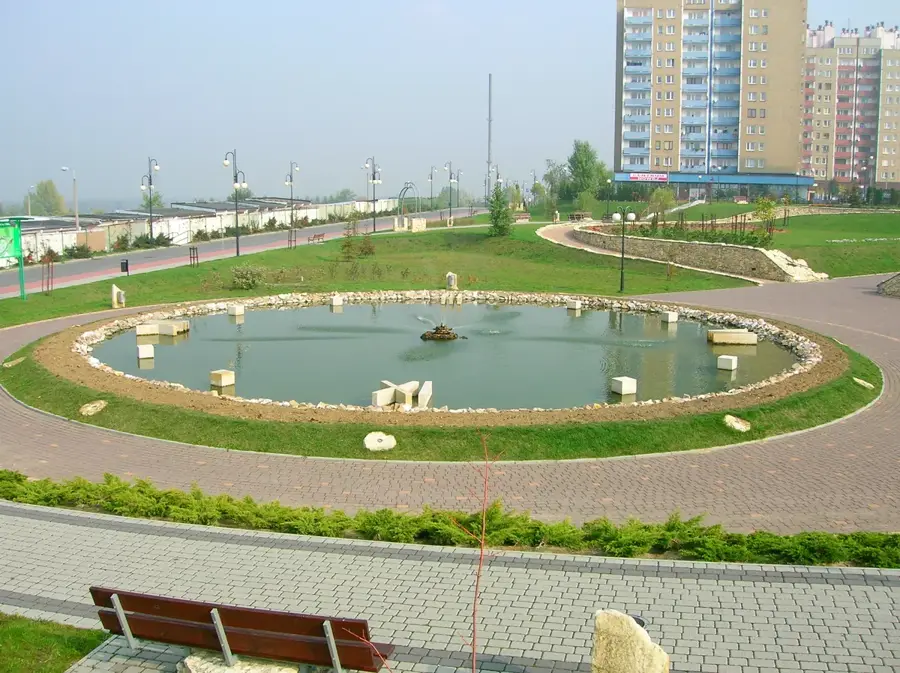
Fountain of Tears
Fountain of Tears, a monument commemorating the victims of the Holocaust.
Kościół pw. Najświętszej Maryi Panny Wspomożenia Wiernych
Church near Auschwitz, dedicated to Our Lady of Perpetual Help.
Sights nearby
Frequently asked questions
Do I need to book the visit in advance?
Is entry free?
How much time should I plan for both camps?
Is there an age restriction?
How to get from one camp to the other?
Auschwitz-Birkenau Memorial: where is it located?
Auschwitz-Birkenau Memorial: what is there to see?
Auschwitz-Birkenau Memorial: when is the best time to visit?
Auschwitz-Birkenau Memorial: why is it worth visiting?

Nearby cities