Plizio Visual Lab

Collao Plateau
Plizio editorial teamData Sources
Relief
—°1
Collao Plateau (Peru)

Weather…

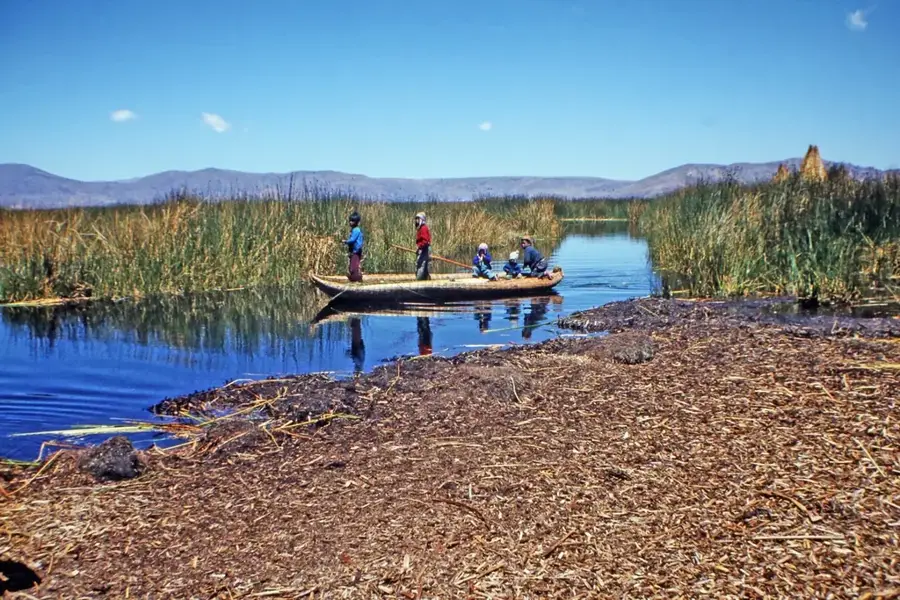
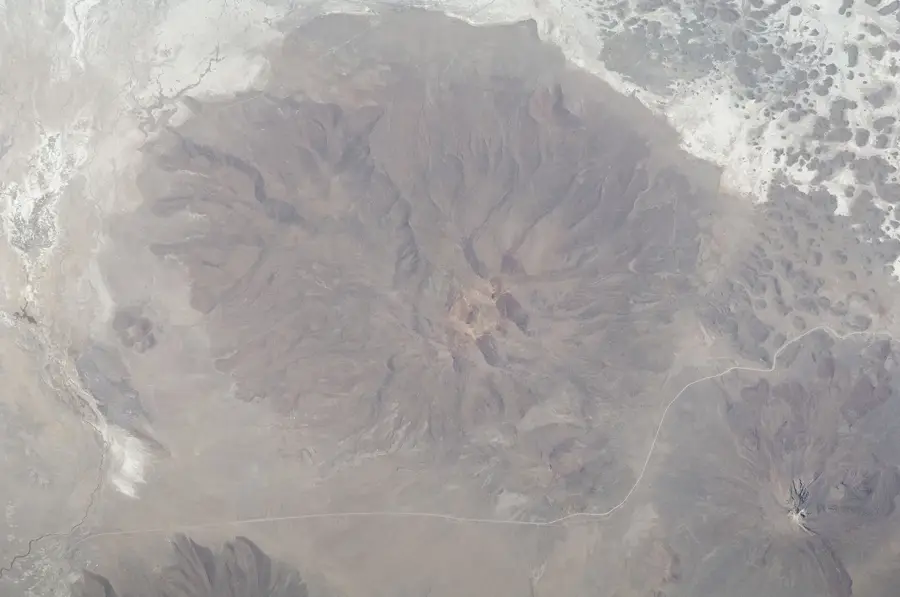
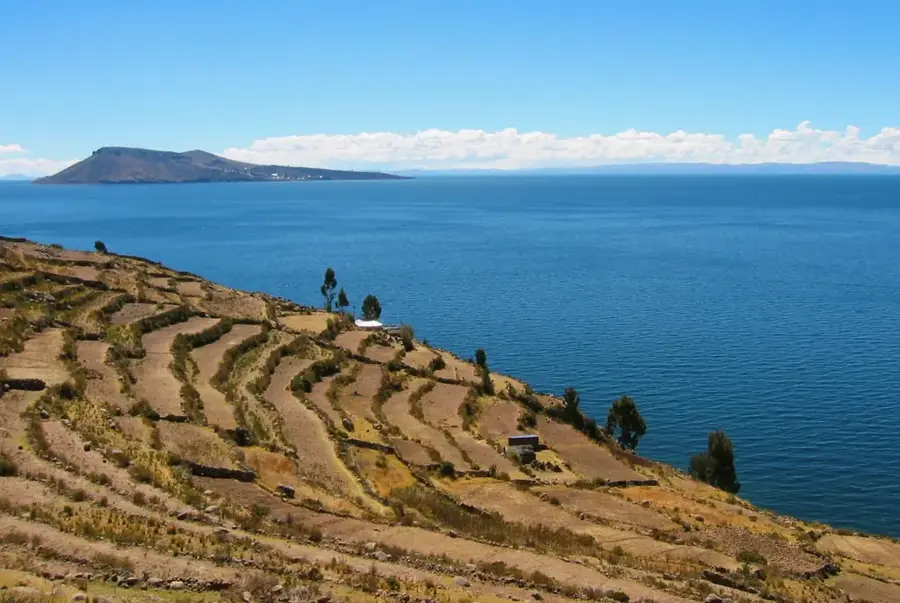
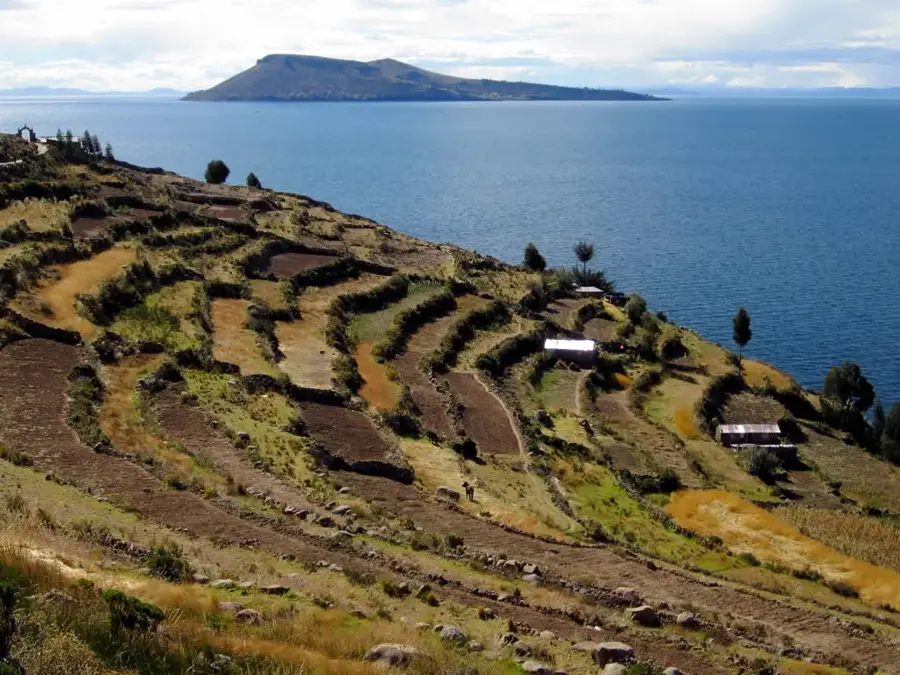
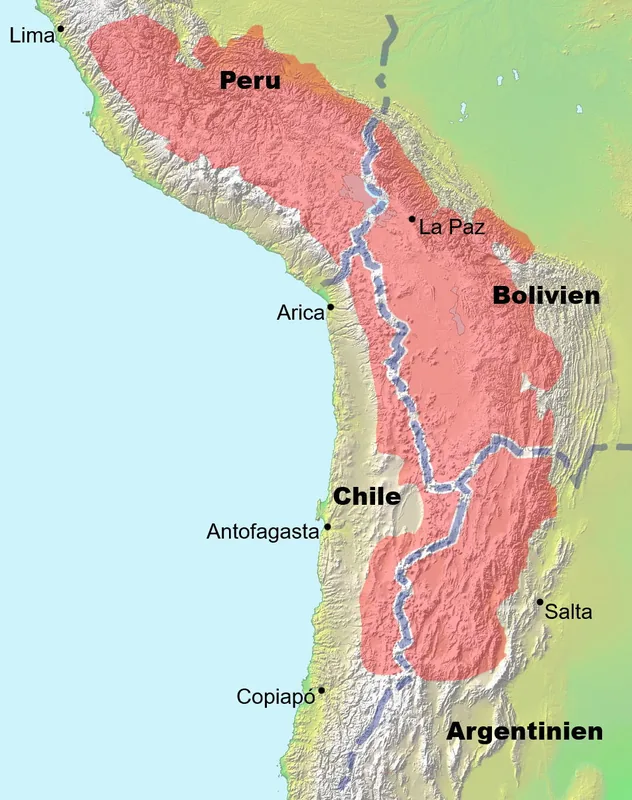
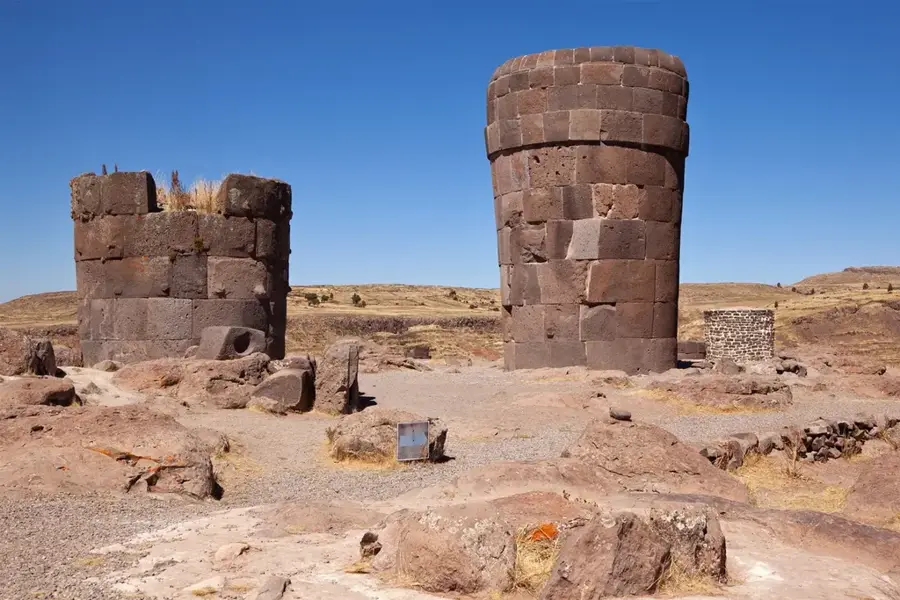
The Meseta del Collao, also known as the Altiplano, is a vast high-altitude plateau in the Andes, spanning parts of Peru and Bolivia. With an average elevation of about 3,800 meters, it is the second-largest high plateau in the world after the Tibetan Plateau. The center of the meseta is dominated by Lake Titicaca, the highest navigable lake on Earth, which plays a critical role in the region's climate and agriculture. Historically, this area was the cradle of significant cultures such as Tiwanaku and Pukara, and is the ancestral territory of the Aymara people. The landscape is characterized by wide grasslands known as the Puna, home to llamas, alpacas, and vicuñas. Despite extreme conditions with sharp temperature swings between day and night, the plateau has been inhabited for millennia. Its economic importance today centers on livestock herding and mining.

Best time to visit & climate

The most pleasant time to visit is Sep–Nov.

JanFebMarAprMayJunJulAugSepOctNovDec
Avg °C1111101087789101111
Rain mm9410267301124519412583

📋 Practical info

🧭
Getting there
The Collao Plateau, encompassing the Lake Titicaca region, is highly accessible via the city of Puno, which connects directly to major transportation routes and serves as the strategic staging area for most altiplano exploration.
📅
Best season
The most favorable period spans from April to October during the dry Andean winter, offering brilliant blue skies and clear visibility, despite the characteristically frigid nighttime temperatures common at this extreme elevation.
⛰️
Terrain & paths
The altiplano consists of a vast, sweeping highland plain bordered by imposing mountain peaks; while the central expanses are relatively flat and open, the sheer elevation creates a constant physical challenge for any walking activity.
🎒
What to bring
Comprehensive layering is absolutely essential to combat intense daytime solar radiation and freezing nights; high-quality sunglasses, heavy moisturizers, thermal wear, and specialized altitude-sickness medication are highly recommended.
🅿️
Parking
Urban centers like Puno provide numerous secure, paid parking garages suitable for rental vehicles, allowing travelers to safely leave their transport behind while undertaking multi-day boat tours or extended altiplano treks.
⚠️
Safety
Altitude sickness, or 'soroche', is the most significant health threat; strict acclimatization protocols must be followed, coupled with a cautious awareness of intense UV exposure and rapid, unpredictable high-altitude weather changes.
⏱️
Time needed
Visitors typically allocate anywhere from three to five days to properly experience the plateau, ensuring enough time for safe acclimatization, exploring local indigenous communities, and taking boat excursions on Lake Titicaca.

Geography

Coordinates
-15.50000, -70.00000

Facts

  • The plateau's average elevation is 3,800 meters above sea level.
  • Lake Titicaca covers an area of over 8,300 square kilometers.
  • The meseta is the world's second-highest plateau after Tibet.
  • Nighttime temperatures can drop as low as -20 degrees Celsius.
  • The region is the primary global center for alpaca livestock production.
  • The city of Puno is recognized as the folkloric capital of Peru on the plateau.

Explore nearby

Notable places around
Route planner — Car & Motorhome

Where do you start? We build the route here, with stops and country notes along the way.

Vehicle
Only stops with (optional):

© OpenStreetMap contributors · OpenRouteService

Sights in the town Collao Plateau (1)

Puente Coata📍 landmark

A vital crossing structure over the Coata River, set against the expansive, flat landscape of the high-altitude Andean plateau.

Sights nearby

Frequently asked questions

What is the Altiplano plateau?
A vast plateau between the Andean mountain ranges.
Is the altitude dangerous?
Yes, without acclimatization, altitude sickness can occur.
What is the main destination?
Lake Titicaca is the absolute highlight.
Do I need warm clothes?
Yes, temperatures drop sharply at night.
How to get there?
By plane or bus to Puno or Juliaca.
Collao Plateau: where is it located?
Collao Plateau is located in Peru.
Collao Plateau: when is the best time to visit?
The most pleasant time to visit is Sep, Nov.
Collao Plateau: why is it worth visiting?

The Meseta del Collao, also known as the Altiplano, is a vast high-altitude plateau in the Andes, spanning parts of Peru and Bolivia.
View on map → The Top 50 Attractions → OpenStreetMap →
South America
Explore with Plizio Discover more places in South America
More places in Peru →

History & landmarks

Nature

More places