Plizio Visual Lab

Puno Quinoa Fields
Plizio editorial teamData Sources
Agriculture
—°15
Puno Quinoa Fields (Peru)

Weather…

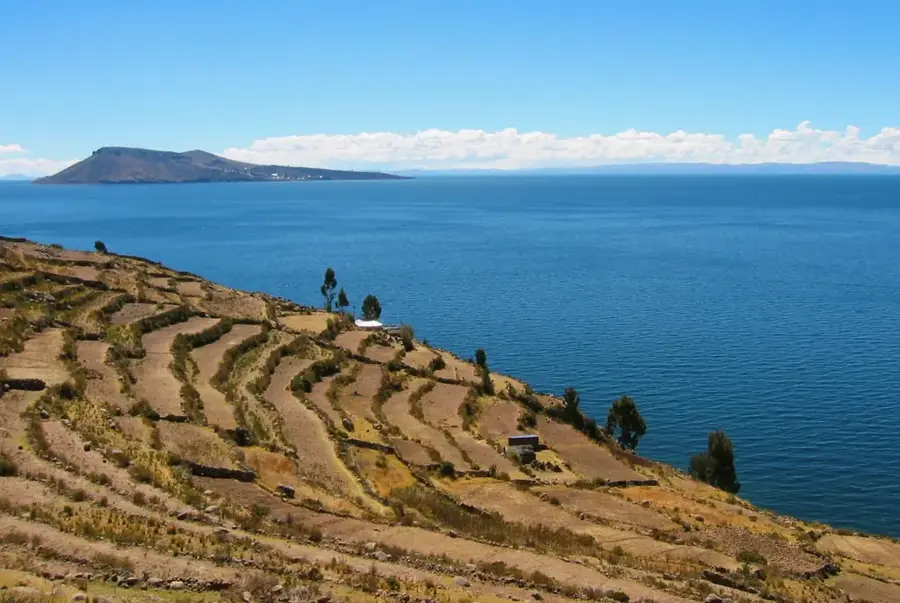
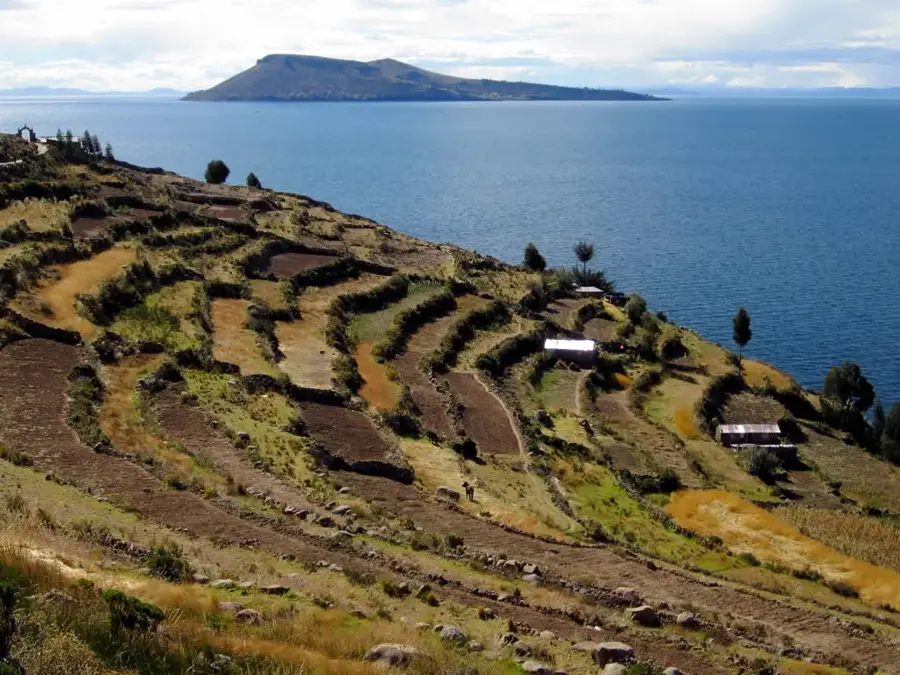
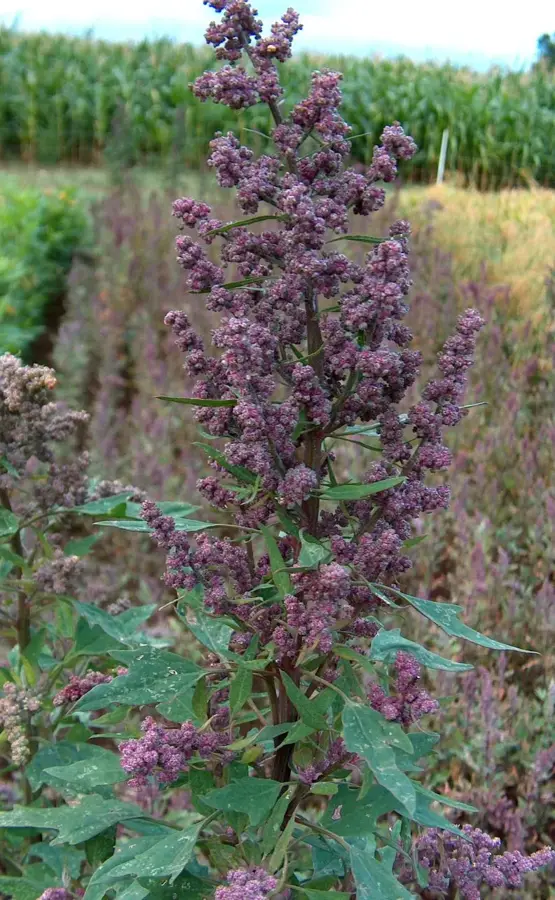
The quinoa fields of Puno on the Peruvian Altiplano are the global center for the production of this renowned 'superfood.' Quinoa (Chenopodium quinoa) has been cultivated in this region for over 5,000 years and was a staple food for the Inca Empire and earlier civilizations. The hardy plants thrive at altitudes of around 3,800 meters, enduring extreme climatic conditions such as intense solar radiation and freezing night temperatures. Puno is home to immense genetic diversity, with over 3,000 distinct varieties of quinoa that vary in color, nutritional profile, and flavor. In recent decades, surging international demand has led to an economic boon for local small-scale farmers. Cultivation often still relies on traditional Andean methods without synthetic fertilizers, highlighting the organic and ecological value of the crop. During harvest season, the vast, multi-colored fields provide a memorable visual contrast against the backdrop of Lake Titicaca. Quinoa is now recognized globally as a key crop for future food security and is actively promoted by the FAO.

Best time to visit & climate

The most pleasant time to visit is Apr, Oct, Nov.

JanFebMarAprMayJunJulAugSepOctNovDec
Avg °C99987656891010
Rain mm84926025924516342171

📋 Practical info

🏭
What is this place?
The Puno Quinoa Fields on the windy high plateaus around Lake Titicaca are the traditional growing region for the Andean superfood quinoa. They play a central role in local nutrition and for export.
🚪
Visiting
The fields are clearly visible along the roads between Puno and Copacabana and publicly accessible, but they are private farmland. Visitors can admire the rainbow-colored quinoa plants from viewpoints.
👀
Where to view it
The best viewpoint is Mirador Cerro Huayna Picchu near Puno, overlooking the terraced fields and Lake Titicaca. Taquile Island also has a panoramic view over the quinoa fields on the slopes.
🧺
Local products
Quinoa in various colors (white, red, black) is sold at local markets in Puno and around Lake Titicaca. Quinoa flour and quinoa snacks are also available regional specialties.
📆
Active season
The quinoa harvest season in the Altiplano region is from April to June, when fields are most colorful. Sowing occurs between September and November, when the rainy season begins.
Nearby
A visit to the quinoa fields can be combined with a boat trip on Lake Titicaca to the floating Uros islands. The islands of Taquile and Amantaní also offer cultural experiences and further panoramic views.

Geography

Coordinates
-15.83330, -70.01660

Facts

  • Peru is the world's leading producer and exporter of quinoa.
  • The Puno region produces more than 40% of Peru's total quinoa output.
  • Over 3,000 genetic varieties of quinoa are preserved and grown in Peru.
  • Quinoa is a pseudocereal belonging to the Amaranthaceae family.
  • The crop can be successfully cultivated at altitudes up to 4,000 meters.
  • The United Nations declared 2013 as the International Year of Quinoa.

Explore nearby

Notable places around
Route planner — Car & Motorhome

Where do you start? We build the route here, with stops and country notes along the way.

Vehicle
Only stops with (optional):

© OpenStreetMap contributors · OpenRouteService

Sights in the town Puno Quinoa Fields (15)

Mirador de Ventilla🌿 nature

A terraced observation deck that overlooks the densely packed hillside neighborhoods of the city and the distant lake harbor.

Coca & Customs Museum🏛 museum

This specialized gallery exhibits colorful regional dance costumes alongside exhibits detailing the deep traditional significance of the coca leaf.

🕒 Mo-Sa 09:00-19:00; Su 15:00-19:00

Museo Carlos Dreyer🏛 museum

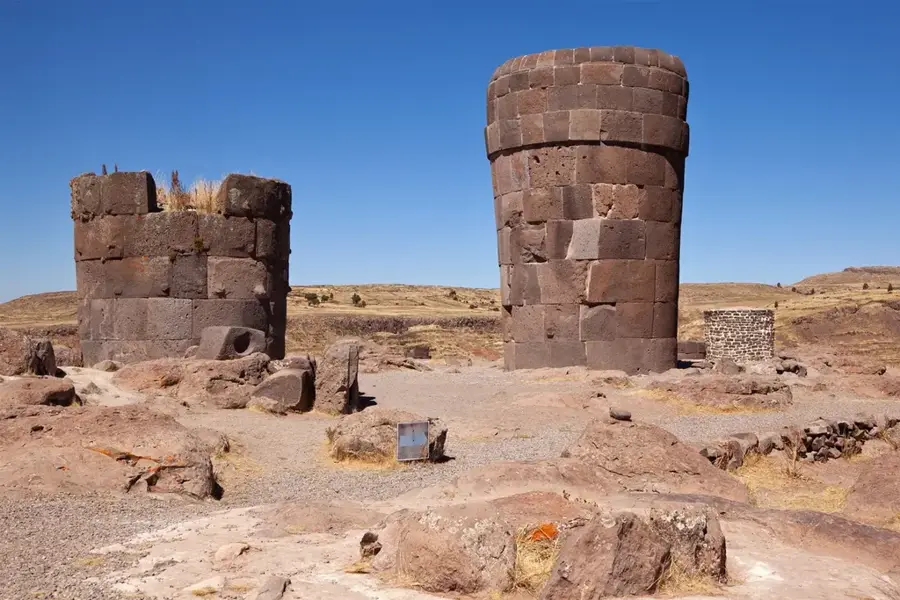
Housed in a colonial building, this municipal museum features an impressive collection of pre-Inca gold pieces and ancient mummies from Sillustani.

Museo Marina de Guerra🏛 museum

Situated near the docks, this maritime museum displays nautical instruments and models chronicling Peru's naval history on the world's highest navigable lake.

Rocas Viejas📍 landmark

A rugged outcropping of naturally sculpted, weathered boulders that stand out against the surrounding high-altitude plains.

Uros floating islands📍 landmark

Remarkable artificial islets crafted entirely from interwoven totora reeds, where the indigenous Uros people maintain their traditional aquatic lifestyle.

Yordy private tour to floating islands📍 landmark

A specialized local boating service offering personalized excursions across the lake to closely observe the woven reed settlements.

Mirador Puma Uta🌿 nature

Guarded by a massive stone monument of a puma, this high-altitude terrace provides sweeping, panoramic views of the city center and the expansive lake.

Mirador Kuntur Wasi🌿 nature

Accessible via a long flight of stairs, this hilltop lookout is crowned by a giant metal condor statue and overlooks the entire urban basin.

Parroquia Nuestra Señora de la Merced⛪ religious

A prominent parish church featuring classical architectural lines and serving as a central gathering place for the devout local Catholic community.

Parroquia Franciscana San Antonio de Padua⛪ religious

This Franciscan parish features a humble, neatly maintained facade and provides a calm environment for contemplation away from the bustling city streets.

Santuario De La Virgen De Cancharani⛪ religious

Set into the hillside, this significant religious sanctuary is the destination of a major annual procession honoring the Virgin of Cancharani.

Mercado ropa usada deportiva🎭 culture

A specialized local market in the Puno area offering a wide variety of second-hand sportswear and athletic gear.

Mercado ropa usada empieza🎭 culture

A bustling market section in Puno where local vendors gather to sell affordable second-hand clothing.

Parador turístico artesanal🎭 culture

A scenic marketplace where travelers can purchase traditional Andean handicrafts and textiles directly from Puno artisans.

Sights nearby

Frequently asked questions

Why is Puno famous for quinoa fields?
The region around Puno gives the convenient highland climate for this nutrient-rich plant.
When do the quinoa fields bloom?
The fields typically turn lively just before the harvest between April and June.
Can you visit the fields?
Yes, you can admire the agricultural splendor while walking near Puno.
Is quinoa an important part of the local culture?
Absolutely, it is a staple food and an integral part of the diet in this region.
Are there quinoa products to buy there?
You can find a great variety of quinoa types in the local markets in Puno.
Puno Quinoa Fields: where is it located?
Puno Quinoa Fields is located in Peru.
Puno Quinoa Fields: what is there to see?
Highlights include Mirador de Ventilla, Coca & Customs Museum, Museo Carlos Dreyer.
Puno Quinoa Fields: when is the best time to visit?
The most pleasant time to visit is Apr, Oct, Nov.
Puno Quinoa Fields: why is it worth visiting?
The quinoa fields of Puno on the Peruvian Altiplano are the global center for the production of this renowned 'superfood.' Quinoa (Chenopodium quinoa) has been cultivated in this region for over 5,000 years and was a staple food for the Inca Empire and earlier civilizations.
View on map → The Top 50 Attractions → OpenStreetMap →
South America
Explore with Plizio Discover more places in South America
More places in Peru →

History & landmarks

Nature

More places