Plizio Visual Lab
Piura
ℹ️Practical info — Piura
▾
🌤 Weather — 5 days
📍 Nearby
Sights nearby
💡 Tips
- Avoid the midday sun; Piura is one of the hottest cities in Peru. Locals usually take a siesta between 1:00 PM and 4:00 PM.
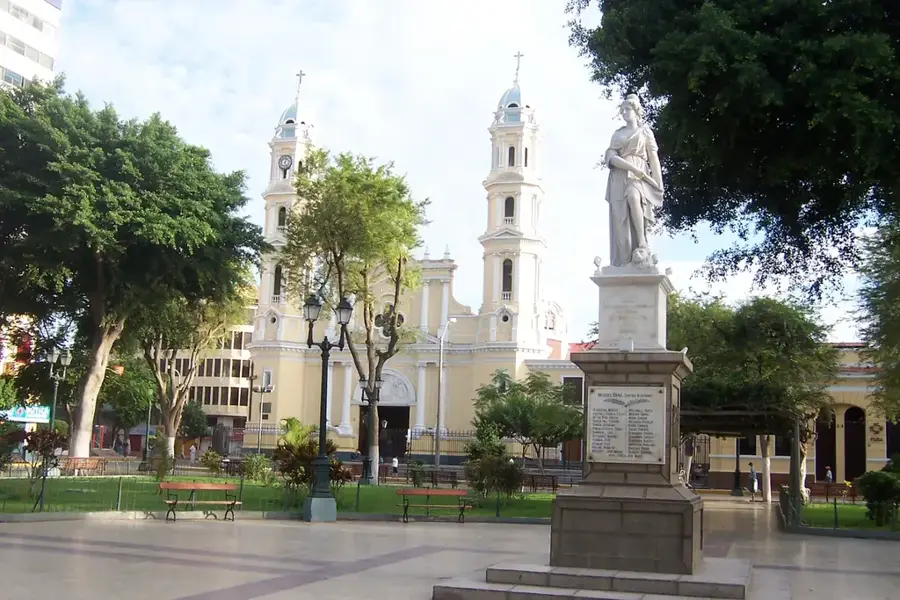
- Visit the Plaza de Armas in the evening when the temperature drops and the city's social life begins.
- For handicrafts, head to the nearby village of Catacaos, famous for its silver filigree and straw hats.
- Use 'mototaxis' for short trips within the city, but always agree on the price before starting the ride.
- Try the local 'Cebiche Piurano', which is unique for its use of 'zarandaja' beans compared to the Lima version.
🍽 Food
A traditional dish made of mashed green plantains and dried meat, usually found in the restaurants of Catacaos.
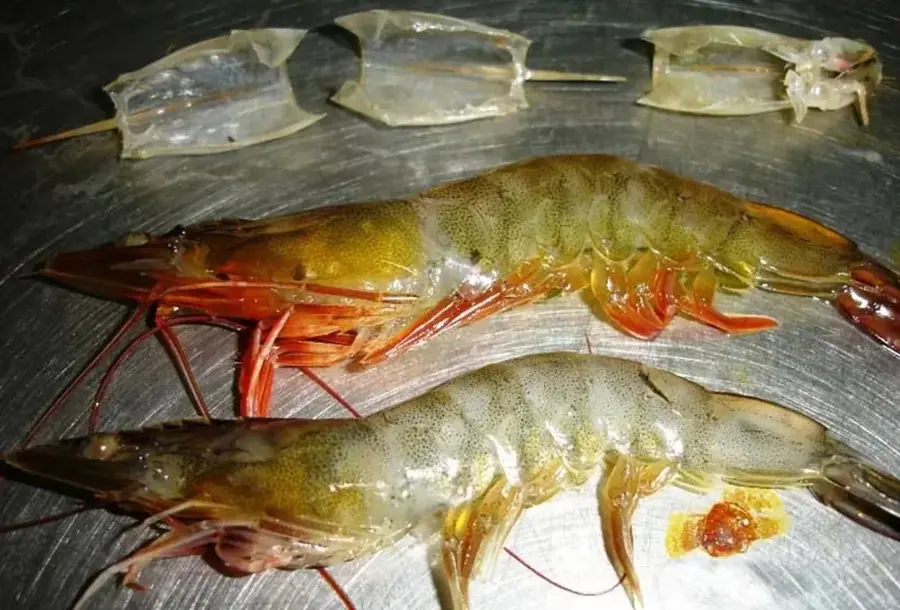
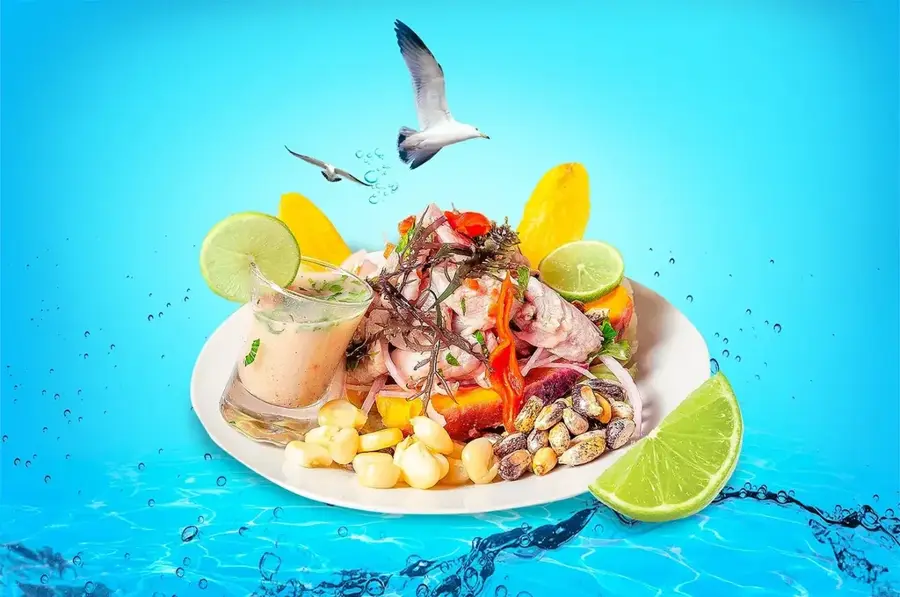
Piura is famous for fresh grouper cebiche; look for specialized 'Cebicherías' in the city center.
A fermented corn drink served in traditional 'Picanterías', often identified by a white flag outside the door.
🛍 Shopping · 🧘 Quiet spots
The main shopping street for silver filigree jewelry and hand-woven toquilla straw hats.
A lively market, first-rate for buying local fruits, algarrobina (carob syrup), and chifles (plantain chips).
A natural park on the outskirts of the city, well-suited for a quiet walk away from the urban noise.
Although central, the shaded benches under the tamarind trees offer a peaceful spot during the morning hours.
Water temperature…
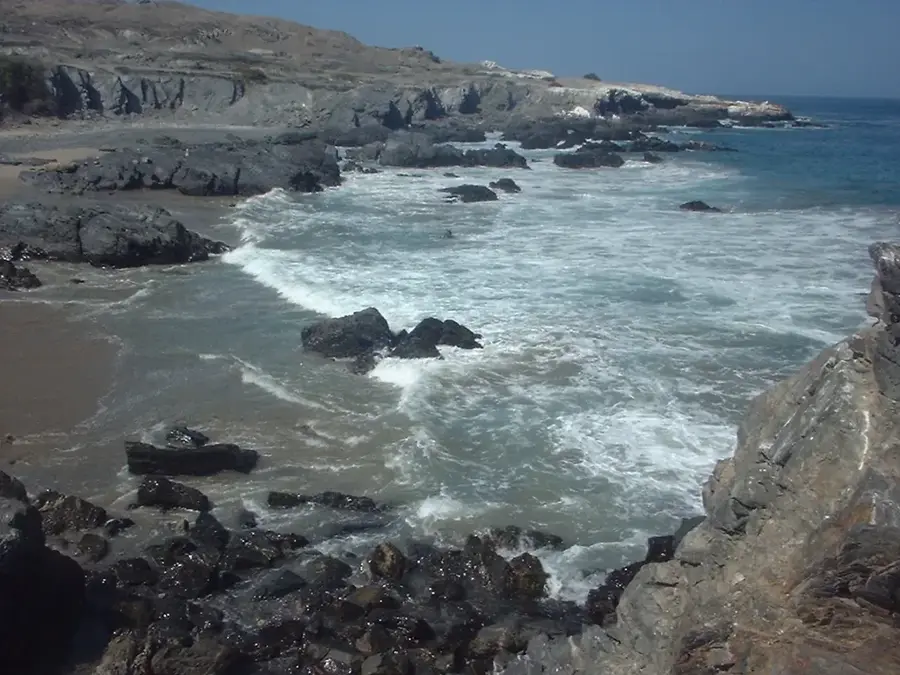
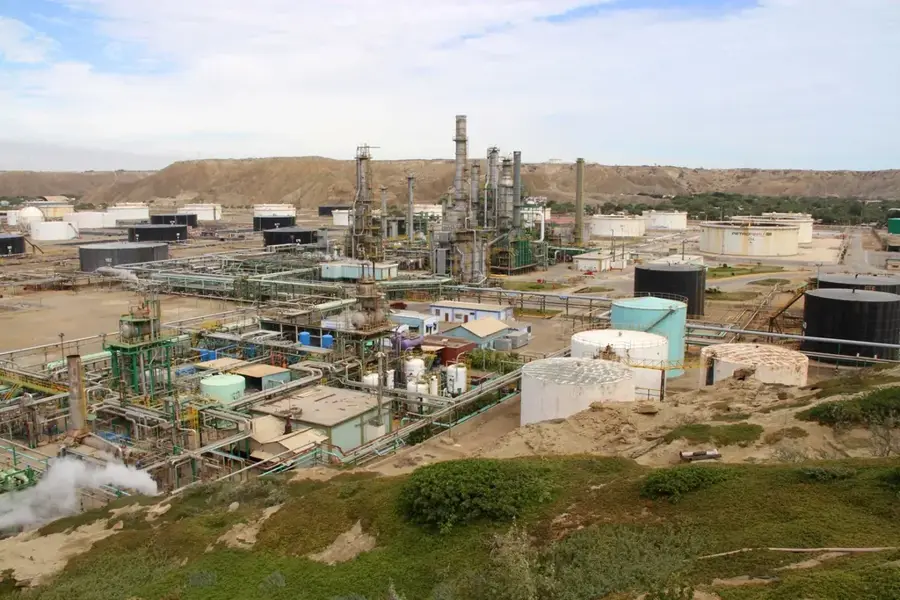
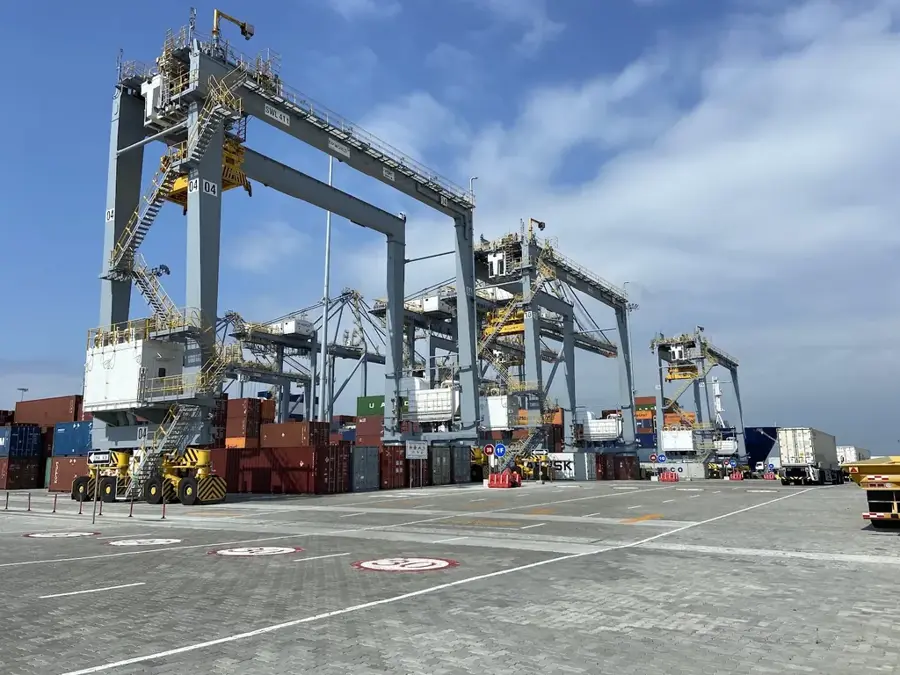
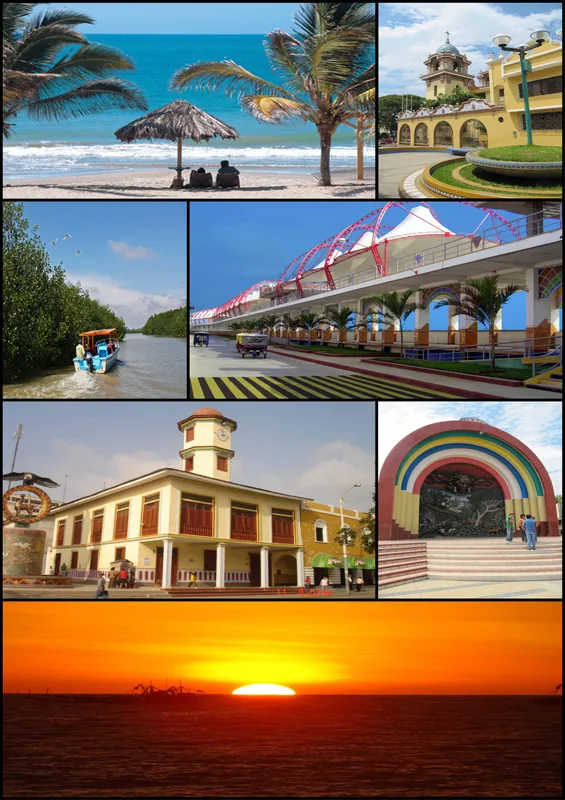
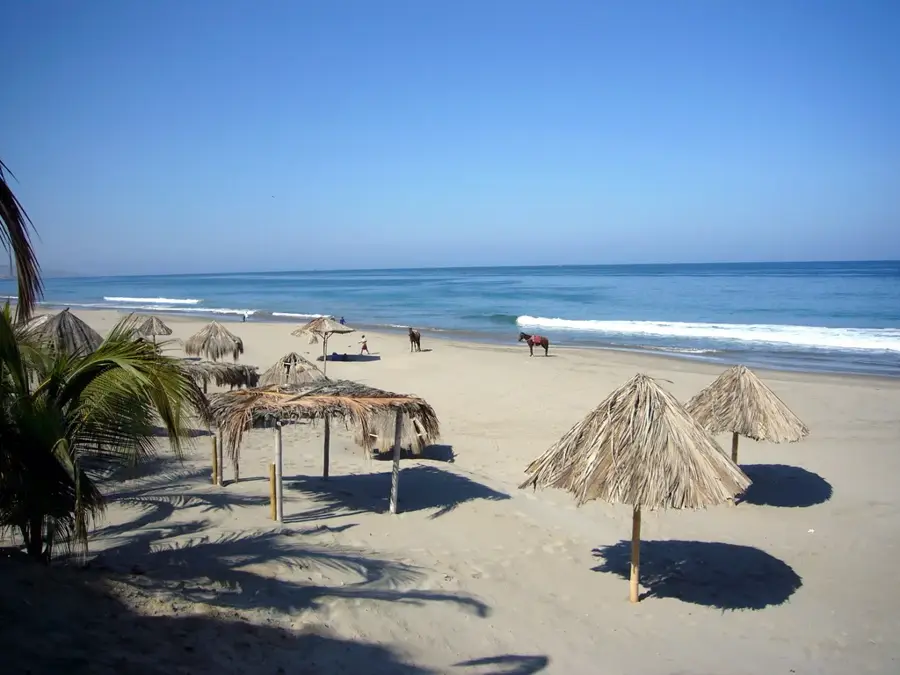
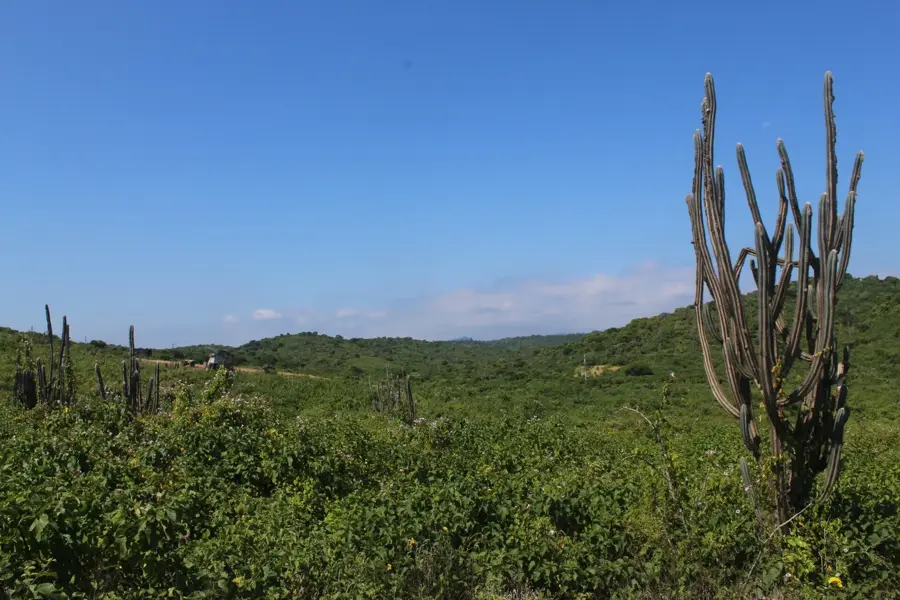
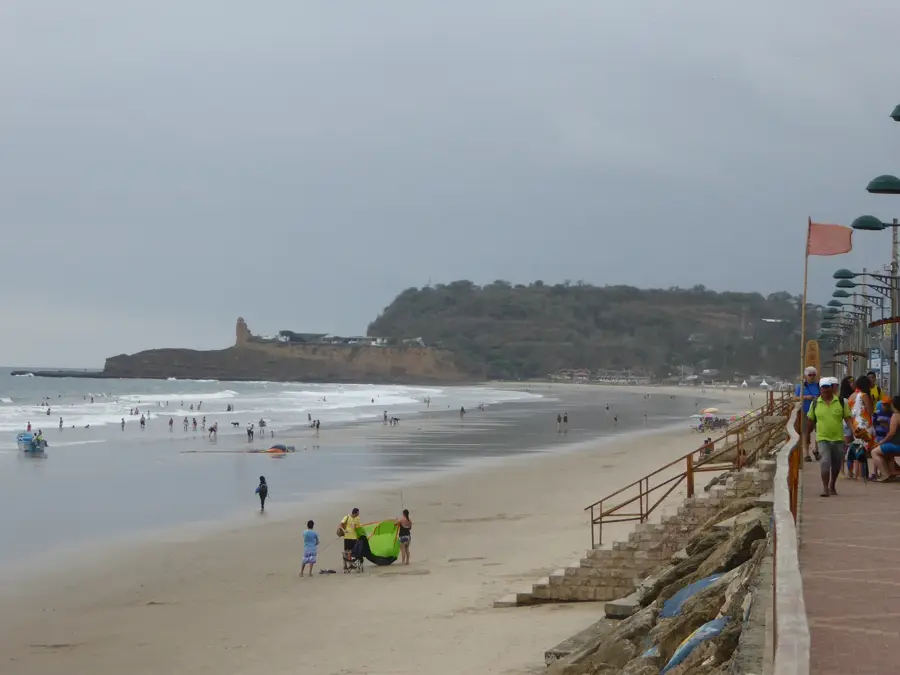
Piura, located in northwestern Peru, was founded on July 15, 1532, by Francisco Pizarro and is considered the first city founded by the Spanish in South America. Known as the 'City of Eternal Summer' or 'City of Travel,' it is characterized by a hot, dry desert climate influenced by the El Niño phenomenon. The city is a significant center for the agro-industry, particularly for the export of Pima cotton, lemons, and mangoes. Culturally, Piura is the birthplace of the famous Peruvian painter Ignacio Merino and the sailor Miguel Grau, whose birthplace is now a museum. In the surrounding area are the beaches of Máncora and Los Órganos, which are of great importance for tourism. Piura is also known for its handicraft tradition, especially the fine silver filigree work in Catacaos. The region's gastronomy is unique and famous for dishes like Ceviche de Mero and Seco de Chabelo. Despite challenges from extreme weather events, Piura remains a dynamic economic backbone in northern Peru.
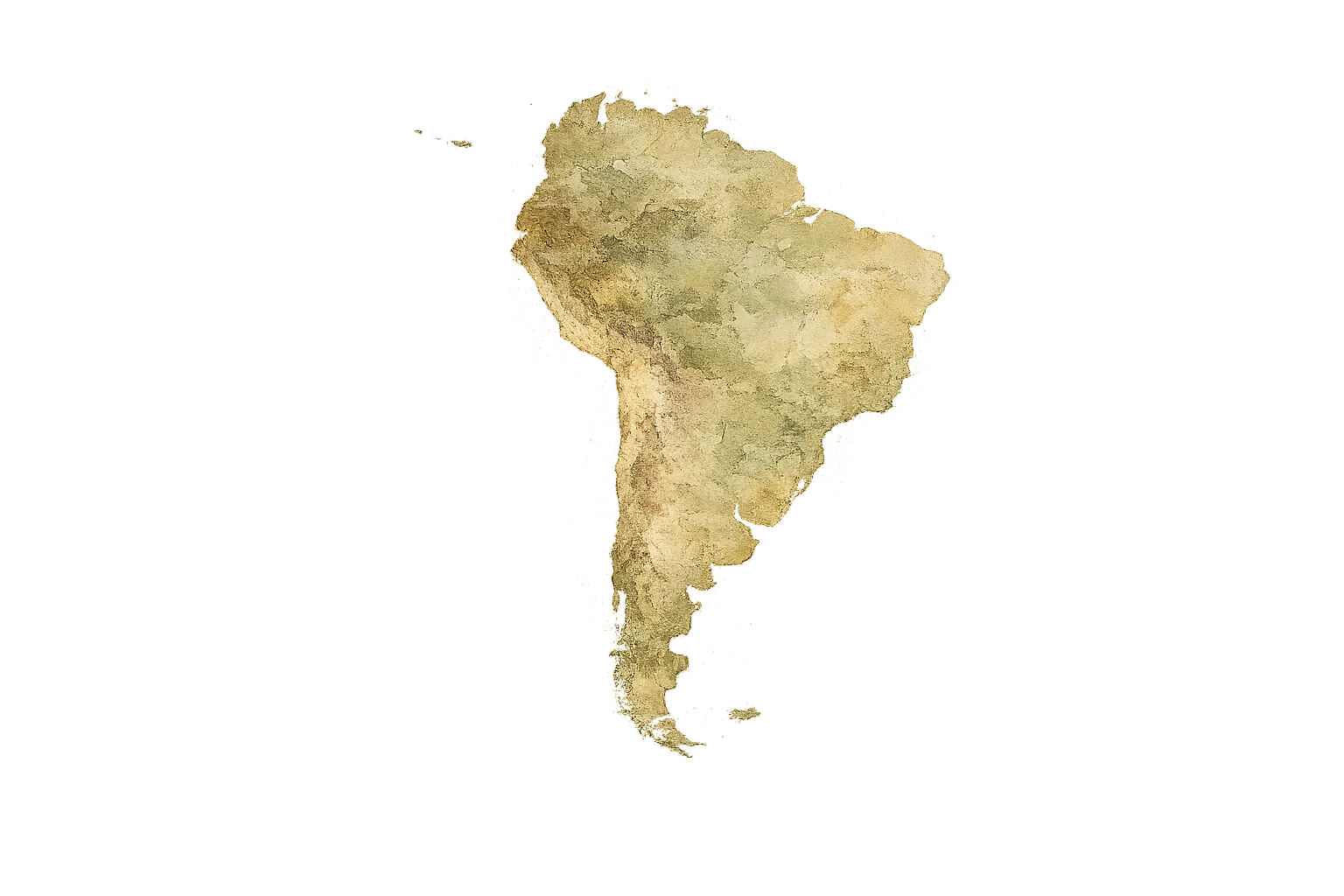
- Location: Peru
- Top sights: Museo Municipal Vicús · Casa del Almirante Miguel Grau · Museo del BCRP
- Nearby: Zorritos (28 km)
- Population: ~484.475 (2026)
Best time to visit & climate
The most pleasant time to visit is Jul–Sep.
| Jan | Feb | Mar | Apr | May | Jun | Jul | Aug | Sep | Oct | Nov | Dec | |
|---|---|---|---|---|---|---|---|---|---|---|---|---|
| Avg °C | 27 | 28 | 28 | 27 | 26 | 24 | 24 | 23 | 24 | 24 | 25 | 26 |
| Rain mm | 12 | 35 | 52 | 13 | 4 | 2 | 2 | 1 | 1 | 4 | 5 | 7 |
Geography
Facts
- Piura was founded on July 15, 1532, as San Miguel de Piura.
- It is the first permanent Spanish settlement in South America.
- The region is a leading producer of high-quality Pima cotton.
- National hero Admiral Miguel Grau was born here in 1834.
- The nearby village of Catacaos is renowned for silver filigree jewelry.
- Piura's agriculture depends heavily on El Niño-driven rainfall cycles.
Explore nearby
Notable places around
Route planner — Car & Motorhome
Where do you start? We build the route here, with stops and country notes along the way.
© OpenStreetMap contributors · OpenRouteService
Sights in the town Piura (11)
Frequently asked questions
What is typical for Piura?
Are there nearby beaches?
How is the weather?
Is the city touristy?
What must I try culinarily?
Piura: where is it located?
Piura: what is there to see?
Piura: when is the best time to visit?
Piura: why is it worth visiting?
Nearby cities
More places