Plizio Visual Lab
Illescas Peninsula
Weather…
Water temperature…
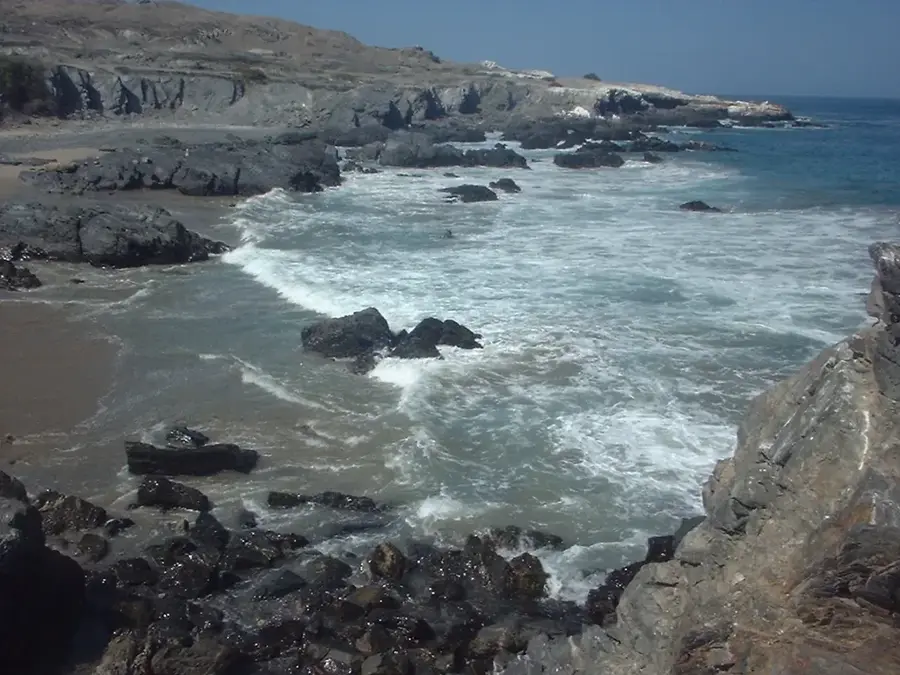
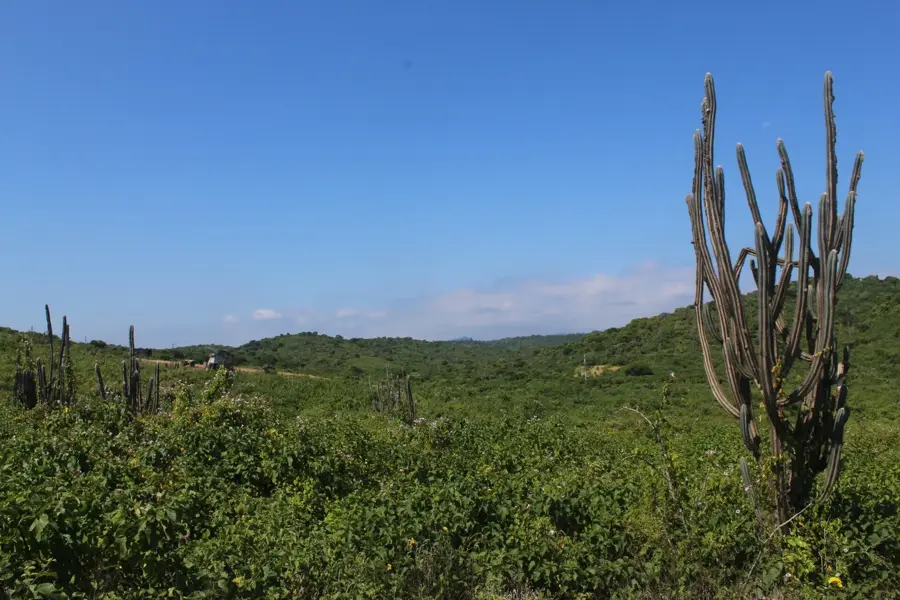
The Illescas Peninsula in the Piura Department is a remote and ecologically unique region in northern Peru, marking one of the westernmost points of the South American mainland. This desert landscape belongs to the Sechura district and is characterized by rugged cliffs, sand dunes, and the Cerro Illescas, which rises about 500 meters above sea level. Despite its extreme aridity, the peninsula is a refuge for rare species; it is one of the few places in the world where the Andean condor nests directly on the sea cliffs. The area also hosts populations of sea lions, blue-footed boobies, and the endangered Sechura fox. Historically, the region served as a vital landmark for sailors, but remained largely uninhabited due to the lack of fresh water. In 2010, the Illescas Reserved Zone was established to safeguard the pristine beaches and rich marine biodiversity from human encroachment.
- Location: Peru
- Nearby: Máncora (33 km)
Best time to visit & climate
The most pleasant time to visit is May, Jun, Dec.
| Jan | Feb | Mar | Apr | May | Jun | Jul | Aug | Sep | Oct | Nov | Dec | |
|---|---|---|---|---|---|---|---|---|---|---|---|---|
| Avg °C | 23 | 24 | 24 | 22 | 21 | 20 | 19 | 18 | 18 | 18 | 19 | 21 |
| Rain mm | 5 | 19 | 36 | 6 | 2 | 1 | 1 | 0 | 0 | 3 | 2 | 4 |
📋 Practical info
Geography
Facts
- The highest peak, Cerro Illescas, stands at 475 meters above sea level.
- The peninsula hosts one of the rare coastal nesting sites for the Andean condor.
- The protected area covers more than 37,000 hectares of land and sea.
- It is the westernmost point of Peru along the Pacific coast.
- The Illescas Reserved Zone was officially established in 2010.
- The region is part of the Sechura Desert, the largest desert in Peru.
Explore nearby
Notable places around
Route planner — Car & Motorhome
Where do you start? We build the route here, with stops and country notes along the way.
© OpenStreetMap contributors · OpenRouteService
Sights in the town Illescas Peninsula (1)
Sights nearby
Frequently asked questions
What is the Illescas Peninsula?
Is there mass tourism?
What animals are there?
Do I need a permit?
How to reach it?
Illescas Peninsula: where is it located?
Illescas Peninsula: when is the best time to visit?
Illescas Peninsula: why is it worth visiting?
Nearby cities
More places