Plizio Visual Lab
Trujillo
ℹ️Practical info — Trujillo
▾
🌤 Weather — 5 days
📍 Nearby
Sights nearby
💡 Tips
- Visit the Chan Chan ruins in the morning and be sure to bring plenty of water and sun protection.
- Trujillo is the capital of the Marinera dance; look for local shows or rehearsals around the main square.
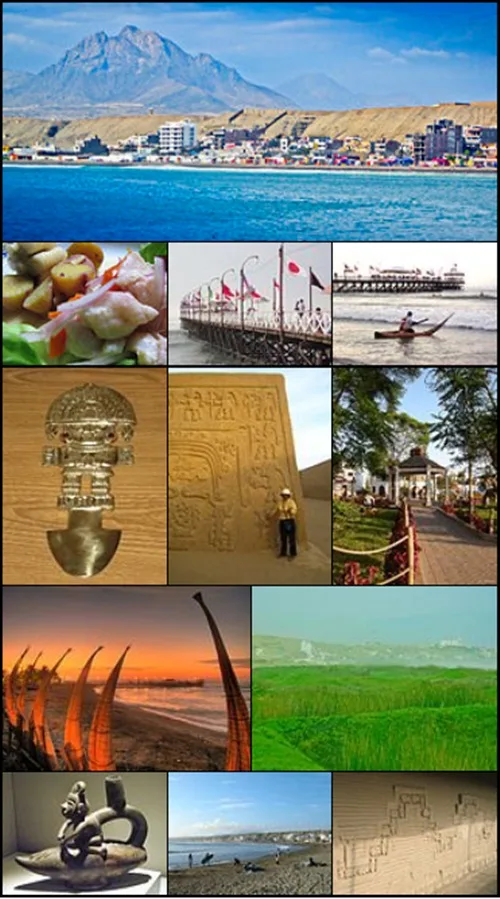
- Head to Huanchaco beach at sunset to see the traditional reed boats known as 'Caballitos de Totora'.
- Keep an eye on your belongings in busy markets and use only official radio taxis at night.
- The city is known for its pleasant spring-like weather, but the sun can be very intense at the ruins.
🍽 Food
A hearty wheat and legume soup traditionally served in Trujillo only on Mondays.
The local style of ceviche often uses 'moche' peppers; try it at the Huanchaco beach front.
A large, layered sweet pastry filled with manjarblanco, a famous regional delicacy.
🛍 Shopping · 🧘 Quiet spots
This district is famous for its leather industry; find handmade shoes at factory prices here.
Visit the central market for a variety of local food items and affordable leather goods.
The shops around the main square offer high-quality handicrafts and traditional textiles.
A smaller archaeological site that is much quieter and less crowded than Chan Chan.
A peaceful square with ancient trees and a historic colonial water reservoir.
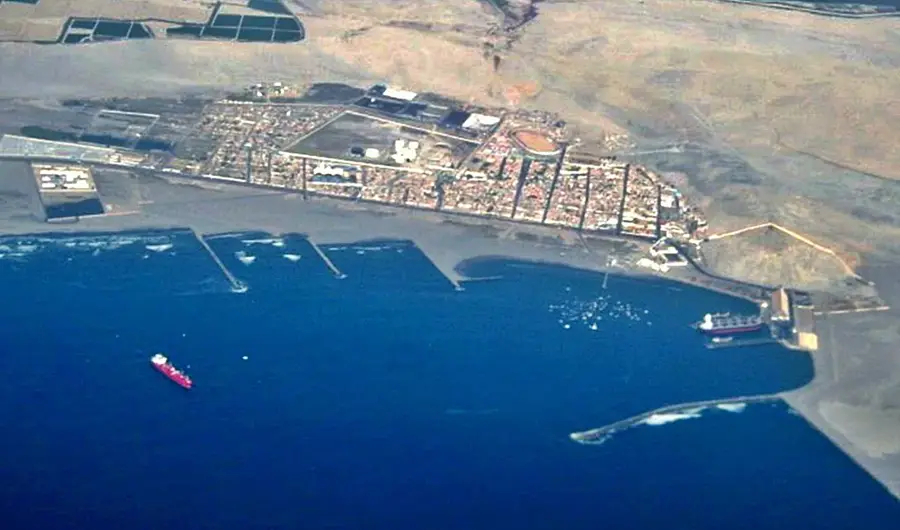
A walk on the old pier provides a quiet breeze and a great vantage point over the ocean.
Water temperature…
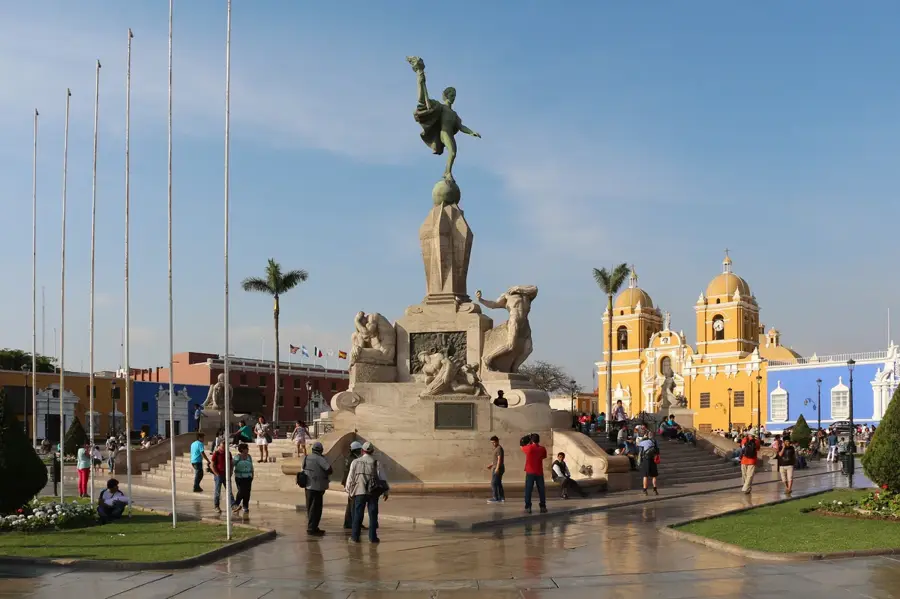
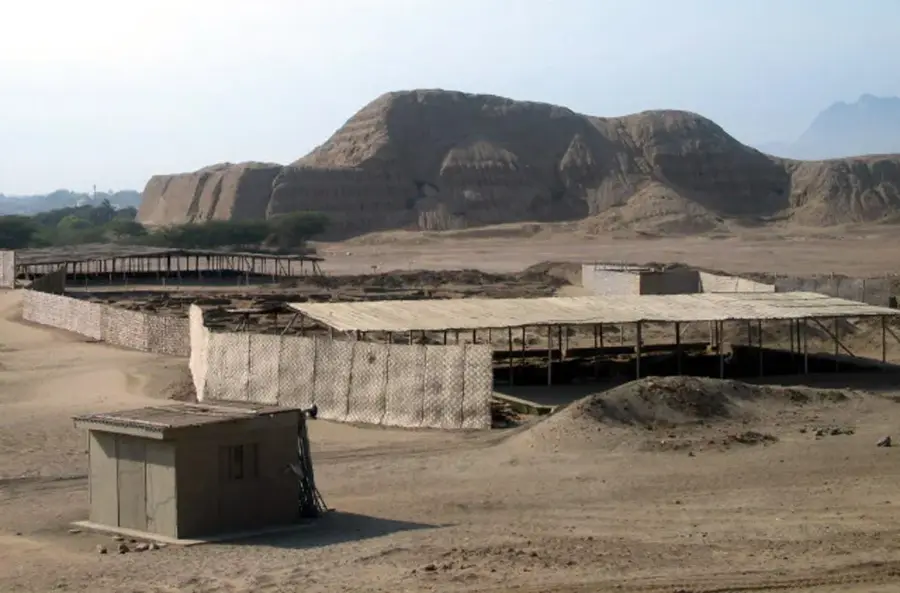
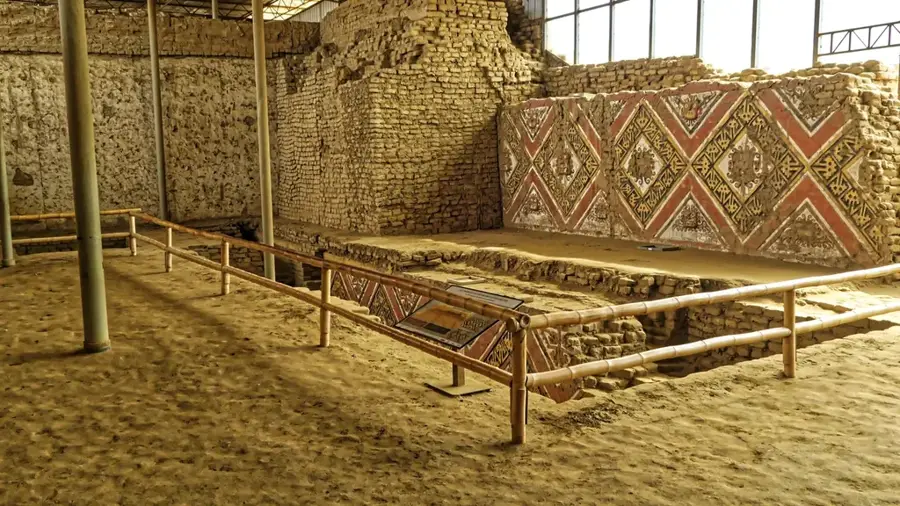
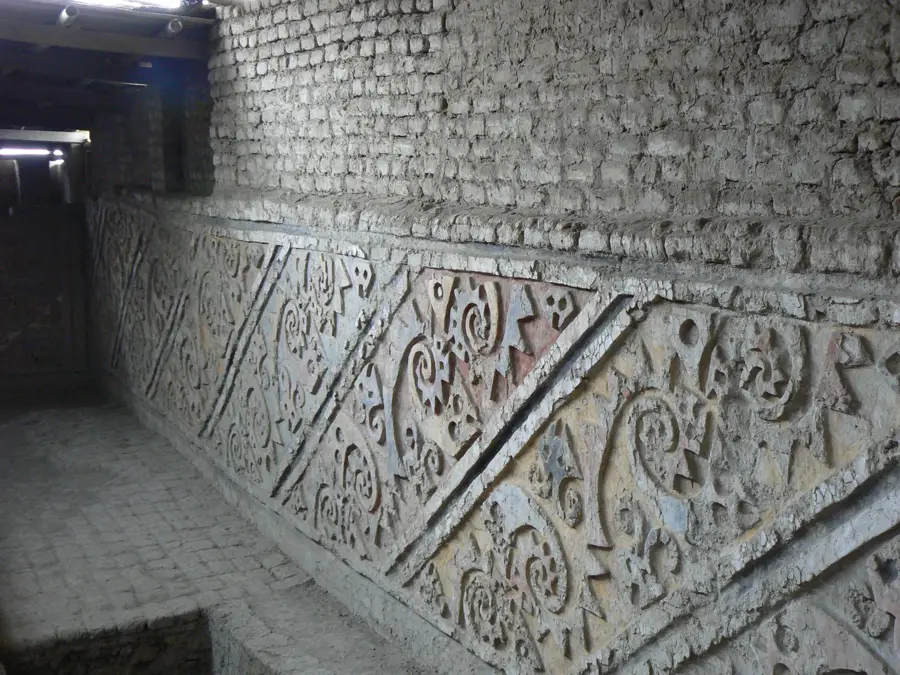
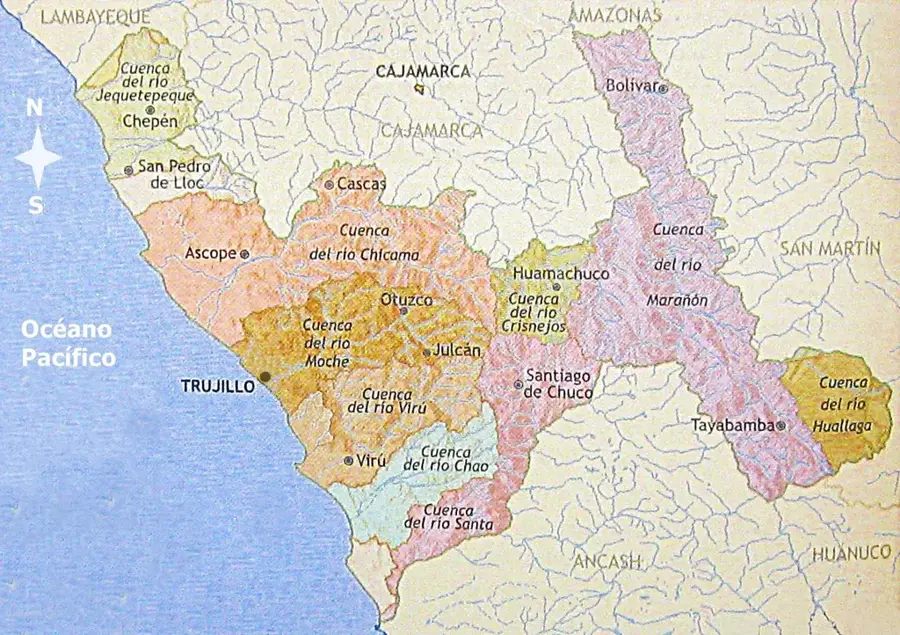
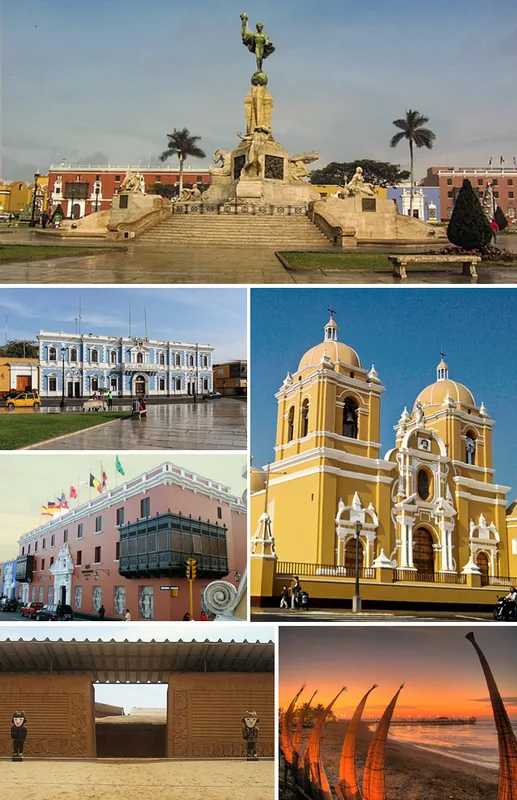
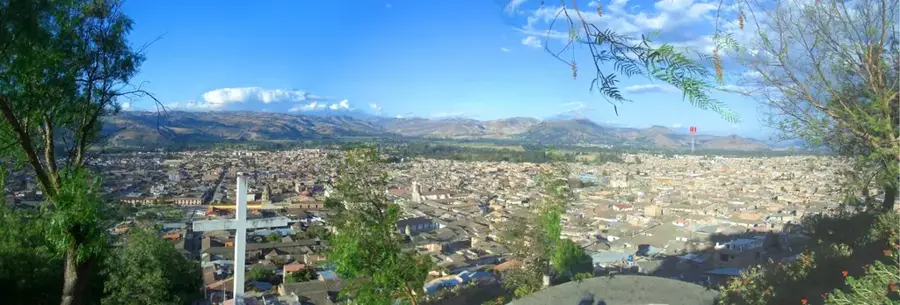
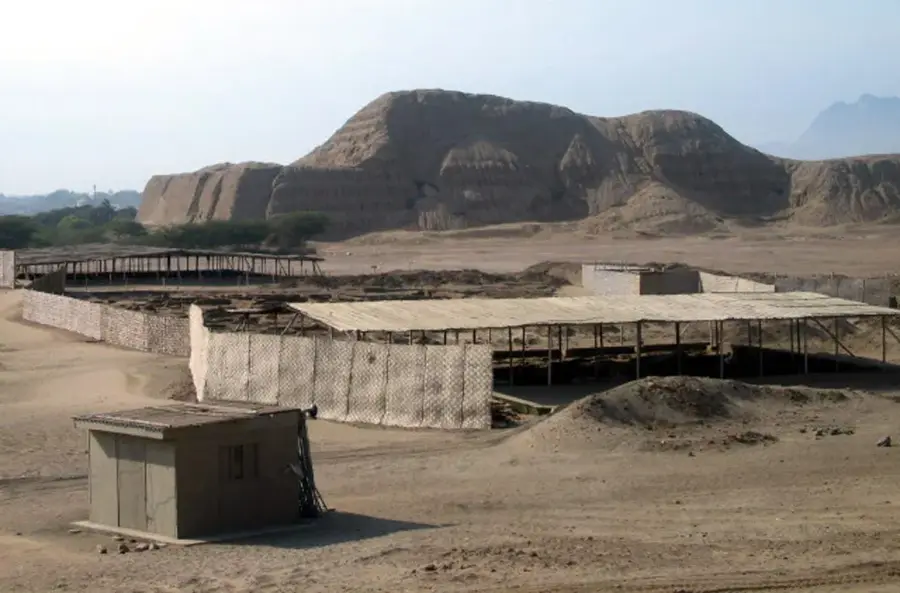
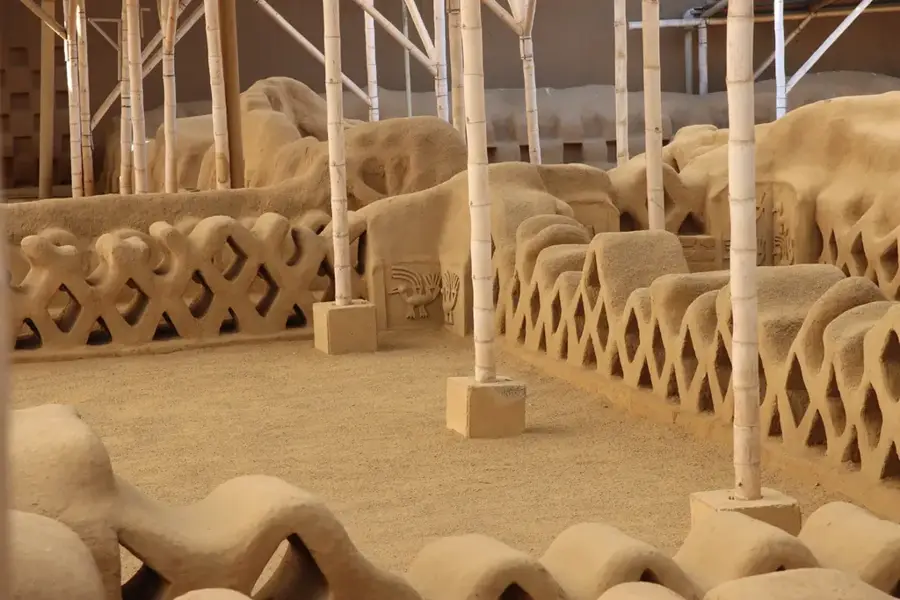
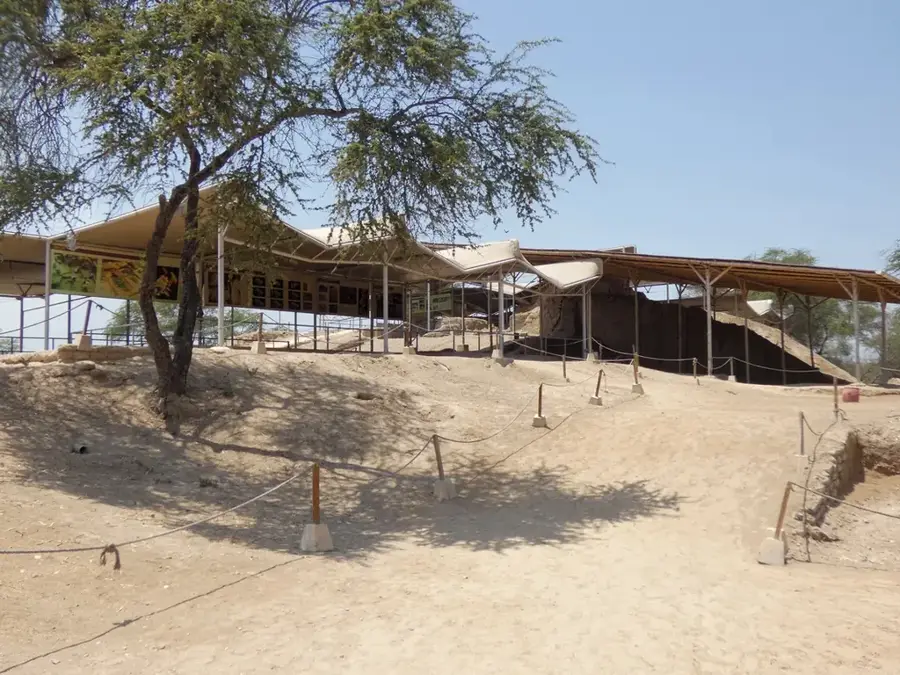
Trujillo, located on the northern coast of Peru, is the country's third-largest city and is known as the 'City of Eternal Spring.' Founded in 1534, it is famous for its colonial heritage, featuring colorful mansions and ornate balconies. In its immediate vicinity lies Chan Chan, the largest adobe city in the world and the former capital of the Chimú Empire, a UNESCO World Heritage site. Trujillo is also a center of the Moche culture, documented by the impressive Pyramids of the Sun and the Moon (Huacas del Sol y de la Luna). The city takes pride in its cultural traditions, especially the Marinera dance, for which it is the national capital. Geographically, Trujillo is situated in the Moche Valley near the Pacific, with the seaside resort of Huanchaco being famous for its traditional reed boats (Caballitos de Totora). Trujillo played a key role in Peruvian independence, as it was the first city to proclaim freedom from Spain. Today, it is a significant economic hub for agriculture and commerce in northern Peru.
- Location: Peru
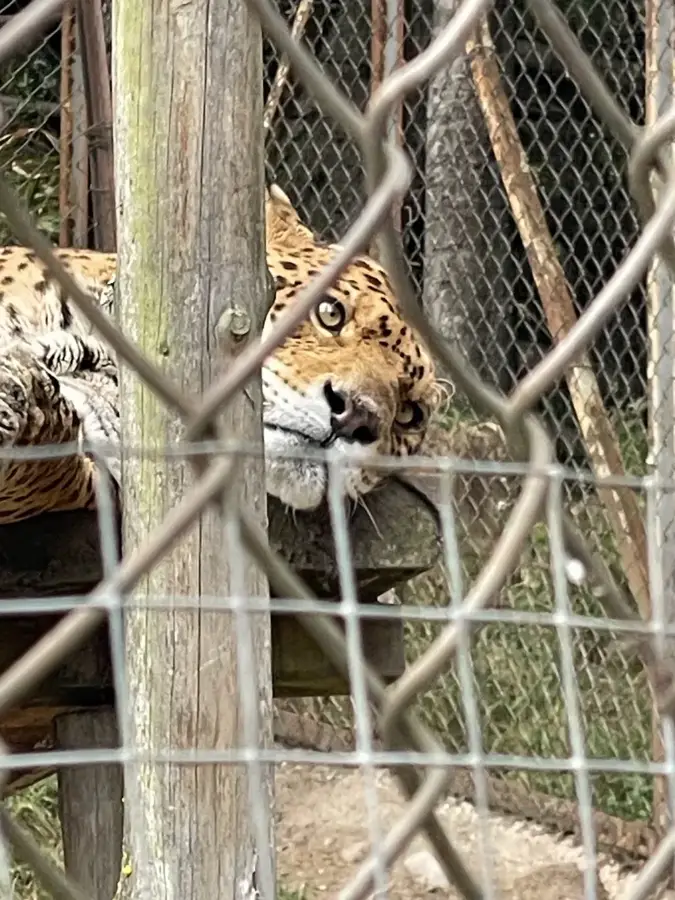
- Top sights: Museo Arqueologico · Catedralicio · Museo de Zoología Juan Ormea Rodríguez
- Nearby: Huanchaco (10 km)
- Population: ~919.899 (2026)
Best time to visit & climate
The most pleasant time to visit is Jun, Aug, Sep.
| Jan | Feb | Mar | Apr | May | Jun | Jul | Aug | Sep | Oct | Nov | Dec | |
|---|---|---|---|---|---|---|---|---|---|---|---|---|
| Avg °C | 18 | 18 | 18 | 18 | 18 | 18 | 18 | 18 | 19 | 18 | 18 | 18 |
| Rain mm | 23 | 22 | 35 | 22 | 9 | 2 | 6 | 2 | 5 | 16 | 18 | 18 |
Geography
Facts
- Trujillo was founded in December 1534 by Diego de Almagro.
- Chan Chan is the world's largest adobe city, covering 20 square kilometers.
- The city is the official National Capital of the Marinera dance.
- The Huaca del Sol is the largest pre-Columbian adobe structure in the Americas.
- Trujillo was the first Peruvian city to declare independence from Spain in 1820.
- The traditional Caballitos de Totora boats are still used in nearby Huanchaco.
Explore nearby
Notable places around
Route planner — Car & Motorhome
Where do you start? We build the route here, with stops and country notes along the way.
© OpenStreetMap contributors · OpenRouteService
Sights in the town Trujillo (13)
Frequently asked questions
Which archaeological site is nearby?
How is the weather in Trujillo?
Can you surf there?
How to get from the airport to the center?
How many days are recommended?
Trujillo: where is it located?
Trujillo: what is there to see?
Trujillo: when is the best time to visit?
Trujillo: why is it worth visiting?
Nearby cities
History & landmarks
More places