Plizio Visual Lab
Paracas National Reserve
Weather…
Water temperature…
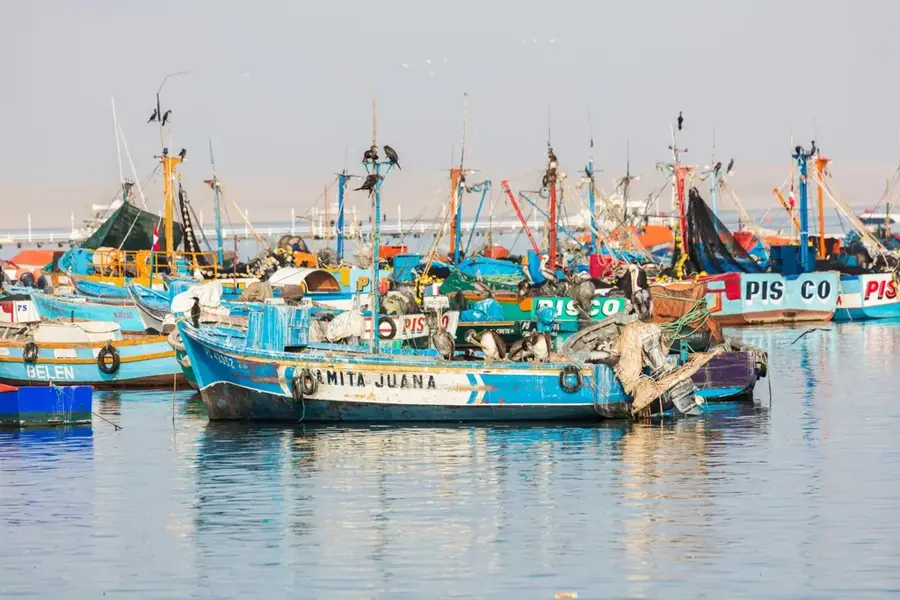
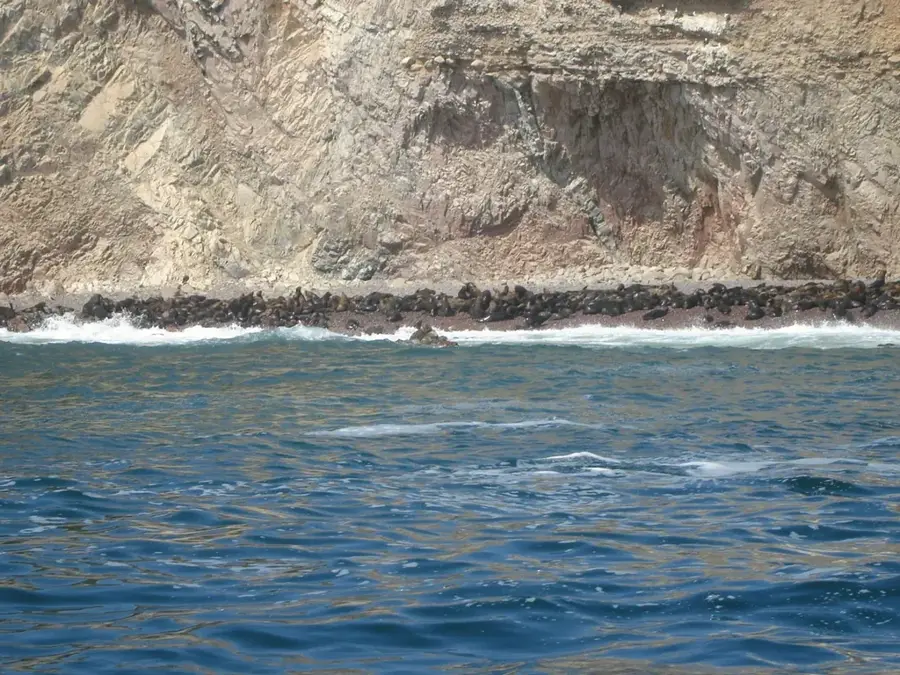
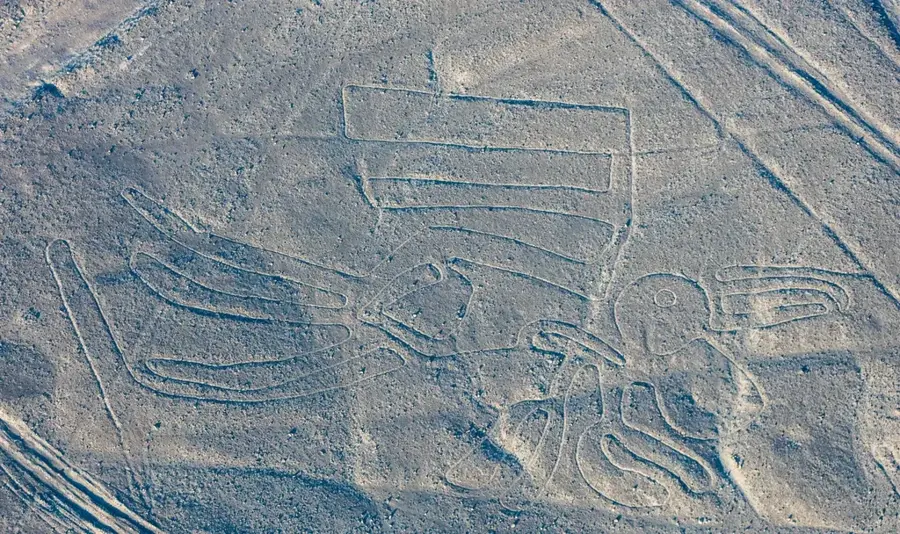
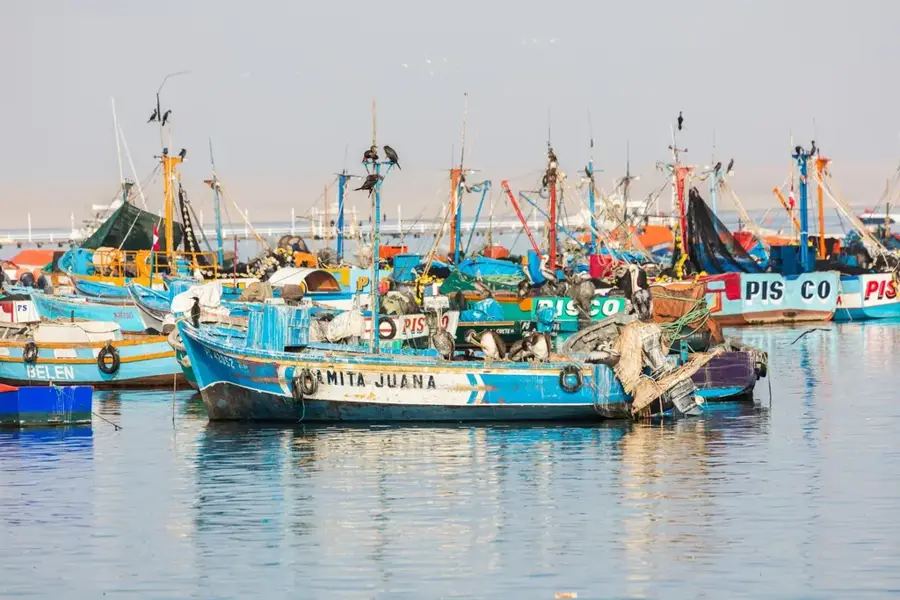
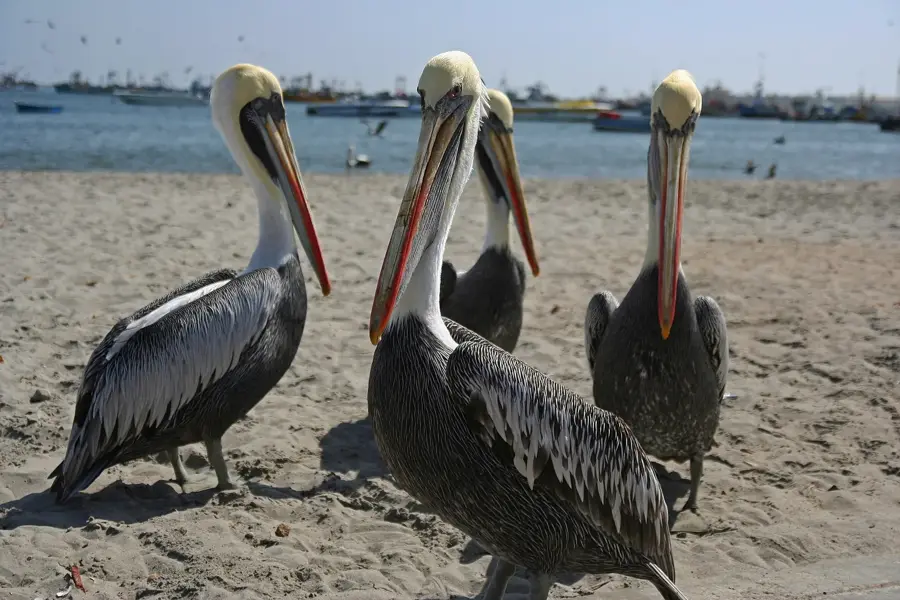
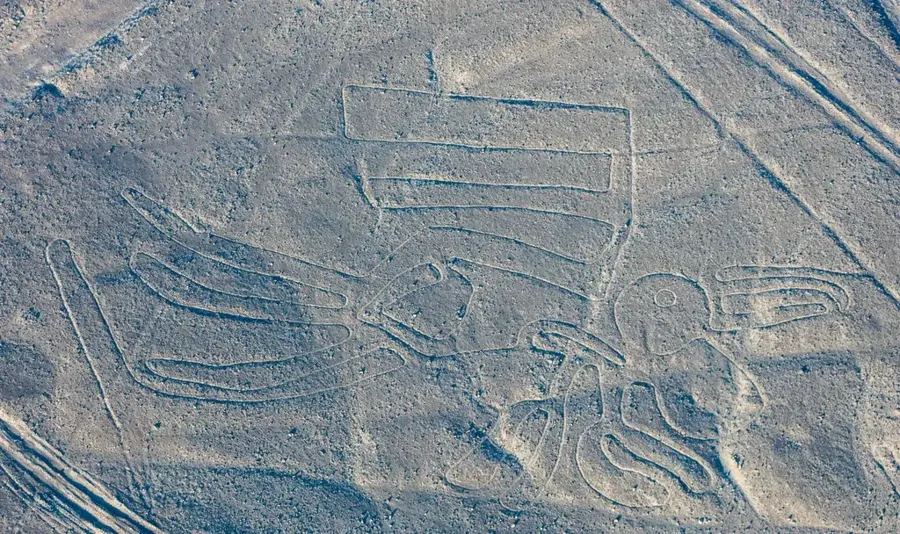
The Paracas National Reserve is one of Peru's most vital marine protected areas, situated along the Pacific coast in the Ica region. Established in 1975, its primary mission is to safeguard the rich marine ecosystem and the significant archaeological sites of the ancient Paracas culture. Covering approximately 335,000 hectares, of which a large portion is marine territory, the reserve is home to an extraordinary level of biodiversity. Notable residents include sea lions, Humboldt penguins, dolphins, and over 200 species of birds, including the striking Andean flamingos. Geologically, the area is famous for its unique rock formations and the enigmatic Candelabro, a massive geoglyph etched into a hillside that remains a mystery to historians. The stark contrast between the arid coastal desert and the deep blue ocean creates a dramatic landscape of rare natural beauty. The reserve also supports local artisanal fishing and ecotourism, with strict management policies ensuring a balance between economic activity and ecological preservation. Visitors can explore remote beaches, take boat tours to the nearby Ballestas Islands, and learn about the region's environmental importance at the local interpretation center.
- Location: Peru
- Top sights: Lobos · Independence Bay · Playa Carhuaz
- Nearby: Paracas (14 km)
Best time to visit & climate
The most pleasant time to visit is Apr, May, Dec.
| Jan | Feb | Mar | Apr | May | Jun | Jul | Aug | Sep | Oct | Nov | Dec | |
|---|---|---|---|---|---|---|---|---|---|---|---|---|
| Avg °C | 23 | 24 | 24 | 22 | 20 | 18 | 17 | 17 | 18 | 19 | 20 | 21 |
| Rain mm | 4 | 4 | 3 | 1 | 2 | 1 | 2 | 1 | 2 | 2 | 3 | 4 |
📋 Practical info
Geography
Facts
- The reserve was officially established by government decree on September 25, 1975.
- Approximately 65 percent of its 335,000 hectares consists of marine ecosystems.
- The 'Candelabro' geoglyph is over 180 meters tall and is carved into a sandy slope.
- It serves as a primary habitat for the largest colonies of Humboldt penguins in Peru.
- The distinct red sand of Playa Roja is caused by eroded granodiorite rocks from cliffs.
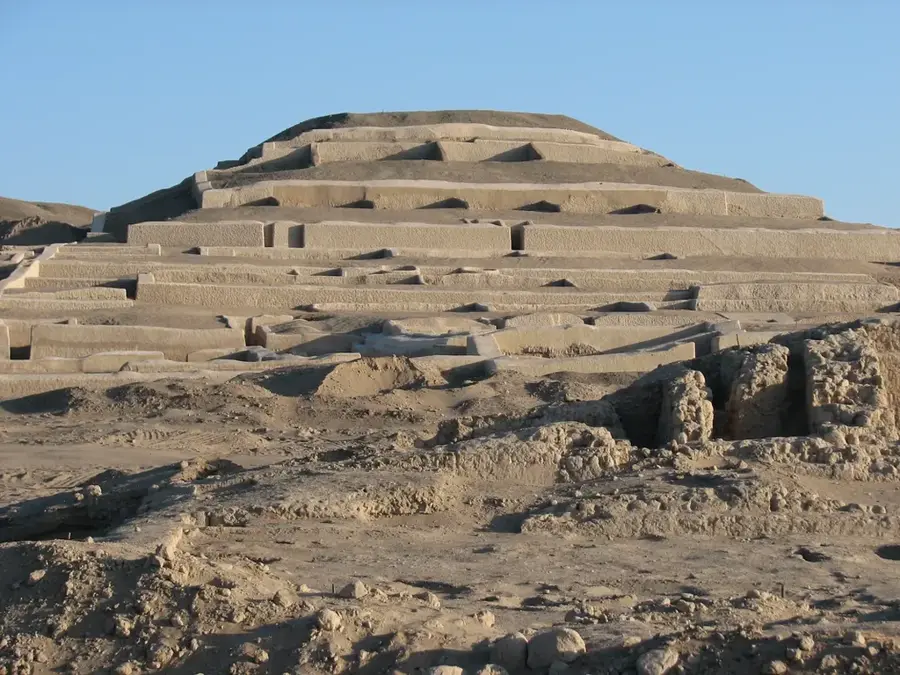
- Archaeologists have discovered ancient Paracas cemeteries with mummies and fine textiles.
Explore nearby
Notable places around
Route planner — Car & Motorhome
Where do you start? We build the route here, with stops and country notes along the way.
© OpenStreetMap contributors · OpenRouteService
Sights in the town Paracas National Reserve (3)
Sights nearby
Frequently asked questions
What is the best season for Paracas?
Can you swim there?
How do you get to the reserve?
Do I need a guide?
Is the reserve dangerous?
Paracas National Reserve: where is it located?
Paracas National Reserve: what is there to see?
Paracas National Reserve: when is the best time to visit?
Paracas National Reserve: why is it worth visiting?
Nearby cities
History & landmarks
Nature
More places