Plizio Visual Lab

Nazca Lines
Plizio editorial teamData Sources
Landmark
—°7
Nazca Lines (Peru)

Weather…

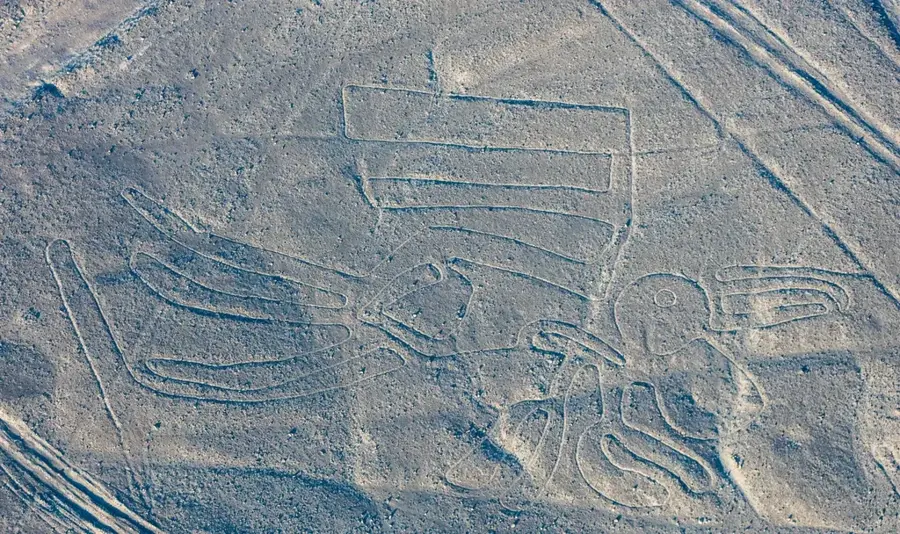
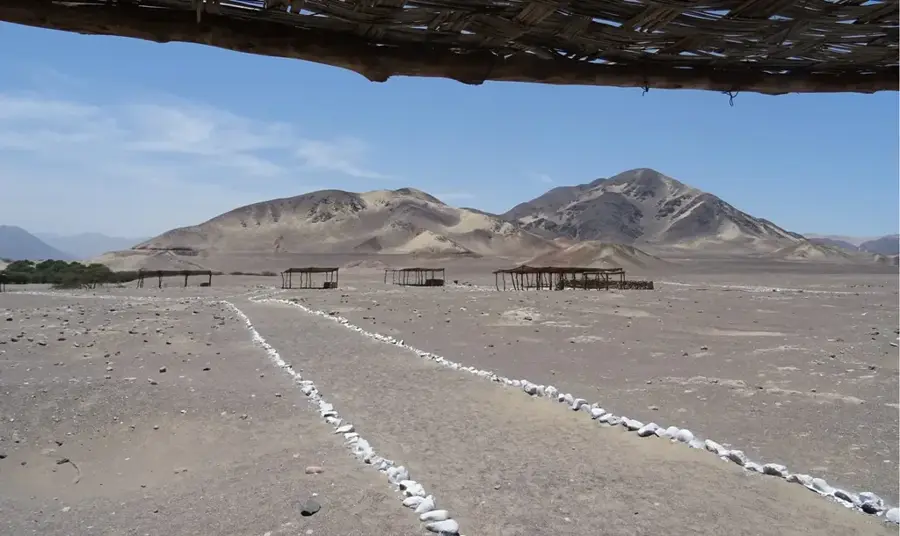
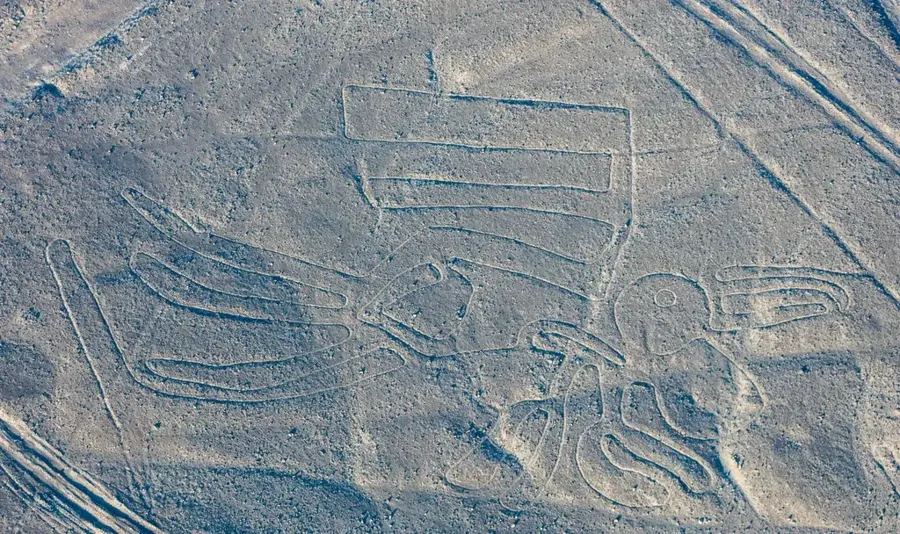
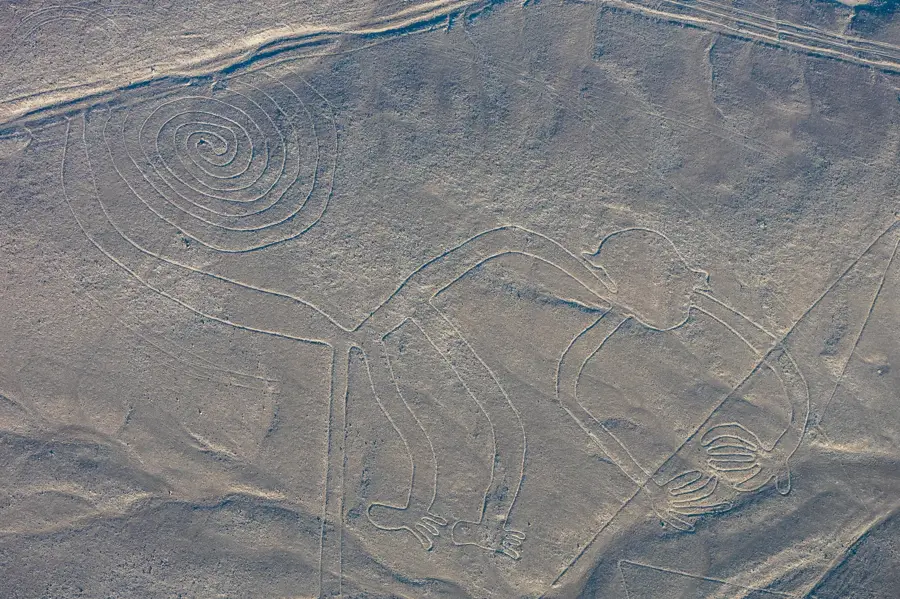
The Nazca Lines are one of the world's greatest archaeological enigmas, consisting of hundreds of giant geoglyphs etched into the arid desert floor of southern Peru. Created by the Nazca culture between 500 BC and 500 AD, these massive figures include animals like a monkey, hummingbird, and spider, as well as complex geometric shapes and straight lines that stretch for miles. The lines were made by removing the dark, sun-baked stones to reveal the lighter sand beneath, and they have been preserved for centuries by the region's lack of wind and rain. Their purpose remains a subject of intense debate, with theories ranging from astronomical calendars and water-related rituals to sacred pathways. Visible only from the air, these UNESCO-listed wonders continue to captivate the world with their scale and mystery.

Best time to visit & climate

The most pleasant time to visit is Mar, Apr, Sep.

JanFebMarAprMayJunJulAugSepOctNovDec
Avg °C191919191818171818181818
Rain mm23221956132481221

📋 Practical info

🚪
Visiting
The Nazca Lines are visible from observation towers along the Pan-American Highway. Access to the geoglyphs themselves is not allowed for conservation reasons.
🕒
Typical hours
The towers are usually open during daytime, best visited early morning. Overflights are typically offered between 8 AM and 4 PM.
📷
Photography
Photography from the towers is allowed. For aerial shots, request a window seat in the small plane.
⏱️
Time needed
Visiting the towers takes about 30 minutes. A flight lasts about 30 to 45 minutes plus transfer time.
Combine with
Combine the lines with a visit to the Maria Reiche Museum and Nazca town. The nearby river canyon also features hiking.
🧭
Getting there
The towers are accessible by car or as part of a guided tour. From Lima, it's about a 6-hour drive to Nazca.
💡
Insider tip
Book a flight if you really want to see the figures; they are hard to discern from the ground. Wear comfortable clothes and sun protection.

Geography

Coordinates
-14.69380, -75.11360

Facts

  • The geoglyphs cover an area of nearly 1,000 square kilometers.
  • First brought to international attention in the 1920s by early commercial pilots.
  • Maria Reiche, a German mathematician, dedicated her life to protecting and studying the lines.
  • Includes over 70 identifiable animal and plant figures (biomorphs).
  • The largest figures are over 300 meters (1,200 feet) long.
  • Designated a UNESCO World Heritage site in 1994.
  • New geoglyphs are still being discovered today using modern satellite and drone technology.
  • The lines have survived for nearly 2,000 years because of the extremely dry and windless climate.

Explore nearby

Notable places around
Route planner — Car & Motorhome

Where do you start? We build the route here, with stops and country notes along the way.

Vehicle
Only stops with (optional):

© OpenStreetMap contributors · OpenRouteService

Sights in the town Nazca Lines (7)

María Reiche Museum🏛 museum

The former desert home of the German mathematician who dedicated her life to researching the Nazca Lines, now housing her original sketches.

Star🏺 historical

A star-shaped geometric geoglyph etched into the dark, stony surface of the famous Nazca desert plateau.

Lineas de Nasca📍 landmark

A sprawling UNESCO World Heritage site consisting of massive, ancient geometric and animal drawings meticulously carved into the Peruvian desert.

Hummingbird📍 landmark

The Hummingbird is one of the most recognizable Nazca Lines, etched into the desert surface and visible from the air.

Spider📍 landmark

Measuring several meters across, this massive spider geoglyph is part of the famous pre-Columbian Nazca Lines in the arid desert.

Mandala - Square🏺 historical

This ancient archaeological site in the Nazca region features a large square mandala pattern etched into the flat desert surface.

Symbols🏺 historical

Located in the expansive Nazca desert, this archaeological site contains mysterious geometric symbols carved into the sun-baked earth.

Sights nearby

Frequently asked questions

What is the best way to see the Nazca Lines?
A scenic flight in a small Cessna aircraft provides the best view of the geoglyphs.
Are the flights over the lines safe?
Yes, with licensed operators, flight operations are well regulated.
Can you see the lines from the ground?
From the observation tower along the Panamericana, you get a limited view of some shapes.
How long does a typical flight take?
Scenic flights typically last about 30 to 45 minutes.
Should you book the flight in advance?
Yes, especially during high season, booking in advance is highly recommended.
Nazca Lines: where is it located?
Nazca Lines is located in Peru.
Nazca Lines: what is there to see?
Highlights include María Reiche Museum, Star, Lineas de Nasca.
Nazca Lines: when is the best time to visit?
The most pleasant time to visit is Mar, Apr, Sep.
Nazca Lines: why is it worth visiting?
The Nazca Lines are one of the world's greatest archaeological enigmas, consisting of hundreds of giant geoglyphs etched into the arid desert floor of southern Peru.
View on map → The Top 50 Attractions → OpenStreetMap →
South America
Explore with Plizio Discover more places in South America
More places in Peru →

Nearby cities

History & landmarks

Nature
More places