Plizio Visual Lab
Battir
ℹ️Practical info — Battir
▾
🌤 Weather — 5 days
📍 Nearby
Sights nearby
💡 Tips
- The most scenic way to arrive is by hiking the trail from the Makhrour Valley near Beit Jala.
- Wear sturdy walking shoes, as exploring the ancient terraces involves navigating uneven and rocky paths.
- Please respect the delicate ancient irrigation channels and avoid stepping on the dry-stone retaining walls.
- Spring is the best time to visit when the ancient terraces are lush green and the natural springs flow freely.
🍽 Food
A famous local variety of eggplant; look for it in local eateries during the summer season.
Taste the freshly pressed olive oil at small village cooperatives, especially after the autumn harvest.
Enjoyed at small cafes near the old railway line overlooking the valleys.
🛍 Shopping · 🧘 Quiet spots
Buy authentic local olive oil, dried herbs, and traditional Palestinian embroidery.
Local farmers sell seasonal vegetables, including the famous Battiri eggplants, near the village center.
A tranquil spot near the village's natural spring where the ancient irrigation system begins.
Walk along the historic, now quiet railway tracks at the bottom of the valley for striking terrace views.
Water temperature…
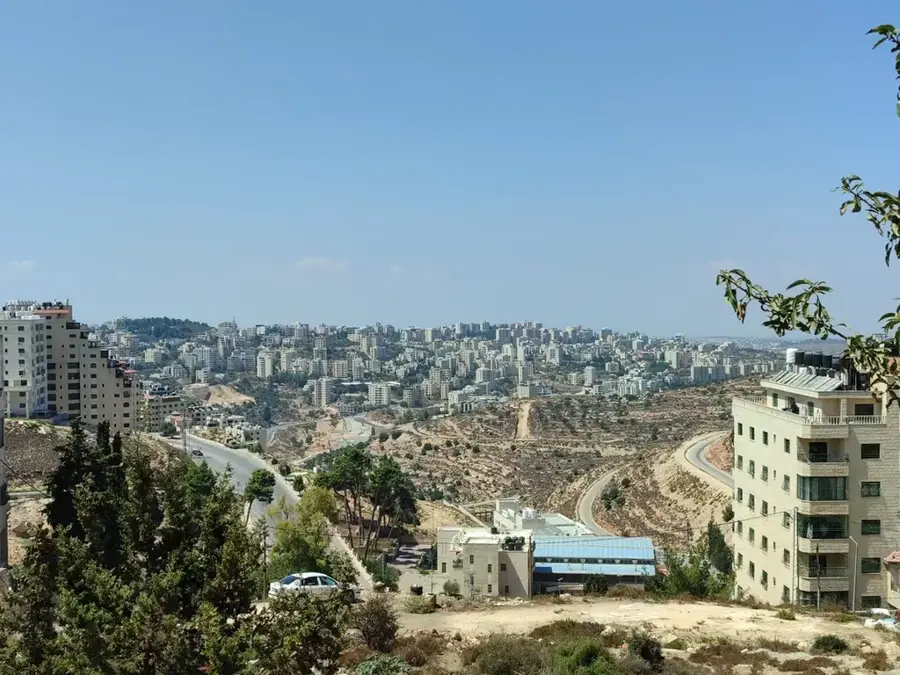
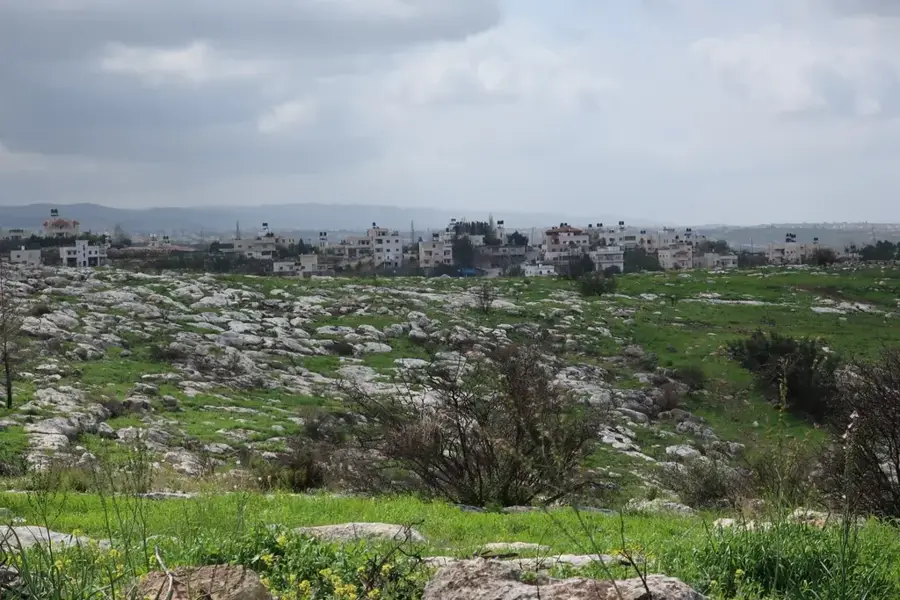
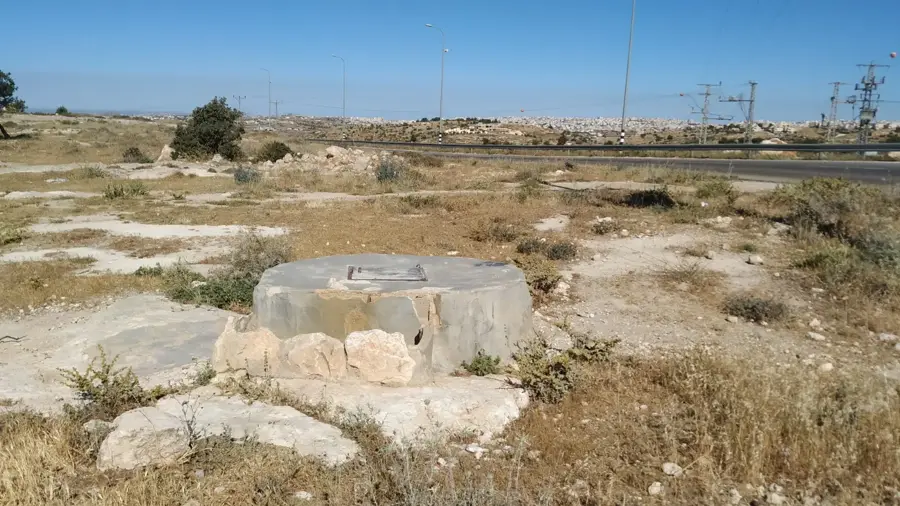
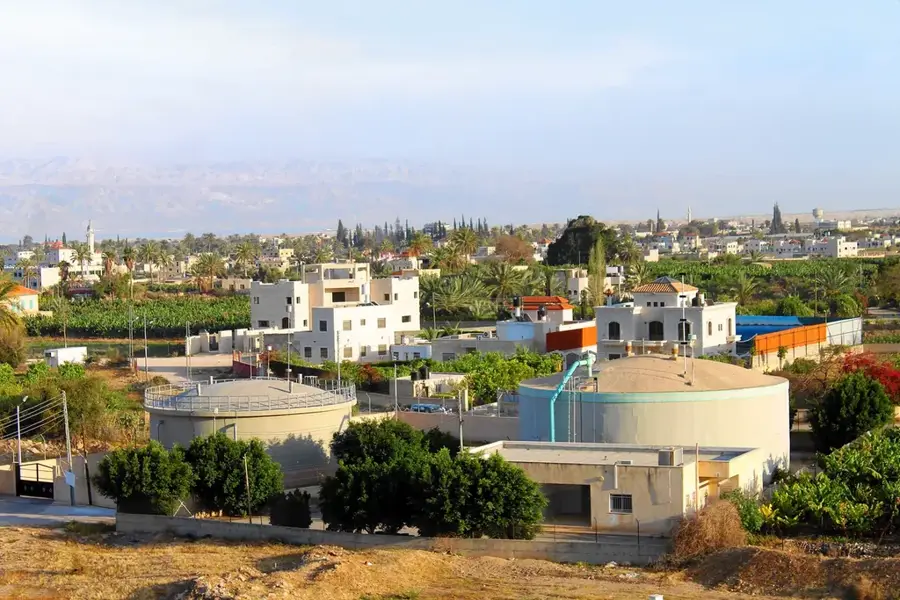
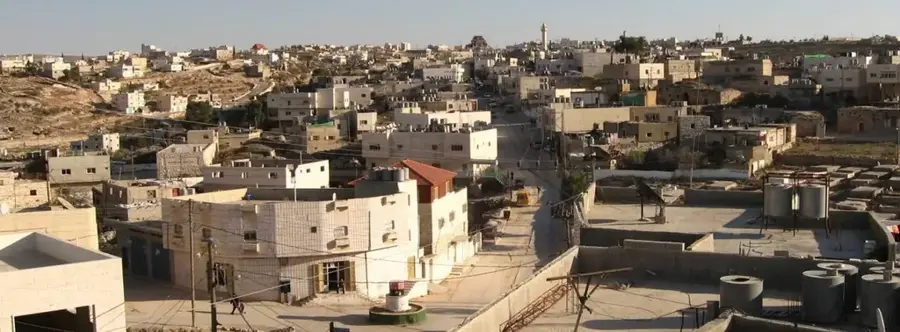
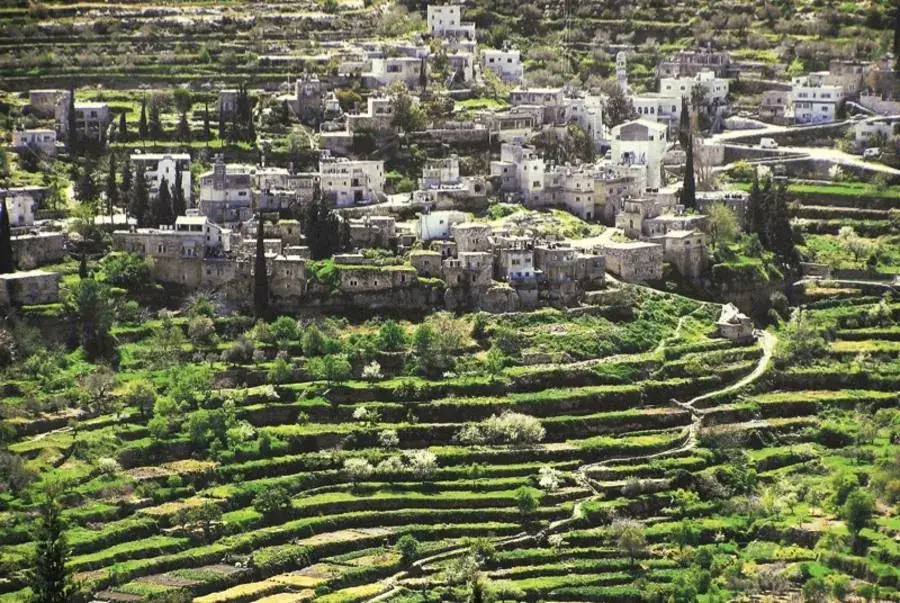
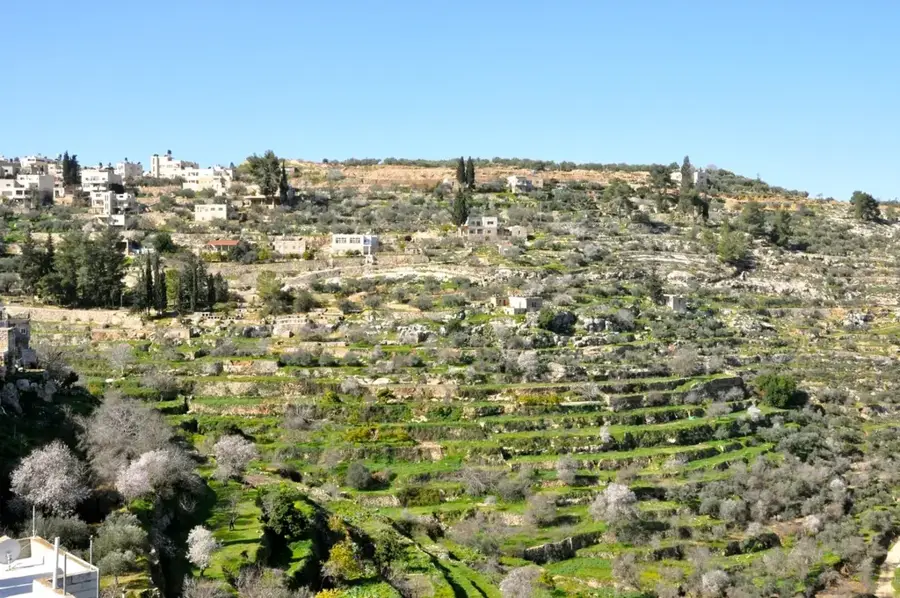
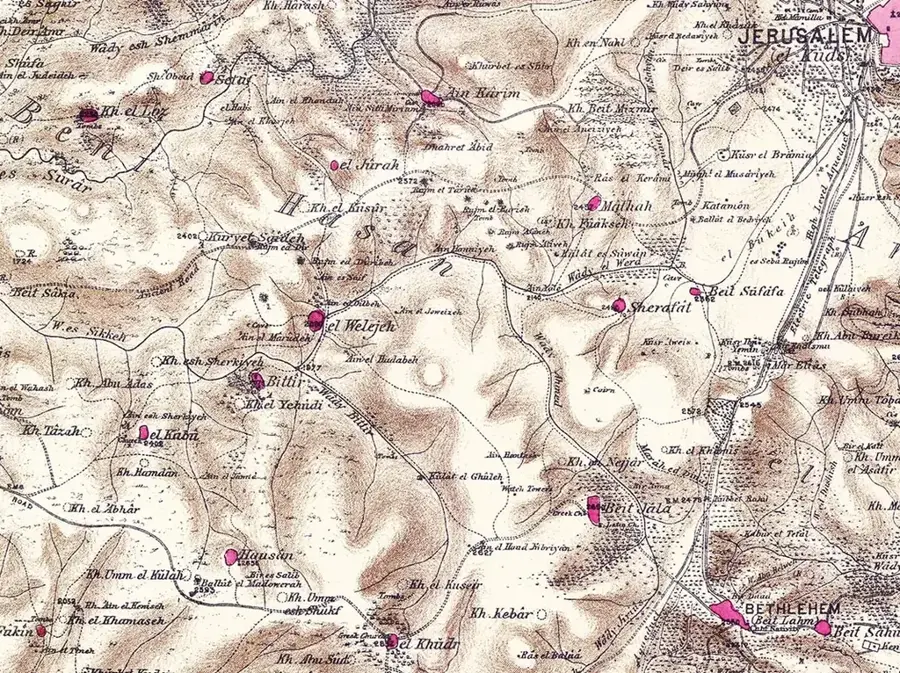
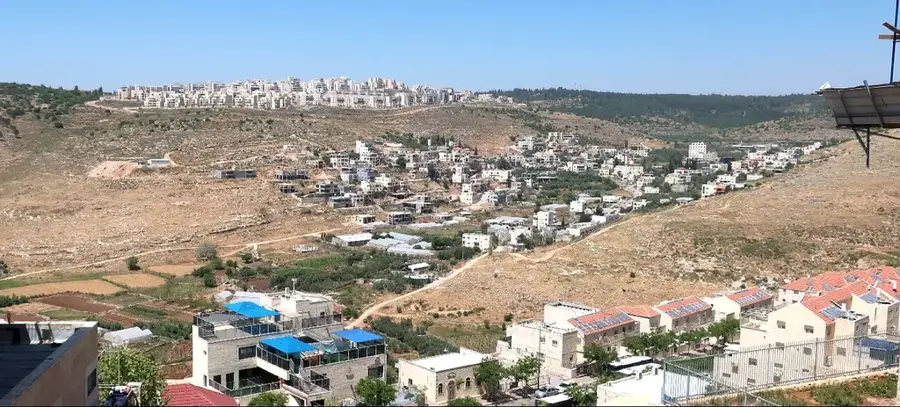
The village of Battir, located southwest of Jerusalem near Bethlehem, is an extraordinary cultural landscape that was inscribed as a UNESCO World Heritage site in 2014. It is world-renowned for its ancient stone terraces that cascade down the steep hillsides, which have been continuously farmed for thousands of years. The hallmark of Battir is its sophisticated Roman-era irrigation system, which utilizes a series of channels to distribute spring water among local families according to a traditional time-sharing arrangement. Another defining feature of the area is the historic Jaffa-Jerusalem railway line, which winds through the bottom of the valley. Battir serves as a living museum of traditional Palestinian agriculture, where ancient olive groves and vegetable gardens thrive. For visitors, the network of hiking trails provides a peaceful journey through history, passing by traditional stone watchtowers and lush greenery. This site represents a unique resilience of traditional land management practices in the face of modern development, making it for those interested in heritage and sustainable ecology.
- Location: Palestinian Territories
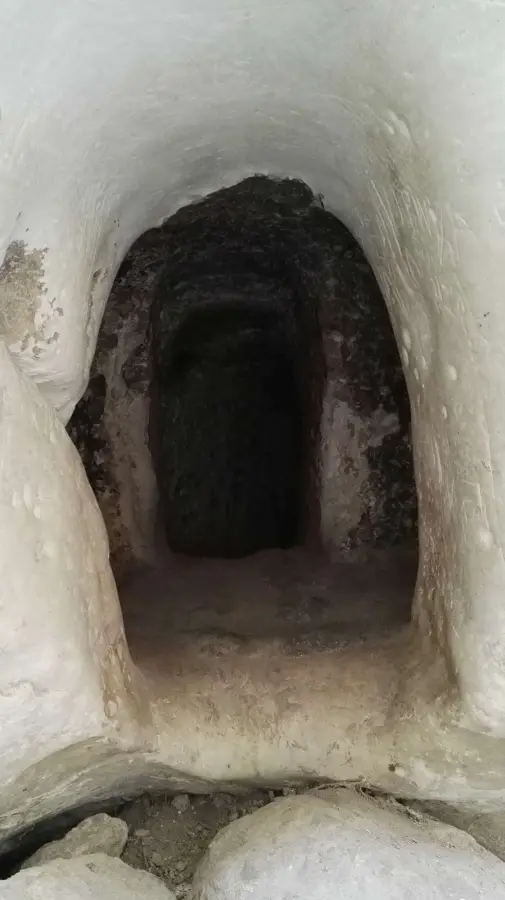
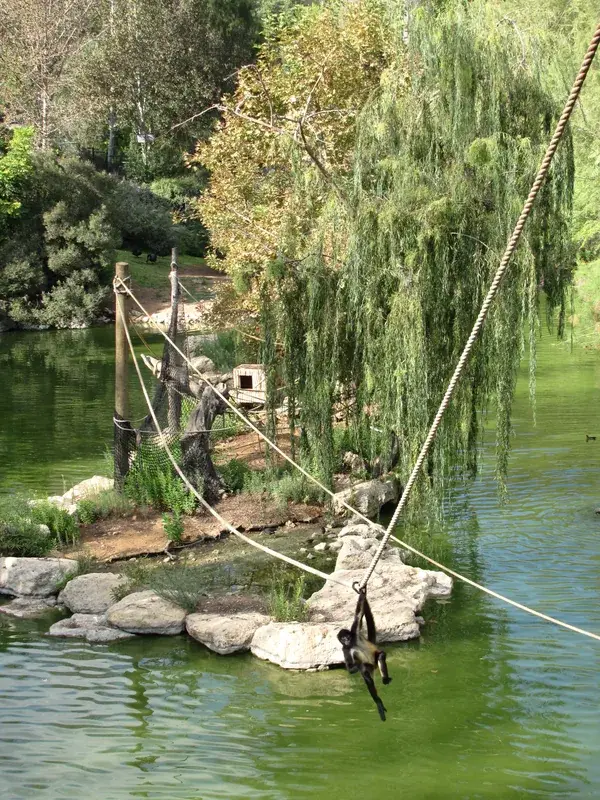
- Top sights: Jerusalem Biblical Zoo · Horvat Walaja · Burial Cave
- Nearby: Beit Jala (6 km)
- Population: ~4.092 (2023)
Best time to visit & climate
The most pleasant time to visit is Apr, May, Oct.
| Jan | Feb | Mar | Apr | May | Jun | Jul | Aug | Sep | Oct | Nov | Dec | |
|---|---|---|---|---|---|---|---|---|---|---|---|---|
| Avg °C | 10 | 12 | 15 | 18 | 22 | 25 | 27 | 27 | 25 | 22 | 17 | 12 |
| Rain mm | 59 | 42 | 27 | 15 | 4 | 0 | 1 | 0 | 2 | 12 | 31 | 48 |
Geography
Facts
- Battir has been a UNESCO World Heritage Site in Danger since 2014.
- The village irrigation system dates back to the Roman period.
- The agricultural terraces are supported by extensive dry-stone walls.
- The area is famous for the unique 'Battiri' eggplant variety.
- It is located along the ancient route from Jerusalem to the Mediterranean coast.
- Irrigation water is distributed according to a traditional time-sharing system.
Explore nearby
Notable places around

Route planner — Car & Motorhome
Where do you start? We build the route here, with stops and country notes along the way.
© OpenStreetMap contributors · OpenRouteService
Sights in the town Battir (10)
Frequently asked questions
What can you do in Battir?
Is Battir family-friendly?
How to get to Battir?
Are there dining options?
When is the best time?
Battir: where is it located?
Battir: what is there to see?
Battir: when is the best time to visit?
Battir: why is it worth visiting?

Nearby cities