Plizio Visual Lab

Taxila Ruins
Plizio editorial teamData Sources
Historical site
—°7
Taxila Ruins (Pakistan)

Weather…

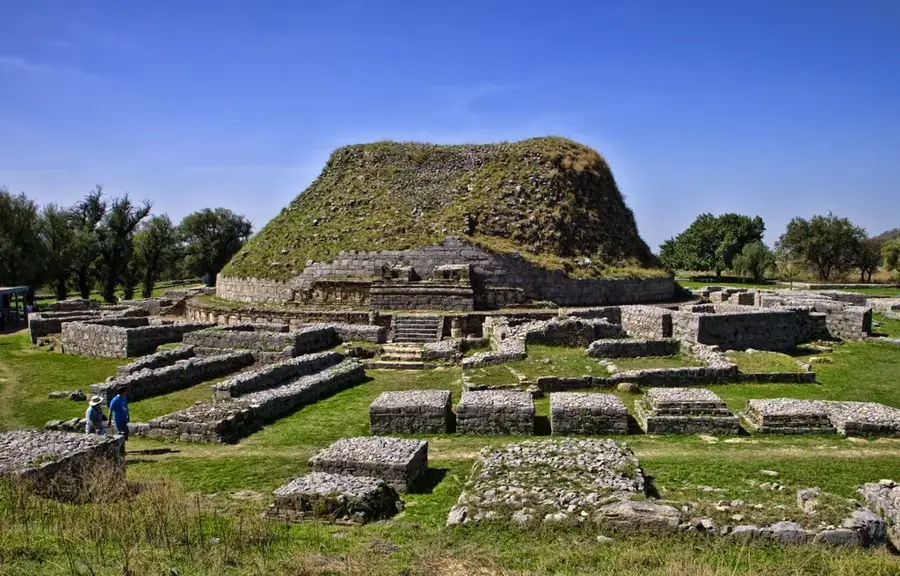
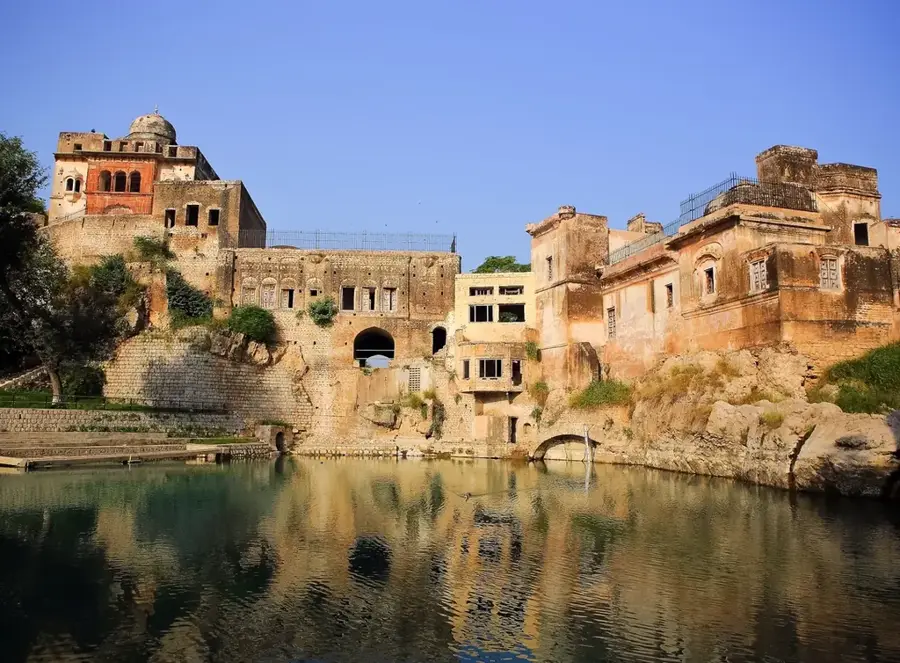
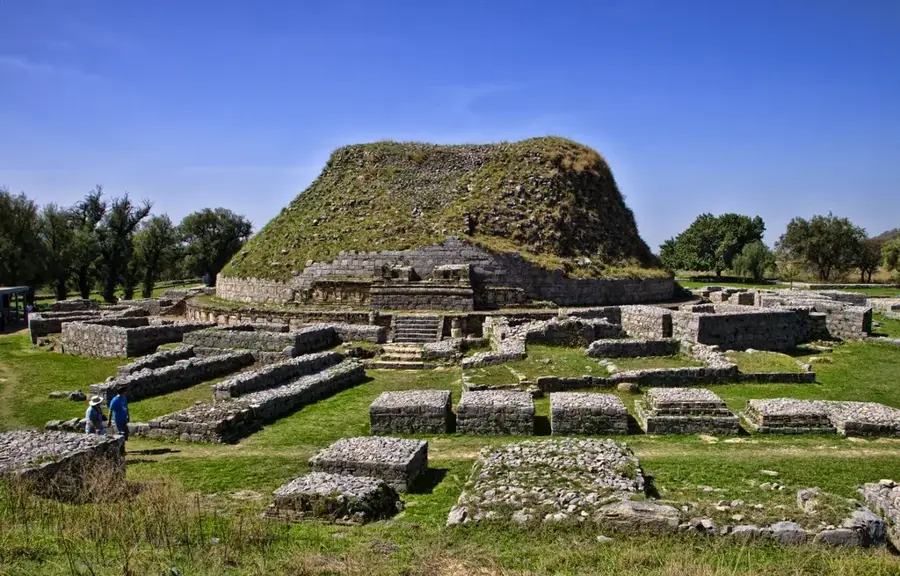
Taxila is an extraordinary archaeological complex near Islamabad that served as a premier center of learning and cultural exchange for over a thousand years. Founded around the 6th century BCE, the city sat at a strategic crossroads connecting India with Central Asia and the Mediterranean. Throughout its history, Taxila was ruled by various empires, including the Persians, the Greeks under Alexander the Great, the Mauryans, and the Kushans. This diverse heritage is evident in the distinct archaeological layers of its three main cities: Bhir Mound, Sirkap, and Sirsukh. Taxila is most famous for its ancient university, regarded as one of the world's earliest institutions of higher education, attracting scholars from across the continent. It was also a vital center for Buddhism, evidenced by ruins of monasteries like Jaulian and stupas such as Dharmarajika. The site is the birthplace of Gandhara art, a unique fusion of Greek and Buddhist artistic styles. In 1980, Taxila was designated a UNESCO World Heritage site, celebrating its role as a beacon of ancient global civilization.

Best time to visit & climate

The most pleasant time to visit is Apr, Oct, Nov.

JanFebMarAprMayJunJulAugSepOctNovDec
Avg °C111318243034323027231713
Rain mm409088596211222018480241825

📋 Practical info

🚪
Visiting
The Taxila Ruins are an extensive archaeological site that can be visited. The remains of the ancient Gandharan city are scattered and accessible from outside as well as partially inside. A small entry fee may be charged for certain areas.
🕒
Typical hours
The site is typically open from sunrise to sunset, similar to other archaeological parks in Pakistan. There are no strict opening hours, but entry is often only granted during daylight hours. Ask locally for the current timetable.
📷
Photography
Photography is allowed in most areas of the ruins. For professional shoots or drones, a permit may be required. Avoid flash in covered ruins to protect delicate structures.
⏱️
Time needed
Plan at least two to three hours for a walk through the main areas. The site includes several stupas, monasteries, and ancient streets that require ample exploration time. History enthusiasts may want to spend half a day.
Combine with
The Taxila Ruins are near the modern town of Taxila, which houses the Archaeological Museum. A museum visit perfectly complements the ruins. Nearby Buddhist sites like Dharmarajika Stupa are also worth a detour.
🧭
Getting there
Taxila is about one hour from Islamabad by car or bus. The ruins are well signposted along the Grand Trunk Road. On-site, you can move between areas by taxi or on foot.
💡
Insider tip
Bring a hat and plenty of water as there is little shade on the site. A local guide can bring the history of each site to life - ask at the entrance for official guides. Early morning is best for clear photos.

Geography

Coordinates
33.74000, 72.83000

Facts

  • Taxila was founded around 600 BCE and flourished for over 1,000 years.
  • Alexander the Great visited Taxila in 326 BCE and established an alliance.
  • The university is often cited as the oldest in the world by some historians.
  • The Dharmarajika Stupa was commissioned by Emperor Ashoka in the 3rd century BCE.
  • Archaeological excavations officially began under Sir John Marshall in 1913.
  • The site was added to the UNESCO World Heritage list in 1980.

Explore nearby

Notable places around
Route planner — Car & Motorhome

Where do you start? We build the route here, with stops and country notes along the way.

Vehicle
Only stops with (optional):

© OpenStreetMap contributors · OpenRouteService

Sights in the town Taxila Ruins (7)

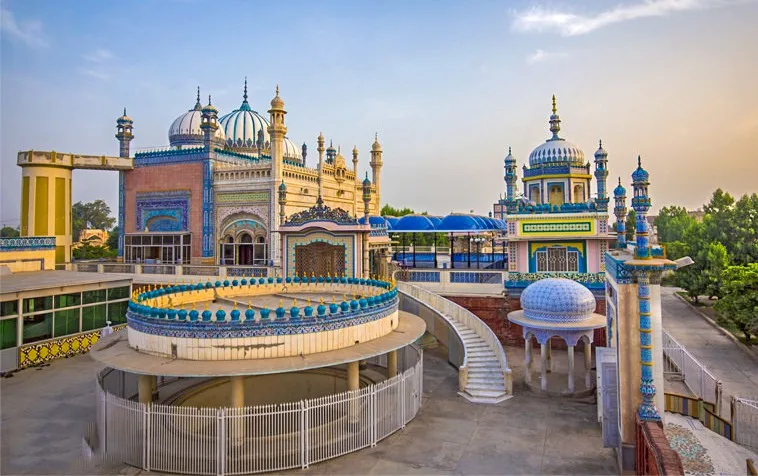
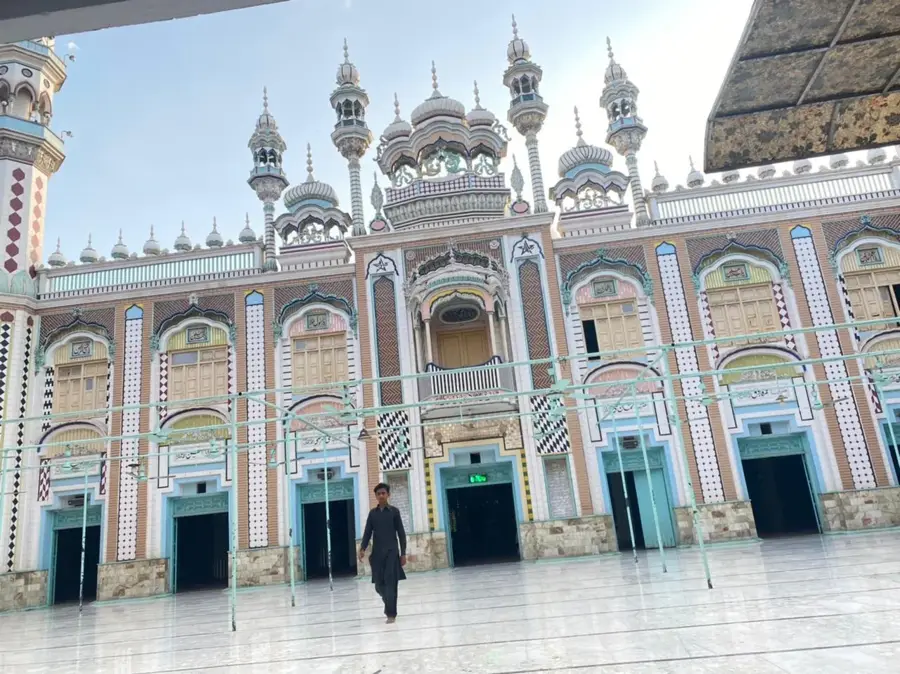
Giri Mosque📍 landmark

A historic mosque situated within the Giri complex, reflecting late medieval architecture near ancient monasteries.

Giri Complex of Monuments📍 landmark

This hilltop complex features the ruins of ancient Buddhist monasteries and later medieval fortifications.

Khader Mohra📍 landmark

An archaeological site near Taxila featuring remains of ancient residential and religious structures from the Gandhara era.

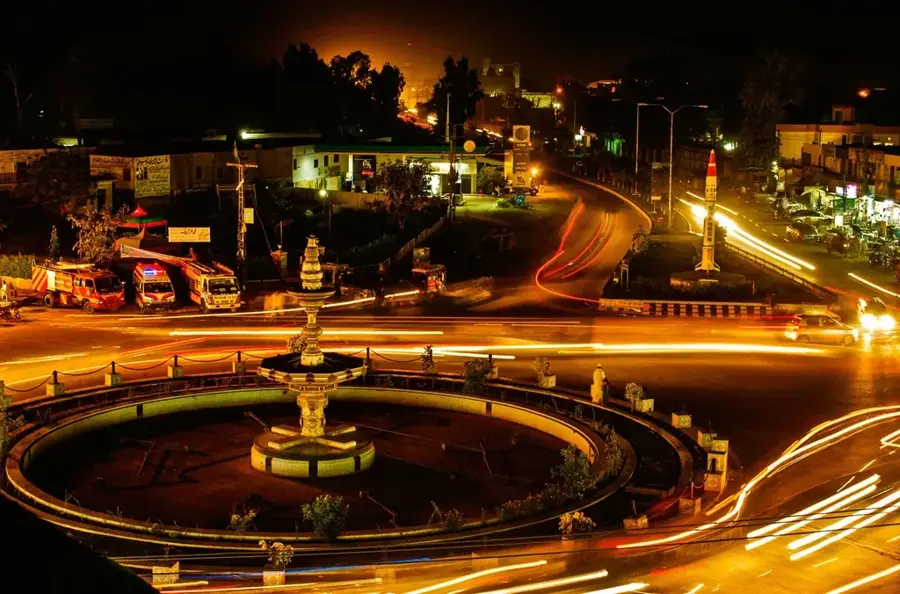
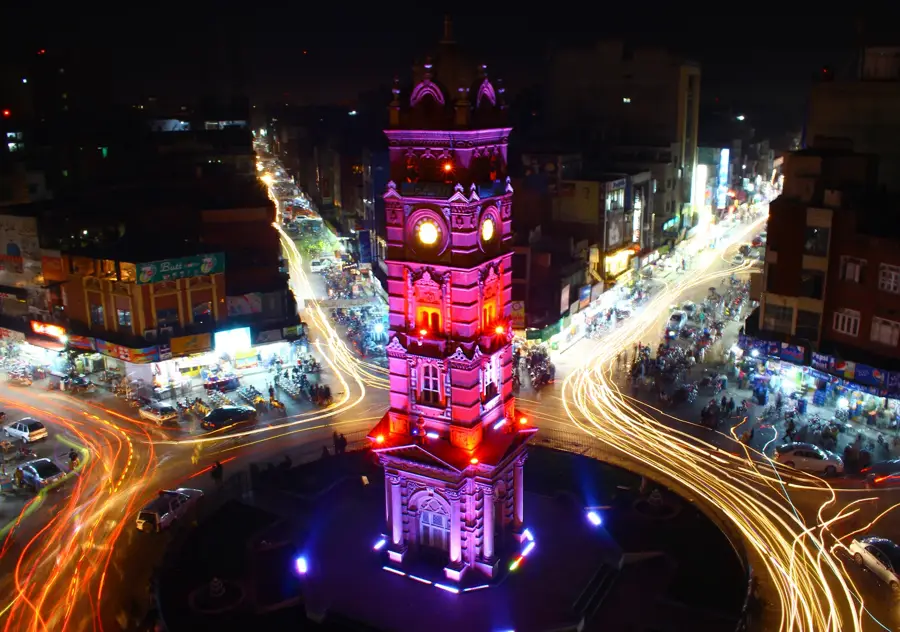
TANK Chok (🏺 historical

A central commemorative square in Taxila marking a major road intersection with a monumental landmark.

Nicholson Monument🏺 historical

A towering 19th-century granite obelisk dedicated to the memory of Brigadier-General John Nicholson.

Dharmarajika Stupa🏺 historical

A massive Buddhist stupa founded by Emperor Ashoka in the 3rd century BCE, once a center of learning.

Multi Gardens Zoo🎡 recreation

A family-friendly wildlife park featuring regional animals and carefully landscaped gardens.

Sights nearby

Frequently asked questions

What is Taxila?
A significant archaeological site showcasing former Buddhist learning centers and Greek influences.
How many sites are there?
There are several scattered ruins and a central museum.
Is there a museum?
Yes, the Taxila Museum houses an important collection of archaeological findings.
What is the best way to get there?
Taxila is just a short drive from Islamabad.
Is it suitable for families?
Yes, visiting the museum and the ruins is educational for children.
Taxila Ruins: where is it located?
Taxila Ruins is located in Pakistan.
Taxila Ruins: what is there to see?
Highlights include Giri Mosque, Giri Complex of Monuments, Khader Mohra.
Taxila Ruins: when is the best time to visit?
The most pleasant time to visit is Apr, Oct, Nov.
Taxila Ruins: why is it worth visiting?

Taxila is an extraordinary archaeological complex near Islamabad that served as a premier center of learning and cultural exchange for over a thousand years.
View on map → The Top 50 Attractions → OpenStreetMap →
Asia
Explore with Plizio Discover more places in Asia
More places in Pakistan →

Nearby cities

History & landmarks
More places