Plizio Visual Lab

Tarbela Dam
Plizio editorial teamData Sources
energy
—°9
Tarbela Dam (Pakistan)

Weather…

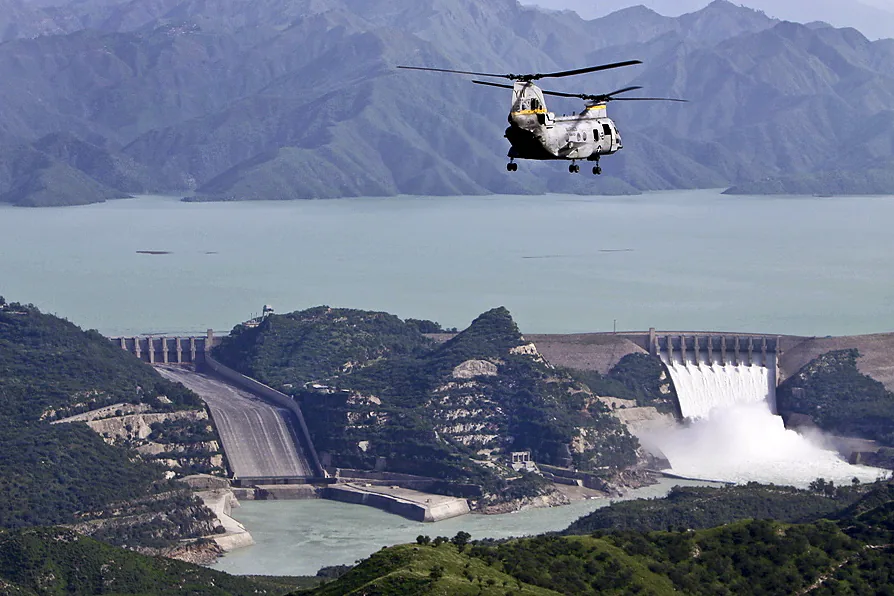
The Tarbela Dam, situated on the Indus River in Khyber Pakhtunkhwa, is the world's largest earth-filled dam and a masterpiece of engineering. Completed in 1976, this massive structure was designed for irrigation and hydroelectric power, serving as a lifeline for Pakistan's agricultural sector. With a current installed capacity of approximately 4,888 MW after the Fourth Extension Project, it provides a significant share of the country's clean energy. The dam forms a massive reservoir that stores water for the winter season, ensuring that downstream farmlands receive a steady supply during dry months. Ongoing projects like the Fifth Extension aim to further increase its power output to meet growing national demands. Beyond its economic utility, the dam is a vital component of the Indus Basin Project, managing the river's flow and mitigating the risks of seasonal flooding in the plains below.

Best time to visit & climate

The most pleasant time to visit is Mar, Oct, Nov.

JanFebMarAprMayJunJulAugSepOctNovDec
Avg °C121419253135333129251914
Rain mm40979474537815013055272427

📋 Practical info

🏭
What is this place?
The Tarbela Dam is an immense earth-filled structure on the Indus River and ranks among the largest of its kind globally. It plays a crucial role in Pakistan's agricultural irrigation and supplies a massive portion of the nation's hydroelectricity.
🚪
Visiting
Access to the main dam facilities and power generation areas is usually highly restricted due to national security regulations. Visitors typically require special prior authorization from the Water and Power Development Authority to enter the primary site.
👀
Where to view it
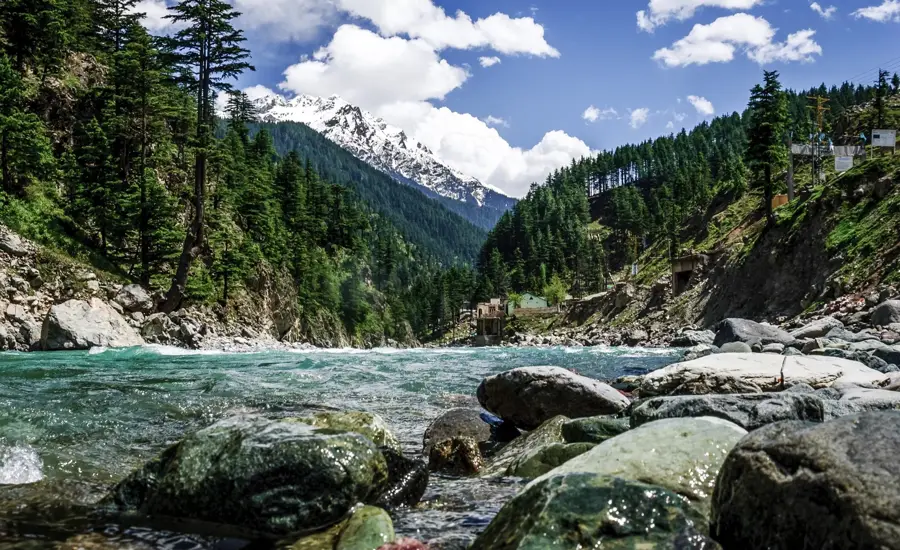
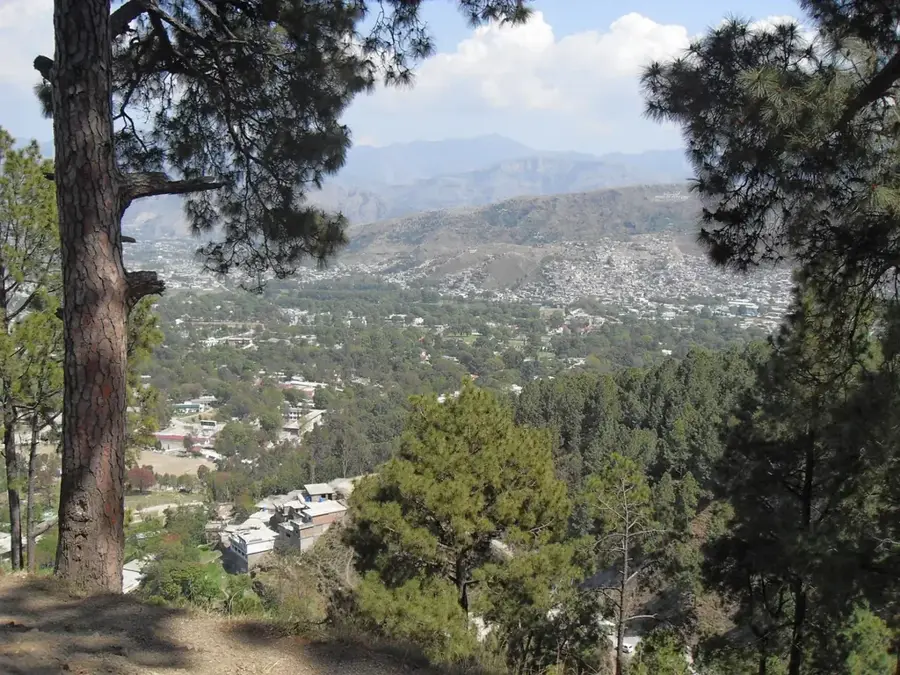
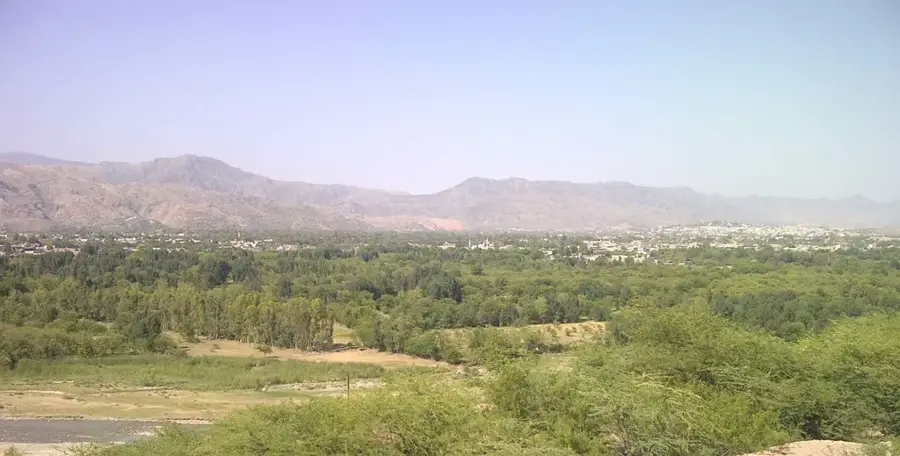
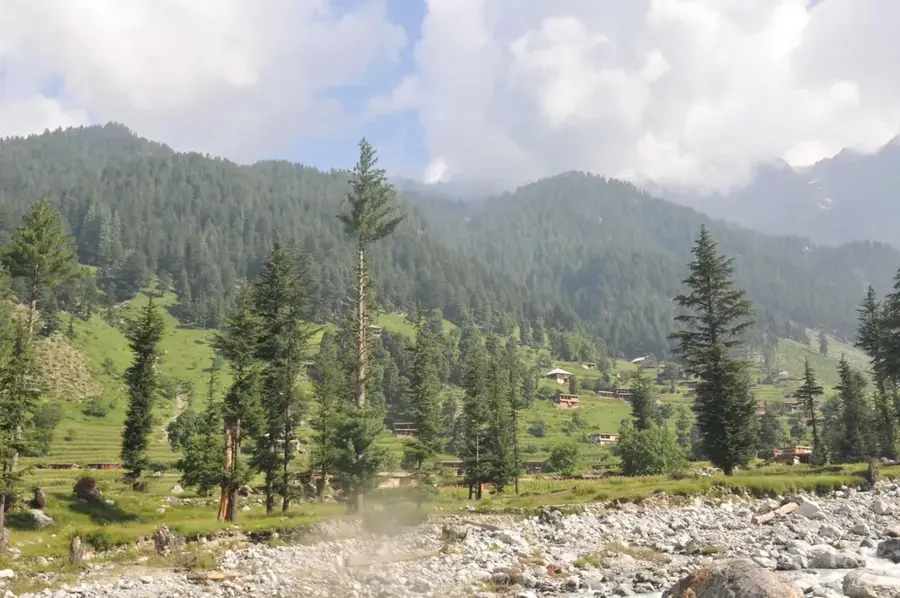
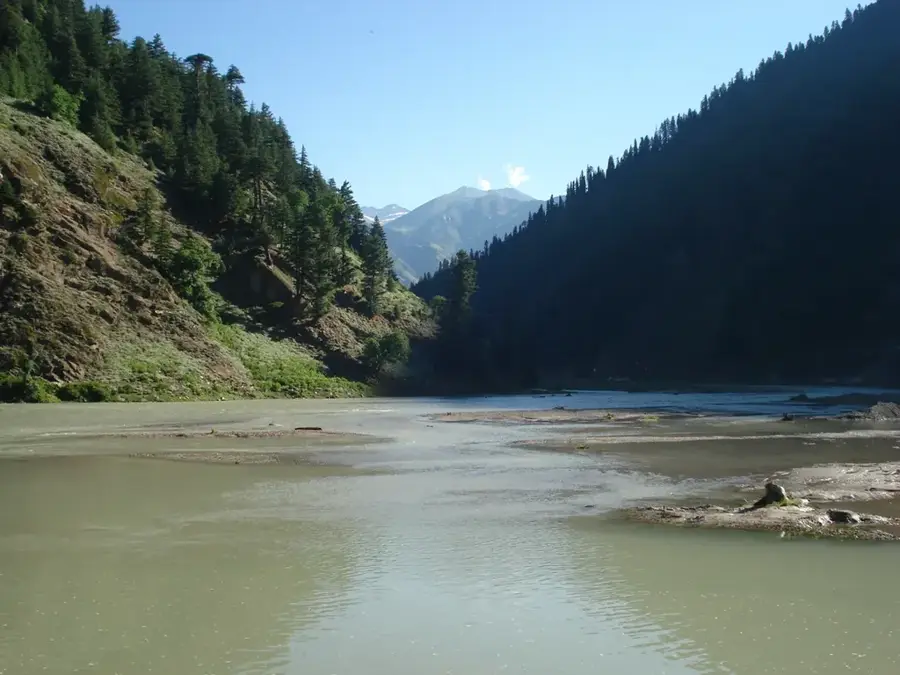
Travelers can often get impressive panoramic views of the massive reservoir and the surrounding mountainous landscape from designated viewpoints along the approach roads. The vast expanse of the artificial lake is best appreciated from elevated vantage points outside the secure perimeter.
🧺
Local products
Local markets in the nearby towns often feature regional agricultural produce supported by the dam's irrigation network. Travelers might also find traditional Pakistani textiles, regional handicrafts, and fresh fish caught from the expansive reservoir waters.
📆
Active season
The reservoir's water levels are typically highest during the late summer months following the monsoon rains and the melting of Himalayan snows. This period features the most spectacular view of the massive water volume, although road conditions can sometimes be challenging.
Nearby
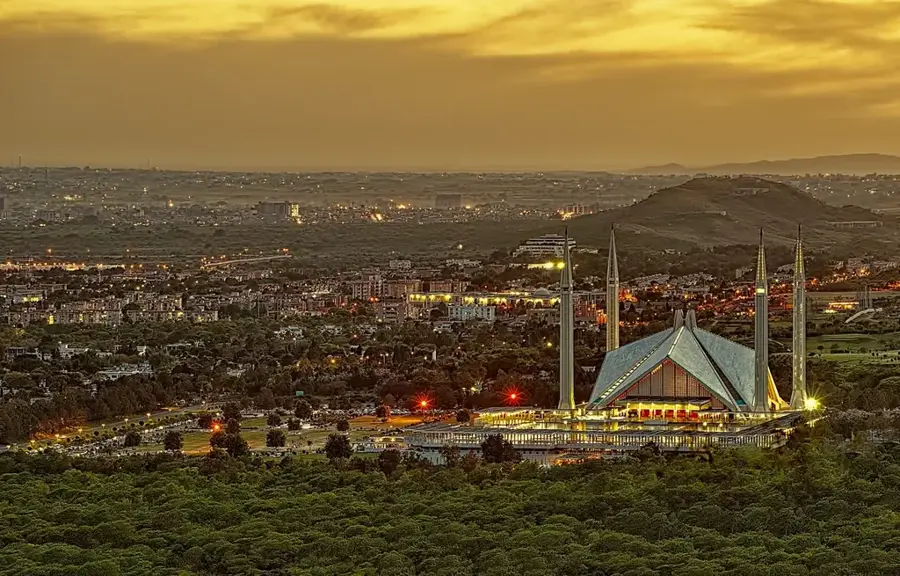
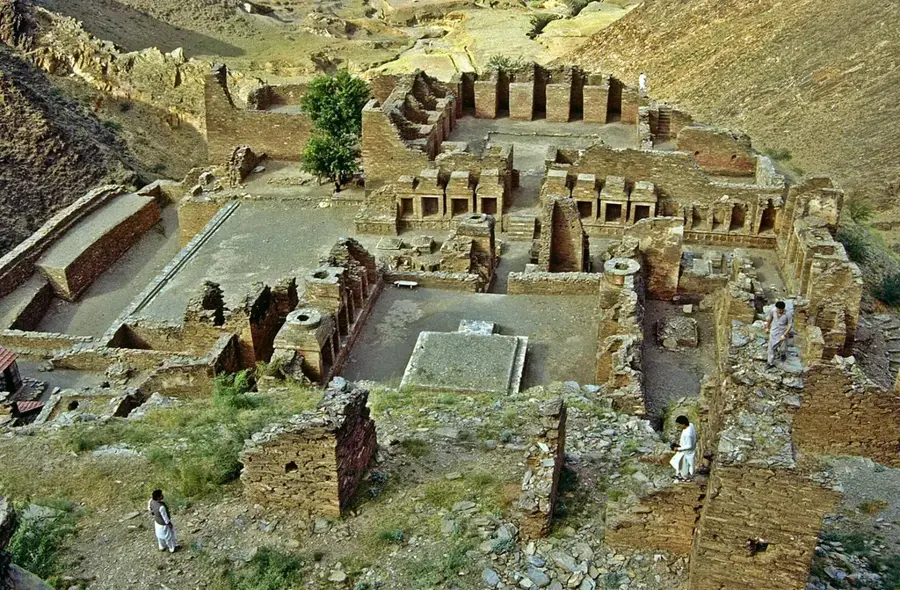
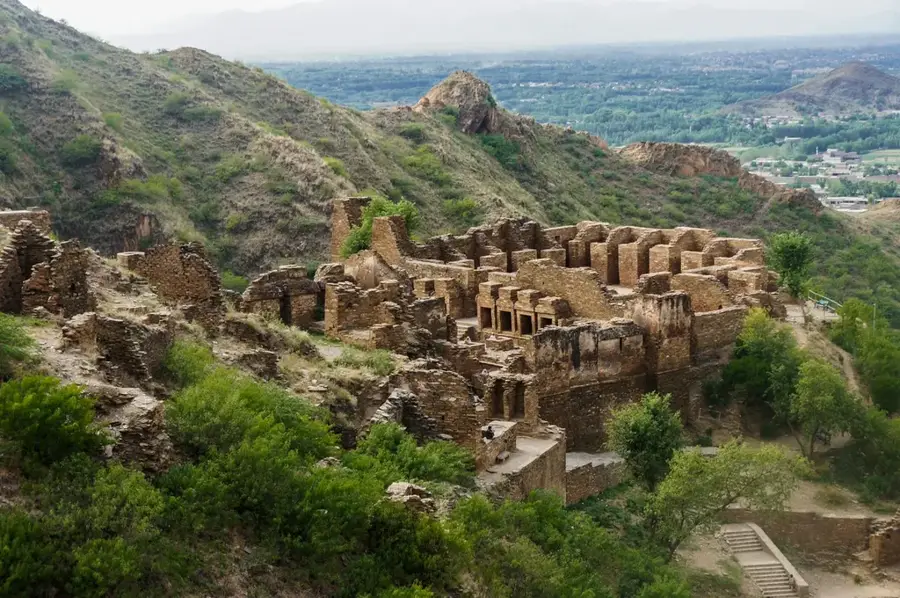
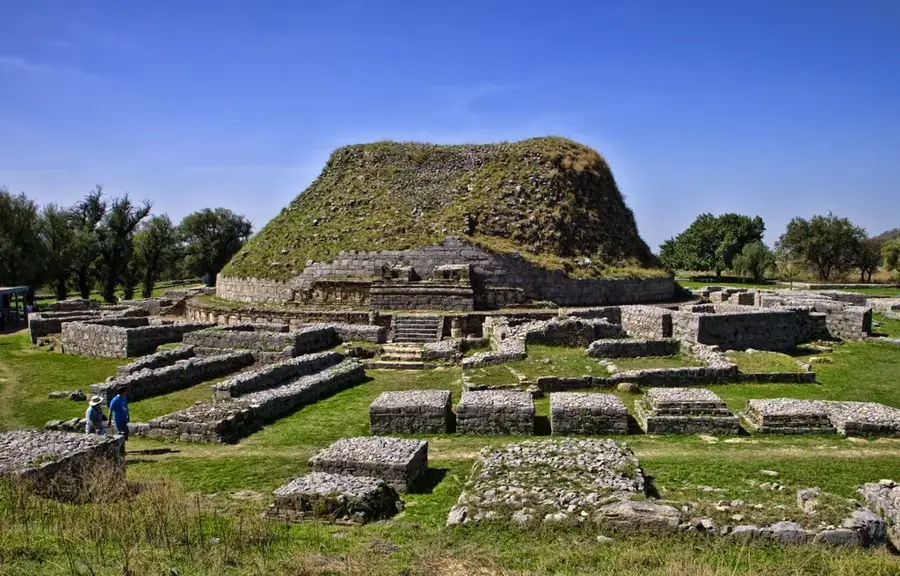
A trip to the dam area can be well integrated with exploring the historical Gandhara region around Taxila, which is home to ancient archaeological sites. The nearby capital city of Islamabad also gives a modern contrast with its structured layout and significant cultural landmarks.

Geography

Coordinates
34.09000, 72.69900

Facts

  • Located on the Indus River in Khyber Pakhtunkhwa.
  • It is the largest earth-filled dam in the world by volume.
  • Construction was completed in 1976 as part of the Indus Basin Project.
  • Has a current power generation capacity of 4,888 MW.
  • The reservoir covers an area of approximately 250 square kilometers.
  • Primarily used for irrigation, flood control, and hydroelectricity.

Explore nearby

Notable places around
Route planner — Car & Motorhome

Where do you start? We build the route here, with stops and country notes along the way.

Vehicle
Only stops with (optional):

© OpenStreetMap contributors · OpenRouteService

Sights in the town Tarbela Dam (9)

Auditorium🎭 culture

Large assembly hall used for events at the massive Tarbela Dam complex.

Jamia masjid sanober colony📍 landmark

A mosque in the Sanober Colony serving Muslim worshippers near the Tarbela Dam area.

Catholic Church📍 landmark

A Christian place of worship for the local community near the Tarbela Dam energy hub.

Jamia Masjid📍 landmark

A central mosque for daily prayers located near the industrial facilities of Tarbela Dam.

aksa masjid⛪ religious

A local Islamic place of worship situated near the massive Tarbela hydroelectric project.

gadoon mosque⛪ religious

A mosque for residents of the Gadoon area near the Tarbela energy district.

alqasa masjid⛪ religious

A Muslim place of prayer within the economic environment surrounding the Tarbela Dam.

Khalo Mandi bazar🎭 culture

A traditional marketplace in the Khalo area with various goods for Tarbela residents.

Fruits and Sabzi Mandi🎭 culture

A lively market for fresh fruit and vegetables in the Tarbela Dam supply area.

Sights nearby

Frequently asked questions

Can you visit the Tarbela Dam?
Visits are only possible with special permission, as it is a strategic energy asset.
What makes the structure so special?
It is one of the world's largest earth-filled dams and a cornerstone of Pakistan's power supply.
Where is the structure located?
The dam is located on the Indus River in the Haripur District, Khyber Pakhtunkhwa.
Can you fish or swim in the reservoir?
No, tourist activities such as swimming are prohibited for safety reasons.
What is the weather like in the region?
The climate is hot in summer, while it is pleasant and mild in winter.
Tarbela Dam: where is it located?
Tarbela Dam is located in Pakistan.
Tarbela Dam: what is there to see?
Highlights include Auditorium, Jamia masjid sanober colony, Catholic Church.
Tarbela Dam: when is the best time to visit?
The most pleasant time to visit is Mar, Oct, Nov.
Tarbela Dam: why is it worth visiting?

The Tarbela Dam, situated on the Indus River in Khyber Pakhtunkhwa, is the world's largest earth-filled dam and a masterpiece of engineering.
View on map → The Top 50 Attractions → OpenStreetMap →
Asia
Explore with Plizio Discover more places in Asia
More places in Pakistan →

Nearby cities

History & landmarks
Nature
More places