Plizio Visual Lab

Pothohar Plateau
Plizio editorial teamData Sources
plateau
—°3
Pothohar Plateau (Pakistan)

Weather…

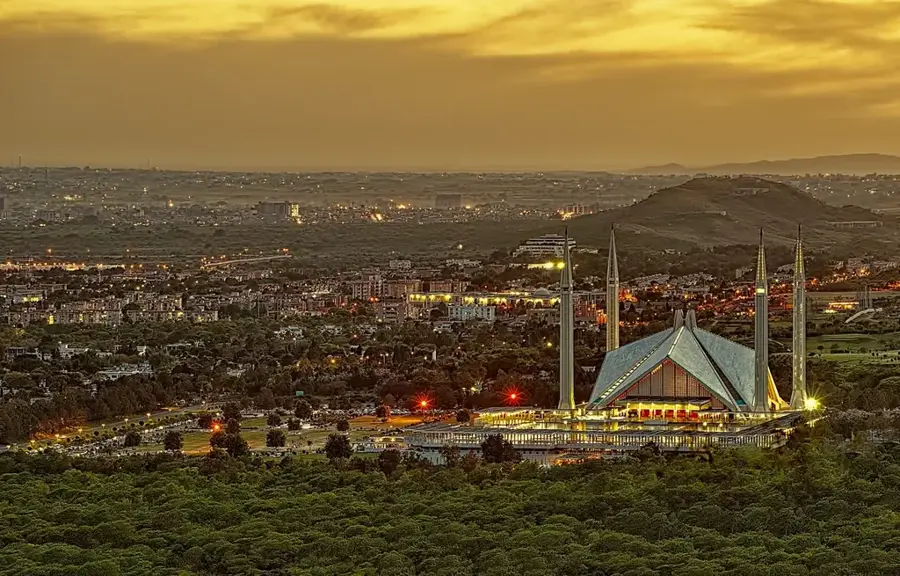
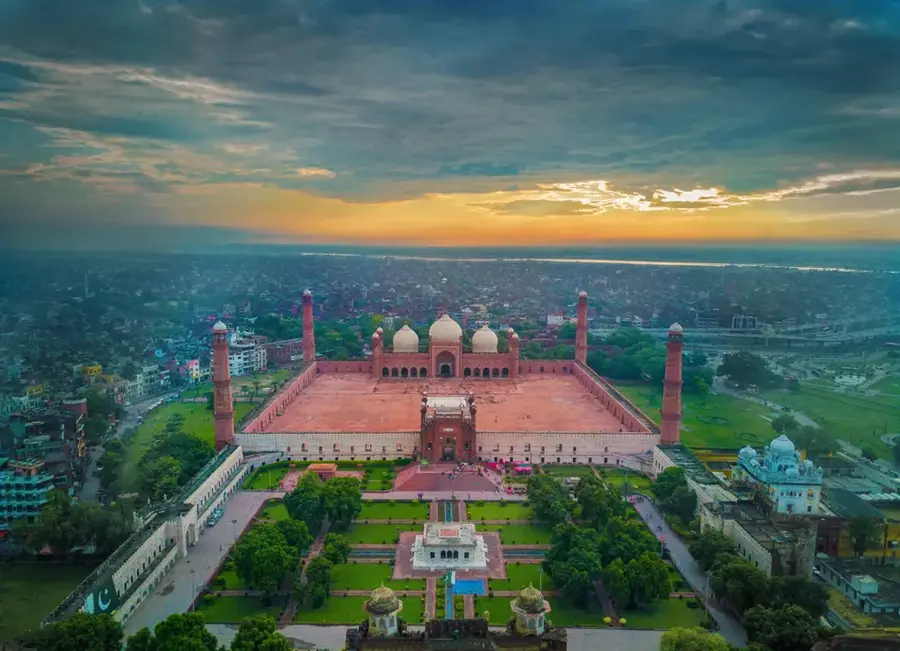
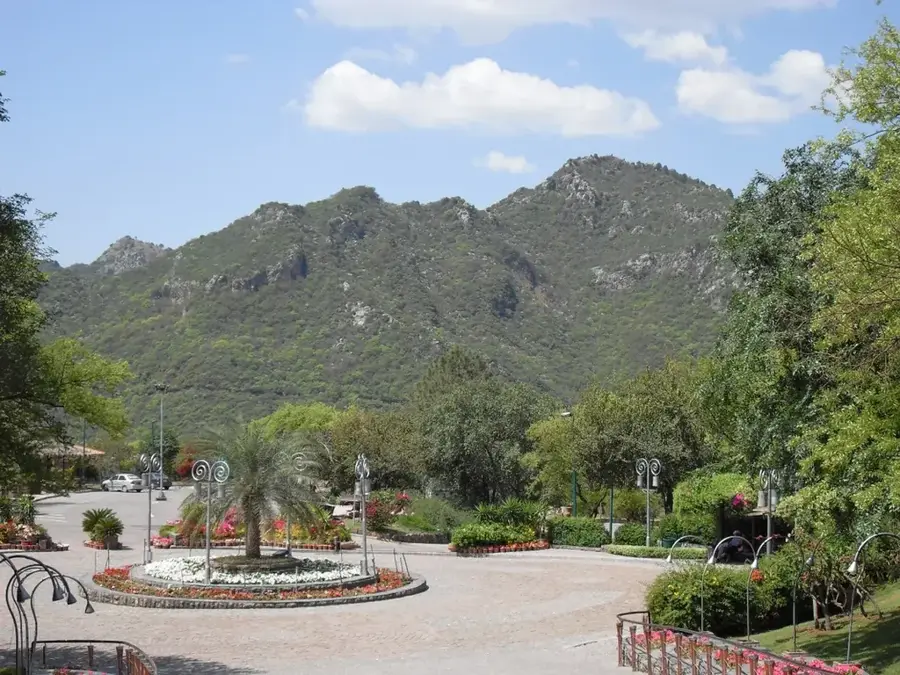
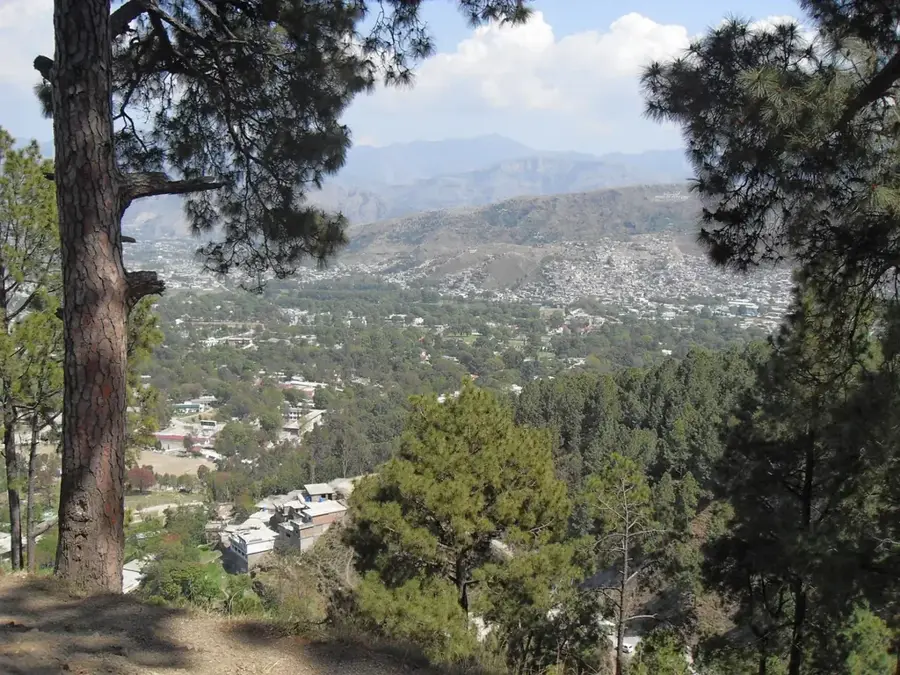
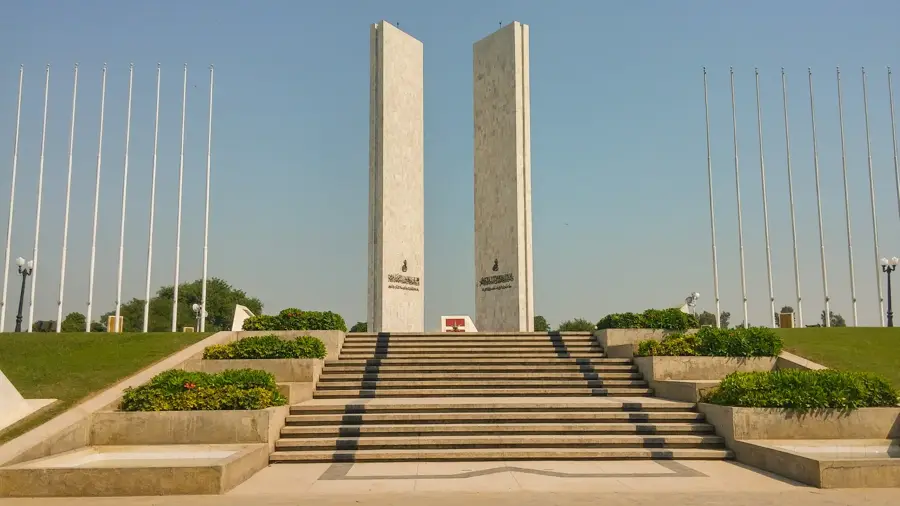
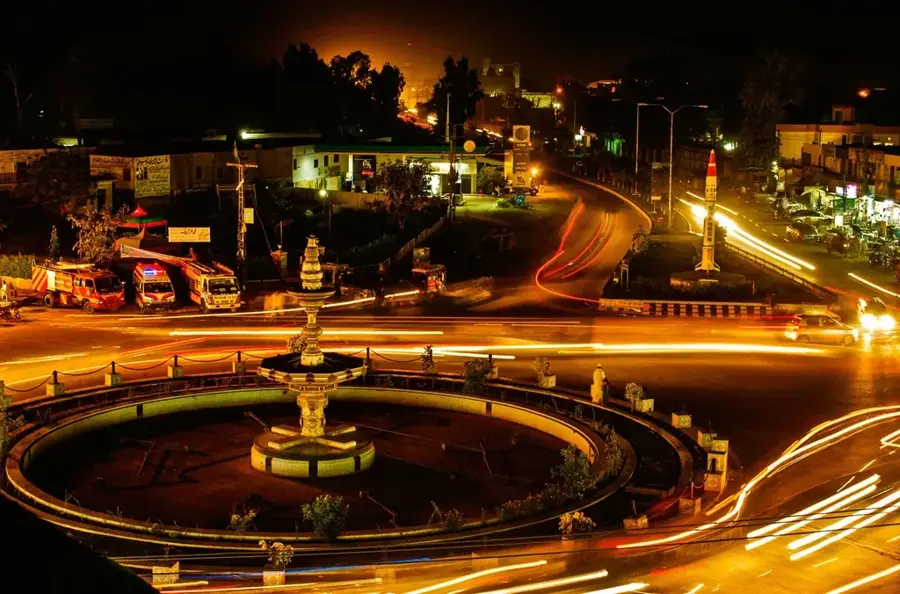
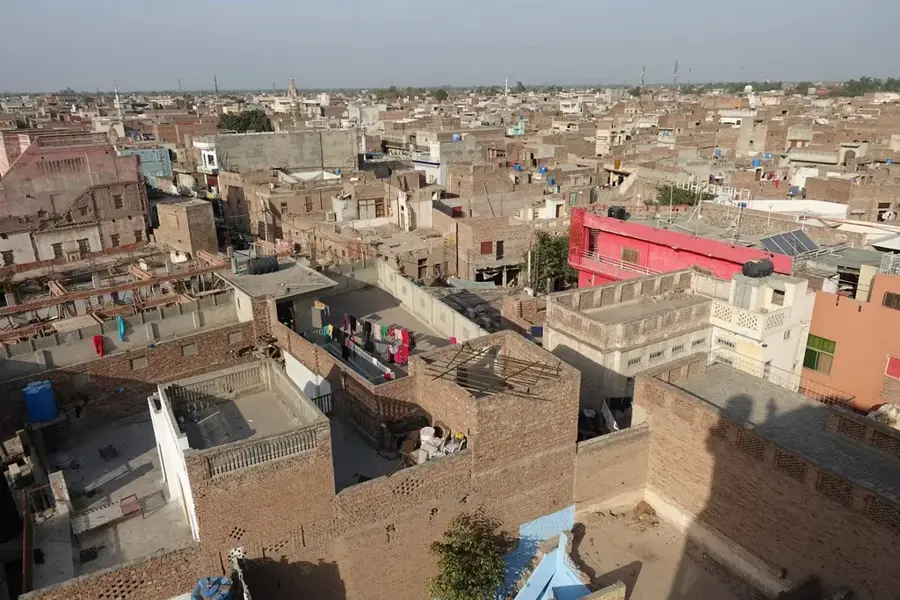
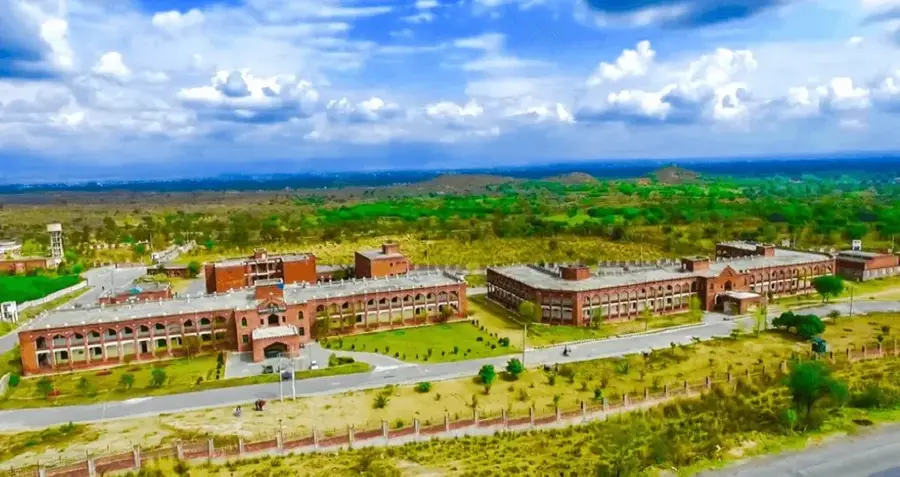
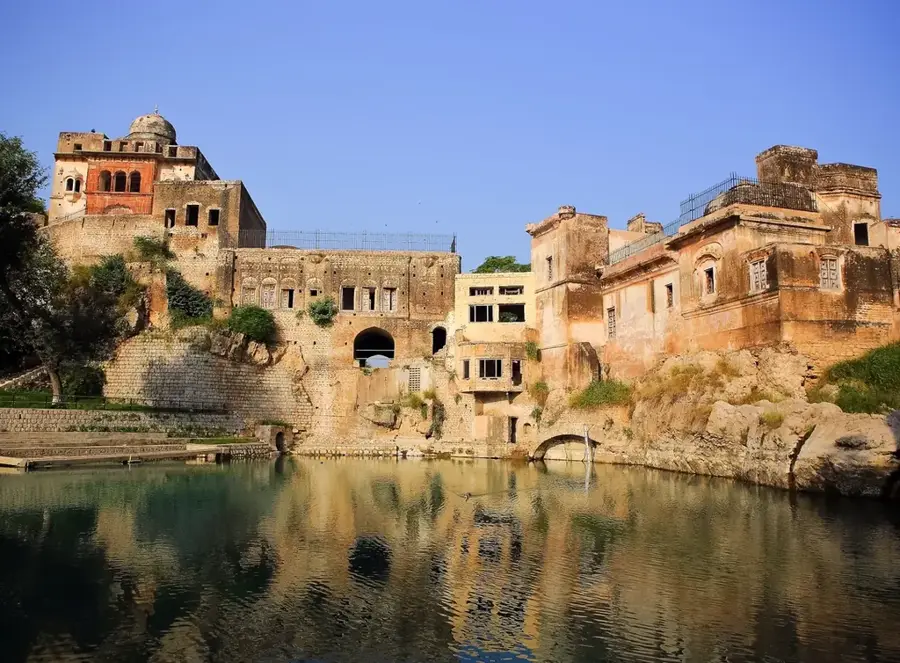
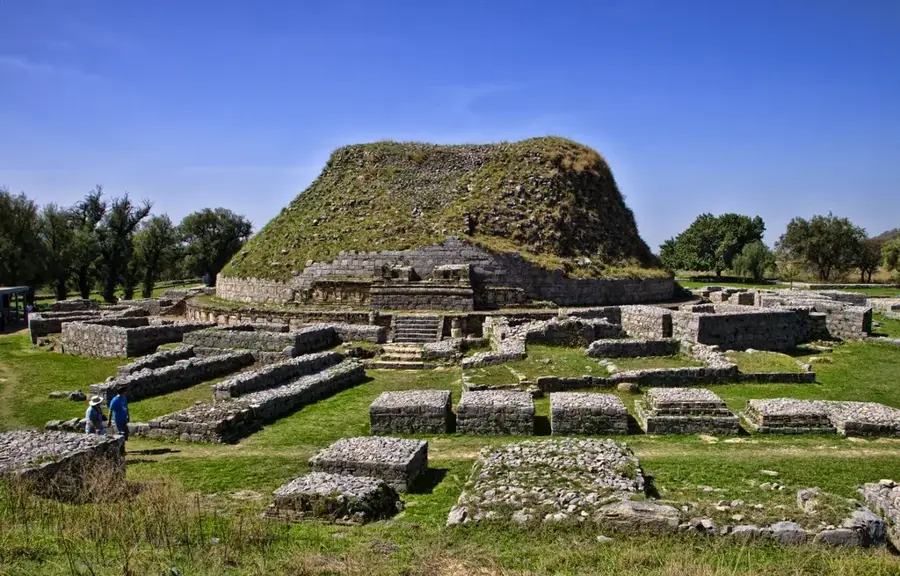
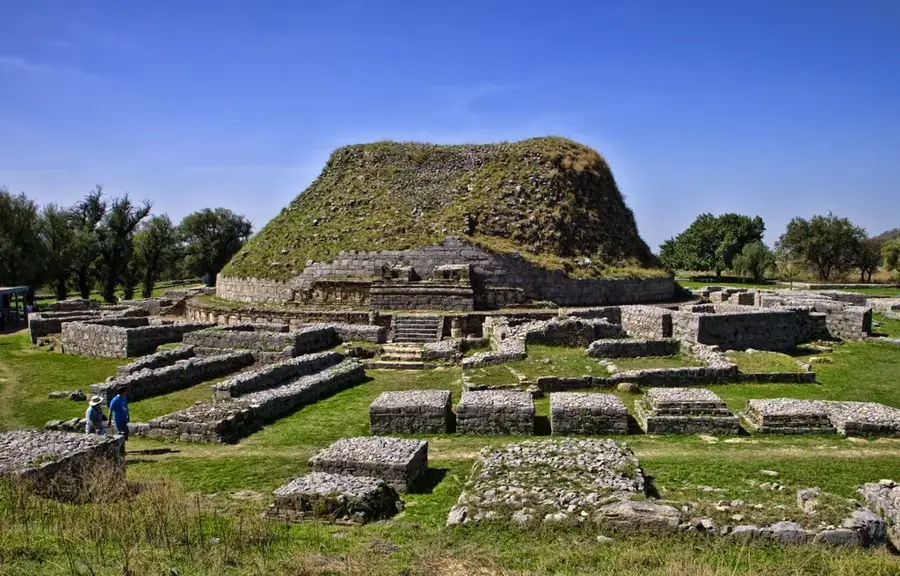
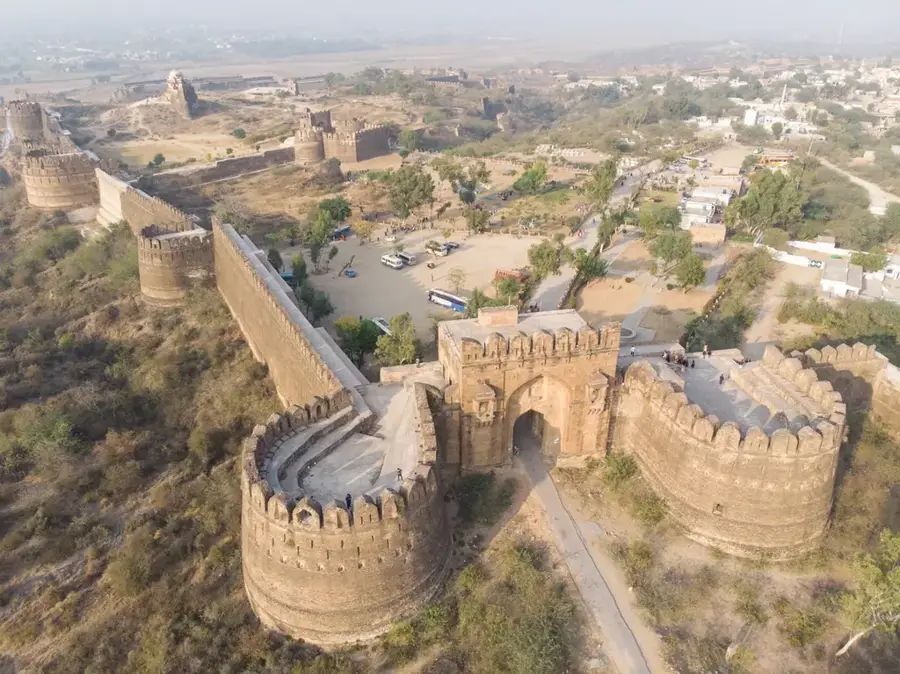
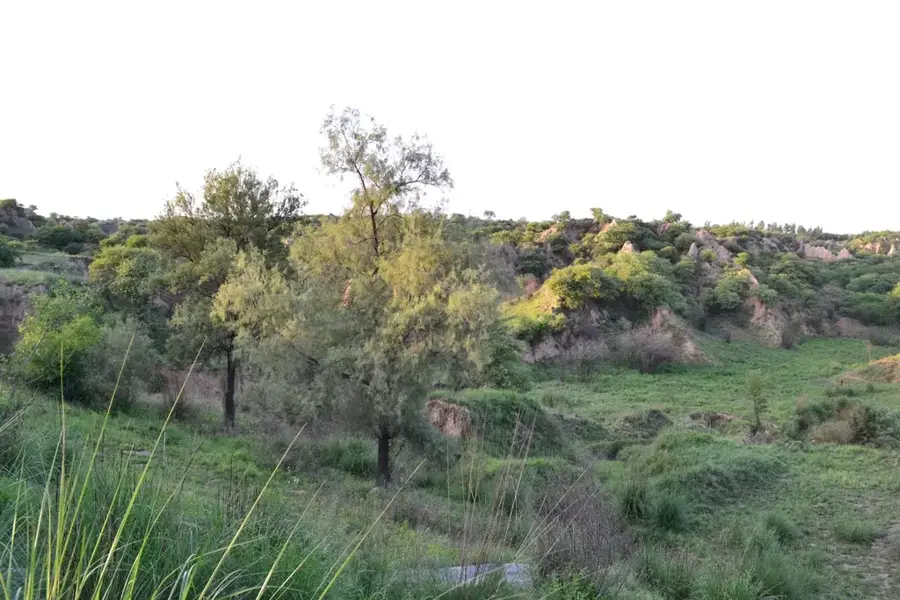
The Pothohar Plateau is a high-altitude plain in northern Punjab, Pakistan, bordered by the Indus and Jhelum rivers. It is one of the earliest sites of human habitation in South Asia, with archaeological finds dating back to the Soanian culture. The landscape is diverse, featuring ravines, hills, and fertile valleys. The region holds major strategic importance, hosting Pakistan's capital, Islamabad, and the garrison city of Rawalpindi. The plateau is rich in mineral resources, including petroleum, natural gas, and coal. Agriculture is a significant economic activity despite limited water resources. Rohtas Fort, a UNESCO World Heritage site, and the ruins of Taxila are major historical sites on the plateau.

Best time to visit & climate

The most pleasant time to visit is Mar, Oct, Nov.

JanFebMarAprMayJunJulAugSepOctNovDec
Avg °C111419253134323028241813
Rain mm31686845479821016674191319

📋 Practical info

🧭
Getting there
The plateau is readily accessible by road from major cities like Islamabad and Rawalpindi, utilizing the existing highway networks that cross the region. Public transport and private taxis are widely available for reaching key archaeological and natural sites.
📅
Best season
The convenient time for a visit is between October and March, avoiding the intense heat of the summer and the heavy monsoon rains of July and August. During these milder months, the weather is pleasant enough for extensive walking and exploring the rugged hills.
⛰️
Terrain & paths
Expect a heavily undulating landscape featuring severe erosion, deep ravines, and generally rocky, uneven surfaces throughout the area. While some historical sites have paved walkways, much of the wider plateau requires walking over rough and broken ground.
🎒
What to bring
Sturdy hiking boots with excellent ankle support are essential for navigating the eroded gullies and uneven rocks safely. Sunscreen, a wide-brimmed hat, and plenty of water are also crucial, as the exposed plateau provides very little natural tree canopy.
🅿️
Parking
Most major points of interest and archaeological sites across the plateau offer designated parking areas for visitors and tour buses. When stopping at more remote natural viewpoints, it is best to pull completely off the narrow roads to avoid blocking traffic.
⚠️
Safety
The steep edges of eroded ravines can be unstable, so visitors should maintain a safe distance from sudden drop-offs and crumbling ledges. It is also wise to be cautious of local wildlife and insects, particularly during the warmer transitional months.
⏱️
Time needed
A comprehensive tour of the plateau's geological features and main historical ruins typically requires at least one to two full days. Shorter day trips from Islamabad are feasible for those wanting to focus on just a handful of specific accessible sites.

Geography

Coordinates
33.20000, 73.00000

Facts

  • The plateau has an average elevation of 300 to 600 meters.
  • It is the site of the ancient civilization of Taxila.
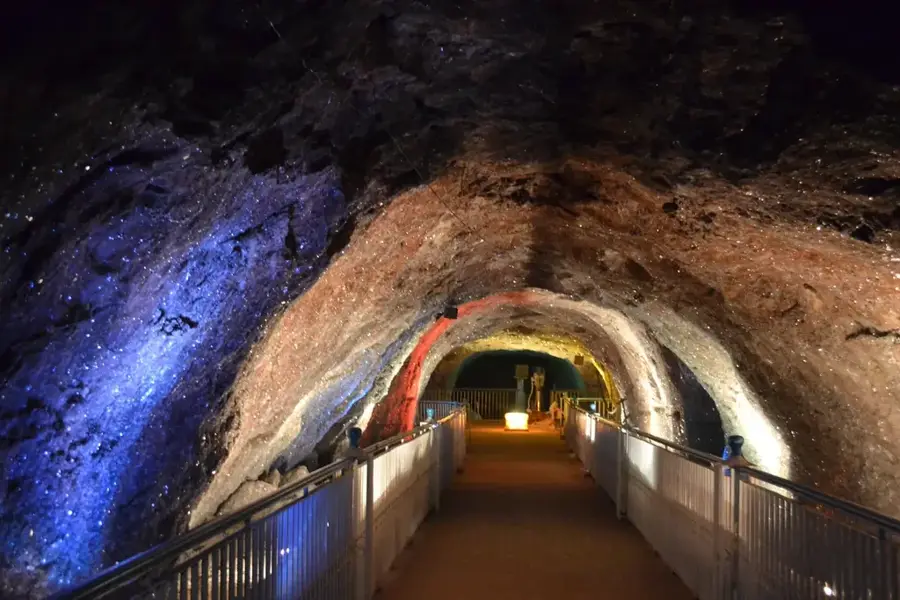
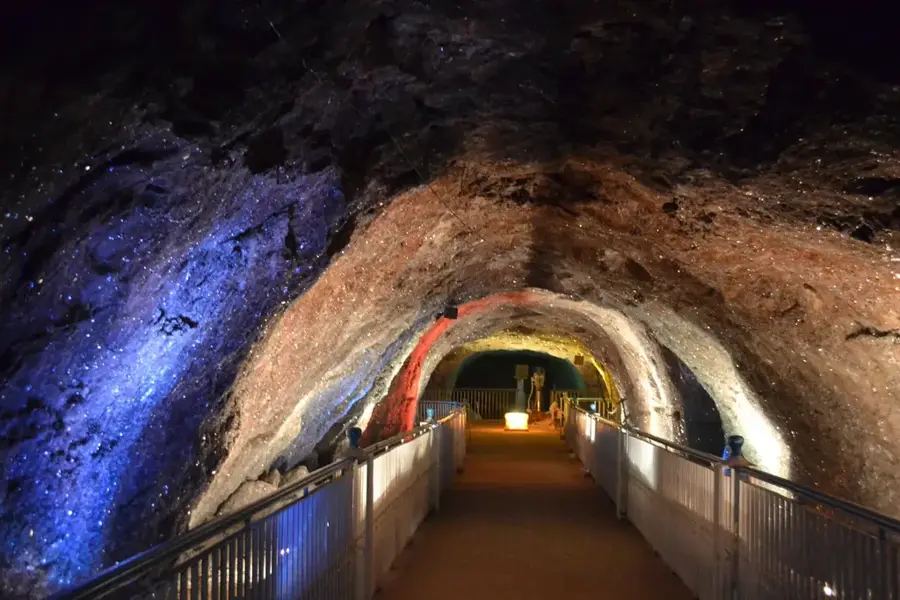
  • The Khewra Salt Mine, the world's second-largest, is located nearby.
  • The climate is semi-arid with hot summers and cold winters.
  • The region is known for its groundnut (peanut) production.
  • The Grand Trunk Road, an ancient trade route, crosses the plateau.
  • The Soanian culture is a Paleolithic culture that existed in this region.

Explore nearby

Notable places around
Route planner — Car & Motorhome

Where do you start? We build the route here, with stops and country notes along the way.

Vehicle
Only stops with (optional):

© OpenStreetMap contributors · OpenRouteService

Sights in the town Pothohar Plateau (3)

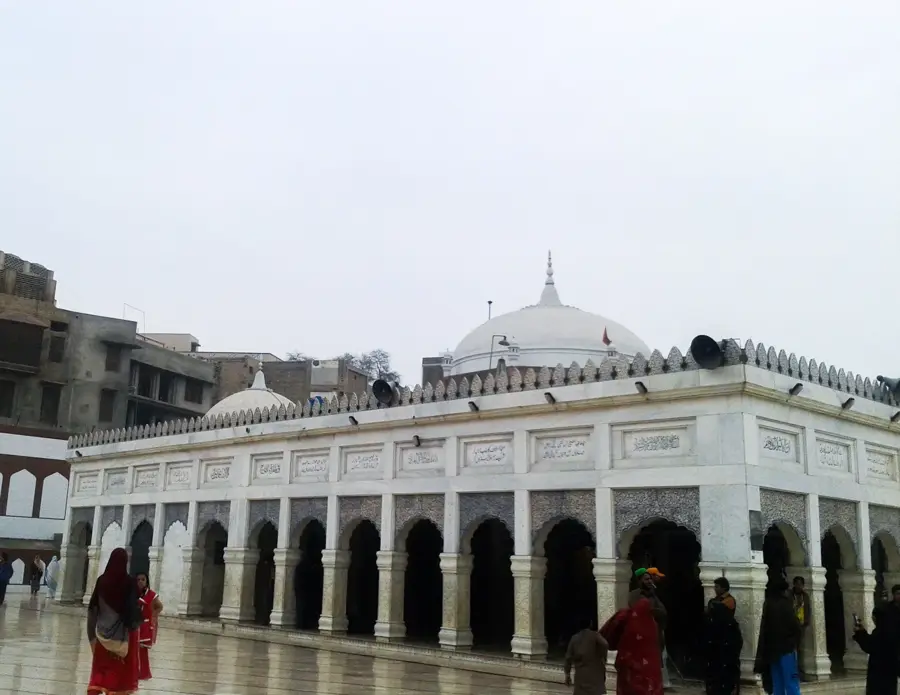
Eid Gah Jatli📍 landmark

An open-air prayer ground on the Pothohar Plateau used primarily for large congregational Eid prayers.

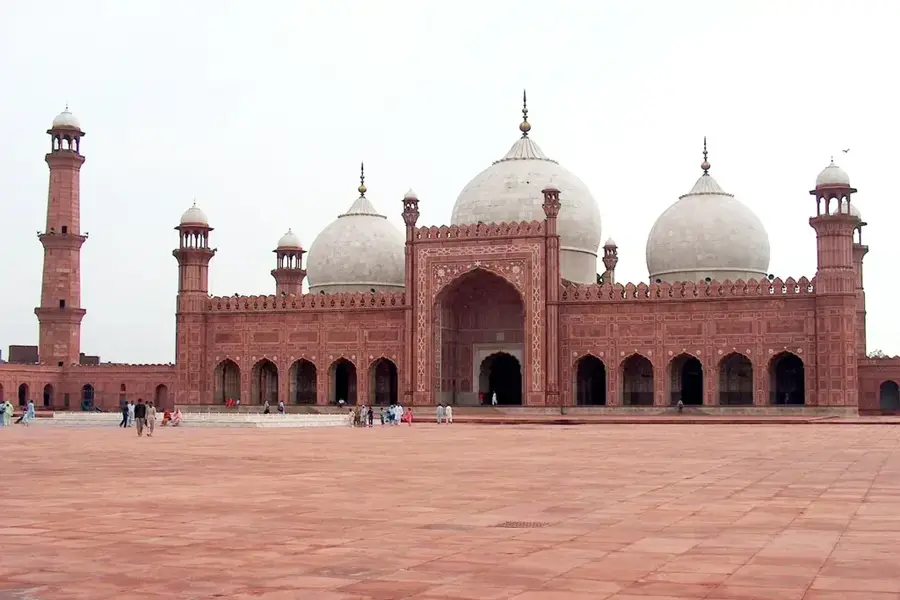
Masjid Hanfia📍 landmark

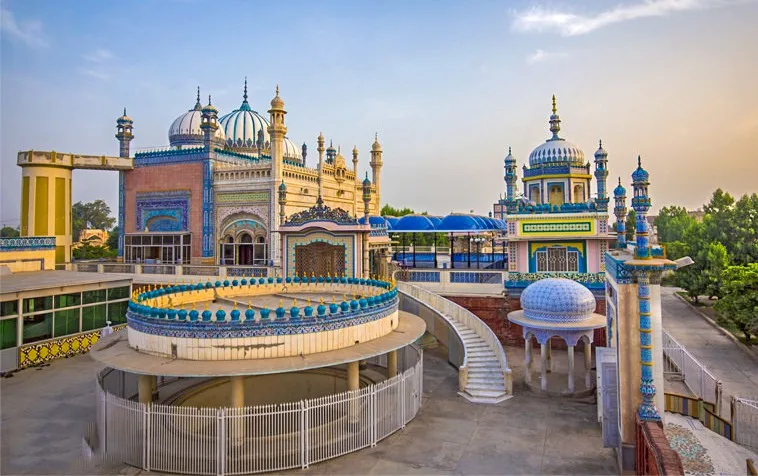
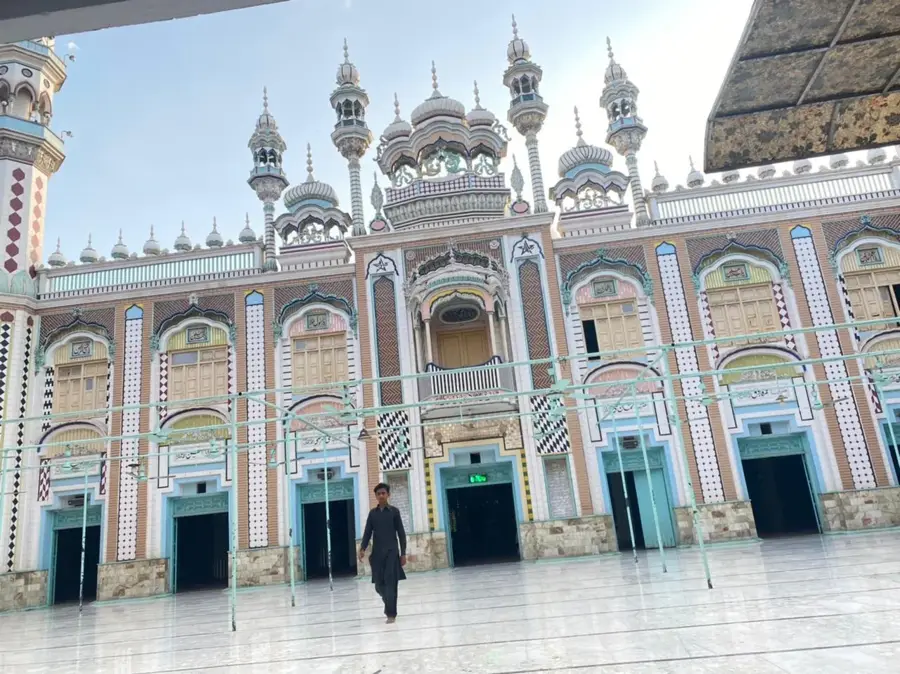
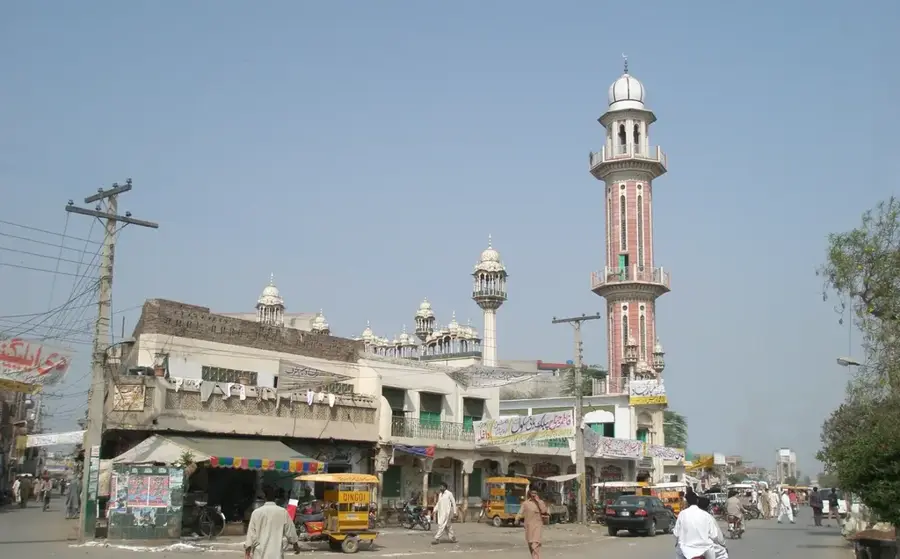
An Islamic place of worship serving the residents amidst the scenic relief of the Pothohar Plateau.

Masjad Akbar📍 landmark

A local mosque providing a peaceful place for daily Muslim prayers on the Pothohar Plateau.

Sights nearby

Frequently asked questions

What is the Pothohar Plateau?
A historically significant region between the Indus and Jhelum rivers.
Are there historical sites there?
Yes, such as the ruins of Taxila nearby.
How to reach the plateau?
It is easily accessible from Islamabad or Rawalpindi.
What is the region known for?
For its geological diversity and archaeological findings.
Is it family-friendly?
Yes, many places are easily accessible and educational.
Pothohar Plateau: where is it located?
Pothohar Plateau is located in Pakistan.
Pothohar Plateau: what is there to see?
Highlights include Eid Gah Jatli, Masjid Hanfia, Masjad Akbar.
Pothohar Plateau: when is the best time to visit?
The most pleasant time to visit is Mar, Oct, Nov.
Pothohar Plateau: why is it worth visiting?

The Pothohar Plateau is a high-altitude plain in northern Punjab, Pakistan, bordered by the Indus and Jhelum rivers.
View on map → The Top 50 Attractions → OpenStreetMap →
Asia
Explore with Plizio Discover more places in Asia
More places in Pakistan →

Nearby cities

History & landmarks
More places