Plizio Visual Lab
Pakpattan
ℹ️Practical info — Pakpattan
▾
🌤 Weather — 5 days
📍 Nearby
Sights nearby
💡 Tips
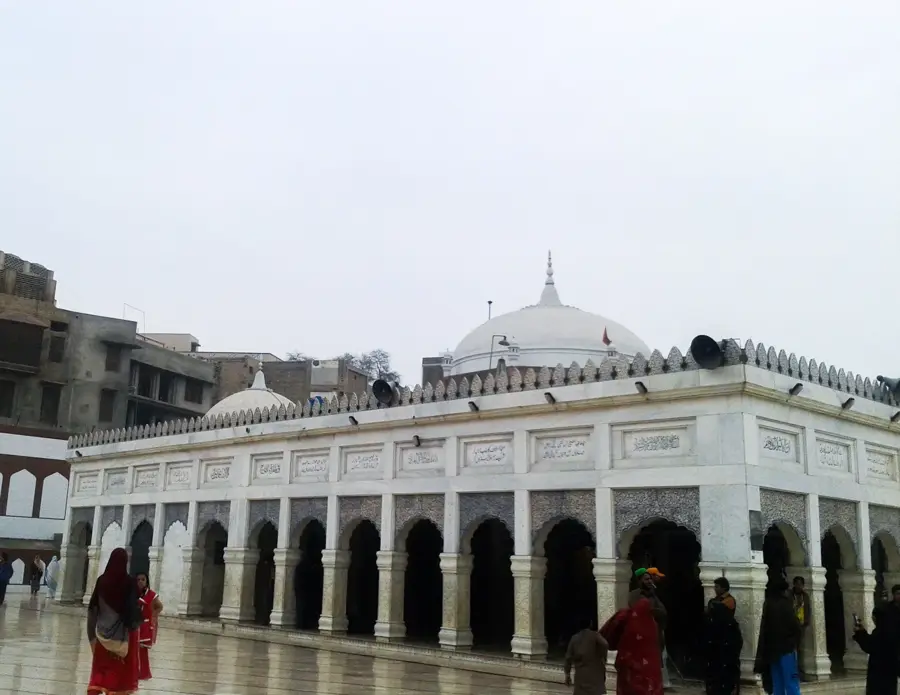
- Visit the shrine of Baba Farid with your head covered and remove your shoes before entering.
- Be prepared for massive crowds and an intense spiritual atmosphere during the annual Urs festival.
- Visit the shrine early in the morning to enjoy the meditative silence before the daily bustle begins.
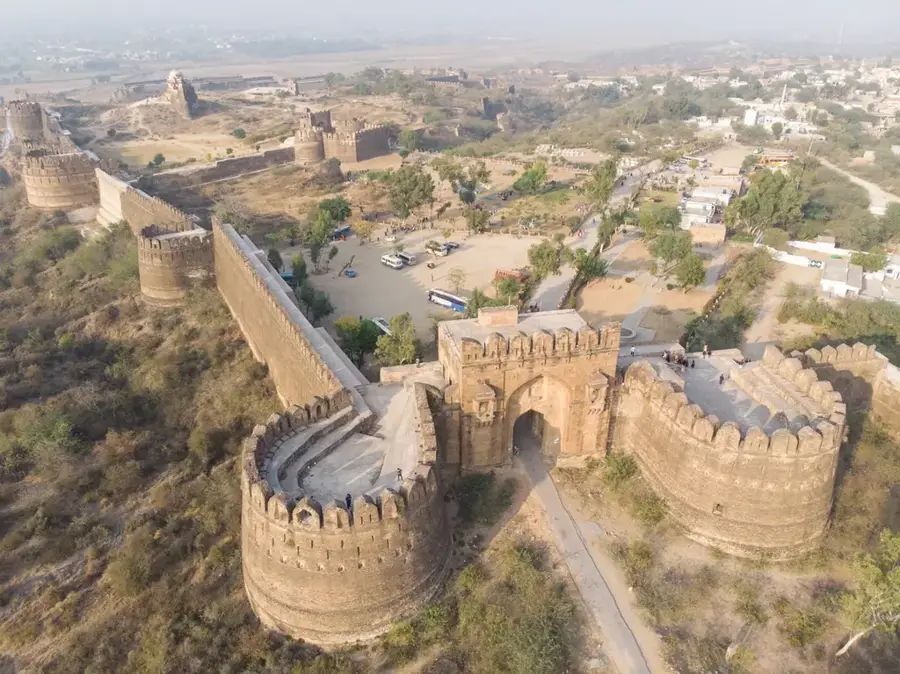
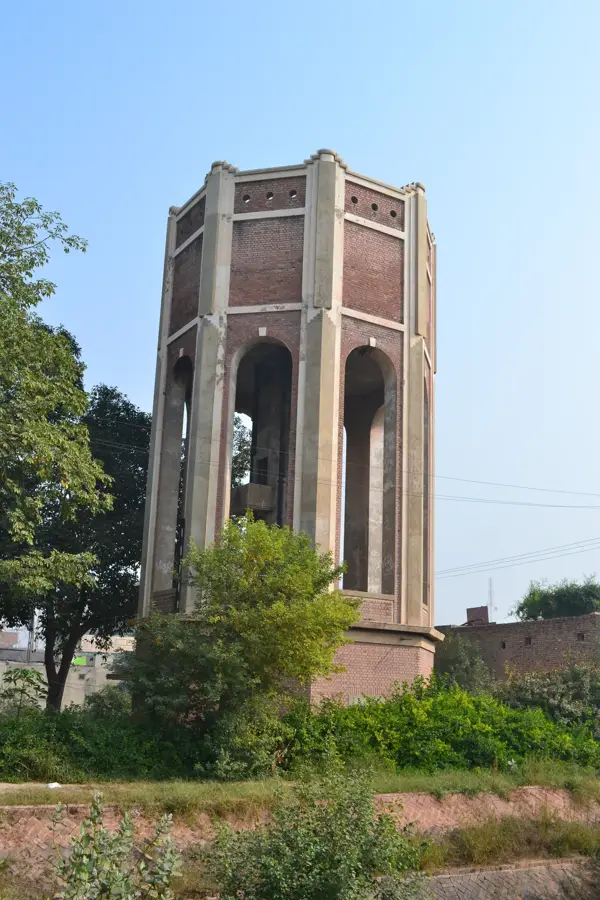
- The city has a rich history as an ancient trading hub; look out for parts of the old city walls.
- Small donations or tips for shrine helpers are common, but always remain discreet and respectful.
🍽 Food
Try the sweet rice or lentils often distributed to pilgrims at the shrine.
A traditional dish of mustard greens, exceptionally delicious during the winter months.
Freshly fried syrup-soaked swirls sold in the bazaars surrounding the shrine area.
🛍 Shopping · 🧘 Quiet spots
Prayer beads and printed cloths are popular souvenirs from the shops near the shrine.
Look for traditional earthenware and ceramics, a craft the local artisans are known for.
A deeply peaceful place for quiet observation before the main groups of pilgrims arrive.
The rural areas along the river outside the city offer a calm escape into nature.
Water temperature…
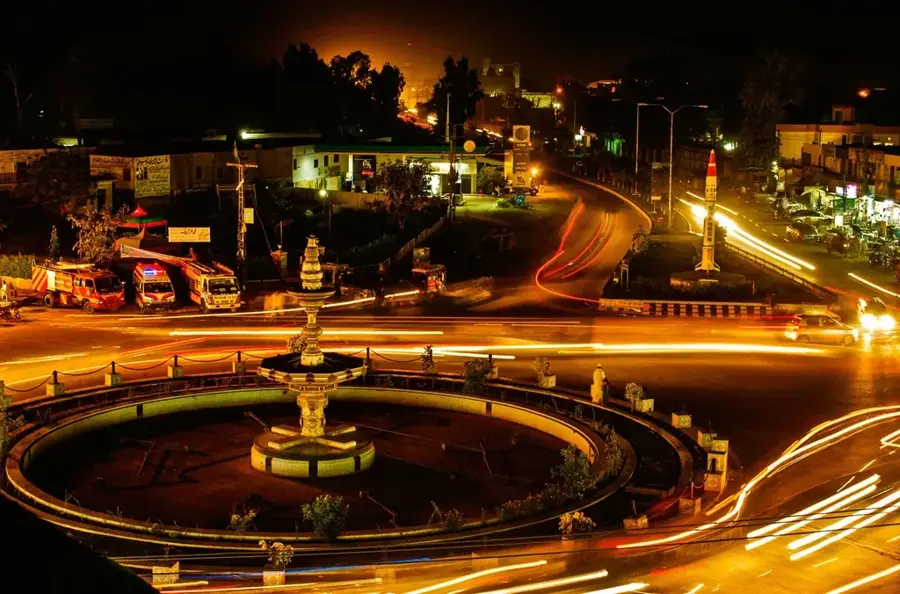
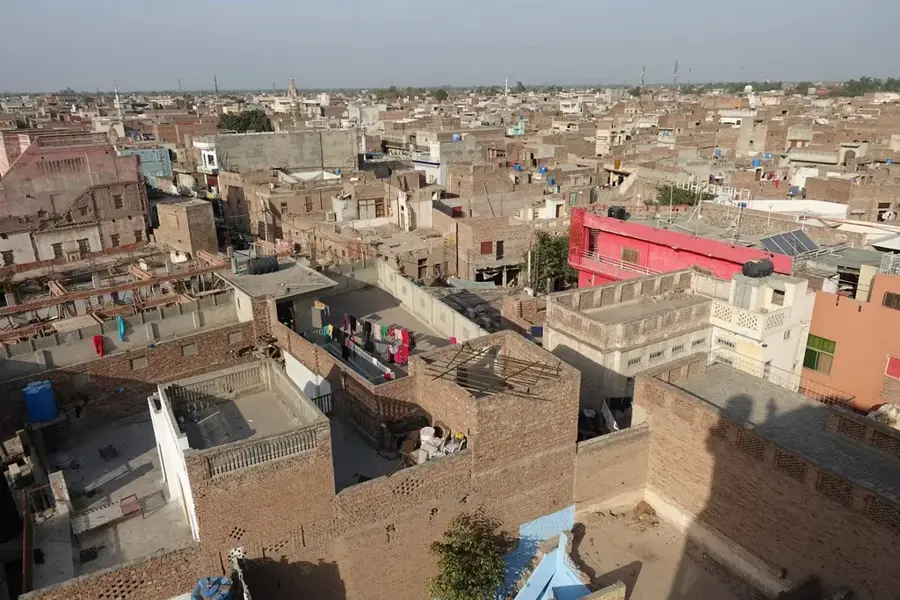
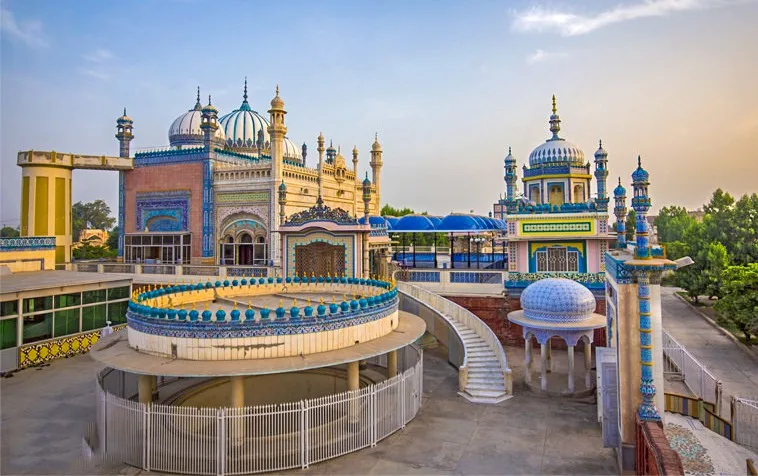
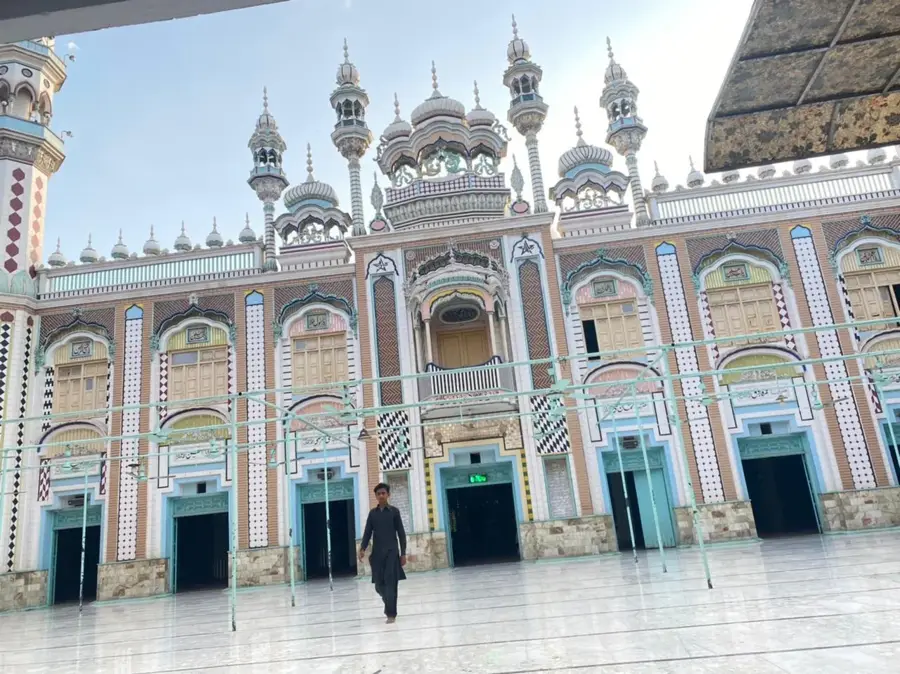
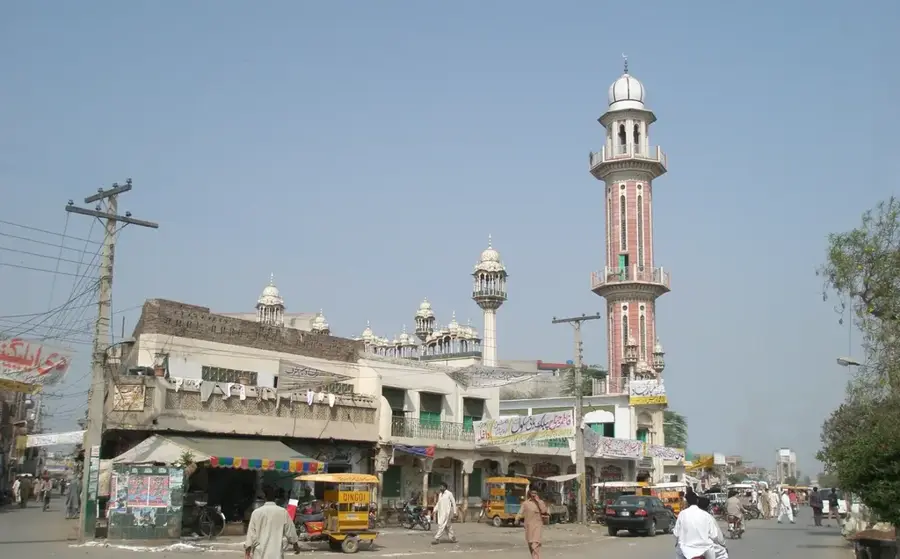
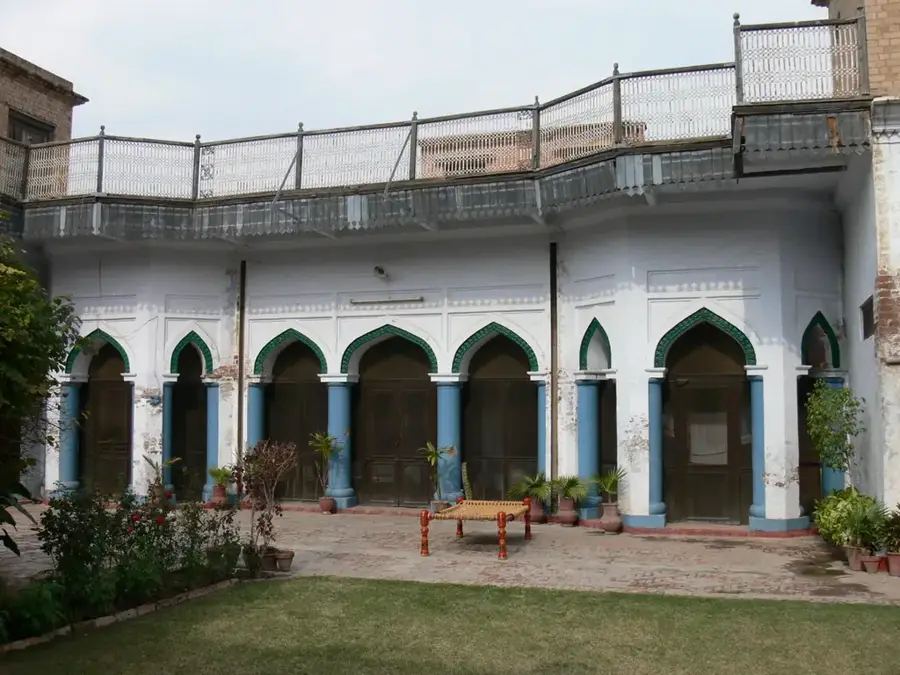
Pakpattan is an ancient city in central Punjab, Pakistan, world-renowned for its profound spiritual significance as a major center of Sufism. The city's name literally translates to "Ferry of the Pure," referring to its historic location at a major crossing point on the Sutlej River. The city is inextricably linked to the legacy of Baba Fariduddin Ganjshakar, one of the most celebrated Sufi saints of the 12th century, whose magnificent shrine forms the religious and cultural heart of the region. Every year during the Urs festival, millions of pilgrims flock to the city to pay homage to the saint, making Pakpattan one of the most important pilgrimage sites in South Asia. Geographically, it lies in a fertile plain and is characterized by the Pakpattan Canal, which supports the local agriculture. Historically known as Ajodhan, the city was a vital strategic point on the ancient trade routes between Delhi and Multan. Today, Pakpattan preserves its historic identity through its Sufi traditions while serving as a key regional hub for commerce and agricultural production.
- Location: Pakistan
- Nearby: Sahiwal (33 km)
- Population: ~126.706 (2019)
Best time to visit & climate
The most pleasant time to visit is Feb, Mar, Nov.
| Jan | Feb | Mar | Apr | May | Jun | Jul | Aug | Sep | Oct | Nov | Dec | |
|---|---|---|---|---|---|---|---|---|---|---|---|---|
| Avg °C | 13 | 17 | 23 | 30 | 35 | 37 | 36 | 34 | 32 | 27 | 21 | 15 |
| Rain mm | 10 | 16 | 21 | 13 | 15 | 46 | 79 | 60 | 53 | 4 | 17 | 6 |
Geography
Facts
- Home to the shrine of Baba Farid, built in the 13th century.
- The name Pakpattan means "Ferry of the Pure."
- The city was historically known as Ajodhan.
- Center of the annual Urs festival with millions of visitors.
- Located near the Sutlej River in central Punjab province.
- A major hub for the trade of wheat and rice products.
Explore nearby
Notable places around
Route planner — Car & Motorhome
Where do you start? We build the route here, with stops and country notes along the way.
© OpenStreetMap contributors · OpenRouteService
Sights in the town Pakpattan (1)
Frequently asked questions
What is the religious significance of Pakpattan?
Are there special annual events?
What is the visitor experience like?
Is Pakpattan historically significant?
How is the best way to travel?
Pakpattan: where is it located?
Pakpattan: when is the best time to visit?
Pakpattan: why is it worth visiting?

Nearby cities

History & landmarks
More places