Plizio Visual Lab
Kimchaek

ℹ️Practical info — Kimchaek
▾
🌤 Weather — 5 days
📍 Nearby
Sights nearby
💡 Tips
- As a major port and industrial city, Kimchaek is heavily restricted; visits are usually focused on specific industrial or ideological tours.
- Coastal photography might be completely banned due to naval presence; do not photograph the harbor without explicit permission.
- Seafood is a highlight here, but you will only eat at pre-approved, state-run restaurants.
- Foreign currency is required for any purchases; the local North Korean Won is strictly for citizens.
- Tourists cannot explore the city on foot; you will travel exclusively via your tour bus from site to site.
🍽 Food
Expect meals to feature squid, crab, and local fish, arranged by your guides at a designated restaurant.
A popular North Korean coastal specialty where clams are roasted on a concrete slab, sometimes offered on the beach if authorized.
A ubiquitous dish available at the hotel restaurant.
🛍 Shopping · 🧘 Quiet spots
Dried seafood products or shell crafts might be available at the local tourist shop.
Standard tourist shops in the hotel will carry the usual array of approved reading materials.
You may be taken to a specific, approved beach area outside the city for a scenic break.
If your accommodation faces the sea, you can enjoy the coastal view from your room or the hotel terrace.
Water temperature…
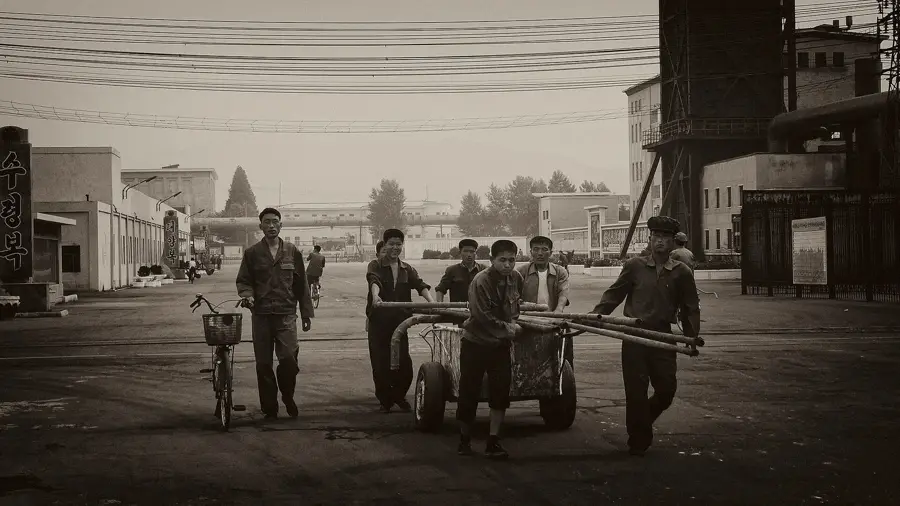
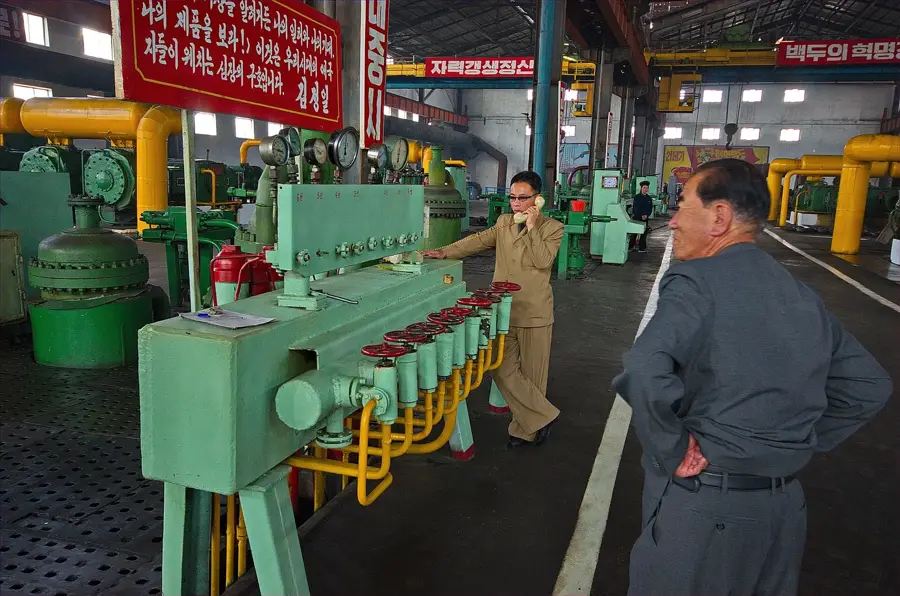
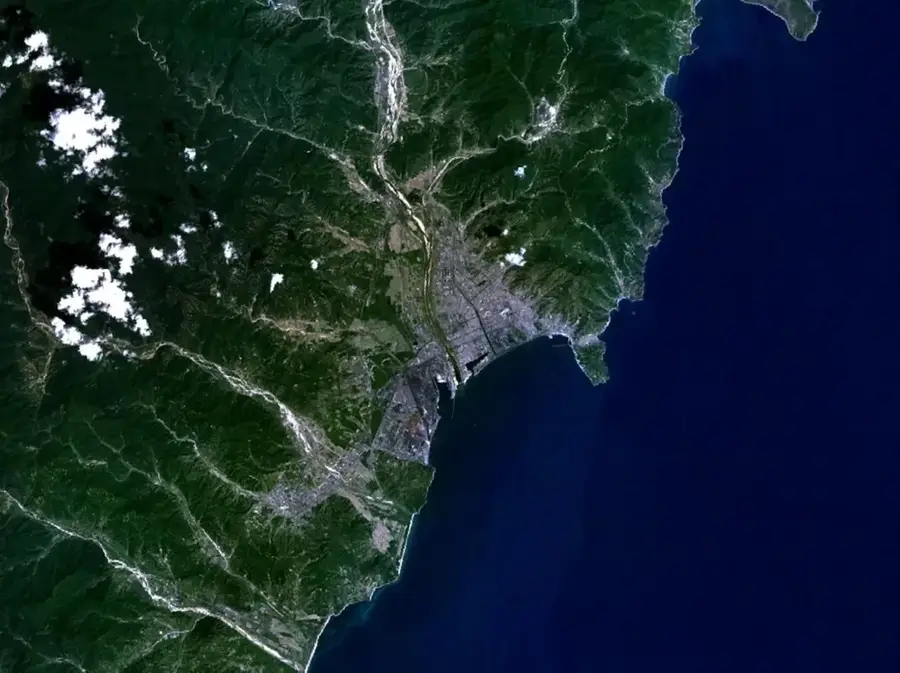
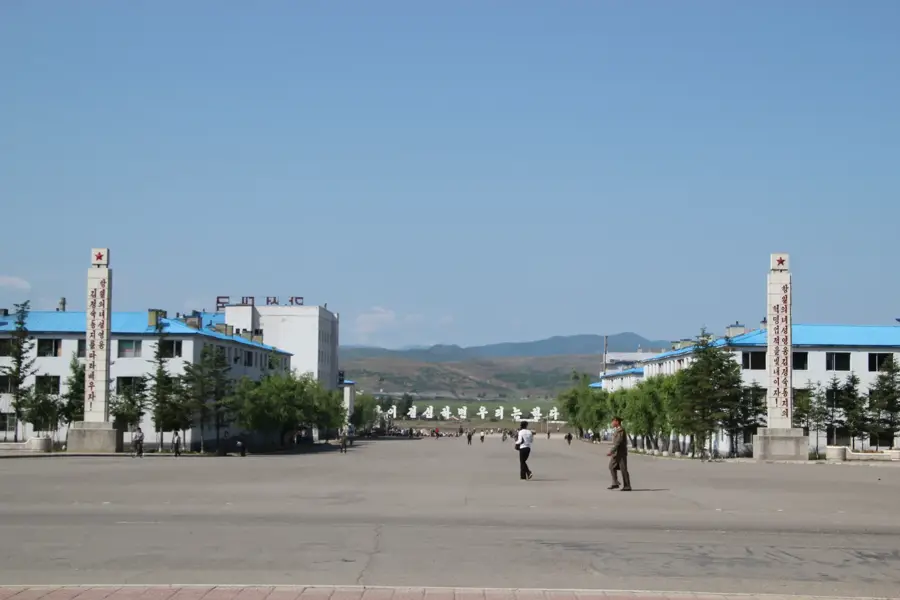
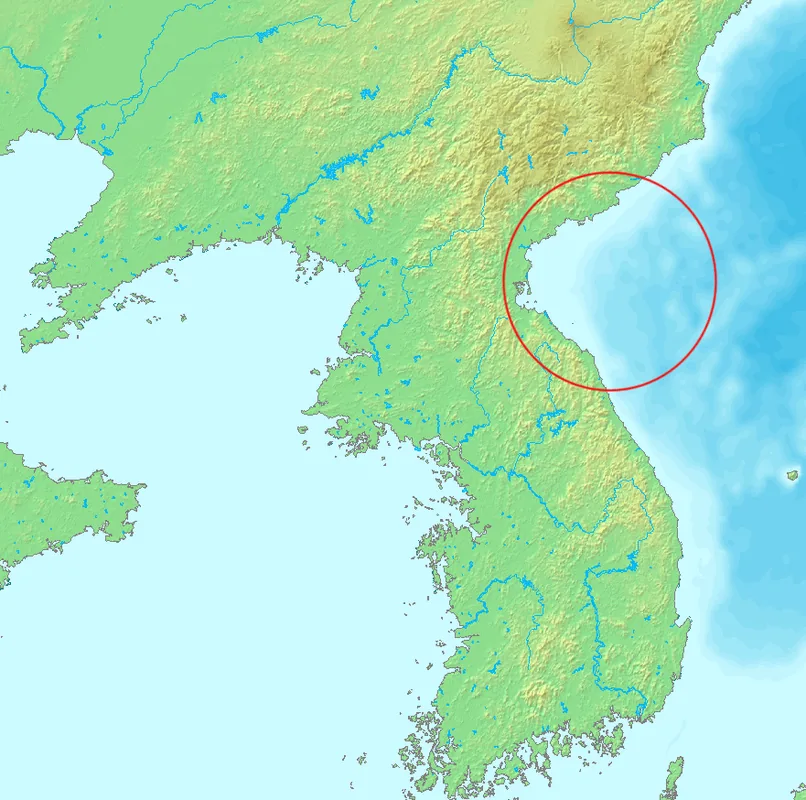
Kimchaek, formerly known as Songjin, is a major industrial and port city located in North Hamgyong Province on the eastern coast of North Korea. The city was renamed in 1951 to honor General Kim Chaek, a key military figure who died during the Korean War. Geographically situated along the Sea of Japan, it serves as a critical strategic hub for maritime logistics and heavy industry. The skyline is dominated by the massive Kim Chaek Iron and Steel Complex, which is one of the largest metallurgical facilities in the country and a cornerstone of the national economy. Beyond heavy industry, the city is a significant center for the fishing industry, utilizing its coastal location to supply marine products to the northern regions. The urban layout follows traditional socialist planning with wide thoroughfares, public squares, and functional residential blocks integrated with industrial zones. Kimchaek also functions as an essential railway junction, connecting the coastal transport corridor with the mineral-rich interior of the country. Today, it remains a vital site for technological development in the processing of raw materials and heavy manufacturing.
- Location: North Korea
- Nearby: Tanchon (35 km)
Best time to visit & climate
The most pleasant time to visit is Jun, Aug, Sep.
| Jan | Feb | Mar | Apr | May | Jun | Jul | Aug | Sep | Oct | Nov | Dec | |
|---|---|---|---|---|---|---|---|---|---|---|---|---|
| Avg °C | -6 | -4 | 1 | 8 | 14 | 19 | 22 | 22 | 17 | 11 | 3 | -5 |
| Rain mm | 11 | 15 | 19 | 37 | 65 | 68 | 173 | 145 | 82 | 38 | 35 | 15 |
Geography
Facts
- The city was renamed from Songjin to Kimchaek in 1951 during the Korean War.
- It hosts the Kim Chaek Iron and Steel Complex, a primary pillar of North Korean industry.
- Kimchaek is situated on the Sea of Japan and functions as a major commercial port.
- The city serves as a key junction on the Pyongra Line, the country's main eastern railway.
- During the Japanese occupation (1910–1945), it was developed as a modern industrial port.
- Fishing and marine processing are the second largest contributors to the local economy.
Explore nearby
Notable places around
Route planner — Car & Motorhome
Where do you start? We build the route here, with stops and country notes along the way.
© OpenStreetMap contributors · OpenRouteService
Sights in the town Kimchaek (1)
Frequently asked questions
After whom was the city named?
What is the economic base?
Is Kimchaek on the coast?
Are there beaches there?
When is the best time for a visit?
Kimchaek: where is it located?
Kimchaek: when is the best time to visit?
Kimchaek: why is it worth visiting?
Nearby cities
Nature
More places