Plizio Visual Lab
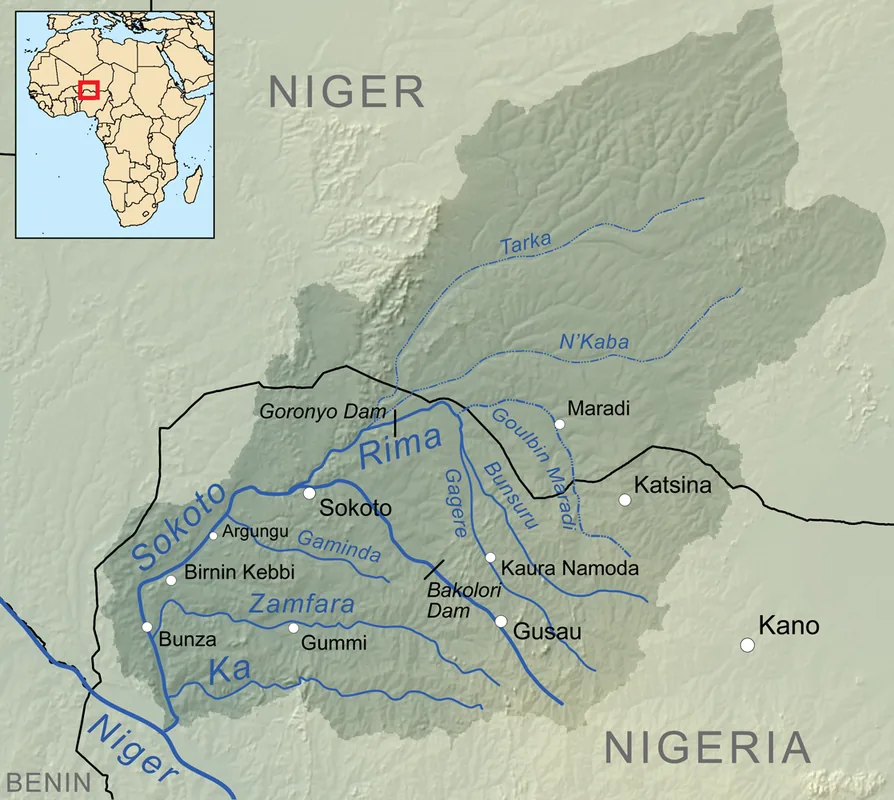
Goulbi Kane Valley
Weather…
Water temperature…
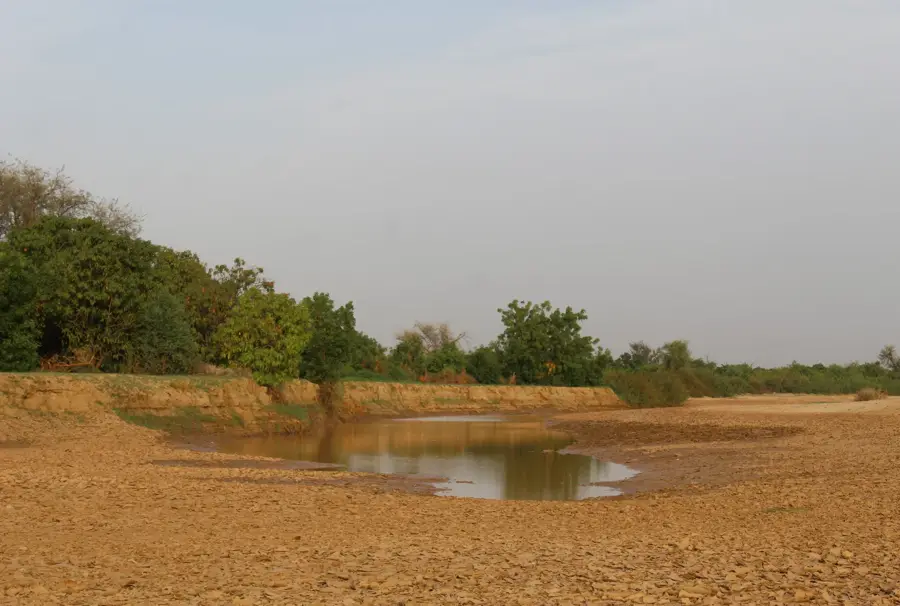
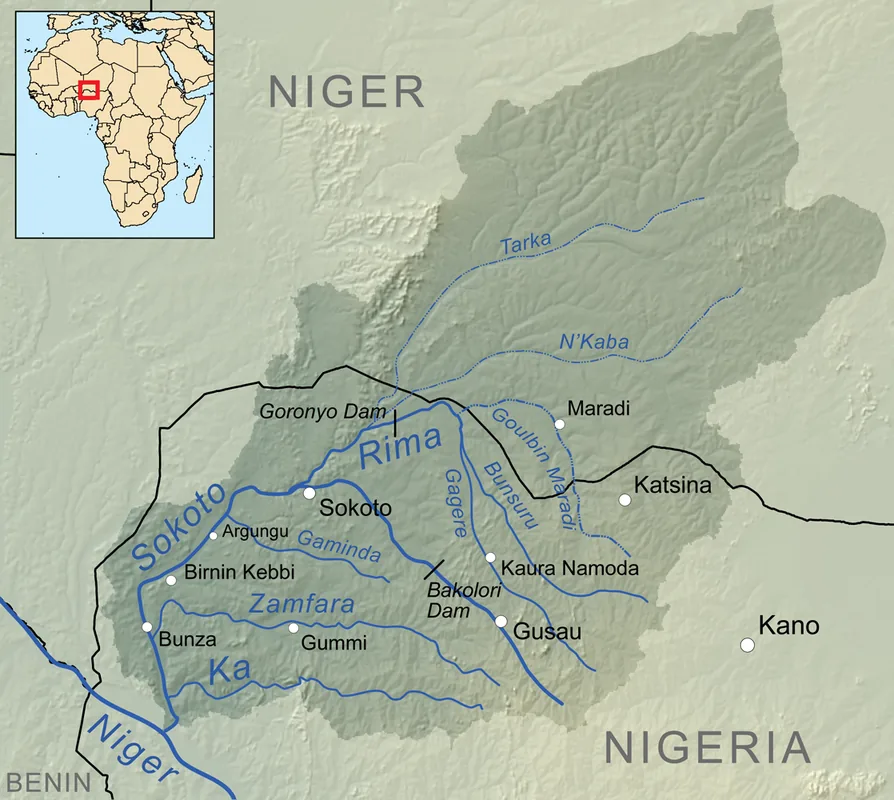
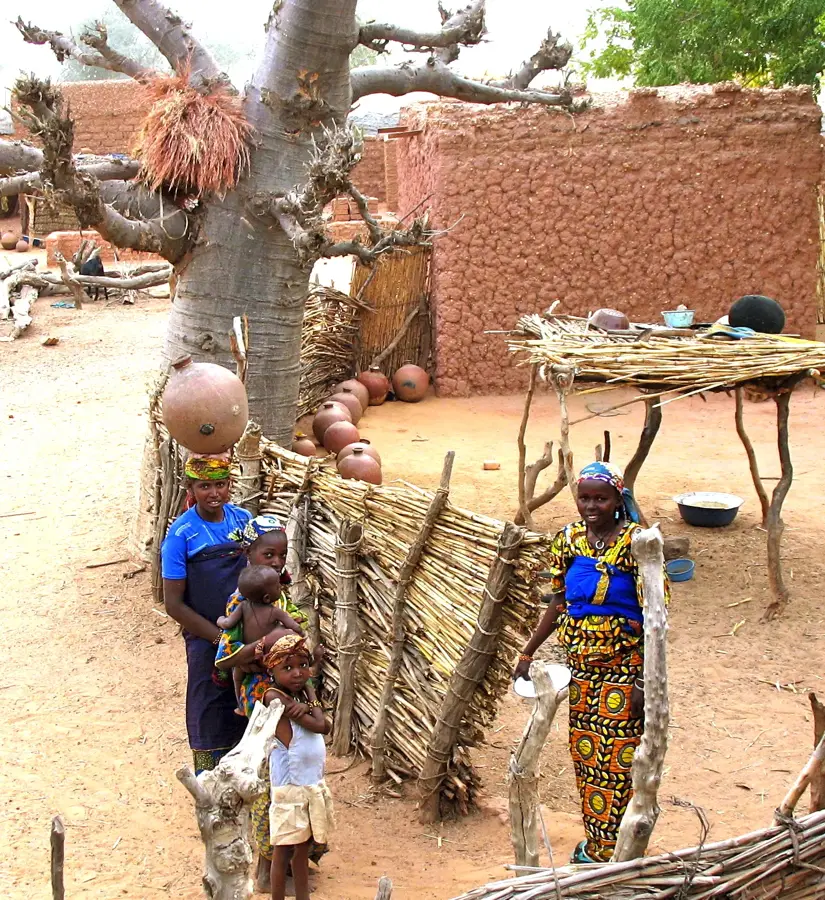
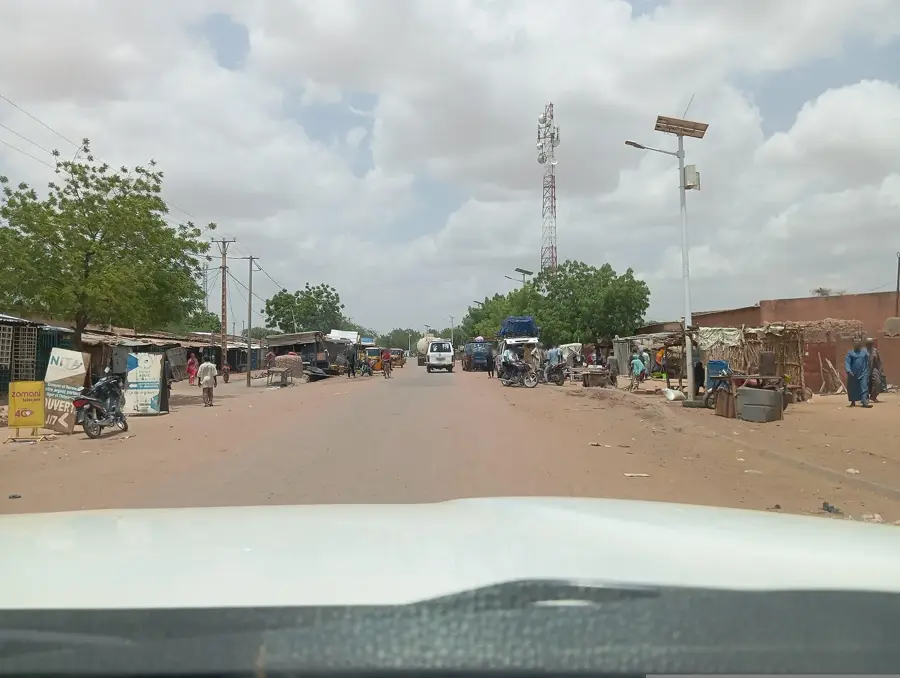
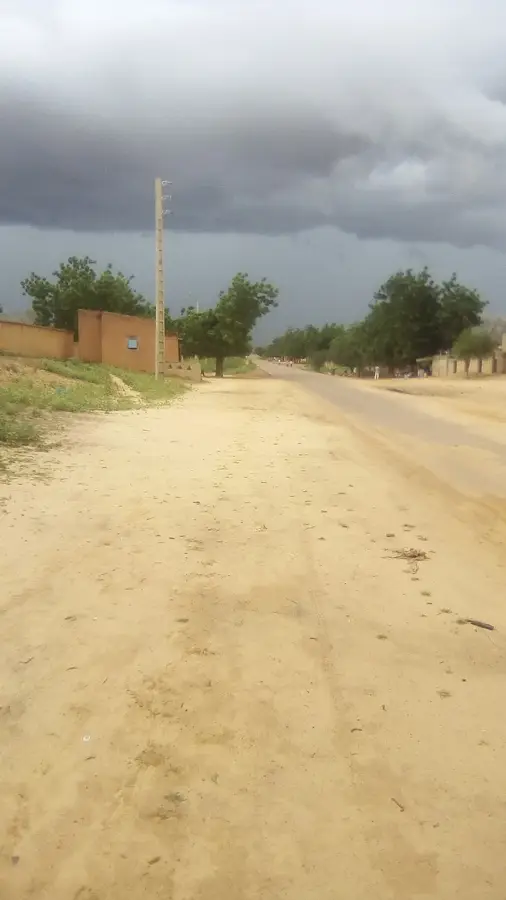
The Goulbi Kane Valley is a fertile seasonal watercourse located in the Dosso region of southwestern Niger. Fed by rains between July and September, the valley becomes a lush oasis in the otherwise semi-arid Sahelian landscape. It is exceptionally famous for its onion production, particularly the violet Galmi variety which is exported throughout West Africa. Communities utilize shallow hand-dug wells to access groundwater for off-season gardening, ensuring year-round productivity. The landscape is dotted with ancient baobab trees that serve as both landmarks and sources of fruit and fiber. Traditional agricultural practices are deeply rooted here, fostering a resilient economy based on trade. As a vital source of life, the valley supports a high density of rural settlements dedicated to intensive vegetable farming.
- Location: Niger
- Nearby: Aguié (26 km)
Best time to visit & climate
The most pleasant time to visit is Jan, Feb, Dec.
| Jan | Feb | Mar | Apr | May | Jun | Jul | Aug | Sep | Oct | Nov | Dec | |
|---|---|---|---|---|---|---|---|---|---|---|---|---|
| Avg °C | 21 | 25 | 29 | 32 | 33 | 32 | 29 | 27 | 27 | 28 | 25 | 22 |
| Rain mm | 0 | 0 | 1 | 5 | 23 | 65 | 149 | 207 | 77 | 13 | 1 | 0 |
📋 Practical info
Geography
Facts
- The valley is situated within the administrative boundaries of the Dosso Region.
- Main surface water flows occur during the peak rainy months of July to September.
- The violet Galmi onion is the region's most famous and profitable agricultural product.
- Groundwater for irrigation is typically accessed through wells under 15 meters deep.
- Large baobab trees (Adansonia digitata) are iconic features of the valley floor.
- Off-season gardening provides over 60% of local income for many households.
Explore nearby
Notable places around
Route planner — Car & Motorhome
Where do you start? We build the route here, with stops and country notes along the way.
© OpenStreetMap contributors · OpenRouteService
Sights nearby
Frequently asked questions
What is the Goulbi-Kane-Talung?
Is the valley developed for tourism?
Can you birdwatch there?
What should one consider when traveling?
Is it safe to be there alone?
Goulbi Kane Valley: where is it located?
Goulbi Kane Valley: when is the best time to visit?
Goulbi Kane Valley: why is it worth visiting?

Nearby cities
History & landmarks
Nature
More places