Plizio Visual Lab

Caprivi Floodplains
Plizio editorial teamData Sources
River
—°
Caprivi Floodplains (Namibia)

Weather…

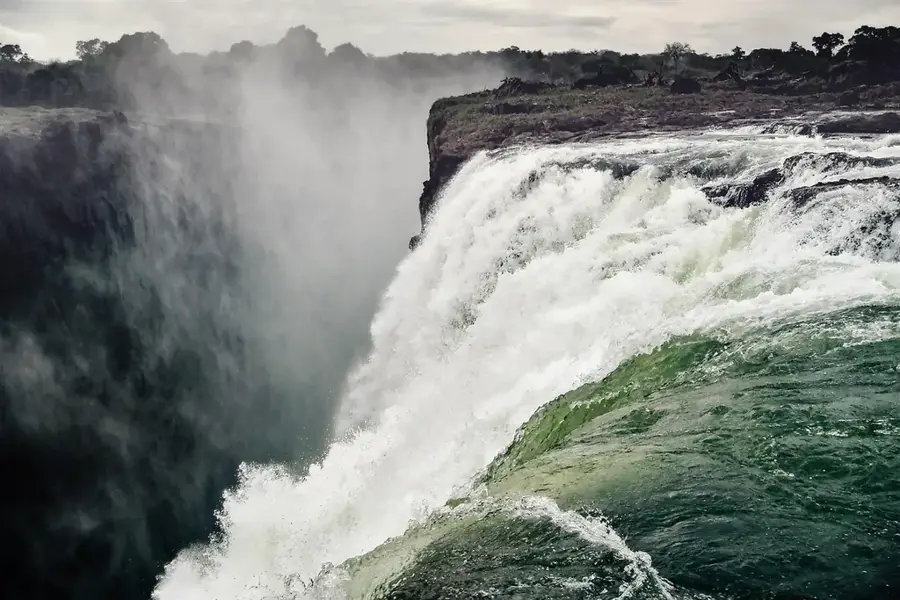
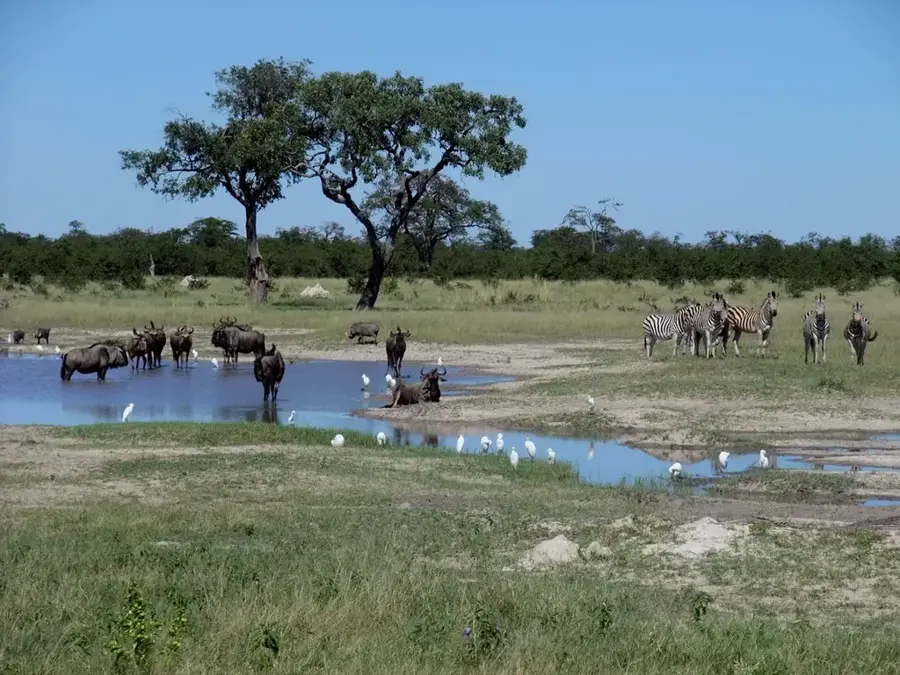
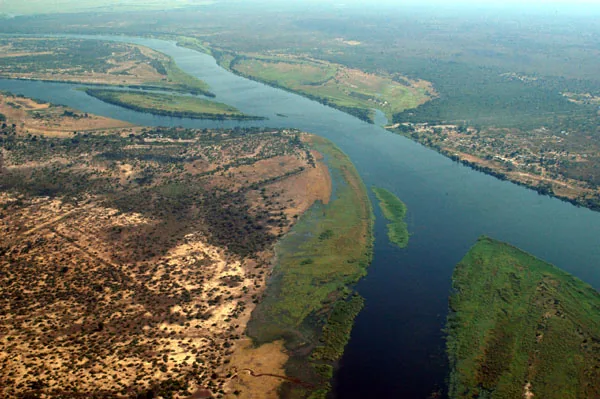
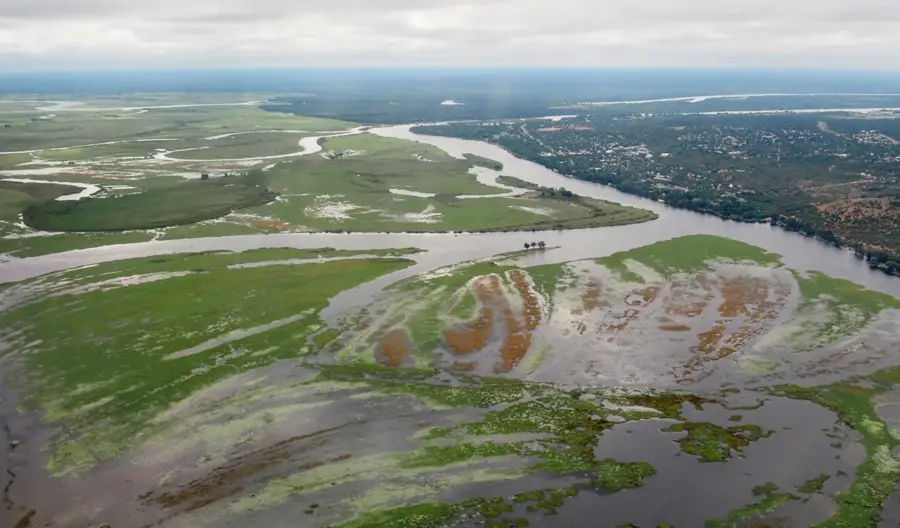
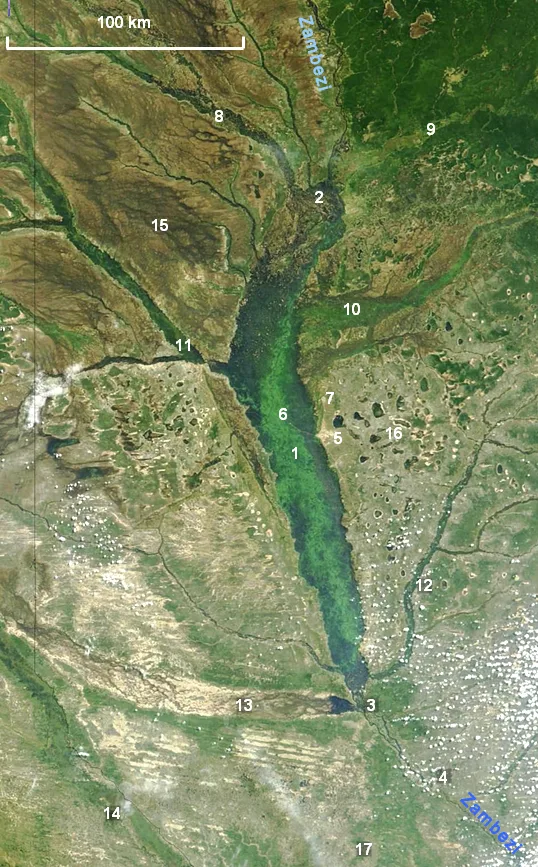
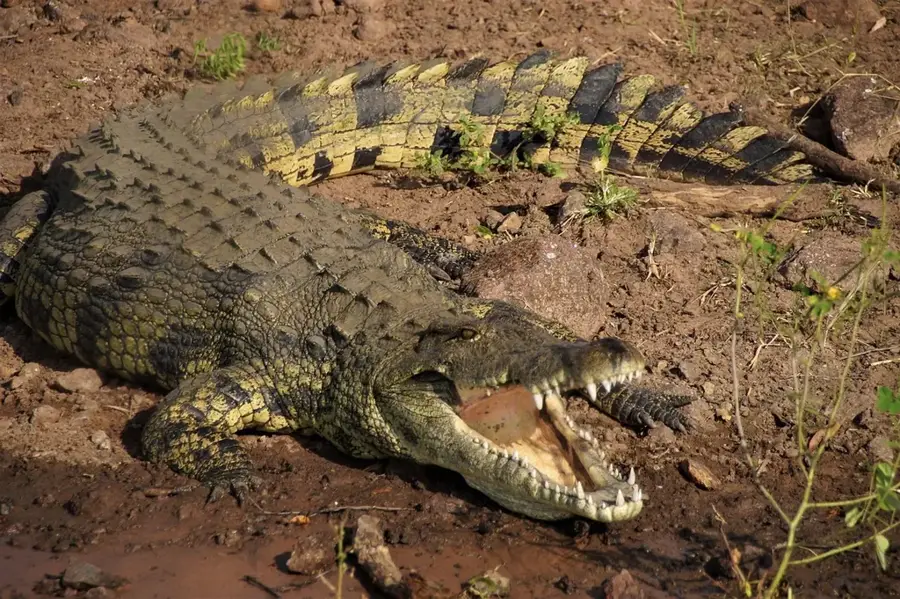
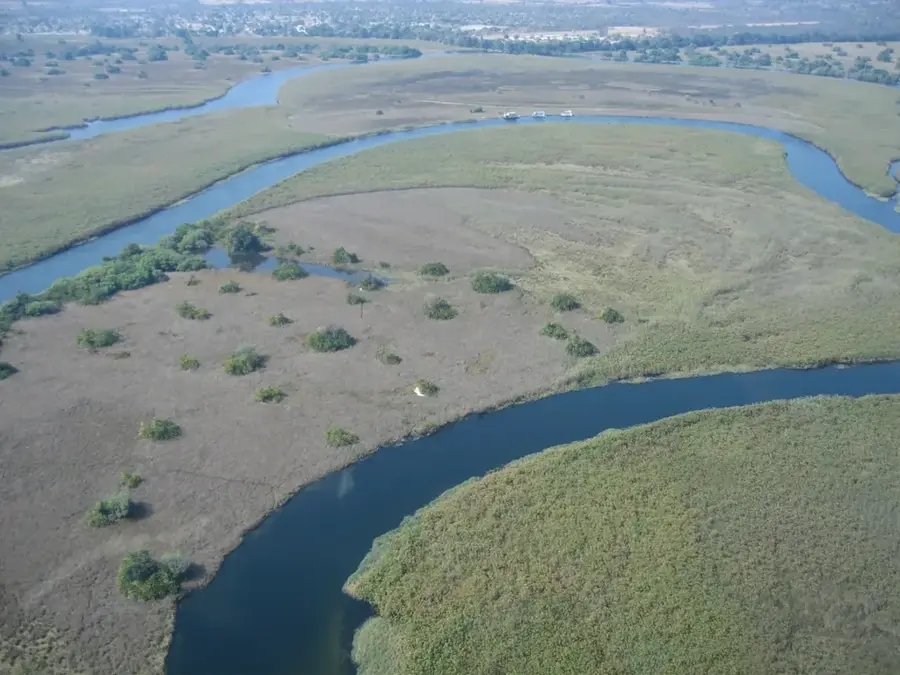
The Caprivi Floodplains (Zambezi Floodplains) in northeastern Namibia constitute one of the most dynamic and water-rich landscapes in Southern Africa. Located in the heart of the Kalahari basin, these vast plains are annually transformed by the rising waters of the Zambezi, Chobe, Kwando, and Linyanti rivers. These seasonal floods turn the dry bushveld into a massive mosaic of channels, lagoons, and islands, which is crucial for the survival of countless wildlife species. Massive herds of elephants, Cape buffaloes, hippos, and crocodiles inhabit the region, while the wetlands serve as internationally significant bird sanctuaries. Local communities have adapted to this rhythm for centuries, utilizing the fertile soils for agriculture and the waters for fishing. The area is a core component of the Kavango-Zambezi Transfrontier Conservation Area (KAZA), providing vital migratory corridors for animals moving between Namibia, Botswana, Zambia, and Zimbabwe.

Best time to visit & climate

The most pleasant time to visit is May, Jun, Aug.

JanFebMarAprMayJunJulAugSepOctNovDec
Avg °C252524232118182125292826
Rain mm18413211141310021074166

📋 Practical info

🧭
Getting there
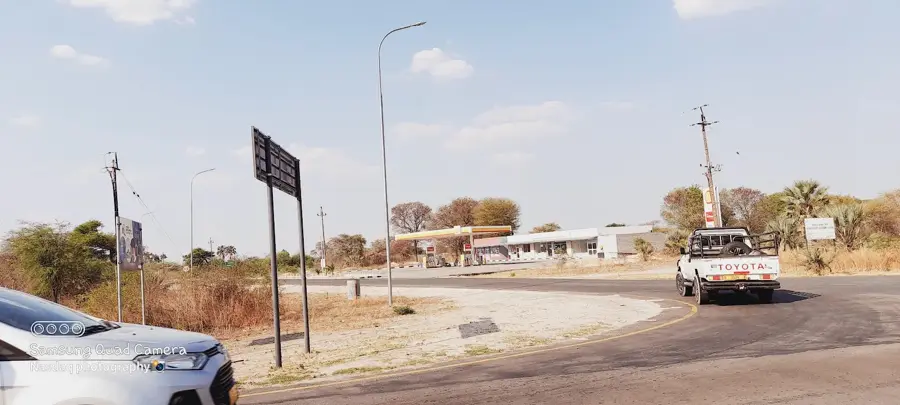
The region is generally accessed via the main paved highway that runs through the strip, with smaller dirt tracks leading to lodges and riverbanks. A reliable vehicle with good ground clearance is typically necessary for deeper exploration.
📅
Best season
The dry winter months from May to October are usually optimal, as wildlife congregates around the remaining permanent water sources. During the wet season, many dirt roads can become impassable due to extensive flooding and heavy mud.
⛰️
Terrain & paths
The environment consists largely of flat, marshy floodplains, dense riverine woodlands, and intricate networks of waterways. Exploring is typically done via guided boat cruises or flat, sandy walking trails around organized camps.
🎒
What to bring
Lightweight, breathable clothing in neutral colors, strong insect repellent, and comprehensive malaria prophylaxis are absolute necessities. Binoculars for bird watching and a waterproof bag for protecting electronics on boat trips are highly advised.
🅿️
Parking
Safe parking is generally provided within the guarded compounds of the various lodges and established campsites along the river. It is always best to leave your vehicle only in these designated areas to ensure maximum security.
⚠️
Safety
Hippos and crocodiles are very common in and around the waters, so you should never walk along the riverbanks unguided or swim under any circumstances. Always follow the explicit instructions of your professional local guides.
⏱️
Time needed
Visitors typically spend two to three days exploring the rich biodiversity through multiple game drives and scenic boat cruises. This allows enough time to fully appreciate the varied ecosystems and abundant local wildlife.

Geography

Coordinates
-17.50000, 24.00000

Facts

  • Annual floods typically reach their peak between April and May.
  • The region is home to over 450 distinct bird species.
  • The floodplains are part of the 520,000 km² KAZA conservation area.
  • Fishing is the primary source of protein for the local population.
  • Four major river systems converge in this unique geographic corner.
  • Vegetation is dominated by papyrus, reeds, and vast seasonal grasslands.

Explore nearby

Notable places around
Route planner — Car & Motorhome

Where do you start? We build the route here, with stops and country notes along the way.

Vehicle
Only stops with (optional):

© OpenStreetMap contributors · OpenRouteService

Sights nearby

Frequently asked questions

When do the floods occur?
Mostly between March and May, depending on the rainfall in Angola.
Is the region malaria-free?
No, it is a high-risk area; prophylaxis is strongly recommended.
Can you go boating there?
Yes, canoe or boat safaris are the best way to explore the floodplains.
Are there crocodiles and hippos?
Yes, these animals are native to the waters and dangerous; caution is advised.
Is the area good for bird watching?
Excellent, especially during the time of high water.
Caprivi Floodplains: where is it located?
Caprivi Floodplains is located in Namibia.
Caprivi Floodplains: when is the best time to visit?
The most pleasant time to visit is May, Jun, Aug.
Caprivi Floodplains: why is it worth visiting?

The Caprivi Floodplains (Zambezi Floodplains) in northeastern Namibia constitute one of the most dynamic and water-rich landscapes in Southern Africa.
View on map → The Top 50 Attractions → OpenStreetMap →
Africa
Explore with Plizio Discover more places in Africa
More places in Namibia →

Nearby cities

History & landmarks

Nature

More places