Plizio Visual Lab
Mount Pungo

Weather…
Water temperature…
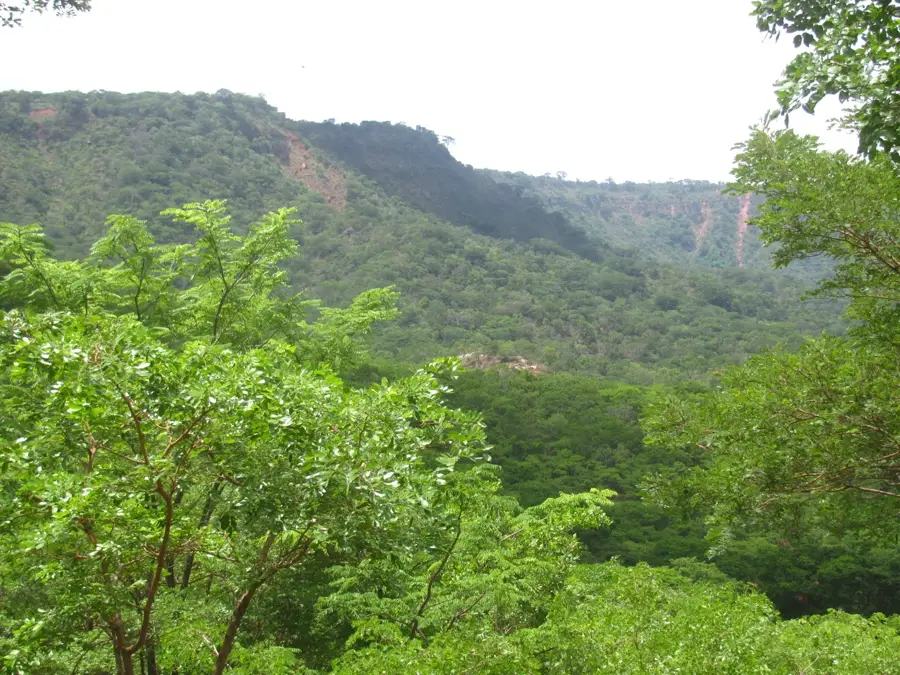
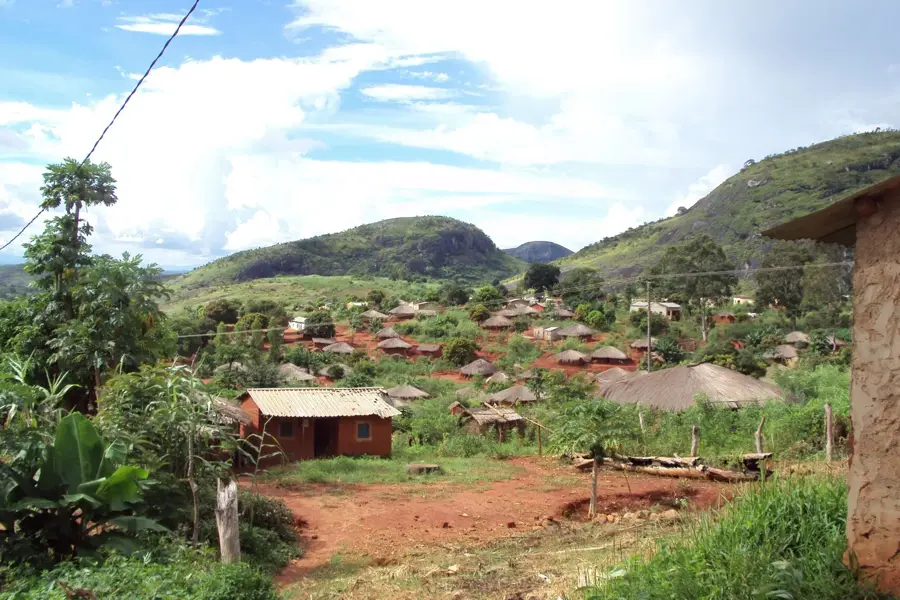
Mount Pungo is located in the Tete Province of northwestern Mozambique and is part of the geological formations characterizing the Angónia Highlands. Rising prominently above the surrounding plateau, the mountain gives a cooler climate and fertile soils, which are of great importance to local agriculture. Geologically, the massif is primarily composed of metamorphic rocks such as gneiss and granite, indicating a complex tectonic history in the region. Historically, the mountain served as a place of refuge and a strategic observation point during various regional conflicts. The flora of Mount Pungo is marked by transition zones between Miombo woodlands and montane vegetation, where rare orchid species and endemic succulents have been documented. The region is also known for its potential mineral deposits, which have recently sparked interest in geological exploration. In modern times, the mountain plays a role in regulating the local water balance, as its slopes serve as a catchment area for several small rivers that supply surrounding villages. The cultural significance of the mountain for the local population is reflected in traditional ceremonies, often linked to the harvest and rain.
- Location: Mozambique
- Nearby: Maganja da Costa (57 km)
Best time to visit & climate
The most pleasant time to visit is May, Jun, Aug.
| Jan | Feb | Mar | Apr | May | Jun | Jul | Aug | Sep | Oct | Nov | Dec | |
|---|---|---|---|---|---|---|---|---|---|---|---|---|
| Avg °C | 26 | 26 | 25 | 24 | 22 | 21 | 20 | 22 | 25 | 28 | 29 | 27 |
| Rain mm | 329 | 200 | 184 | 94 | 32 | 32 | 41 | 15 | 11 | 24 | 83 | 209 |
📋 Practical info
Geography
Facts
- Located in the Tete Province of northwestern Mozambique.
- Belongs geologically to the Angónia Highlands.
- Composed mainly of gneiss and granitic rocks.
- Reaches an elevation of over 1100 meters.
- Important water catchment area for regional rivers.
- Home to rare species of montane orchids.
Explore nearby
Notable places around


Route planner — Car & Motorhome
Where do you start? We build the route here, with stops and country notes along the way.
© OpenStreetMap contributors · OpenRouteService
Sights nearby
Frequently asked questions
Is Pungo a popular hiking mountain?
Do you need a guide?
How long does the ascent take?
Are there wild animals there?
When is the best time to visit?
Mount Pungo: where is it located?
Mount Pungo: when is the best time to visit?
Mount Pungo: why is it worth visiting?

Nearby cities
Nature
More places