Plizio Visual Lab
Maganja da Costa
ℹ️Practical info — Maganja da Costa
▾
🌤 Weather — 5 days
📍 Nearby
Sights nearby
💡 Tips
- Explore the vast rice paddies surrounding the town, which are vibrantly green during the growing season.
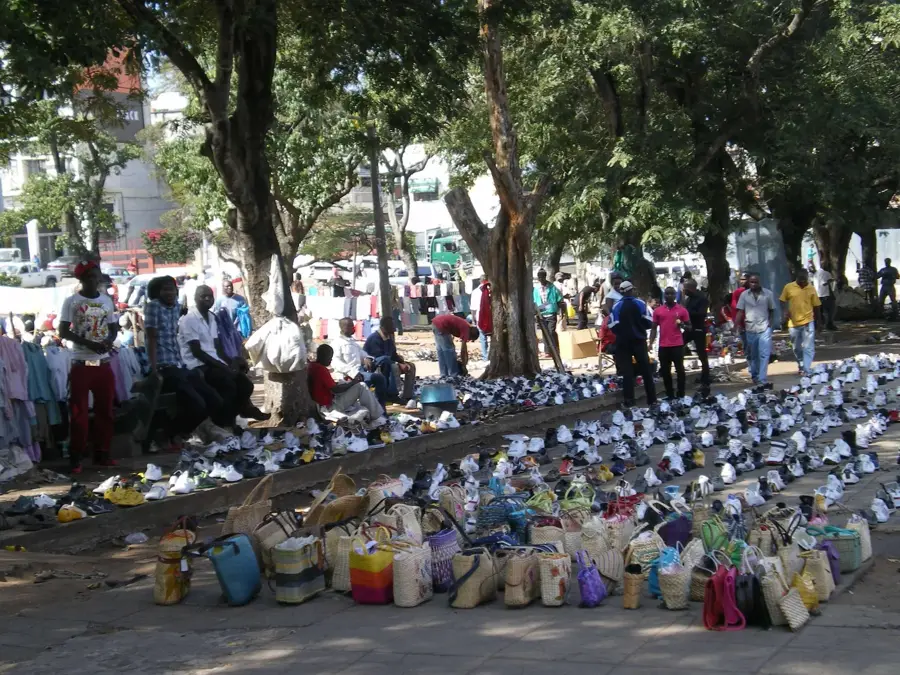
- Maganja is an agricultural hub; the market is the best place to witness the region's diverse produce.
- Be prepared for the tropical climate; afternoon thunderstorms are common in this part of Zambezia.
- Inquire about cashew harvest times to sample the freshest nuts directly from local producers.
- Respect local customs; a friendly 'Bom dia' (Good morning) goes a long way here.
🍽 Food
As a major rice-growing area, try dishes featuring fragrant coconut rice.
Look for locally roasted cashew nuts sold in small packages at the market.
During the summer months, you can find some of the best mangoes in Zambezia here.
🛍 Shopping · 🧘 Quiet spots
The central spot for purchasing grains, pulses, and regional fruits.
Look for hand-forged agricultural tools, which make unique rustic souvenirs.
Find the large baobab trees on the outskirts for a quiet rest in the shade.
A peaceful area to relax away from the busy commercial center of town.
Water temperature…
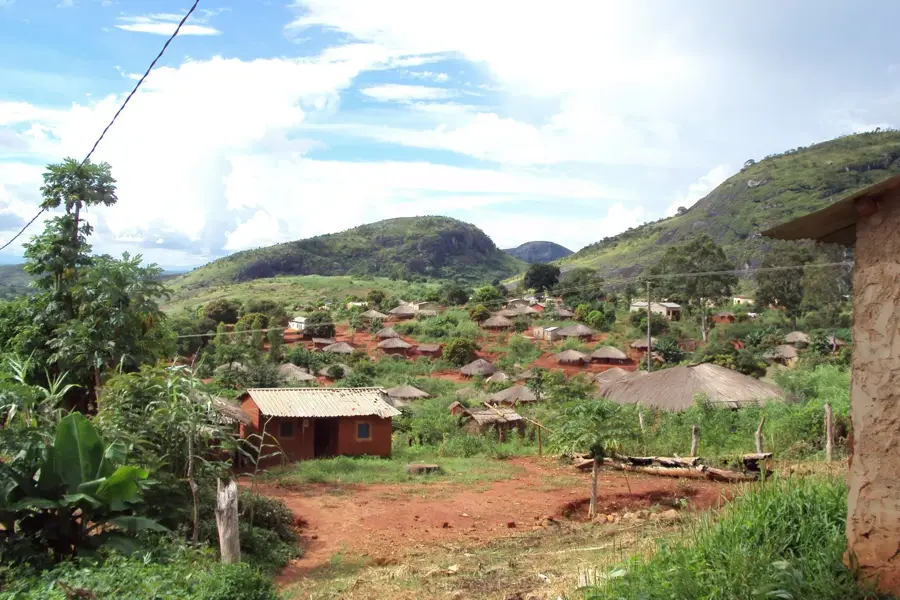
Maganja da Costa is a historic town in the Zambezia Province of central Mozambique, located a short distance inland from the Indian Ocean coast. The town has a long agricultural heritage, having served during the colonial era as a significant center for the 'Prazos' system, large land estates managed by Portuguese settlers. Geographically, it is situated in a low-lying area crisscrossed by numerous streams, providing handy conditions for paddy rice cultivation. In addition to rice, the town is well-known for the production of coconuts and palm oil, and the nearby Licuári Forest is recognized as an area of high ecological and conservation value. In recent years, Maganja da Costa has seen increased economic activity due to improved road links with the provincial capital, Quelimane. The local culture is deeply rooted in the traditions of the Chuabo ethnic group, which are prominently displayed in the community's music, dance, and social customs. Despite modernization, the town maintains a distinct rural character and remains an essential service hub for the surrounding coastal villages.
- Location: Mozambique
- Nearby: Mocuba (61 km)
Best time to visit & climate
The most pleasant time to visit is Jun–Aug.
| Jan | Feb | Mar | Apr | May | Jun | Jul | Aug | Sep | Oct | Nov | Dec | |
|---|---|---|---|---|---|---|---|---|---|---|---|---|
| Avg °C | 27 | 27 | 26 | 25 | 23 | 22 | 22 | 23 | 26 | 28 | 29 | 28 |
| Rain mm | 294 | 175 | 170 | 84 | 30 | 28 | 34 | 13 | 11 | 25 | 74 | 193 |
Geography
Facts
- Maganja da Costa was a key center of the Prazo land system in the 19th century.
- The region is one of the primary rice-producing areas in Zambezia Province.
- The nearby Licuári Forest is home to several rare and endemic bird species.
- The town is located about 150 kilometers northeast of the capital, Quelimane.
- The local population predominantly belongs to the Chuabo ethnic group.
- Traditional ceremonies are held annually to mark the beginning of the rice harvest.
Explore nearby
Notable places around


Route planner — Car & Motorhome
Where do you start? We build the route here, with stops and country notes along the way.
© OpenStreetMap contributors · OpenRouteService
Frequently asked questions
How many days should I spend in Maganja da Costa?
When is the best time to visit Maganja da Costa?
What is the best way to get to Maganja da Costa?
What are the local food specialties in Maganja da Costa?
Is Maganja da Costa suitable for families?
Maganja da Costa: where is it located?
Maganja da Costa: when is the best time to visit?
Maganja da Costa: why is it worth visiting?

Nearby cities