Plizio Visual Lab
Chókwè
ℹ️Practical info — Chókwè
▾
🌤 Weather — 5 days
📍 Nearby
Sights nearby
💡 Tips
- Getting around is best done by local minibuses (chapas), though they can be crowded.
- Ensure you have enough cash in the local currency (Metical), as ATMs can be unreliable or empty.
- The region is agricultural; respect local farmers and their fields if exploring the outskirts.
- Mosquito repellent is essential, especially near the Limpopo River and during the evening.
🍽 Food
Local cassava leaf dish, found in traditional eateries.
Available at street food stalls, often served with piri-piri sauce.
Buy fresh mangoes and papayas at local markets near the center.
🛍 Shopping · 🧘 Quiet spots
Best place for fresh produce and daily goods.
Artisanal goods and carvings around the main streets.
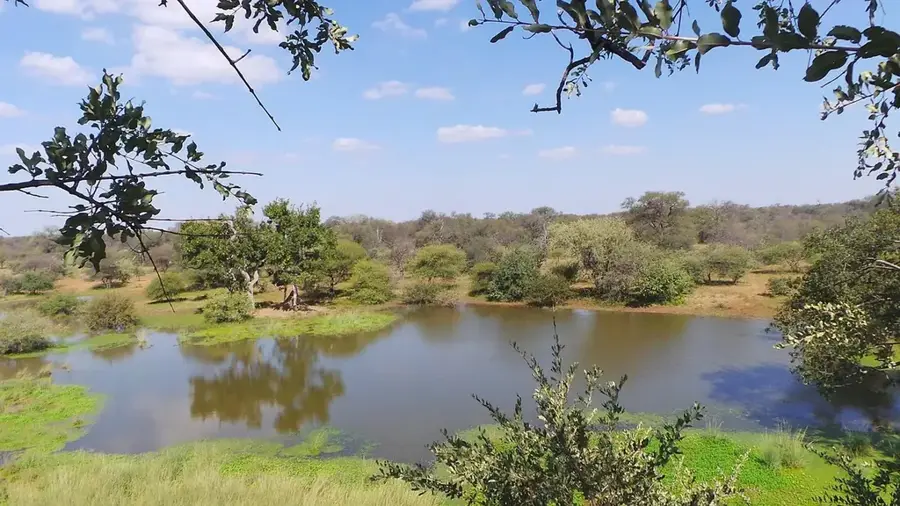
Find quiet spots along the water for a peaceful break.
Scenic rural walks showcasing the region's agriculture.
Water temperature…
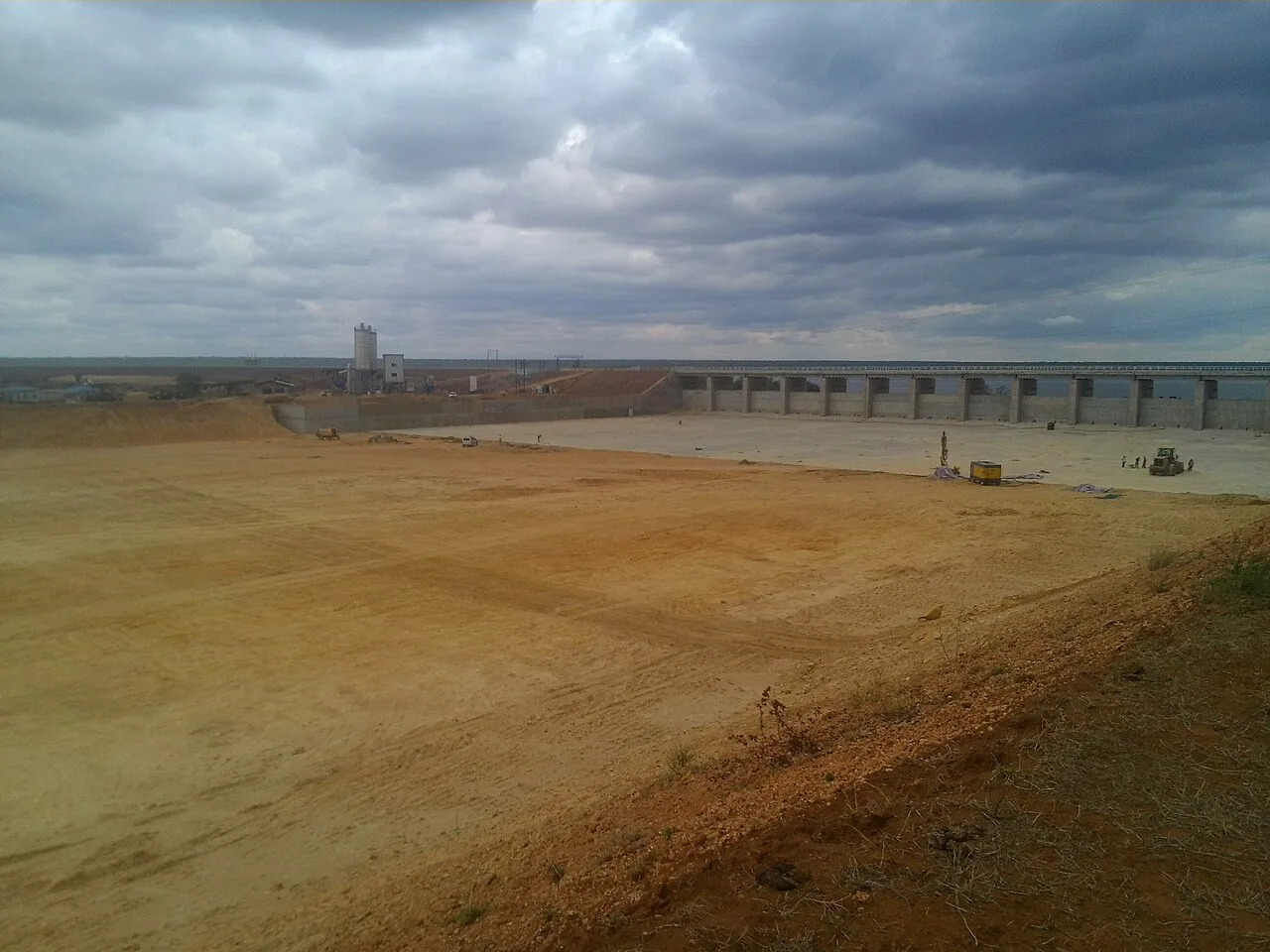
Chókwè, frequently hailed as the 'breadbasket of Mozambique,' is a major agricultural city located in the Limpopo River Valley within Gaza Province. The town's economic significance is primarily derived from the massive Limpopo irrigation scheme, which was initiated in the 1950s during the Portuguese colonial era as the 'Colonato do Limpopo.' Chókwè stands as the national center for rice production and is home to various agro-industrial facilities processing tomatoes and maize. Geographically, the city lies on a vast, flat floodplain that is exceptionally fertile but also highly susceptible to devastating seasonal floods, most notably in 2000 and 2013. Historically, after national independence, the town became a focal point for socialist agricultural reforms before transitioning into a modern market-oriented hub. The city's infrastructure is specifically designed to support large-scale farming, featuring an intricate network of irrigation canals and a rail link to the Port of Maputo. Today, Chókwè is indispensable to the country's food security and regional trade.
- Location: Mozambique
- Top sights: Mercado central de chokwe · Mercado municipal · Igreja
- Nearby: Macia (47 km)
- Population: ~63.695 (2017)
Best time to visit & climate
The most pleasant time to visit is Jun–Aug.
| Jan | Feb | Mar | Apr | May | Jun | Jul | Aug | Sep | Oct | Nov | Dec | |
|---|---|---|---|---|---|---|---|---|---|---|---|---|
| Avg °C | 28 | 28 | 27 | 25 | 22 | 20 | 20 | 22 | 24 | 26 | 28 | 28 |
| Rain mm | 131 | 91 | 87 | 65 | 18 | 26 | 16 | 10 | 15 | 37 | 77 | 124 |
Geography
Facts
- Chókwè manages the largest irrigation scheme in Mozambique, covering thousands of hectares.
- The city was formerly known as Vila Trigo de Morais until independence in 1975.
- Rice is the dominant crop, making the city crucial for national food reserves.
- The catastrophic floods of 2000 and 2013 caused significant damage to the city's infrastructure.
- It is a key station on the Limpopo railway line connecting Maputo to the border of Zimbabwe.
- The district is a leading producer of cattle and small livestock in Gaza Province.
Explore nearby
Notable places around

Route planner — Car & Motorhome
Where do you start? We build the route here, with stops and country notes along the way.
© OpenStreetMap contributors · OpenRouteService
Sights in the town Chókwè (3)
Frequently asked questions
What characterizes Chókwè?
Can I see the Limpopo River?
When is the best time to travel?
Are there accommodations there?
What should I plan time for?
Chókwè: where is it located?
Chókwè: what is there to see?
Chókwè: when is the best time to visit?
Chókwè: why is it worth visiting?

Nearby cities


History & landmarks
Nature
More places