Plizio Visual Lab
Rabat
ℹ️Practical info — Rabat
▾
🌤 Weather — 5 days
📍 Nearby
Sights nearby
💡 Tips
- The tramway is modern, cheap, and the most efficient way to travel between Rabat and Salé.
- Rabat's Medina is much calmer than those in Fes or Marrakech; you can explore without the constant pressure of touts.
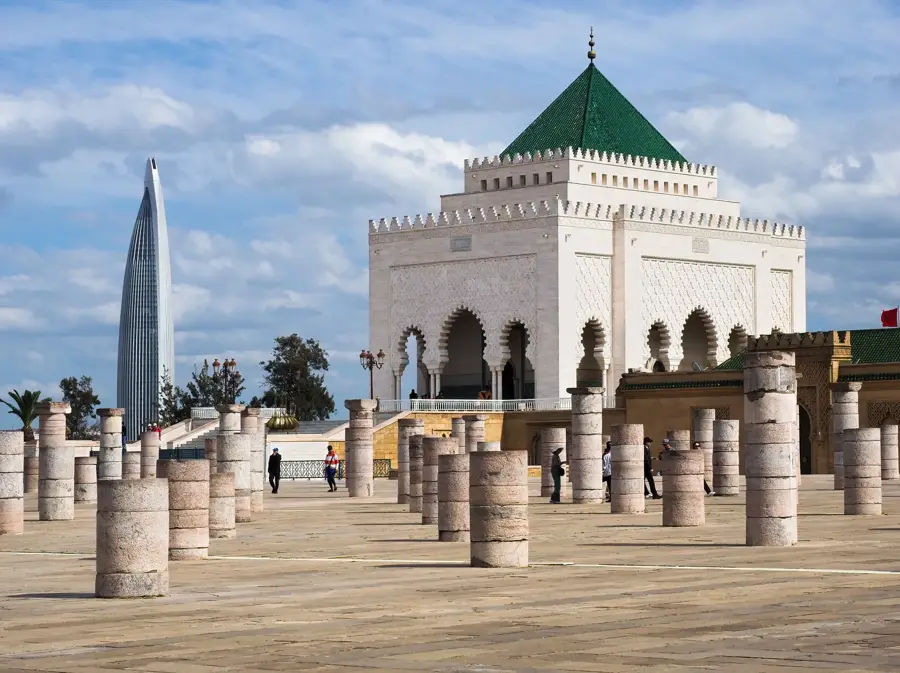
- Non-Muslims cannot enter active mosques in Morocco, but the courtyard of the Hassan Tower is accessible and magnificent.
- Visit the Kasbah of the Udayas in the late afternoon for wide-open sunset views over the Atlantic.
- Modest dress is appreciated, particularly when walking through the Medina and historical religious sites.
🍽 Food
Slow-cooked savory stews with meat, vegetables, and aromatic spices, found in traditional restaurants in the Medina.
A hearty tomato and lentil soup often served with dates and a sweet, sticky pastry called chebakia.
Sweet Moroccan tea paired with gazelle horn almond pastries at cafes overlooking the Bou Regreg river.
🛍 Shopping · 🧘 Quiet spots
The best street in the Medina for buying leather goods, carpets, and silver jewelry with less aggressive haggling.
The modern part of the city for high-street brands and contemporary Moroccan fashion.
Take the tram to Salé to buy authentic, affordable Moroccan ceramics directly from the potters.
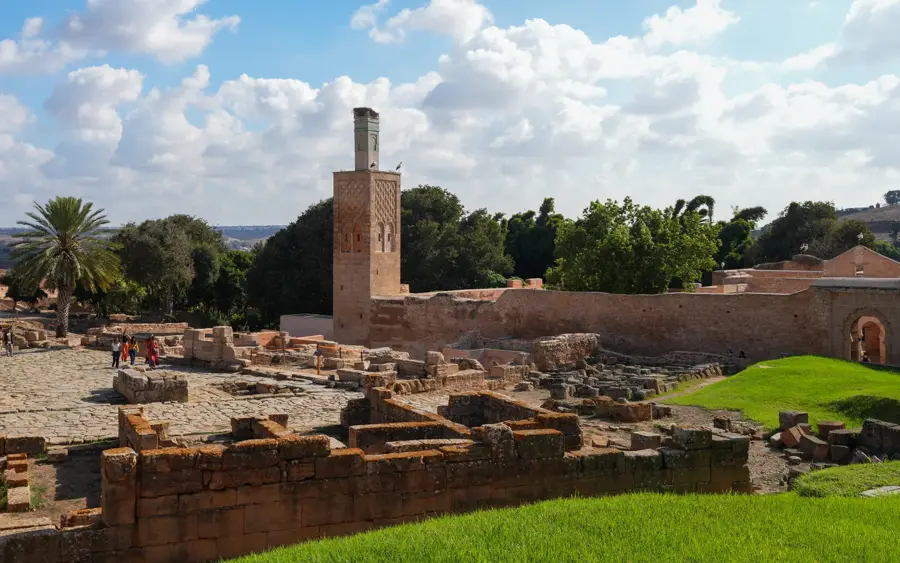
Ancient Roman and Islamic ruins surrounded by beautiful gardens, famously inhabited by storks.
A lush, peaceful green space located within the historic walls of the Kasbah of the Udayas.
The oldest and largest park in the city center, well-suited for a shaded, tranquil walk.
Water temperature…
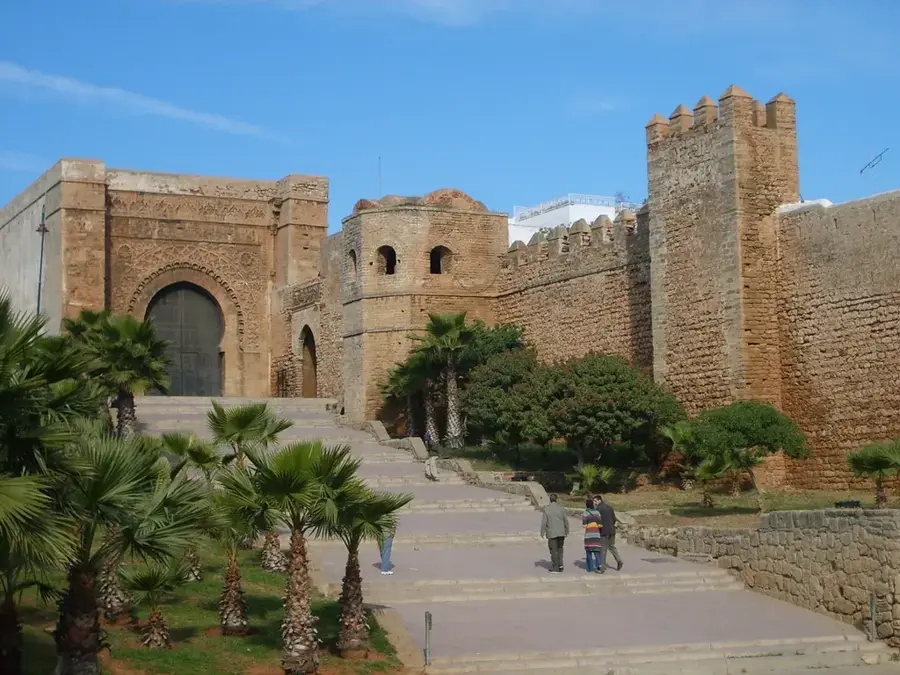
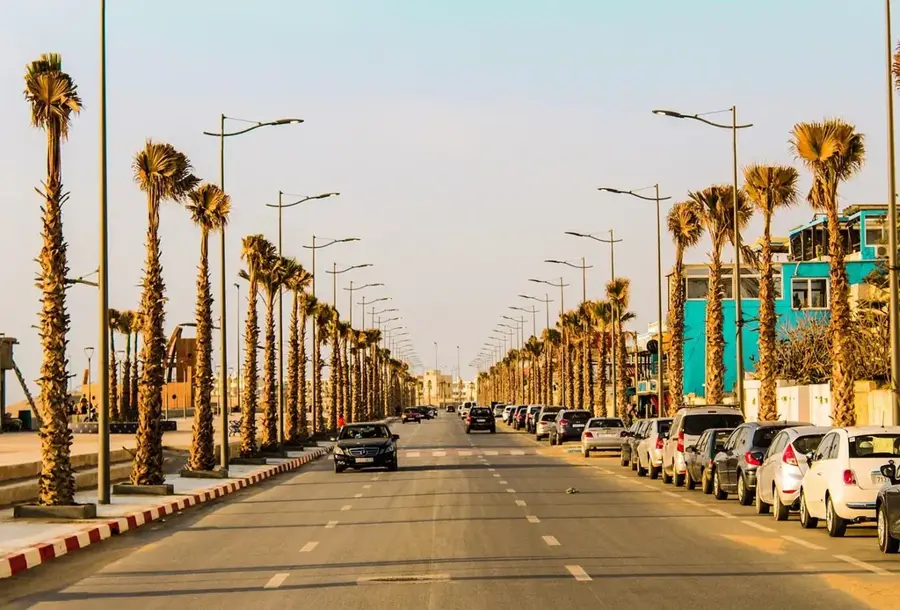
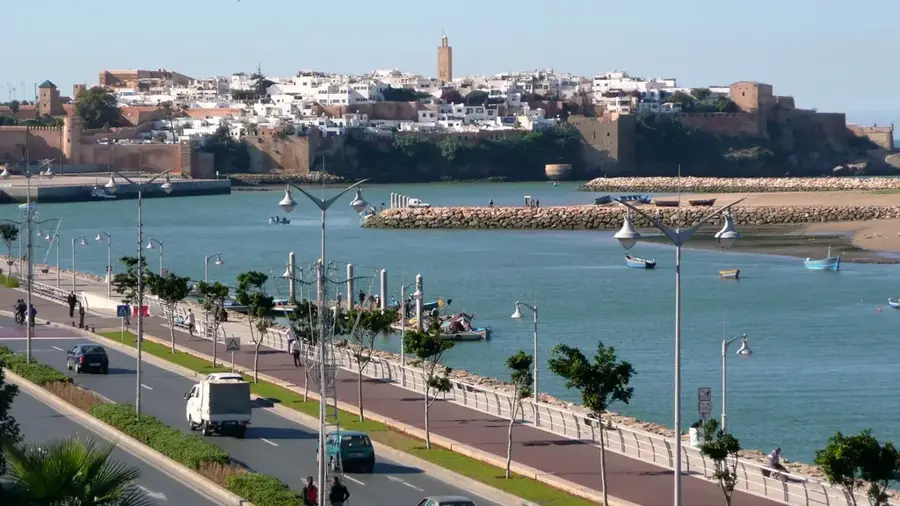
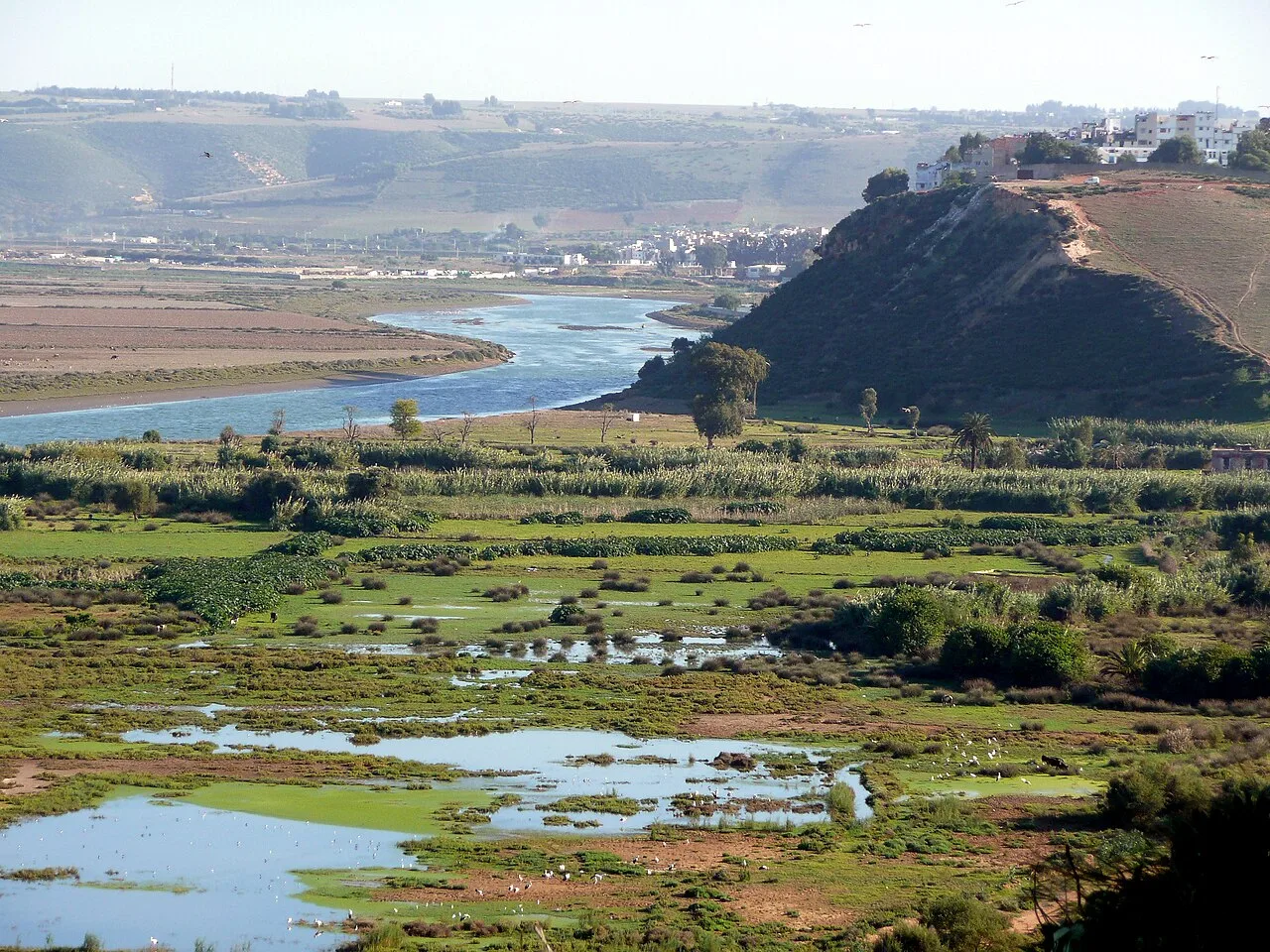
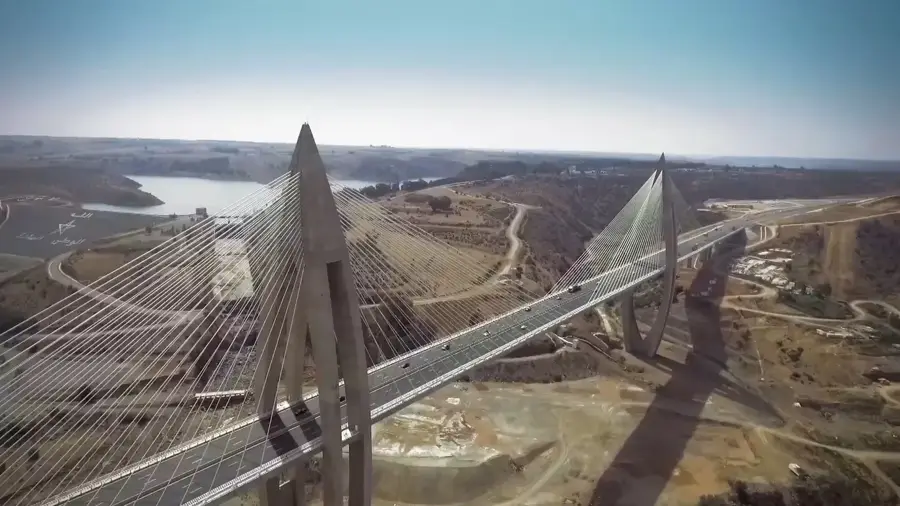
Rabat, the serene capital of Morocco, stands as a testament to the country's ability to blend imperial tradition with forward-looking modernity. Located on the Atlantic coast at the mouth of the Bou Regreg River, Rabat was founded in the 12th century by the Almohad dynasty as a military stronghold. Today, it is a city of broad boulevards, lush gardens, and historic monuments that earned it a place on the UNESCO World Heritage list in 2012. Unlike the frantic energy of Marrakesh or the industrial sprawl of Casablanca, Rabat maintains a sophisticated, administrative atmosphere as the seat of the Moroccan government and the Royal Palace. The city's skyline is dominated by the Hassan Tower, a 12th-century minaret intended to be the world's largest, standing adjacent to the exquisite Mausoleum of Mohammed V. The Kasbah of the Udayas gives an easy on the eye escape with its narrow blue-and-white streets and panoramic views of the ocean. Modern Rabat, developed during the French protectorate, is a masterpiece of early 20th-century urbanism, featuring the 'Ville Nouvelle' with its distinctive architecture and the sprawling Botanical Gardens (Jardin d'Essais Botaniques). In recent years, the city has embarked on ambitious development projects, including the dazzling Grand Theatre of Rabat and the high-speed Al Boraq train line. The economy is driven by its status as the administrative hub, as well as growing sectors in aerospace, automotive parts, and offshore services located in the nearby Technopolis and Atlantic Free Zone. As a cultural capital, Rabat hosts the world-renowned Mawazine music festival and is home to the Museum of History and Civilizations and the Mohammed VI Museum of Modern and Contemporary Art. With its clean streets, extensive green spaces, and coastal breeze, Rabat is widely considered one of the most livable cities in North Africa, offering a unique mix of Atlantic charm and Mediterranean culture.
- Location: Morocco
- Top sights: Russian Orthodox Church · Fort Rottembourg - Fort Hervé · Bab El Had
- Nearby: Sidi Bouknadel (15 km)
- Population: ~1.655.753 (2019)
Best time to visit & climate
The most pleasant time to visit is May–Jul.
| Jan | Feb | Mar | Apr | May | Jun | Jul | Aug | Sep | Oct | Nov | Dec | |
|---|---|---|---|---|---|---|---|---|---|---|---|---|
| Avg °C | 14 | 14 | 16 | 17 | 19 | 22 | 24 | 24 | 23 | 21 | 17 | 15 |
| Rain mm | 66 | 52 | 55 | 38 | 19 | 3 | 2 | 3 | 33 | 55 | 98 | 67 |
Geography
Facts
- Rabat was named a UNESCO World Heritage Site in 2012.
- The city became the capital of Morocco in 1912 under French rule.
- The Hassan Tower's mosque would have been the second largest in Islam.
- Rabat's population is approximately 580,000 (city proper).
- The Chellah necropolis contains Phoenician, Roman, and Marinid ruins.
- The Grand Theatre of Rabat was designed by architect Zaha Hadid.
- Rabat is the second largest city in Morocco after Casablanca.
- The University of Mohammed V, founded in 1957, is the city's top academic hub.
Explore nearby
Notable places around

Route planner — Car & Motorhome
Where do you start? We build the route here, with stops and country notes along the way.
© OpenStreetMap contributors · OpenRouteService
Sights in the town Rabat (4)
Frequently asked questions
What are the highlights in Rabat?
Is Rabat safe?
Can you visit the Chellah?
How to get from Casablanca to Rabat?
When is the best time to visit?
Rabat: where is it located?
Rabat: what is there to see?
Rabat: when is the best time to visit?
Rabat: why is it worth visiting?

Nearby cities
Nature
More places