Plizio Visual Lab
Sükhbaatar
ℹ️Practical info — Sükhbaatar
▾
🌤 Weather — 5 days
📍 Nearby
Sights nearby
💡 Tips
- Allow plenty of time for the Russian border crossing if traveling by train, as procedures can take several hours on board.
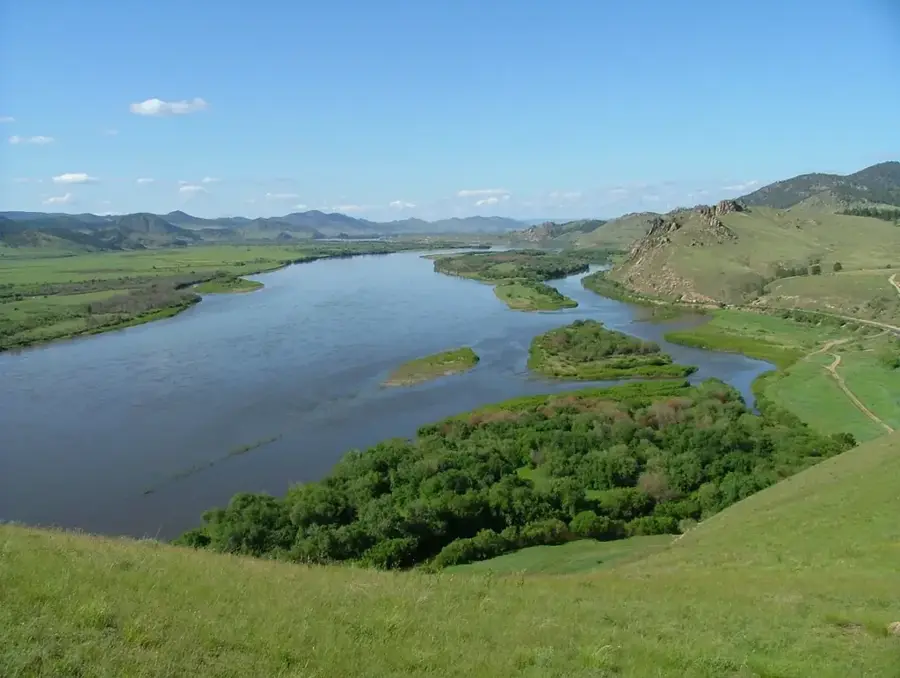
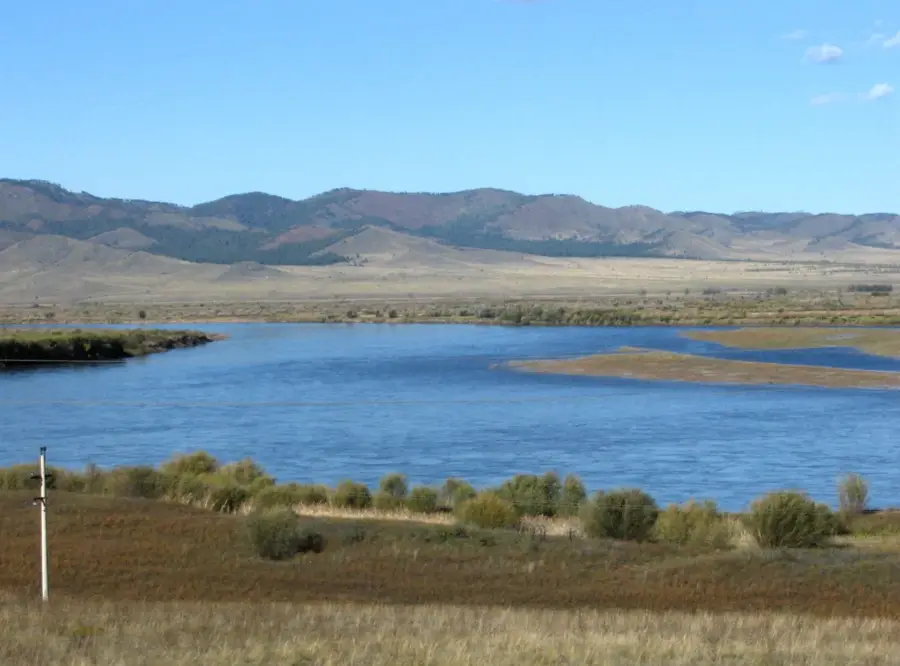
- Visit the confluence of the Orkhon and Selenge rivers on the outskirts for a dramatic natural viewpoint.
- Check out the local markets near the railway station for cheaper supplies compared to Ulaanbaatar.
- Be prepared for strong winds common in the river valley; a windbreaker is recommended even in summer.
- Use the city as a strategic stopover on the Trans-Mongolian Railway to experience a less touristy side of Mongolia.
🍽 Food
Try fresh river fish in the small eateries near the riverbank, usually served simply fried.
You can find hearty steamed dumplings in the canteens around the railway station, good for a filling meal.
The region produces excellent fermented mare's milk; look for fresh batches at the central market.
🛍 Shopping · 🧘 Quiet spots
A lively spot to find both Mongolian wool products and Russian goods like chocolates and household items.
Find affordable leather goods and traditional Mongolian clothing (Deel) in authentic quality.
A peaceful area by the river, good for a sunset walk away from the city traffic.
A short climb up the hills north of town gives silence and a vast view over the river valley.
Water temperature…
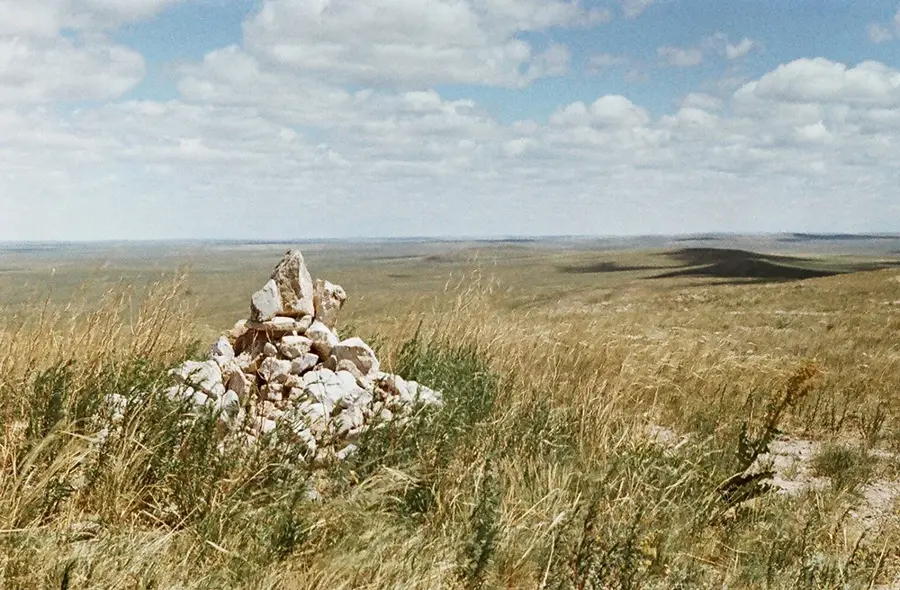
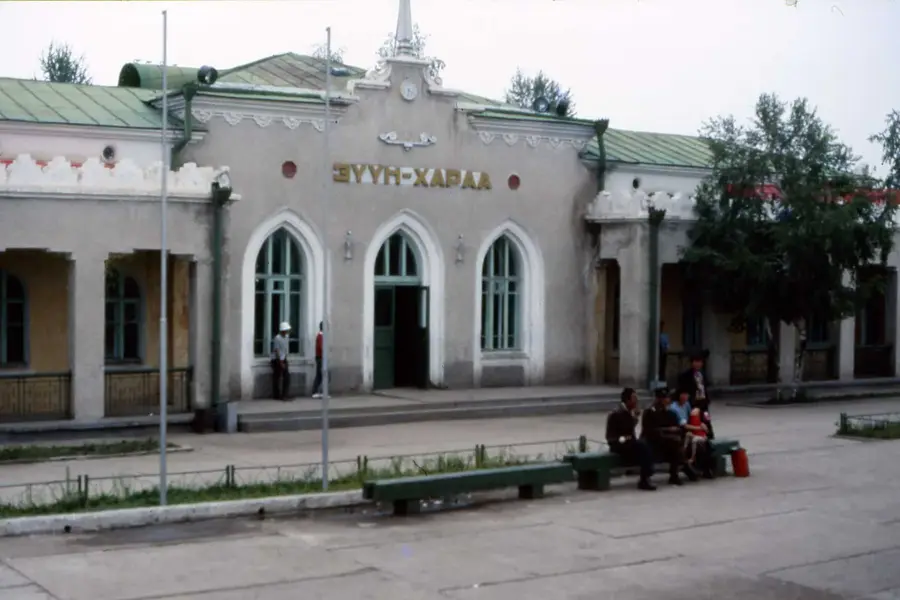
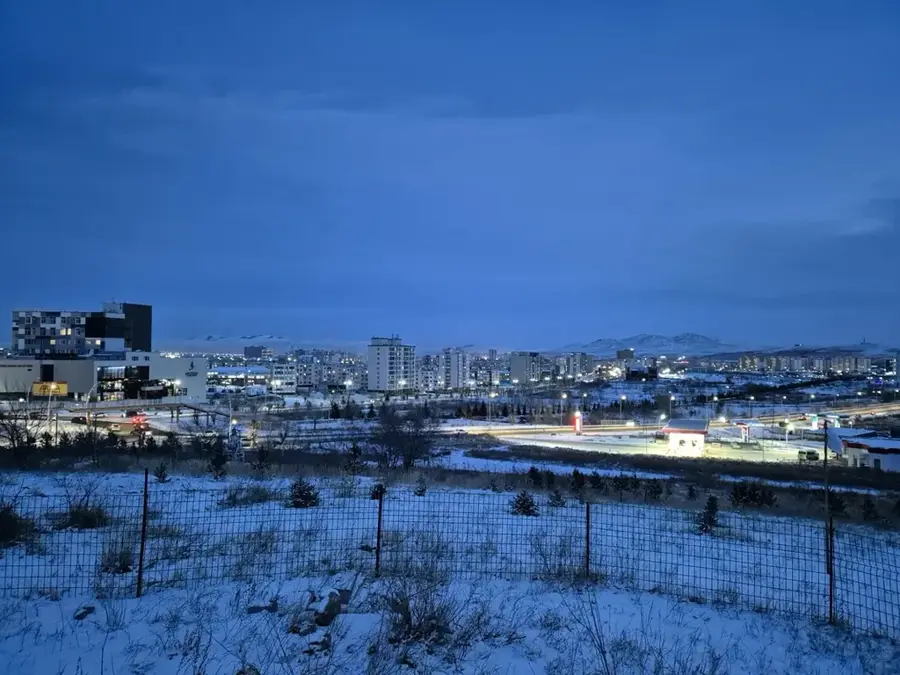
The town of Sükhbaatar was founded in 1940 at the confluence of the Orkhon and Selenga rivers and is named after the Mongolian revolutionary hero Damdin Sükhbaatar (1893-1923). Sitting at 626 metres above sea level with around 22,000 inhabitants, it serves as the capital of Selenge Province and the most important Trans-Mongolian Railway border station with Russia. The town lies 312 kilometres north of Ulaanbaatar and just 24 kilometres from the Russian border town of Naushki. The Selenga River, at 1,024 kilometres Mongolia's longest, flows on into Russia and discharges into Lake Baikal. In the twentieth century Sükhbaatar was the main gateway for Soviet economic aid into Mongolia, and it remains a key transhipment point for timber, minerals and consumer goods. Its first road bridge over the Selenga was completed in 1939. The surrounding country of forested hills and fertile valleys is unusually green for a region otherwise dominated by steppe.
- Location: Mongolia
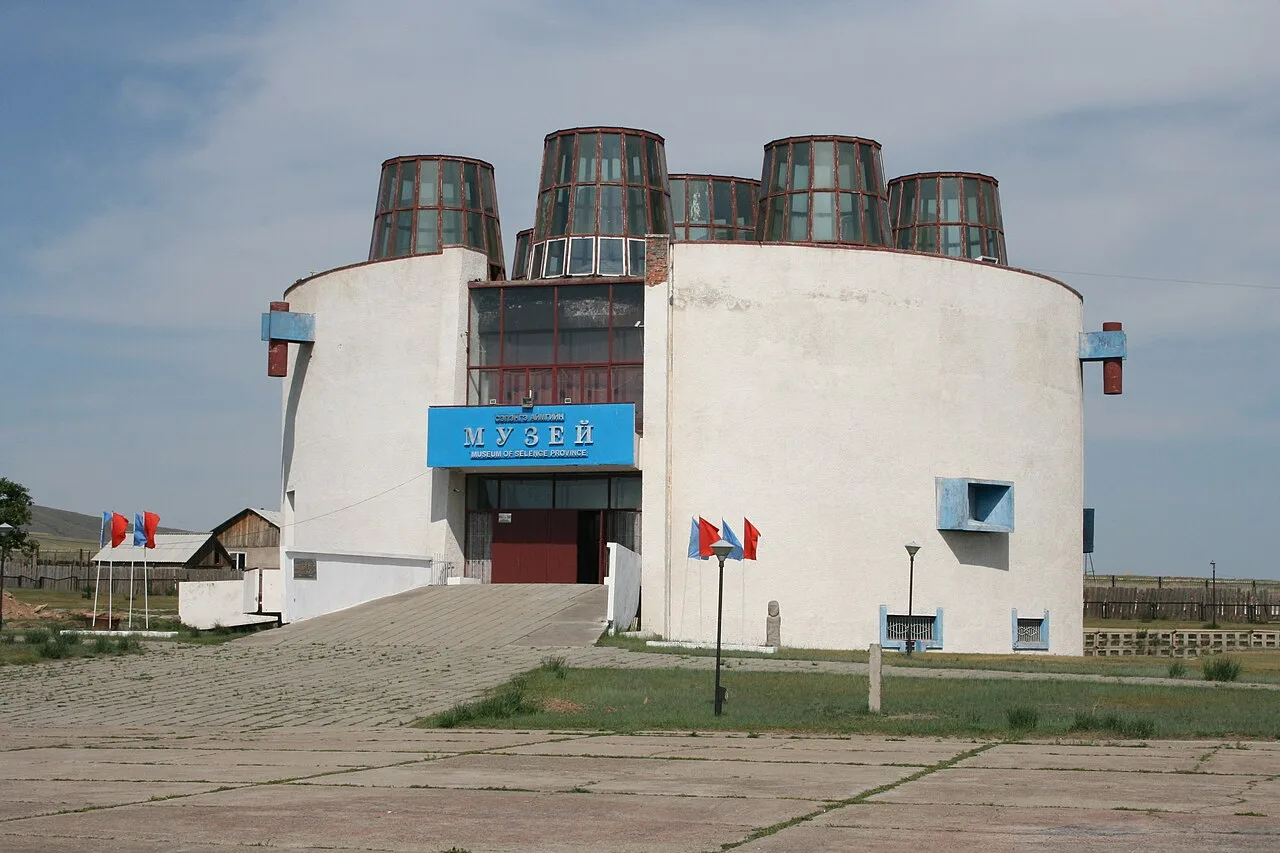
- Top sights: Tamgiin gazar · Selenge baptist church
- Nearby: Sharyn Gol (31 km)
- Population: ~22.741 (2026)
Best time to visit & climate
The most pleasant time to visit is Jun–Aug.
| Jan | Feb | Mar | Apr | May | Jun | Jul | Aug | Sep | Oct | Nov | Dec | |
|---|---|---|---|---|---|---|---|---|---|---|---|---|
| Avg °C | -20 | -17 | -6 | 3 | 10 | 18 | 21 | 18 | 10 | 1 | -9 | -18 |
| Rain mm | 4 | 4 | 7 | 16 | 37 | 50 | 63 | 76 | 37 | 15 | 8 | 6 |
Geography
Facts
- Gegründet 1940 als Eisenbahn-Grenzstadt
- Bevölkerung rund 22.000 Einwohner
- Auf 626 Metern Höhe am Selenge-Fluss
- Hauptstadt der Provinz Selenge
- Benannt nach dem Revolutionshelden Sükhbaatar (1893-1923)
- 24 Kilometer von der russischen Grenze entfernt
- Selenge mit 1.024 Kilometern längster Fluss der Mongolei
- Wichtigster Bahn-Grenzübergang nach Russland
Explore nearby
Notable places around

Route planner — Car & Motorhome
Where do you start? We build the route here, with stops and country notes along the way.
© OpenStreetMap contributors · OpenRouteService
Sights in the town Sükhbaatar (2)
Frequently asked questions
Where is Süchbaatar?
How to travel there?
What is the city's role?
Are there sights?
When is a stay worthwhile?
Sükhbaatar: where is it located?
Sükhbaatar: what is there to see?
Sükhbaatar: when is the best time to visit?
Sükhbaatar: why is it worth visiting?

Nearby cities
Nature
More places