Plizio Visual Lab
Bor-Öndör
ℹ️Practical info — Bor-Öndör
▾
🌤 Weather — 5 days
📍 Nearby
Sights nearby
💡 Tips
- Observe the industrial panorama of the fluorspar mines from a safe distance at the edge of town.
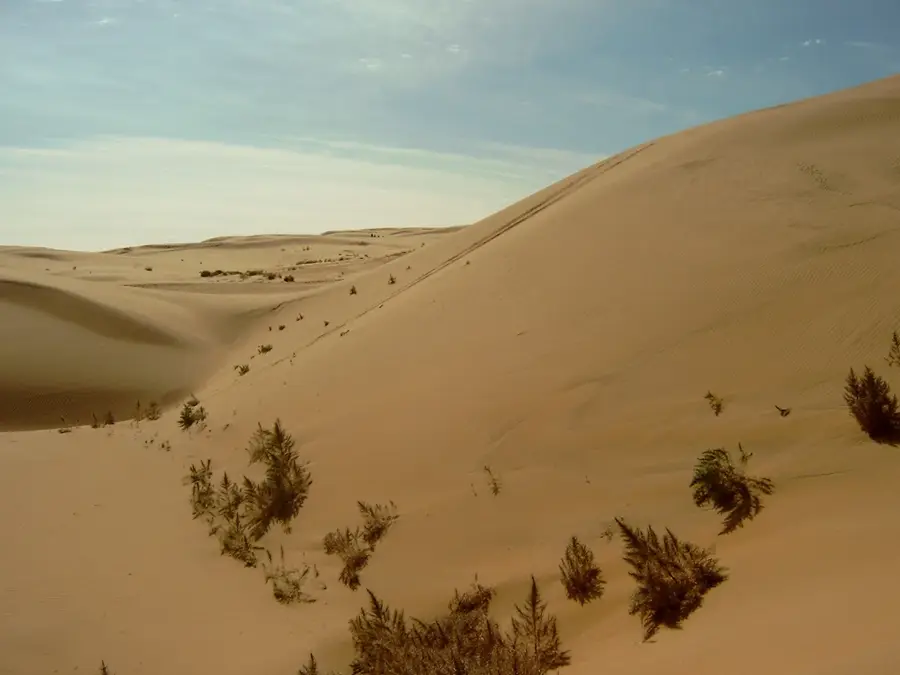
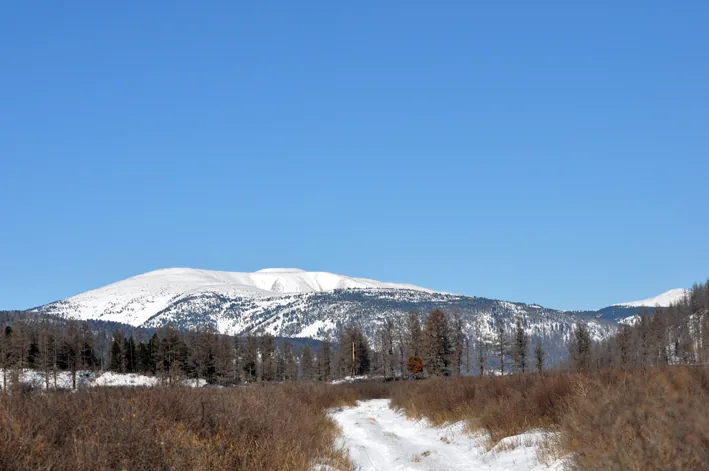
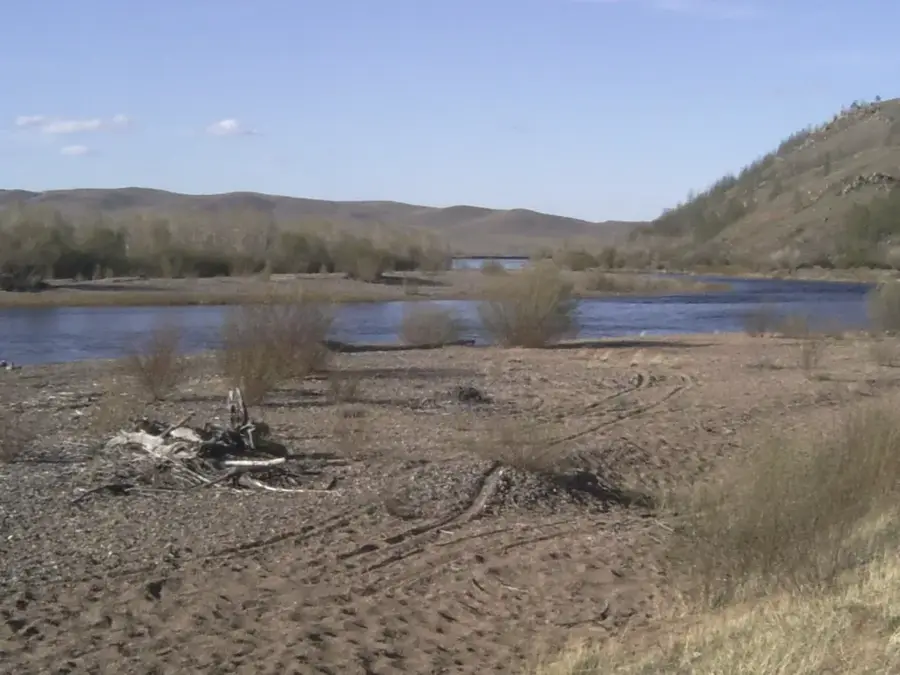
- Prepare for a dry, semi-desert climate; Bor-Öndör is located on the northern fringes of the Gobi.
- Use the railway connection to Ulaanbaatar, which is the most reliable way to reach this isolated town.
- Expect very low prices in local shops, as the town is off the main tourist circuit.
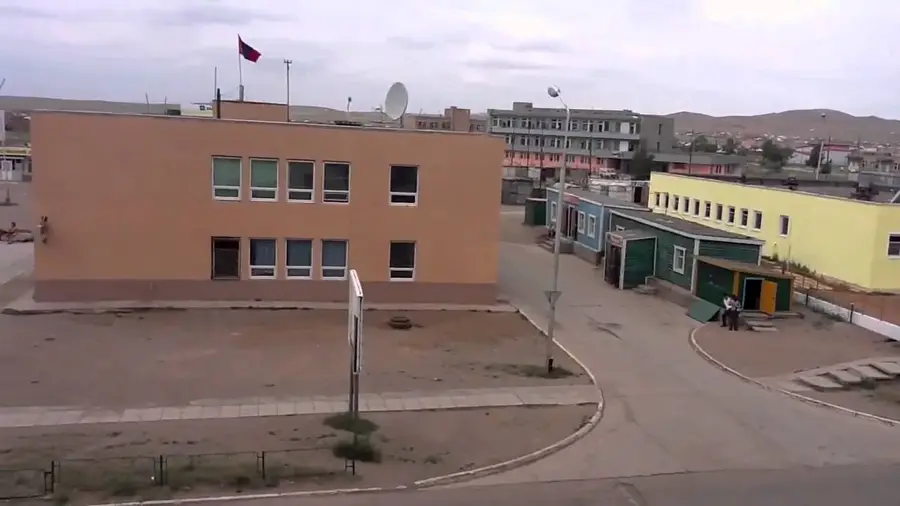
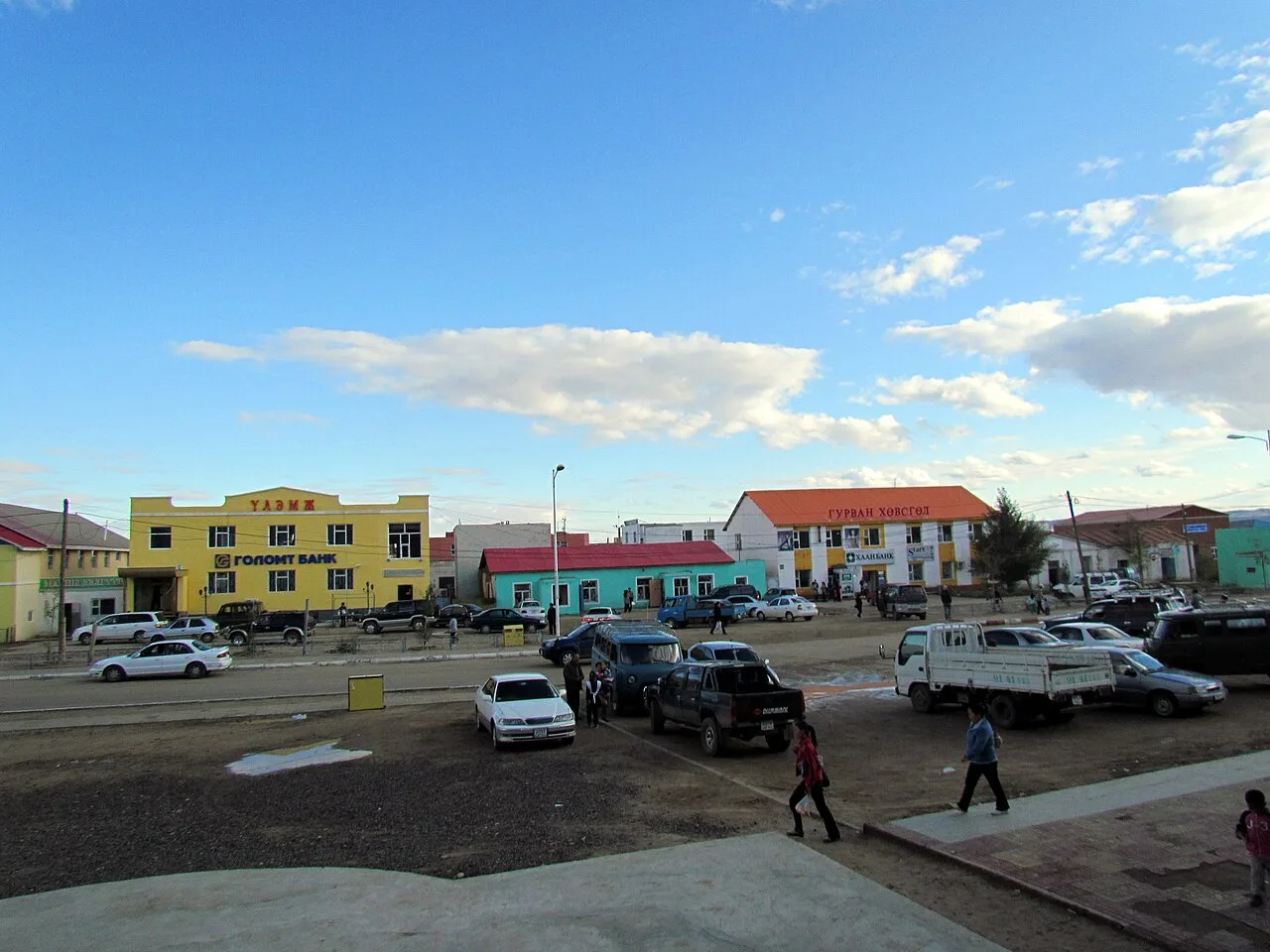
- Notice the functional Soviet-era architecture typical of Mongolian mining settlements.
🍽 Food
Try these hearty stir-fried noodles with meat in the local mining-style canteens.
Buy hard dried curds, a staple snack in this steppe region.
Sample the rich, traditional mutton soups found in the small eateries near the station.
🛍 Shopping · 🧘 Quiet spots
The market has a good selection of Russian sweets and canned goods.
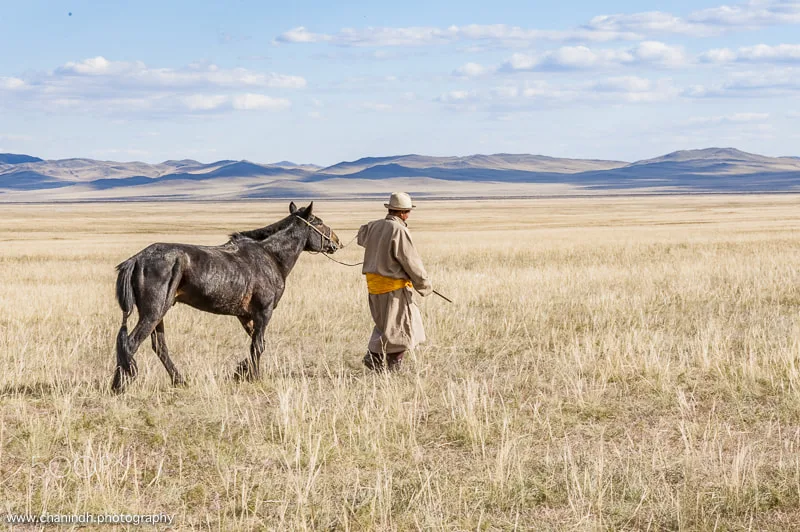
Look for fresh yogurt and butter brought in by nomadic herders from the steppe.
Find durable, windproof clothing in local shops suited for the harsh environment.
Hike to the top for a quiet view over the endless semi-desert landscape.
A small green patch in the center, great for a short break away from the industrial dust.
Walk just a few kilometers out of town to experience total solitude.
Water temperature…
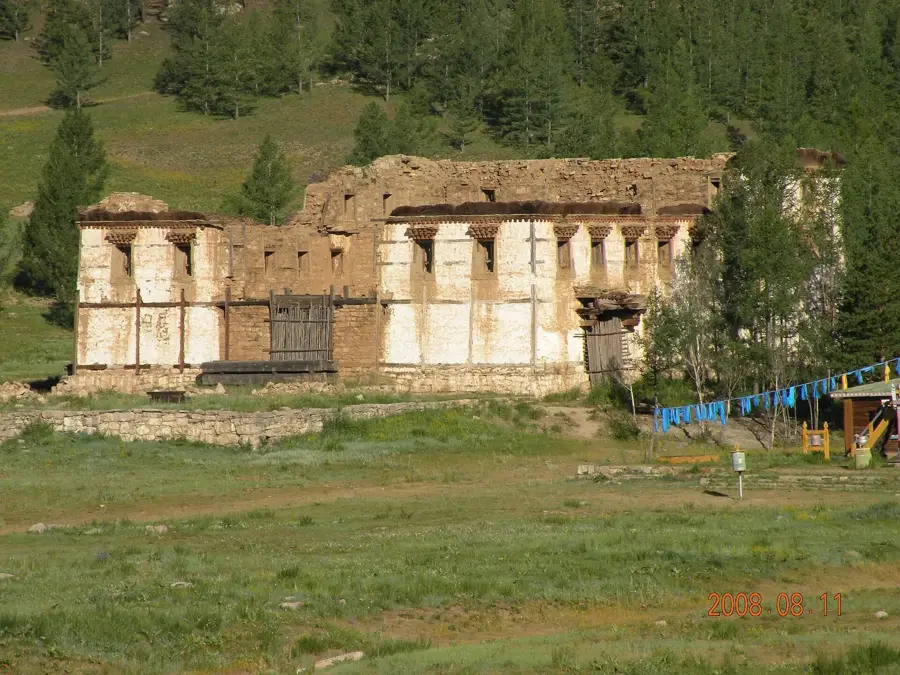
Bor-Öndör, meaning brown hill in Mongolian, lies at 1,180 metres above sea level on the eastern steppe in Khentii Province. It is a pure mining town founded in 1981 with Soviet support after the discovery of the huge nearby Bor-Öndör fluorite deposit, one of the largest in the world. Mongolrostsvetmet, a Mongolian, Russian joint venture dating back to 1973, operates a mine here producing roughly 600,000 tonnes of fluorite concentrate annually, around 35 percent of Mongolia's total fluorite output. The town has about 7,000 inhabitants who depend almost entirely on mining and lies 350 kilometres southeast of Ulaanbaatar. A dedicated railway line was completed in 1986, allowing concentrate to be exported to Russia and China via the Trans-Mongolian main line. Local unemployment is low, but the town's future is tightly bound to the global fluorite price and the long-term viability of the mine.
- Location: Mongolia
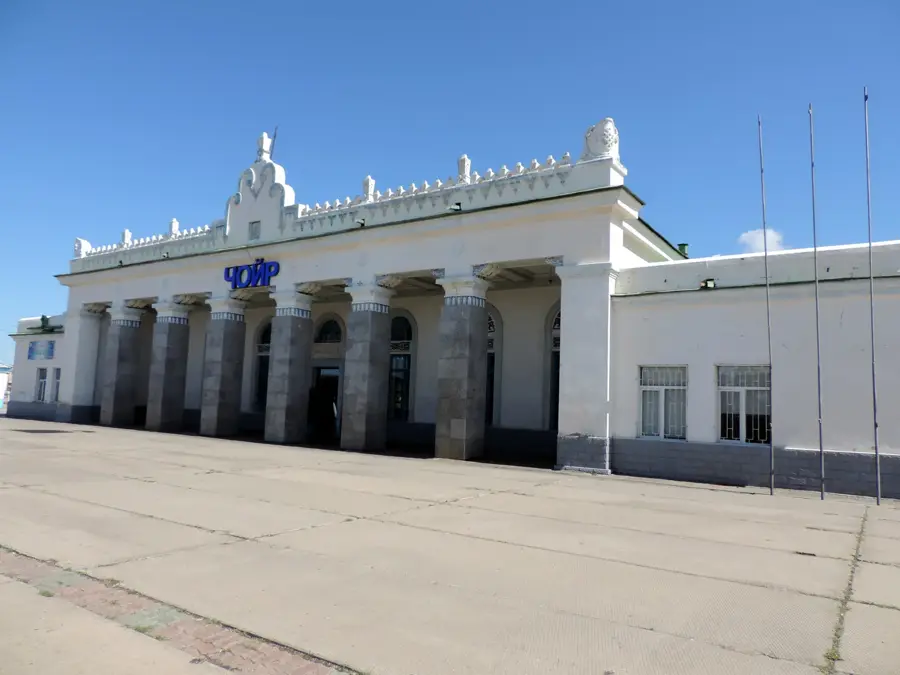
- Nearby: Choir (33 km)
- Population: ~8.897 (2025)
Best time to visit & climate
The most pleasant time to visit is Jun–Aug.
| Jan | Feb | Mar | Apr | May | Jun | Jul | Aug | Sep | Oct | Nov | Dec | |
|---|---|---|---|---|---|---|---|---|---|---|---|---|
| Avg °C | -18 | -15 | -6 | 3 | 10 | 18 | 20 | 18 | 10 | 1 | -9 | -17 |
| Rain mm | 2 | 3 | 4 | 6 | 15 | 31 | 49 | 38 | 17 | 6 | 3 | 3 |
Geography
Facts
- Gegründet 1981 als sowjetische Bergbausiedlung
- Bevölkerung rund 7.000 Einwohner
- Auf 1.180 Metern Höhe in der östlichen Steppe
- Eines der größten Flussspat-Vorkommen der Welt
- Jahresproduktion 600.000 Tonnen Flussspat-Konzentrat
- Mongolrostsvetmet-Joint-Venture seit 1973
- Eigene Eisenbahnverbindung seit 1986
- Etwa 35 Prozent der mongolischen Flussspat-Produktion
Explore nearby
Notable places around

Route planner — Car & Motorhome
Where do you start? We build the route here, with stops and country notes along the way.
© OpenStreetMap contributors · OpenRouteService
Frequently asked questions
What makes Bor-Öndör special?
How many days should I spend in Bor-Öndör?
Is Bor-Öndör a tourist destination?
When is the best time to visit this region?
How can I travel to Bor-Öndör?
Bor-Öndör: where is it located?
Bor-Öndör: when is the best time to visit?
Bor-Öndör: why is it worth visiting?
Nearby cities
History & landmarks
Nature
More places