Plizio Visual Lab
Tarxien
ℹ️Practical info — Tarxien
▾
🌤 Weather — 5 days
📍 Nearby
Sights nearby
💡 Tips
- Visit the megalithic temples early in the morning to avoid the midday heat and large tour groups.
- Combine your visit with the Hal Saflieni Hypogeum in nearby Paola, but make sure to book months in advance.
- Take advantage of the frequent bus connections to Valletta, with stops located right on the main road.
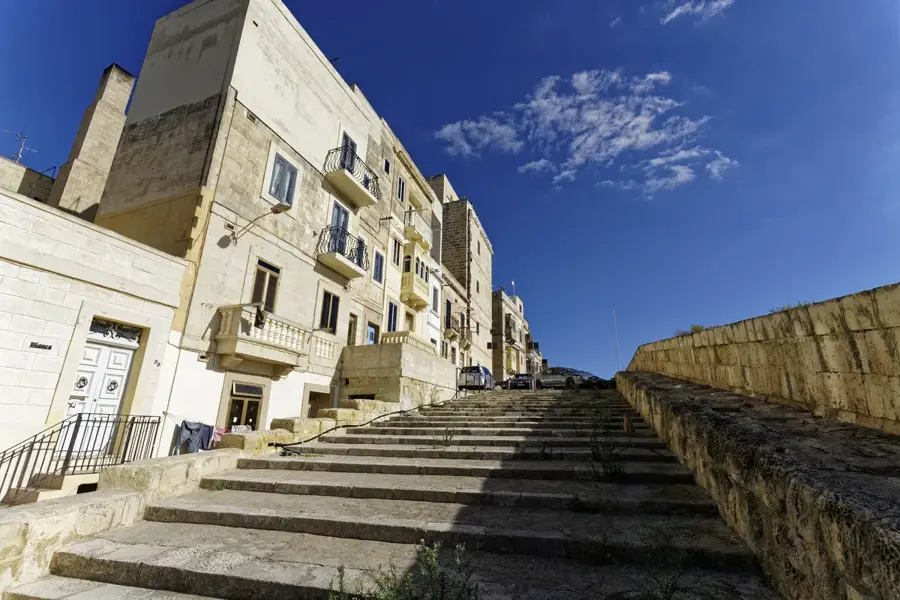
- Explore the narrow backstreets to admire the typical colorful Maltese wooden balconies.
- Look for the 'Great Mother' statue in the temple complex, a famous symbol of prehistoric fertility.
🍽 Food
Try this Maltese classic in the local eateries around the village square.
Find these ricotta or pea-filled pastries in small bakeries (pastizzerijas) along the main road.
A traditional sandwich often prepared fresh in the town's local cafes.
🛍 Shopping · 🧘 Quiet spots
Just a short walk away, this market gives fresh produce and household items.
Purchase authentic Maltese olive oil and honey in the small shops in the town center.
Outside peak visiting hours, the archaeological site gives a sense of spiritual calm.
The square in front of this imposing church is a peaceful spot to sit and relax.
Water temperature…
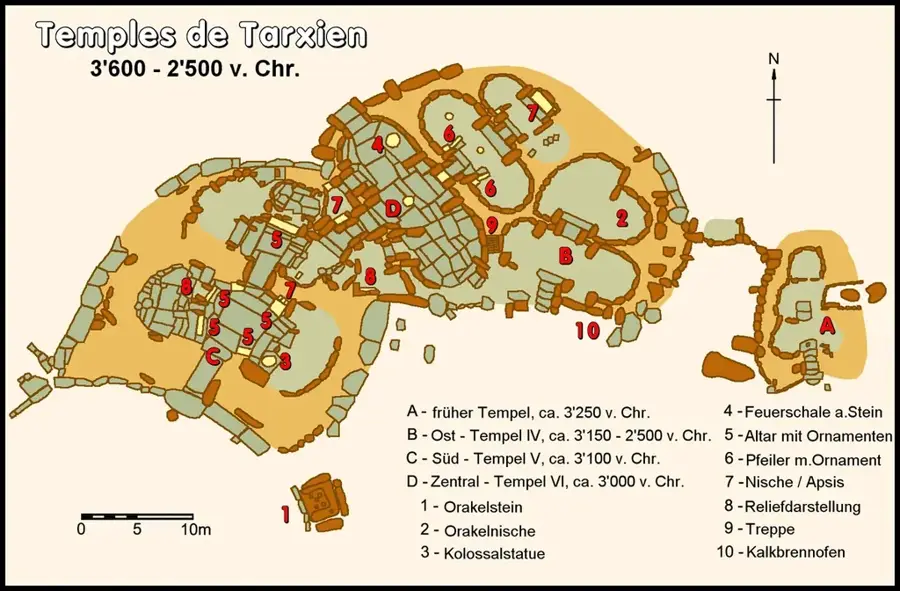
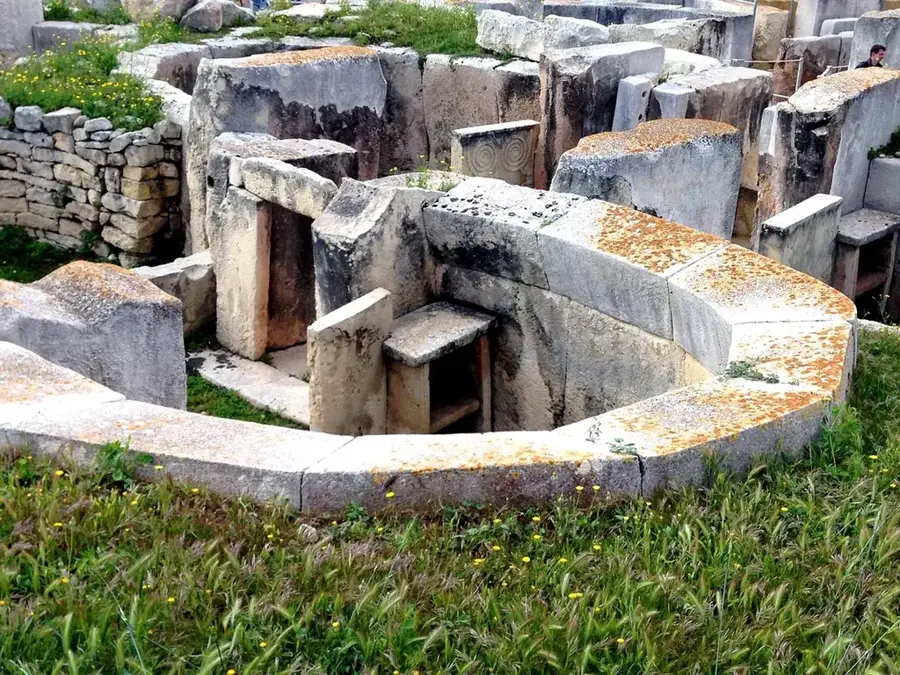
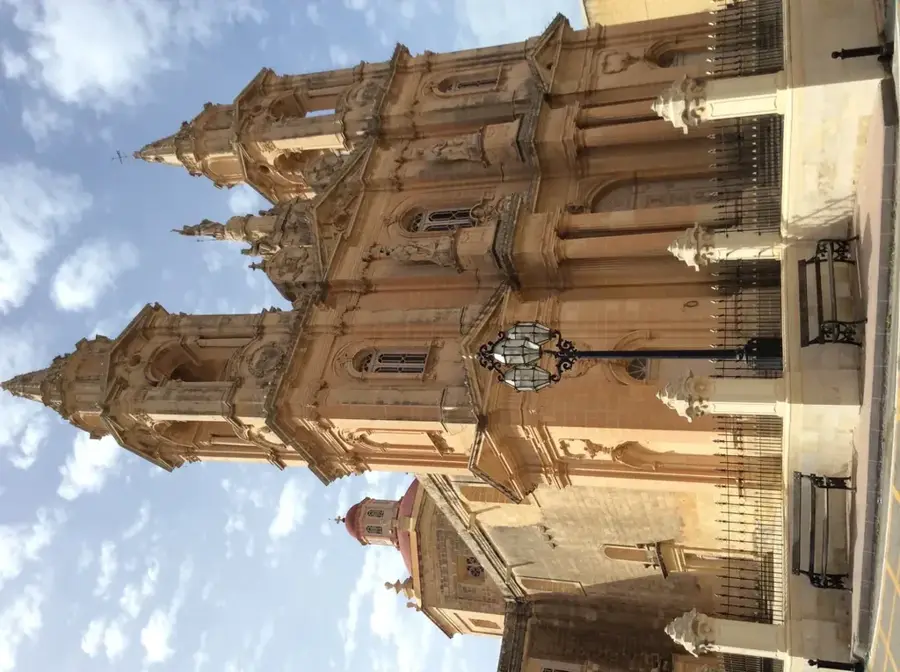
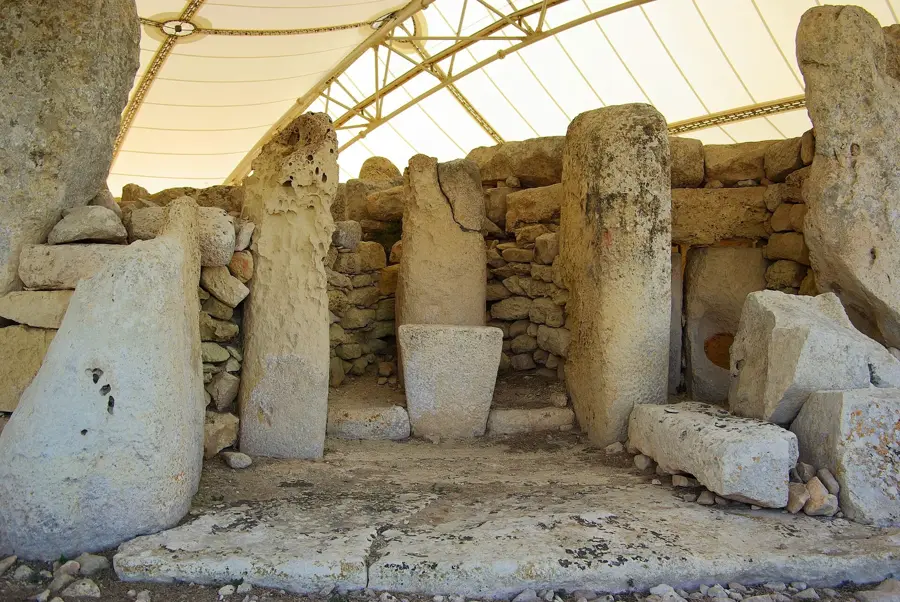
Tarxien is primarily famous for housing one of Malta's most significant archaeological complexes, the Tarxien Temples. This megalithic site, a UNESCO World Heritage monument, dates back to between 3600 and 2500 BC and comprises four distinct temple structures adorned with intricate reliefs of animals and spiral motifs. The most iconic find at the site is the lower half of a colossal 'Great Mother' statue, which highlights the prehistoric importance of fertility cults. Beyond its ancient heritage, Tarxien is a traditional Maltese village that underwent substantial expansion during the 20th century, now forming a contiguous urban area with neighbouring Paola and Fgura. The village core retains its character with typical limestone dwellings and narrow alleys. The parish church, dedicated to the Annunciation, was built in the early 17th century and later enlarged in the 18th century. Despite modern urbanization, Tarxien maintains a spirited community spirit, most evident during its annual parish feast in May, characterized by elaborate street decorations and pyrotechnic displays.
- Location: Malta
- Top sights: Ħal Tarxien Temples · Parish Church of Our Lady of Mount Carmel · Saint Julian's Chapel
- Nearby: Safi (4 km)
- Population: ~8.627
Best time to visit & climate
The most pleasant time to visit is May–Jul.
| Jan | Feb | Mar | Apr | May | Jun | Jul | Aug | Sep | Oct | Nov | Dec | |
|---|---|---|---|---|---|---|---|---|---|---|---|---|
| Avg °C | 15 | 14 | 15 | 16 | 19 | 23 | 26 | 27 | 25 | 23 | 20 | 16 |
| Rain mm | 74 | 65 | 51 | 33 | 17 | 11 | 4 | 10 | 63 | 82 | 95 | 82 |
Geography
Facts
- The Tarxien Temples were discovered in 1913 by local archaeologist Sir Themistocles Zammit.
- The site consists of four temples, the oldest dating back to 3600 BC.
- Evidence of animal sacrifices, including charred bones and flint knives, was found on-site.
- Tarxien was established as a separate parish from Birgu as early as 1592.
- The village is home to several historic niche statues dedicated to various saints.
- The prehistoric site was reused as a cremation cemetery during the Bronze Age.
Explore nearby
Notable places around
Route planner — Car & Motorhome
Where do you start? We build the route here, with stops and country notes along the way.
© OpenStreetMap contributors · OpenRouteService
Sights in the town Tarxien (12)
Esplora🏛 museum
Esplora, an interactive science museum in Tarxien.
Frequently asked questions
What is Tarxien famous for?
How old are the temples?
Are the temples well-preserved?
Are the temples in the middle of town?
Can you visit the temples?
Tarxien: where is it located?
Tarxien: what is there to see?
Tarxien: when is the best time to visit?
Tarxien: why is it worth visiting?

Nearby cities

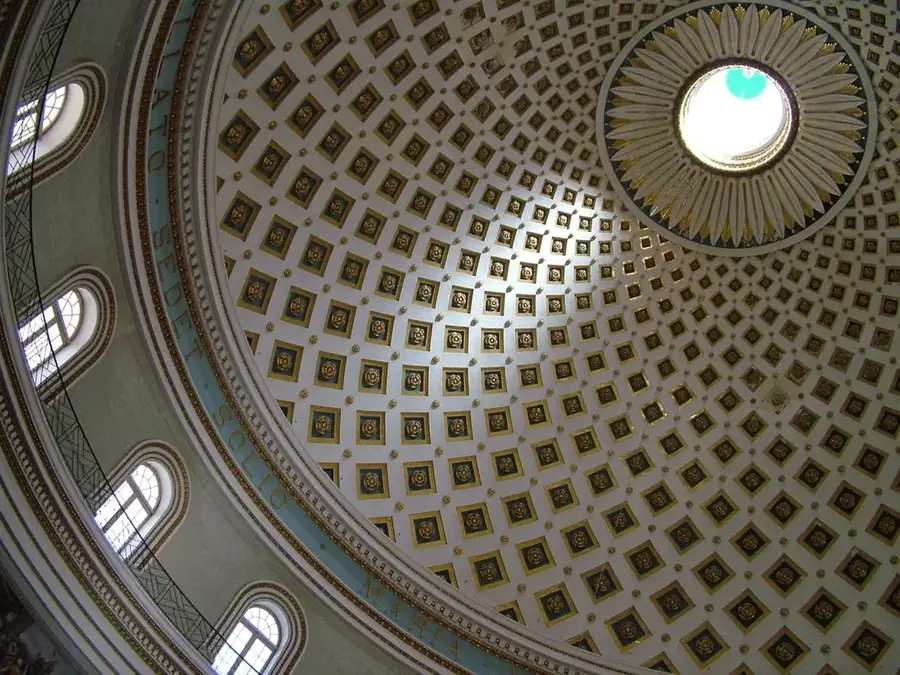
History & landmarks

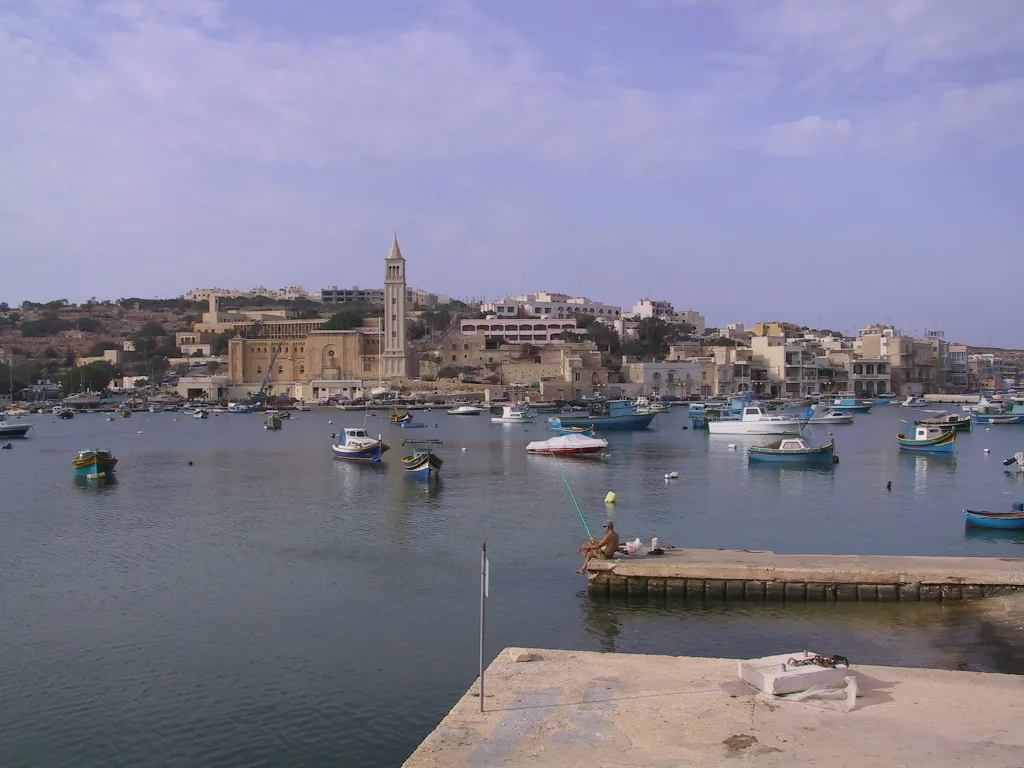
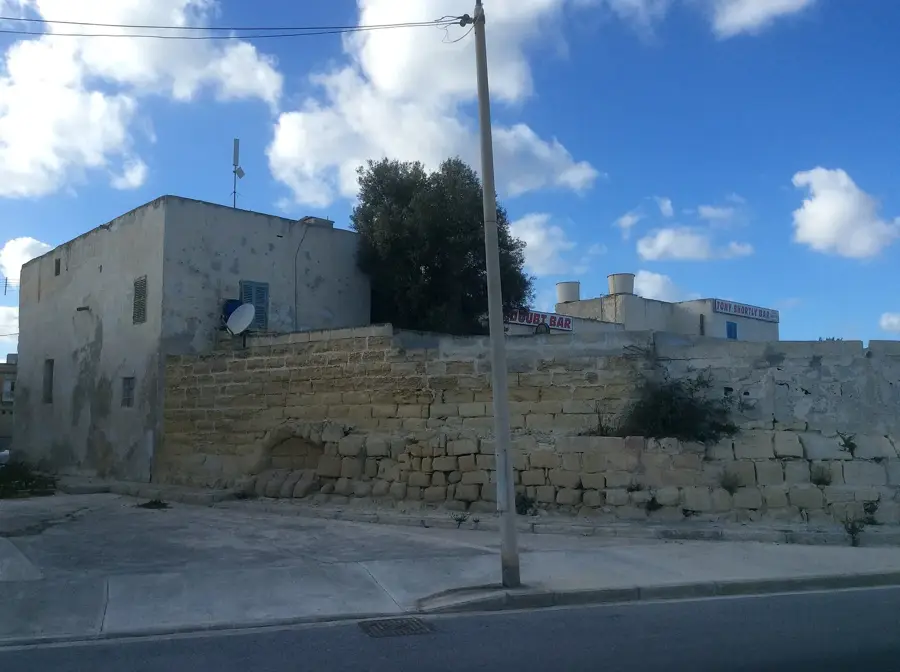
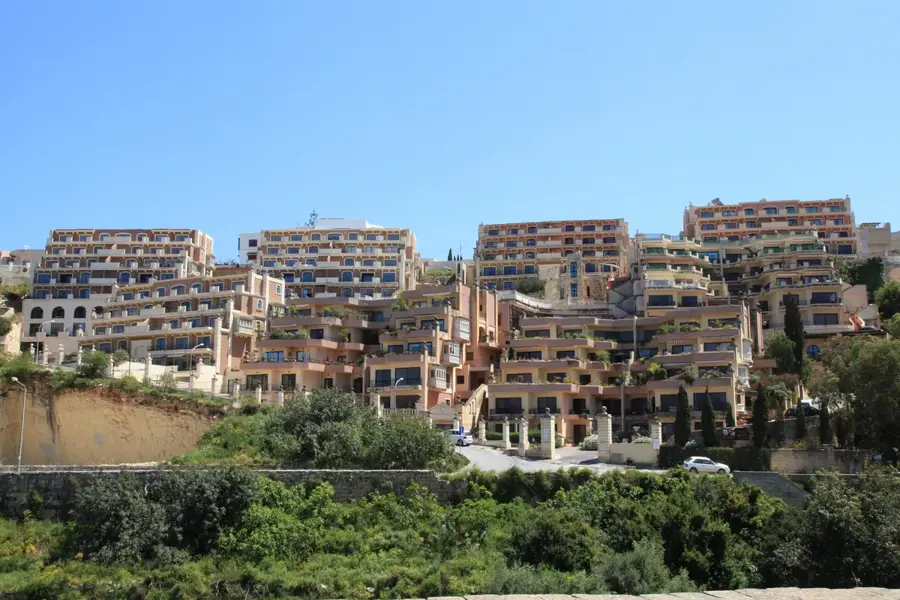
Nature
More places