Plizio Visual Lab
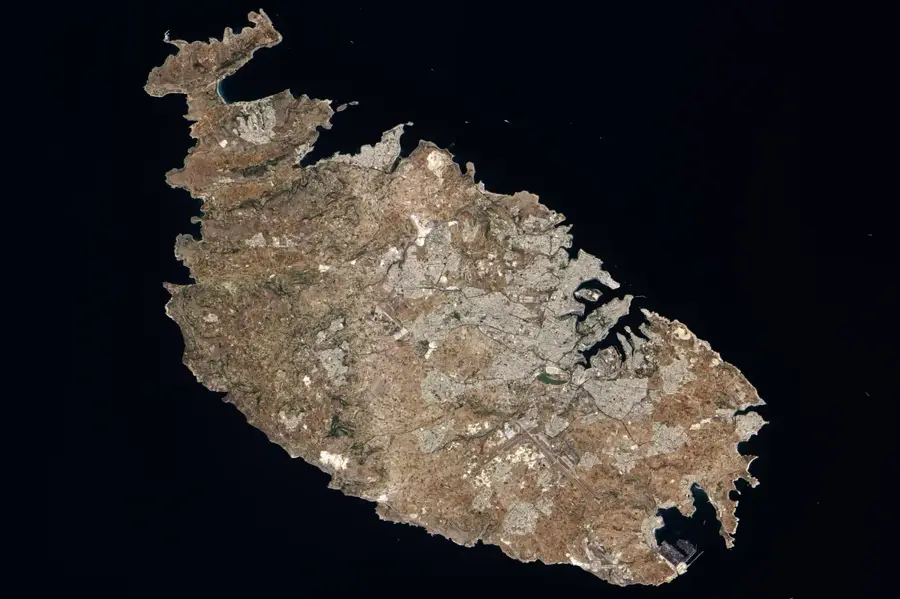
Rabat, Malta
ℹ️Practical info — Rabat, Malta
▾
🌤 Weather — 5 days
📍 Nearby
Sights nearby
💡 Tips
- Visit St. Paul’s Catacombs early in the morning to avoid the large tour groups arriving from nearby Mdina.
- Use the main public car park near the bus terminus; it is customary to give the parking attendant a tip of €1 to €2.
- Experience Rabat’s true local atmosphere in the evening once the Mdina day-trippers have left.
- Eat pastizzi at 'Is-Serkin' (Crystal Palace) near the bus station; it is legendary for serving the best on the island.
- Combine your trip with the Wignacourt Museum to gain access to historical WWII air-raid shelters hidden underground.
🍽 Food
Flaky pastries filled with ricotta or mushy peas, best enjoyed hot at 'Is-Serkin' near the bus terminus.
Slow-cooked rabbit stew, a national dish found in its most authentic form in Rabat's backstreet tavernas.
Diamond-shaped deep-fried date pastries, sold fresh at street stalls near the entrance to Mdina.
🛍 Shopping · 🧘 Quiet spots
Look for small workshops in the side streets of Rabat for handmade, delicate Maltese jewelry.
Authentic Maltese lace (Bizzilla) can be found in craft shops near the town center.
A large public garden between Rabat and Mdina, offering shaded benches and a calm atmosphere.
A smaller, quieter catacomb site located under a church, often overlooked by the big crowds.
Water temperature…
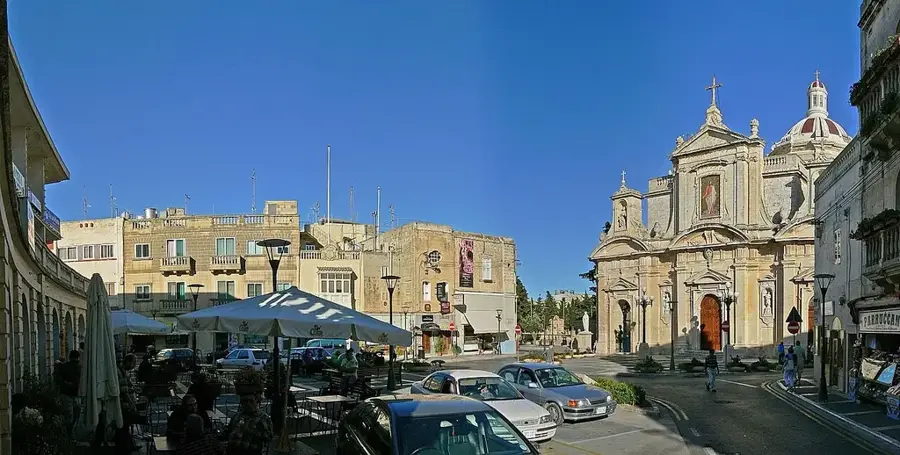
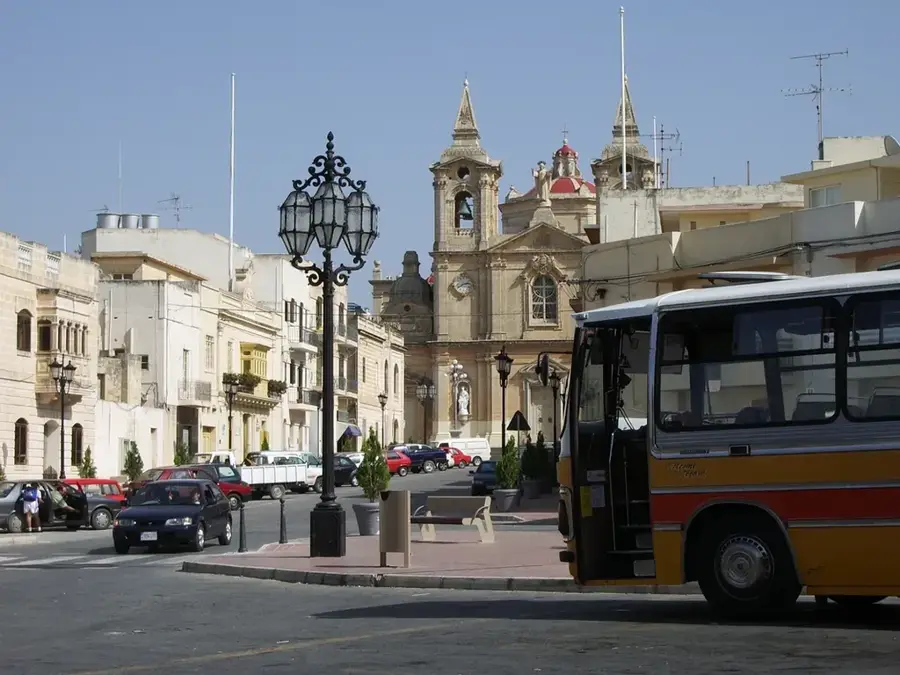
Rabat, directly adjacent to the fortified city of Mdina, is a place steeped in history with origins dating back to the Roman period. While Mdina served as the administrative hub, Rabat formed the surrounding residential area of the ancient city of Melite. Today, the town is primarily known for its religious heritage, most notably St. Paul’s Grotto, where the Apostle Paul is said to have lived after his shipwreck in 60 AD. Beneath the town lies an extensive network of catacombs, with St. Paul’s and St. Agatha’s catacombs being the most significant. These served as Christian burial sites during the 3rd and 4th centuries and showcase impressive rock-cut architecture. Another cultural highlight is the Domvs Romana, a Roman townhouse featuring excellently preserved mosaic floors. Rabat has maintained its authentic Maltese character over the centuries, characterized by narrow streets and Baroque chapels. The town is also a center for traditional architecture and hosts numerous monasteries of various religious orders that have been established here since the Middle Ages.
- Location: Malta
- Top sights: Katakombi ta' San Pawl · Wignacourt Museum and Saint Paul's Grotto · Tax-Xierfa Museum
- Nearby: Lija (5 km)
- Population: ~11.936
Best time to visit & climate
The most pleasant time to visit is May–Jul.
| Jan | Feb | Mar | Apr | May | Jun | Jul | Aug | Sep | Oct | Nov | Dec | |
|---|---|---|---|---|---|---|---|---|---|---|---|---|
| Avg °C | 15 | 14 | 15 | 16 | 19 | 23 | 26 | 27 | 25 | 23 | 20 | 16 |
| Rain mm | 74 | 65 | 51 | 33 | 17 | 11 | 4 | 10 | 63 | 82 | 95 | 82 |
Geography
Facts
- St. Paul’s Grotto is reputed to have sheltered the Apostle Paul in 60 AD.
- Rabat was once part of the ancient Roman capital city of Melite.
- St. Paul's Catacombs are the largest underground cemetery system in Malta.
- The Domvs Romana features mosaics dating back to the 1st century BC.
- The name Rabat means 'suburb' in the Arabic language.
- Rabat is home to monasteries of the Franciscans, Dominicans, and Augustinians.
Explore nearby
Notable places around

Route planner — Car & Motorhome
Where do you start? We build the route here, with stops and country notes along the way.
© OpenStreetMap contributors · OpenRouteService
Sights in the town Rabat, Malta (26)
Frequently asked questions
Is Rabat the same as Mdina?
What are St. Paul's Catacombs?
What is the Domvs Romana?
Where are the best pastizzi?
Are there monasteries there?
Rabat, Malta: where is it located?
Rabat, Malta: what is there to see?
Rabat, Malta: when is the best time to visit?
Rabat, Malta: why is it worth visiting?

Nearby cities
History & landmarks


Nature
More places