Plizio Visual Lab
Kidal
ℹ️Practical info — Kidal
▾
🌤 Weather — 5 days
📍 Nearby
Sights nearby
💡 Tips
- The region is highly unstable; do not travel here without extensive security planning and up-to-date diplomatic advice.
- Temperatures fluctuate wildly-expect scorching daytime desert heat and surprisingly cold nights, especially in winter.
- Respect the conservative Islamic and traditional Tuareg culture by dressing modestly and avoiding public photography without permission.
- Basic infrastructure is very limited, so extreme self-sufficiency in water, fuel, and medical supplies is necessary.
🍽 Food
The ceremonial serving of three small glasses of tea (strong, sweet, and frothy) is a central part of local hospitality.
A traditional, dense bread baked directly under the hot sand and embers, usually shared if hosted by locals.
Roasted meat is the standard local protein, often served with rice or couscous in simple community eateries.
🛍 Shopping · 🧘 Quiet spots
Local artisans craft beautiful, intricate silver crosses and rings, which have specific nomadic meanings.
Nomadic traders occasionally bring highly decorated leather pouches, camel saddles, and sheaths into the market.
The rugged sandstone plateau mountains surrounding the town offer immense, silent desert panoramas (requires a guide).
Walk along the dry riverbeds just as the sun goes down for a momentarily peaceful relief from the heat.
Water temperature…
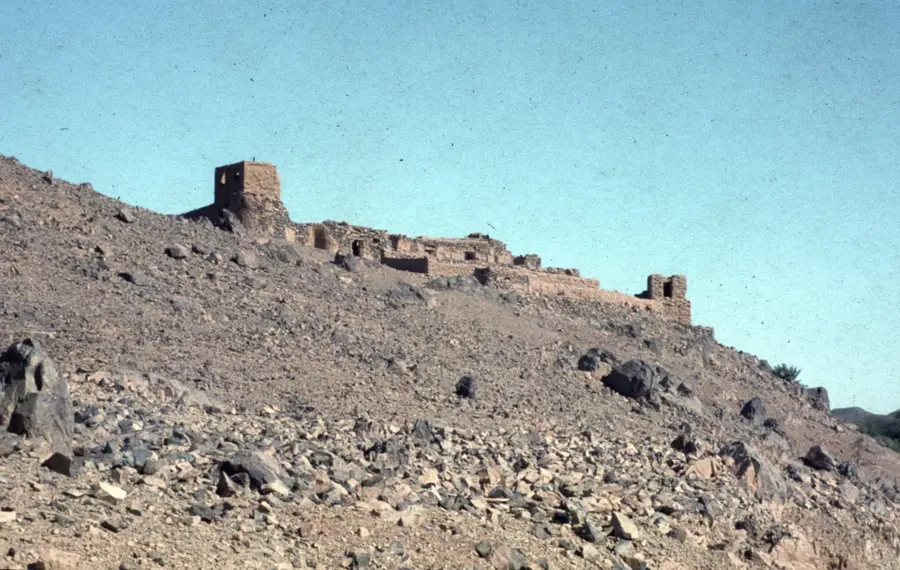
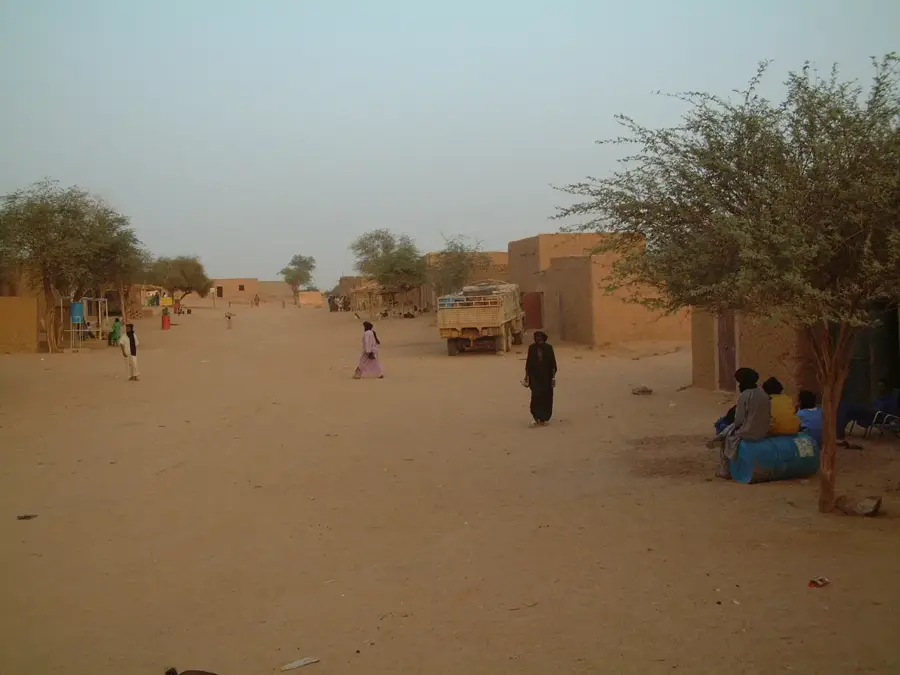
Kidal is the capital of the Kidal Region in northeastern Mali and a central hub for Tuareg culture in the southern Sahara. The town is set within the Adrar des Ifoghas massif, a rugged mountain region characterized by deep valleys and striking rock formations. Due to its isolated location, Kidal has historically been an important base for nomadic tribes and served as the site of a French military fort during the colonial era. In Mali's recent history, the town has played a pivotal role in various Tuareg rebellions and has often been a flashpoint for political tensions and armed conflicts. The region's economy is primarily based on nomadic pastoralism, with camels, goats, and sheep providing the essential livelihoods for its inhabitants. Kidal is also famous for its rich musical heritage, particularly the 'desert blues' genre, which has gained international acclaim. Despite the challenging security environment and extreme desert climate, the town remains the political and cultural heart of the Ifoghas region and a symbol of the resilience and identity of Saharan peoples.
- Location: Mali
- Population: ~40.030 (2026)
Best time to visit & climate
The most pleasant time to visit is Jan, Feb, Dec.
| Jan | Feb | Mar | Apr | May | Jun | Jul | Aug | Sep | Oct | Nov | Dec | |
|---|---|---|---|---|---|---|---|---|---|---|---|---|
| Avg °C | 19 | 23 | 27 | 31 | 35 | 36 | 35 | 32 | 32 | 31 | 26 | 21 |
| Rain mm | 0 | 0 | 0 | 0 | 1 | 6 | 23 | 53 | 14 | 2 | 0 | 0 |
Geography
Facts
- Kidal is located roughly 1,500 kilometers northeast of the capital, Bamako.
- The town is situated in the Adrar des Ifoghas mountains at an elevation of 450 meters.
- The population was estimated at approximately 25,617 in 2009.
- Kidal is a major center for the Tamashek language and the Tifinagh script.
- The climate is hyper-arid, with summer temperatures often exceeding 45 °C.
- The town features an airport that is crucial for regional logistics and supplies.
Explore nearby
Notable places around

Route planner — Car & Motorhome
Where do you start? We build the route here, with stops and country notes along the way.
© OpenStreetMap contributors · OpenRouteService
Sights in the town Kidal (1)
Frequently asked questions
Where is Kidal located?
Can Kidal be visited as a tourist?
What is the culture there?
How is the landscape?
Is there water there?
Kidal: where is it located?
Kidal: when is the best time to visit?
Kidal: why is it worth visiting?