Plizio Visual Lab
Msallata
ℹ️Practical info — Msallata
▾
🌤 Weather — 5 days
📍 Nearby
Sights nearby
💡 Tips
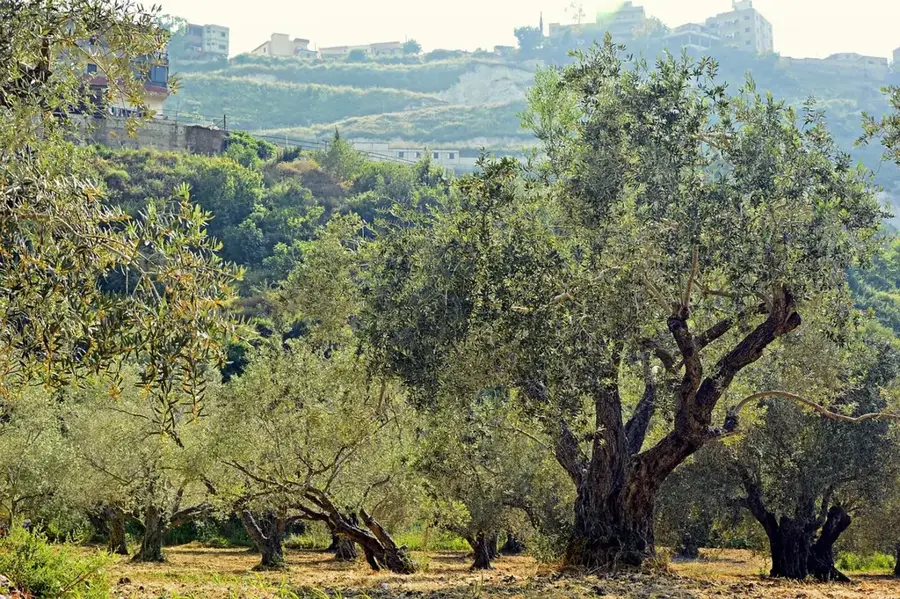
- Msallata is famous for its ancient olive trees; buying freshly pressed olive oil from local mills is a must.
- The town sits on a hill, offering cooler breezes and a pleasant climate compared to the coastal areas.
- Public transport is limited, so renting a car or arranging a private driver is highly recommended.
- You can visit the historic Msallata Castle for panoramic views of the town and surrounding valleys.
🍽 Food
The local olive oil is exquisite. Dip fresh bread in it for a traditional breakfast.
A traditional Libyan dough-based dish served with a rich tomato and lamb stew.
A sweet boiled dough pudding eaten with local olive oil and date syrup.
🛍 Shopping · 🧘 Quiet spots
The region's premium olive oil is the best authentic souvenir.
Look for handmade clay pots and plates in the local markets.
Take a peaceful walk among some of the oldest olive trees in the region.
The historic castle area features a quiet escape and beautiful views over the hills.
Water temperature…
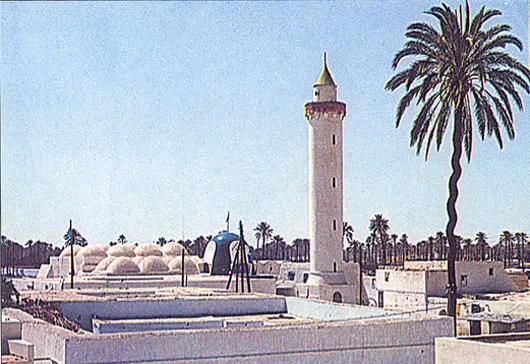
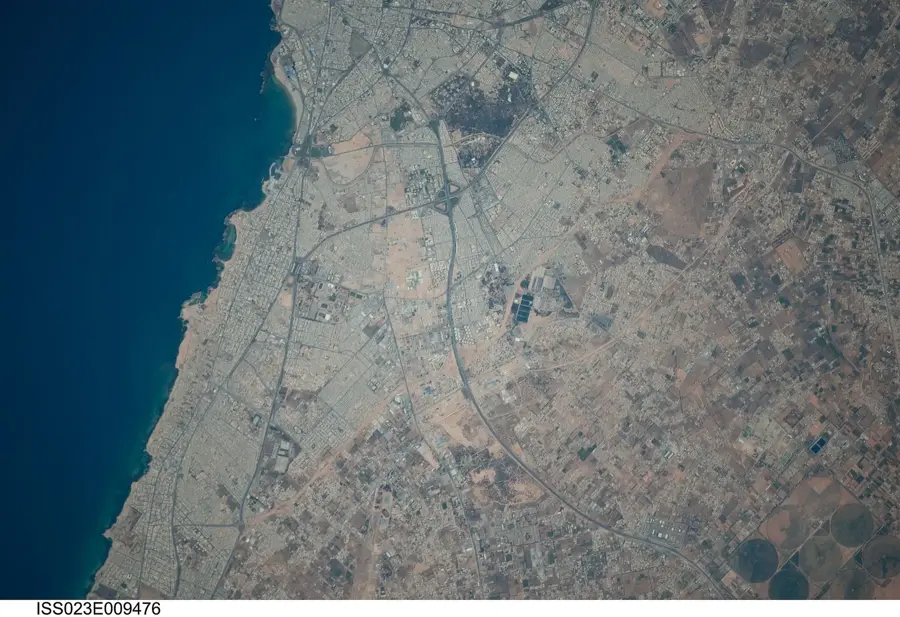
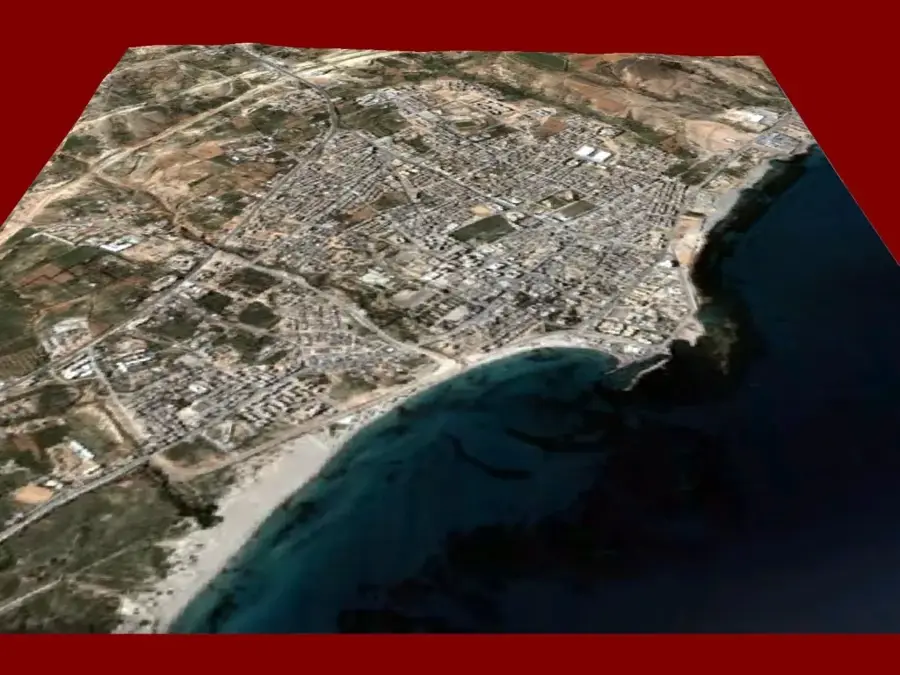
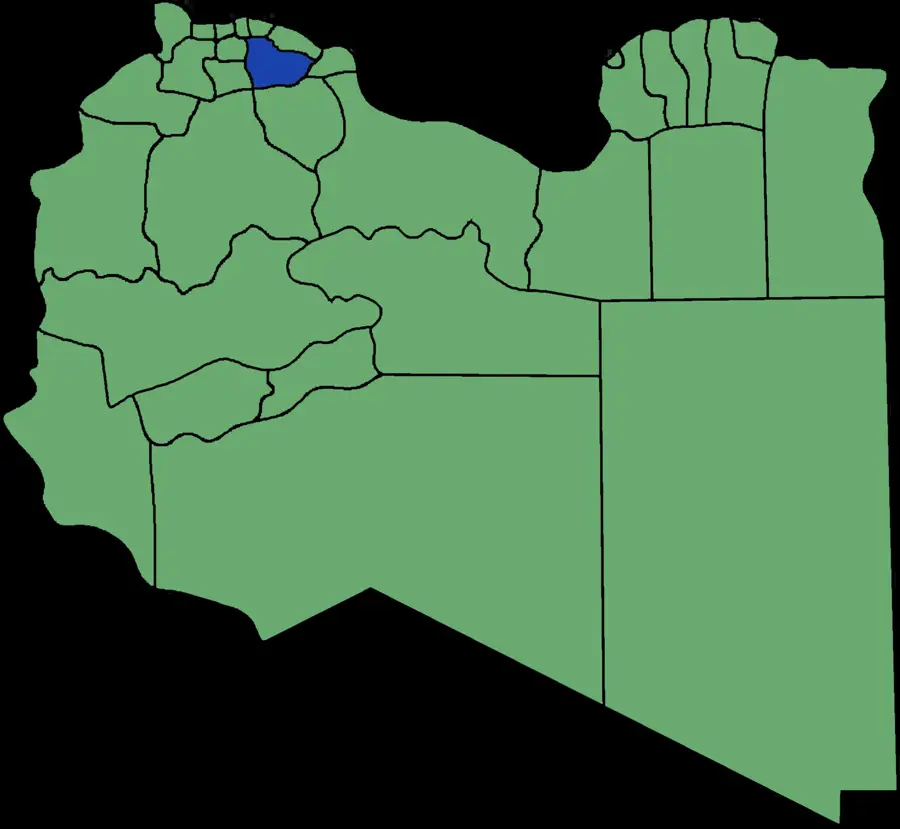
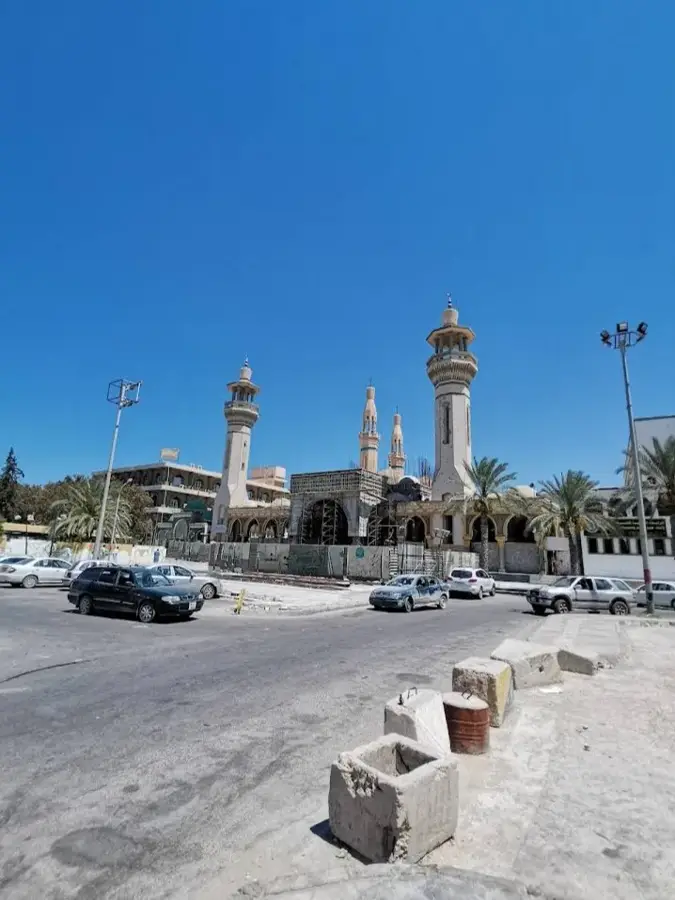
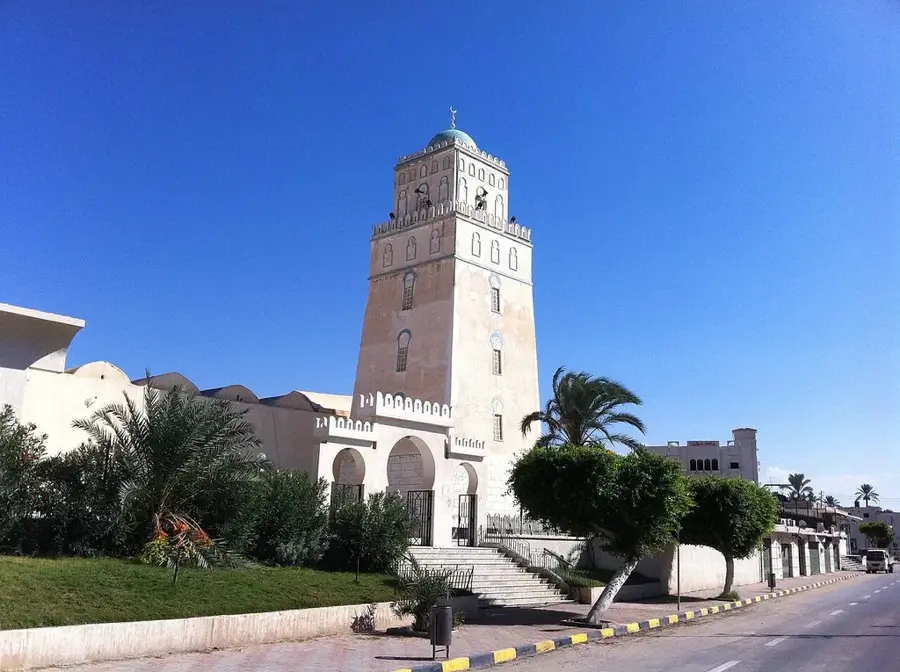
Msallata is a historically significant city in northwestern Libya, situated in the al-Marqub District on a high plateau about 130 kilometers east of Tripoli. The city is widely renowned for its extensive olive groves and the production of premium olive oil, which has been the backbone of the local economy for centuries. Historically, Msallata served as a major center for Islamic scholarship, hosting numerous historical mosques and religious schools, most notably the Zaviya of Sheikh al-Dukali. The architecture of the old town reflects the traditional style of the region, featuring stone buildings and narrow alleys. Due to its elevated position, the city enjoys a milder climate compared to the coastal plains, which historically facilitated its role as a regional administrative hub. The local population remains deeply connected to tribal traditions, which continue to shape the social fabric of the community. Beyond olive cultivation, the region is also known for producing figs and cereals, as well as traditional livestock farming.
- Location: Libya
- Nearby: Ganeemh (13 km)
- Population: ~73.907 (2024)
Best time to visit & climate
The most pleasant time to visit is Apr, May, Oct.
| Jan | Feb | Mar | Apr | May | Jun | Jul | Aug | Sep | Oct | Nov | Dec | |
|---|---|---|---|---|---|---|---|---|---|---|---|---|
| Avg °C | 12 | 12 | 15 | 18 | 22 | 26 | 28 | 29 | 27 | 23 | 18 | 13 |
| Rain mm | 49 | 40 | 23 | 9 | 5 | 2 | 1 | 2 | 27 | 33 | 29 | 49 |
Geography
Facts
- Msallata is situated at an elevation of approximately 200 to 250 meters.
- The city is home to over 20 historical mosques and religious institutions.
- The region is a leading producer of olive oil for the Libyan domestic market.
- The Zaviya of Sheikh al-Dukali has been a center of learning for over 500 years.
- In 1912, Msallata was the site of fierce battles against Italian colonial forces.
- The city's economy is highly dependent on the seasonal olive harvest cycle.
Explore nearby
Notable places around

Route planner — Car & Motorhome
Where do you start? We build the route here, with stops and country notes along the way.
© OpenStreetMap contributors · OpenRouteService
Frequently asked questions
What is Msallata known for?
Are there historical ruins in Msallata?
What is the landscape like around Msallata?
When does the olive harvest take place?
How do you get from Tripoli to Msallata?
Msallata: where is it located?
Msallata: when is the best time to visit?
Msallata: why is it worth visiting?

Nearby cities

History & landmarks

More places