Plizio Visual Lab

Leptis Magna
Plizio editorial teamData Sources
Historical site
—°8
Leptis Magna (Libya)

Weather…

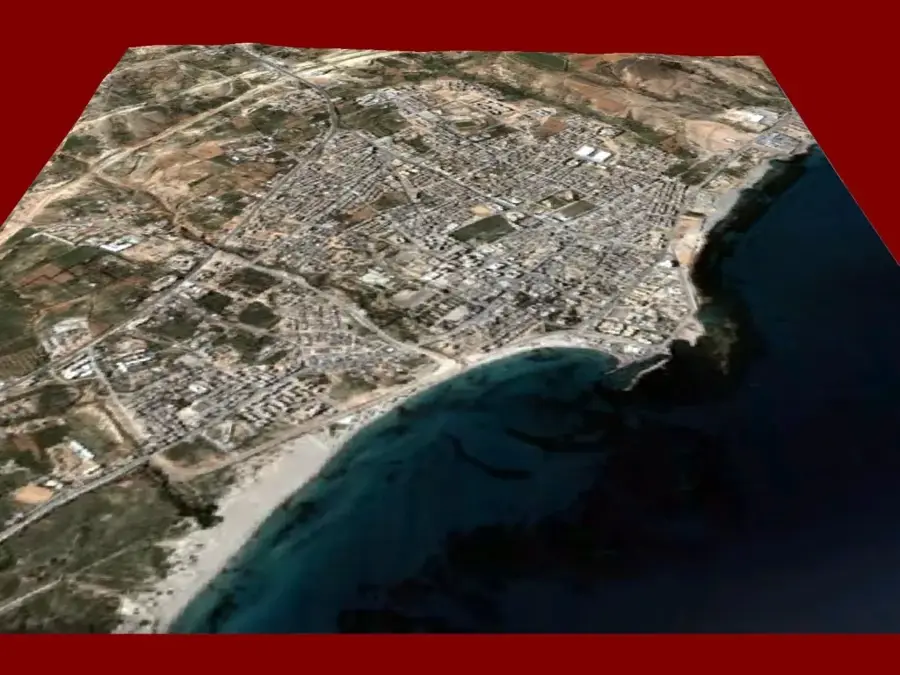
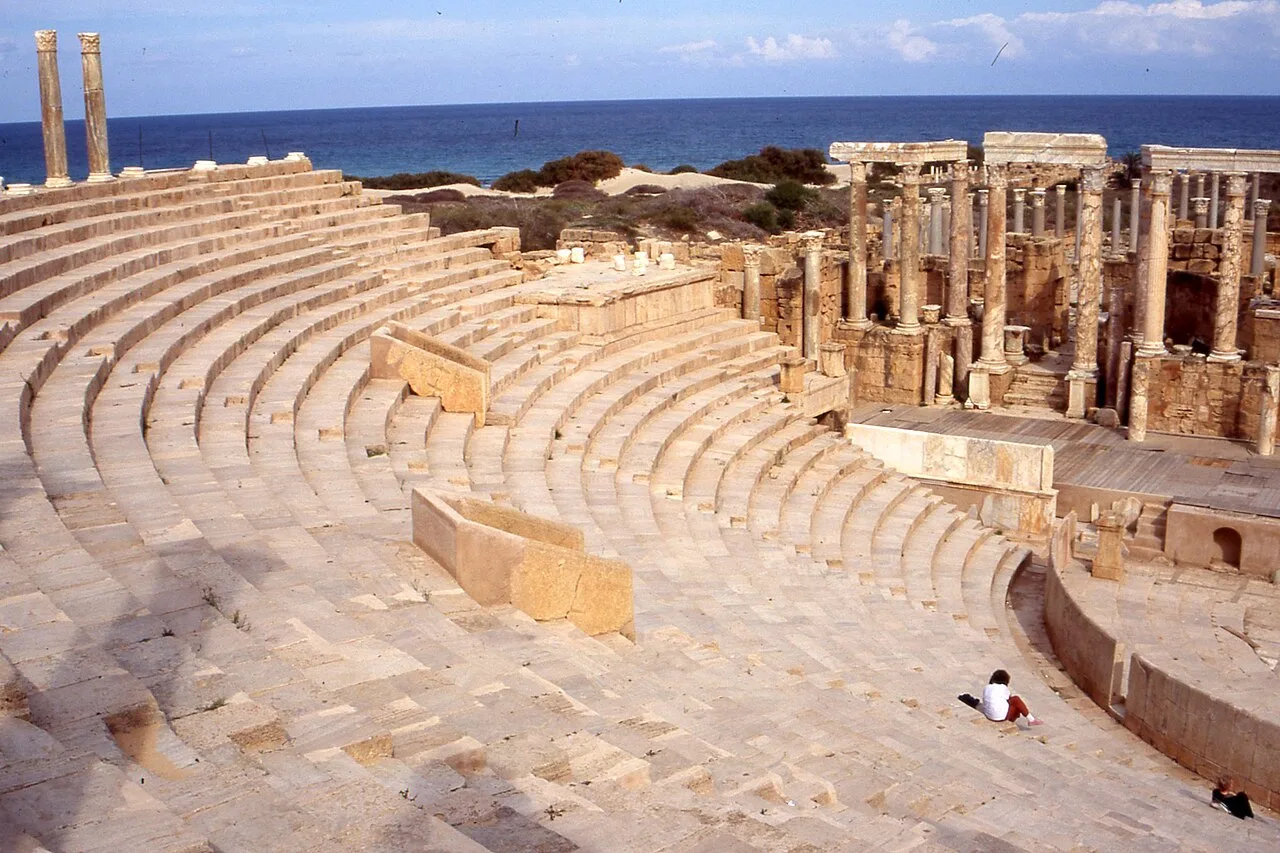
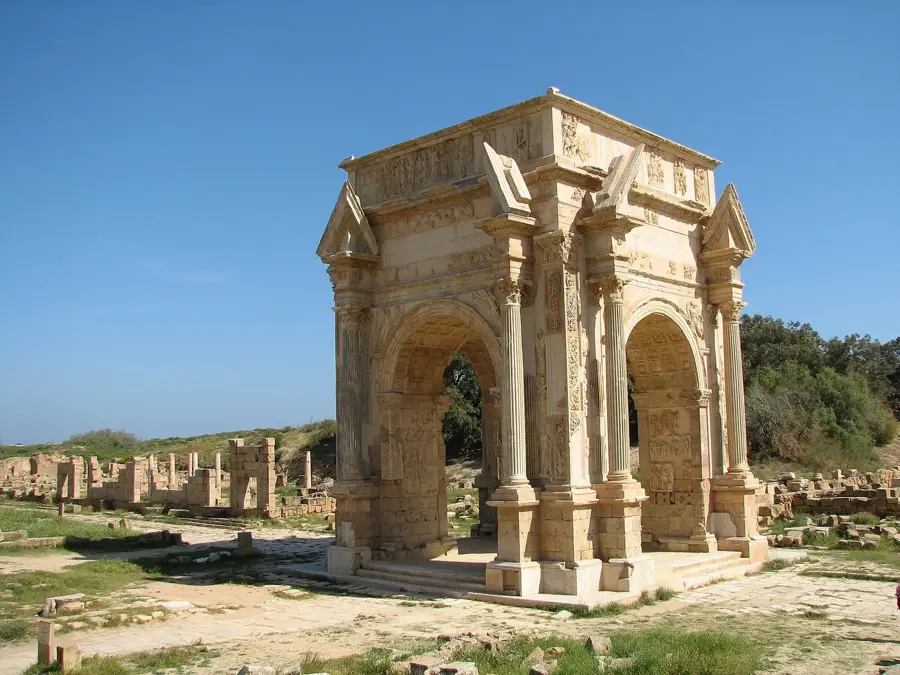
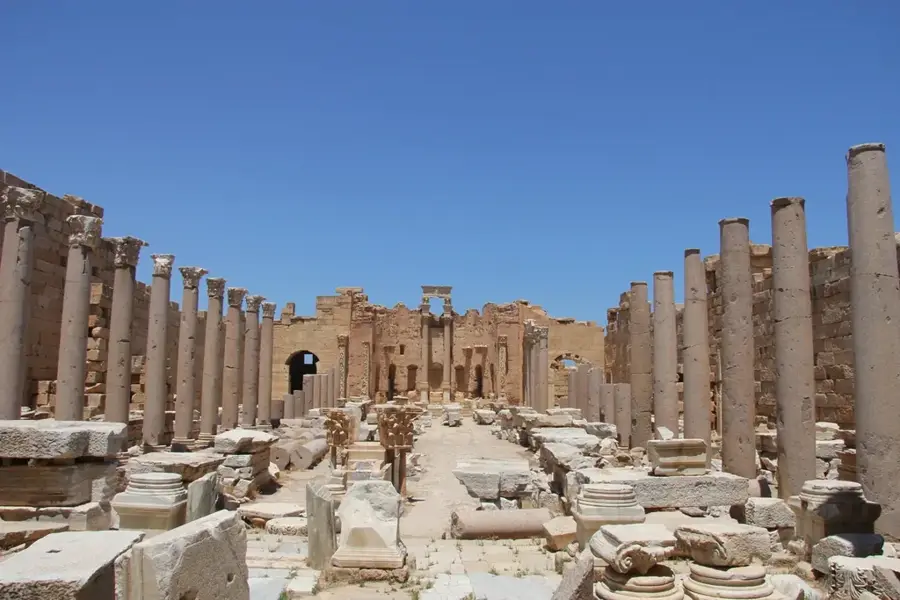
Leptis Magna, located at the mouth of Wadi Lebda in western Libya, is widely considered one of the best-preserved Roman cities in the world. Originally a Phoenician colony, the city reached its zenith under Emperor Septimius Severus, who was born there in 145 AD and transformed it into a monumental showpiece of the empire. Key architectural highlights include the triumphal Arch of Septimius Severus, the sprawling Severan Forum, and the ornate Basilica. The site also features a magnificent Roman theater overlooking the Mediterranean, the vast Hadrianic Baths, and a largely intact amphitheater. Recognized as a UNESCO World Heritage site since 1982, Leptis Magna exemplifies the pinnacle of Roman urban planning and grandiosity. For centuries, the city's ruins were buried under drifting Sahara sands, which served to protect its intricate carvings and massive limestone structures from erosion. Today, it provides an unparalleled glimpse into the economic and cultural life of a major Roman provincial capital.

Best time to visit & climate

The most pleasant time to visit is Apr, May, Nov.

JanFebMarAprMayJunJulAugSepOctNovDec
Avg °C141416182225282827241915
Rain mm4638208521225322747

📋 Practical info

🚪
Visiting
Exploring this massive archaeological site requires extensive walking across ancient, uneven stone pavements and dirt paths. Visitors can wander freely among the towering pillars, monumental arches, and the impressive, incredibly well-preserved amphitheater.
🕒
Typical hours
Access to the ancient ruins is generally possible from the early morning until around sunset on most days. It is highly advisable to verify current opening status locally due to fluctuating administrative or regional security conditions.
📷
Photography
The sprawling ancient Roman ruins provide endless, majestic photographic opportunities, especially during the soft light of golden hour. Bringing a wide-angle lens is highly recommended to properly capture the sheer scale of the monumental structures.
⏱️
Time needed
You should allocate a minimum of three to four hours to meaningfully explore the expansive central ruins and the ancient market. History enthusiasts often dedicate an entire day to fully appreciate the vast scale and intricate historical details.
Combine with
Consider visiting the nearby Leptis Magna Museum if it is open, to view the excavated artifacts and intricate mosaics. Combining the site visit with a coastal view of the Mediterranean adds a scenic, relaxing element to your historical journey.
🧭
Getting there
The site is typically reached by hiring a private driver or joining an organized tour originating from the capital city of Tripoli. The drive along the coastal road takes a few hours, and public transportation options are generally non-existent.
💡
Insider tip
Sun protection is absolutely critical, as there is practically no shade across the vast expanse of the archaeological site. Hiring a knowledgeable local guide is highly recommended to fully understand the deep historical context of the intricate ruins.

Geography

Coordinates
32.63800, 14.29200

Facts

  • The city was established by Phoenician colonists around the 7th century BC.
  • Emperor Septimius Severus was born in Leptis Magna in 145 AD.
  • UNESCO designated the city as a World Heritage site in 1982.
  • The Roman theater had a seating capacity of approximately 16,000.
  • The Hadrianic Baths were completed around 127 AD during Hadrian's reign.
  • The city was once a major exporter of olive oil to the city of Rome.

Explore nearby

Notable places around

Route planner — Car & Motorhome

Where do you start? We build the route here, with stops and country notes along the way.

Vehicle
Only stops with (optional):

© OpenStreetMap contributors · OpenRouteService

Sights in the town Leptis Magna (8)

Arch of Antonius Pius🏺 historical

An ancient Roman triumphal arch in Leptis Magna dedicated to the Emperor Antoninus Pius.

Tiberius Arch📍 landmark

This ancient Roman archway in Leptis Magna was erected in honor of Emperor Tiberius.

Hardian baths🏺 historical

The ruins of the extensive Hadrianic baths complex in the ancient city of Leptis Magna.

Arch of Septimius Severus🏺 historical

A magnificent Roman triumphal arch in Leptis Magna, erected to honor the locally born Emperor Septimius Severus.

Barco🌿 nature

A viewpoint situated near the impressive ancient Roman ruins of Leptis Magna.

Leptis Magna Museum🏛 museum

This museum houses artifacts and statues discovered during excavations in ancient Leptis Magna.

Lepcis Magna📍 landmark

A prominent UNESCO World Heritage site featuring the extensive and well-preserved ruins of a Roman metropolis in North Africa.

Temple of Jupiter📍 landmark

The stone remains of an ancient Roman temple dedicated to Jupiter within the Leptis Magna complex.

Sights nearby

Frequently asked questions

What are the opening hours of Leptis Magna?
Usually open daily from 8:00 AM until sunset.
How much is the entry fee?
For foreigners, about 10-20 Libyan Dinars (subject to change).
Is the site accessible?
Limited; there are many uneven ancient stone paths.
Is photography allowed in Leptis Magna?
Yes, photography for private purposes is allowed.
How much time should you plan for a visit?
At least 3 to 4 hours to see the most important monuments.
Leptis Magna: where is it located?
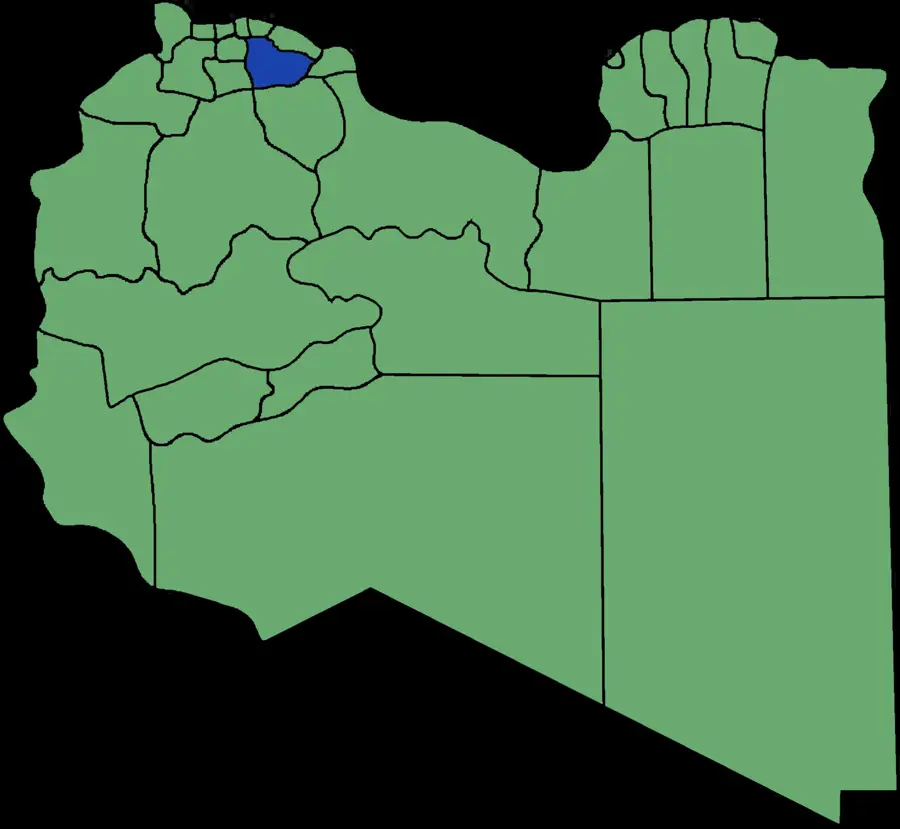
Leptis Magna is located in Libya.
Leptis Magna: what is there to see?
Highlights include Arch of Antonius Pius, Tiberius Arch, Hardian baths.
Leptis Magna: when is the best time to visit?
The most pleasant time to visit is Apr, May, Nov.
Leptis Magna: why is it worth visiting?

Leptis Magna, located at the mouth of Wadi Lebda in western Libya, is widely considered one of the best-preserved Roman cities in the world.
View on map → The Top 50 Attractions → OpenStreetMap →
Africa
Explore with Plizio Discover more places in Africa
More places in Libya →

Nearby cities

History & landmarks
More places