Plizio Visual Lab

Umm ar-Rasas
Plizio editorial teamData Sources
ruin
—°6
Umm ar-Rasas (Jordan)

Weather…

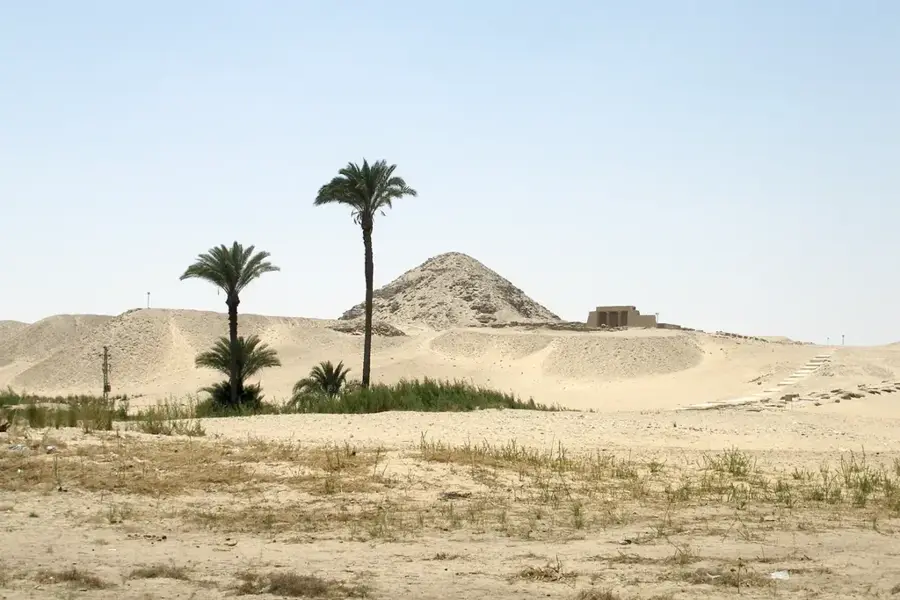
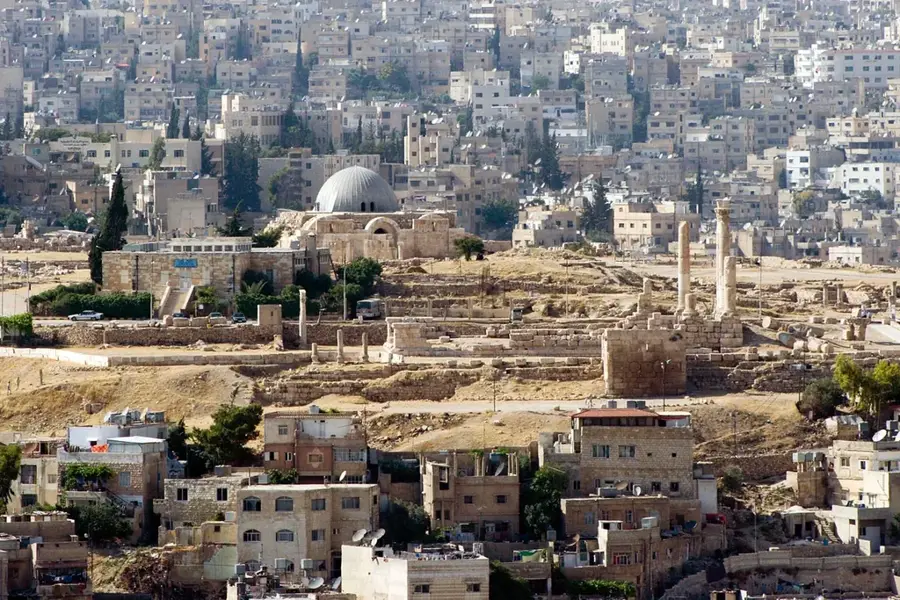
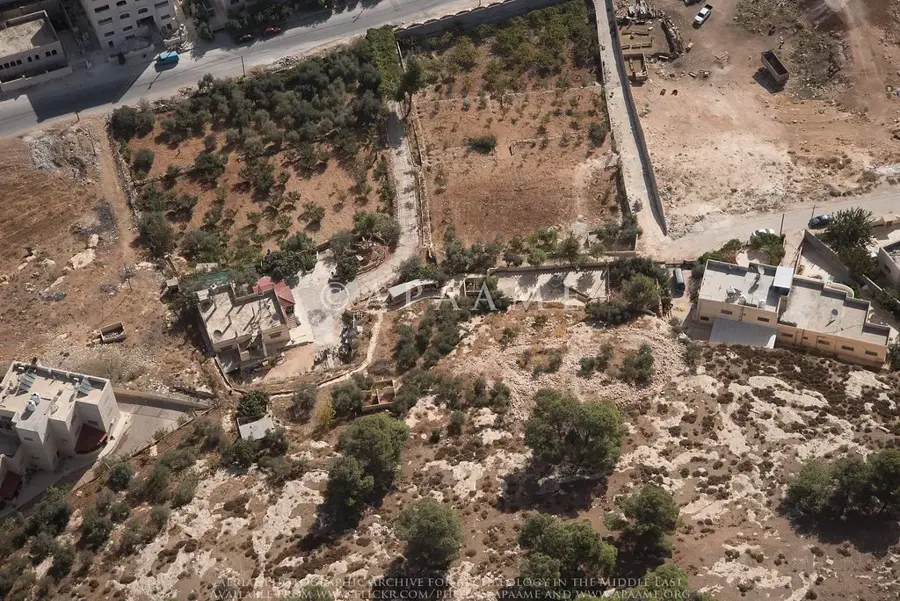
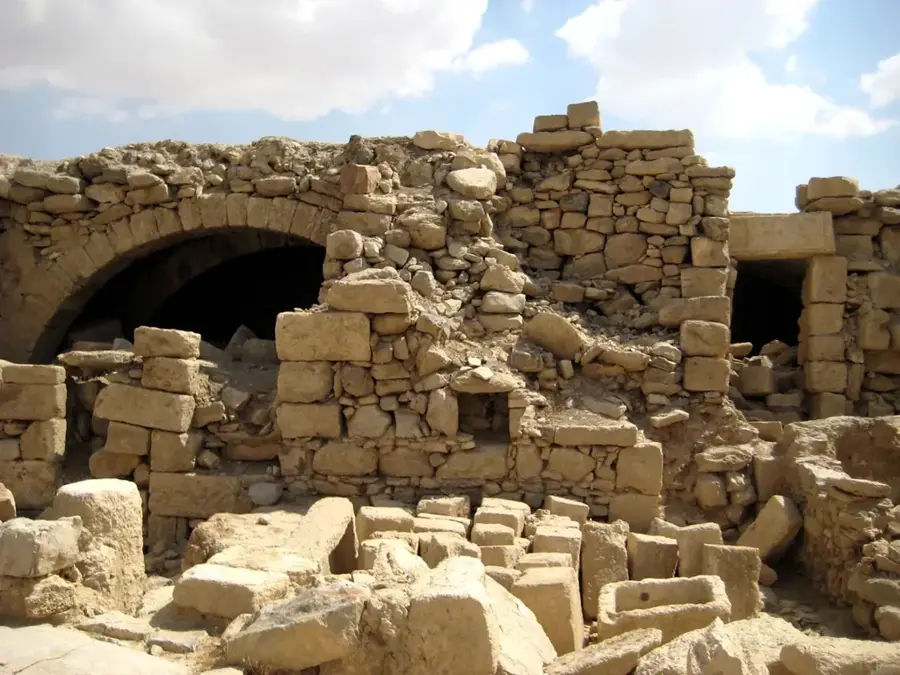
Umm ar-Rasas, known in antiquity as Kastron Mefa'a, is a significant archaeological site in the Jordanian steppe, designated a UNESCO World Heritage site in 2004. The settlement began as a Roman military camp and evolved into a thriving city during the Byzantine and early Islamic periods. The site is world-famous for its exceptional mosaic floors, particularly in the Church of St. Stephen, dating back to 785 AD. This mosaic depicts a detailed map of ancient cities in the West Bank, Egypt, and Jordan, and is considered one of the largest and most artistically valuable in the region. In addition to 16 identified churches, Umm ar-Rasas features a unique stylite tower used by hermits for prayer and seclusion. The architecture of the city demonstrates the peaceful transition and coexistence of different religions during the shift from Byzantine to Umayyad rule. Despite destruction by earthquakes, the site remains a vital record of Christian art under early Islam.

Best time to visit & climate

The most pleasant time to visit is May, Sep, Oct.

JanFebMarAprMayJunJulAugSepOctNovDec
Avg °C891317222527272521149
Rain mm35331893001141324

📋 Practical info

🚪
Visiting
The extensive archaeological site can be explored independently or with a knowledgeable local guide who explains the rich historical context. Visitors generally walk outdoors among the fascinating, remarkably preserved ruins and beautiful mosaics.
🕒
Typical hours
The fascinating site is typically accessible during the day from the early morning hours until late in the afternoon. However, it is highly advisable to avoid visiting during the extremely hot midday hours of the peak summer months whenever possible.
📷
Photography
Photographing the dramatic floor mosaics and the ancient ruins is almost always permitted and highly recommended. Just be very careful not to step on any of the fragile ancient structures while searching for the absolute best camera angle.
⏱️
Time needed
For a proper and detailed tour of the most important church ruins and the famous mosaics, you should typically allow about one to two hours. Anyone wishing to hike across the entire expansive site will naturally need considerably more time.
Combine with
Due to its strategic location, this trip can be excellently incorporated into a larger tour, such as combining it with a visit to the nearby mosaic city of Madaba or a highly scenic drive towards the Dead Sea and other Jordanian highlights.
🧭
Getting there
The archaeological park is located somewhat off the primary traffic routes and is best reached using a rental car or as part of a well-organized guided tour. Adequate parking spaces are available for visitors right at the entrance of the site.
💡
Insider tip
Make absolutely sure to bring adequate sun protection in the form of hats and sunscreen, along with plenty of drinking water, as there is hardly any natural shade on the vast grounds and temperatures can rise very sharply, especially in summer.

Geography

Coordinates
31.49970, 35.92000

Facts

  • Inscribed on the UNESCO World Heritage list in 2004.
  • Home to Jordan's largest mosaic floor in the Church of St. Stephen.
  • Contains the ruins of a total of 16 identified Christian churches.
  • Features a 15-meter-high stylite tower with no internal staircase.
  • The mosaics depict 28 different cities from the 8th century.
  • Originally served as a Roman military camp for the Legio III Cyrenaica.

Explore nearby

Notable places around
Route planner — Car & Motorhome

Where do you start? We build the route here, with stops and country notes along the way.

Vehicle
Only stops with (optional):

© OpenStreetMap contributors · OpenRouteService

Sights in the town Umm ar-Rasas (6)

Al Muddeiyine🏺 historical

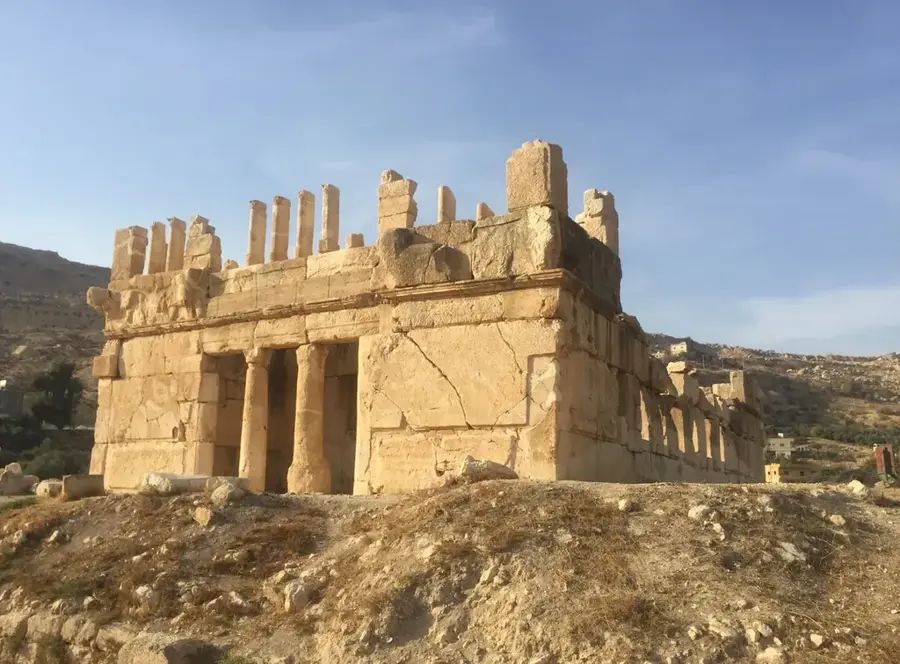
Ancient archaeological ruins located near the UNESCO World Heritage site of Umm ar-Rasas.

Um Shujeirat al Shiyab🏺 historical

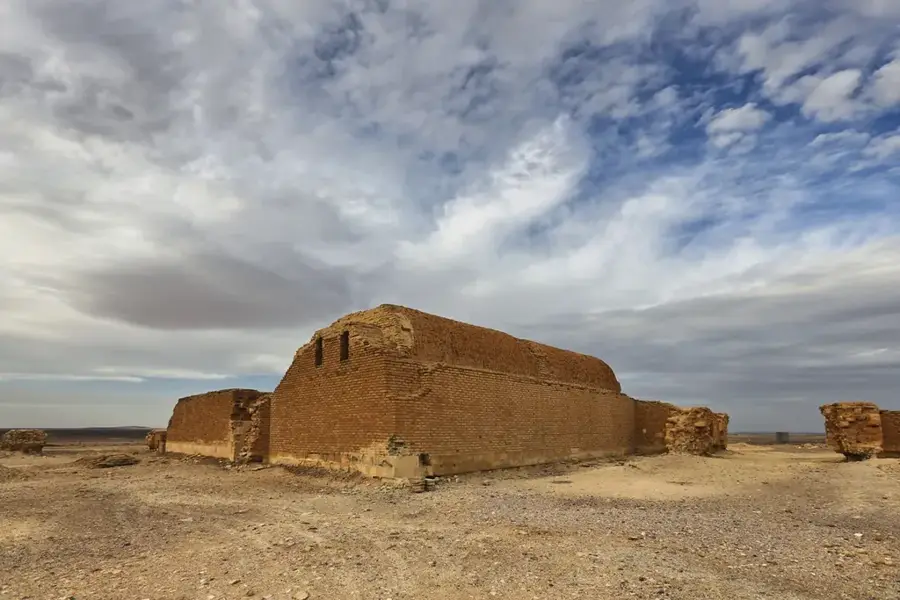
Desert ruins from antiquity featuring weathered stone walls and historical settlement traces.

Al Ramah🏺 historical

These ancient ruins are situated in the arid desert landscape of Umm ar-Rasas.

Al Lahun🌿 nature

This viewpoint gives a wide panorama over the dramatic Wadi Mujib gorge.

Umm ar Rasas📍 landmark

This UNESCO World Heritage site is famous for its exceptionally well-preserved Byzantine mosaics.

Mosque📍 landmark

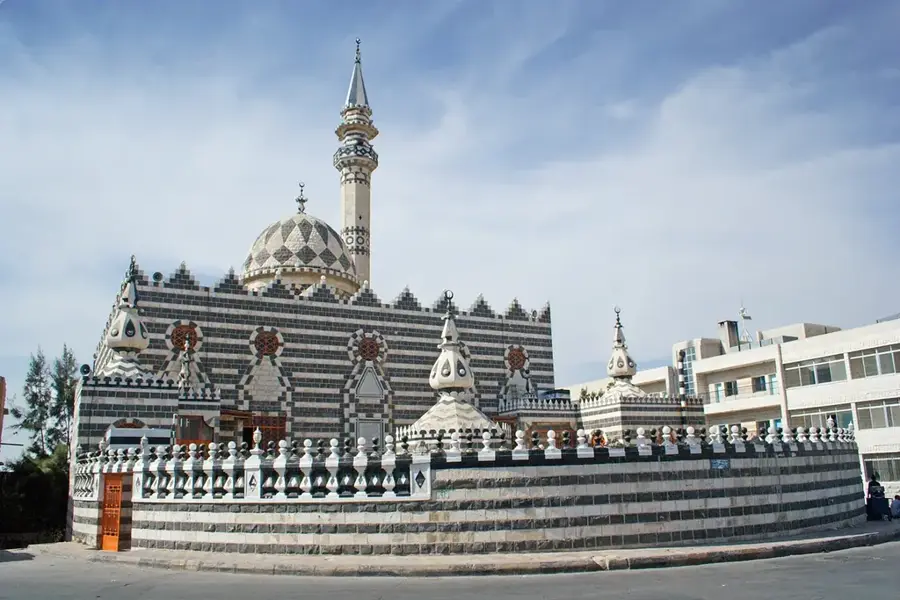
A simple stone mosque structure located within the historic archaeological complex.

Sights nearby

Frequently asked questions

Why is Umm ar-Rasas a UNESCO World Heritage site?
Primarily for the exceptionally well-preserved mosaic floors in the Church of St. Stephen.
What does the famous mosaic depict?
It depicts maps of cities in Palestine, Egypt, and Jordan from the Byzantine era.
How is the accessibility?
The site is extensive and partly uneven; sturdy footwear is absolutely necessary.
Where is Umm ar-Rasas located?
About 30 km southeast of Madaba, near the King's Highway.
Is there shade on the site?
The mosaics are under a shelter, but most of the ruins are in the direct sun.
Umm ar-Rasas: where is it located?
Umm ar-Rasas is located in Jordan.
Umm ar-Rasas: what is there to see?
Highlights include Al Muddeiyine, Um Shujeirat al Shiyab, Al Ramah.
Umm ar-Rasas: when is the best time to visit?
The most pleasant time to visit is May, Sep, Oct.
Umm ar-Rasas: why is it worth visiting?

Umm ar-Rasas, known in antiquity as Kastron Mefa'a, is a significant archaeological site in the Jordanian steppe, designated a UNESCO World Heritage site in 2004.
View on map → The Top 50 Attractions → OpenStreetMap →
Asia
Explore with Plizio Discover more places in Asia
More places in Jordan →

Nearby cities

History & landmarks
More places