Plizio Visual Lab

Amman Plateau
Plizio editorial teamData Sources
plateau
—°3
Amman Plateau (Jordan)

Weather…

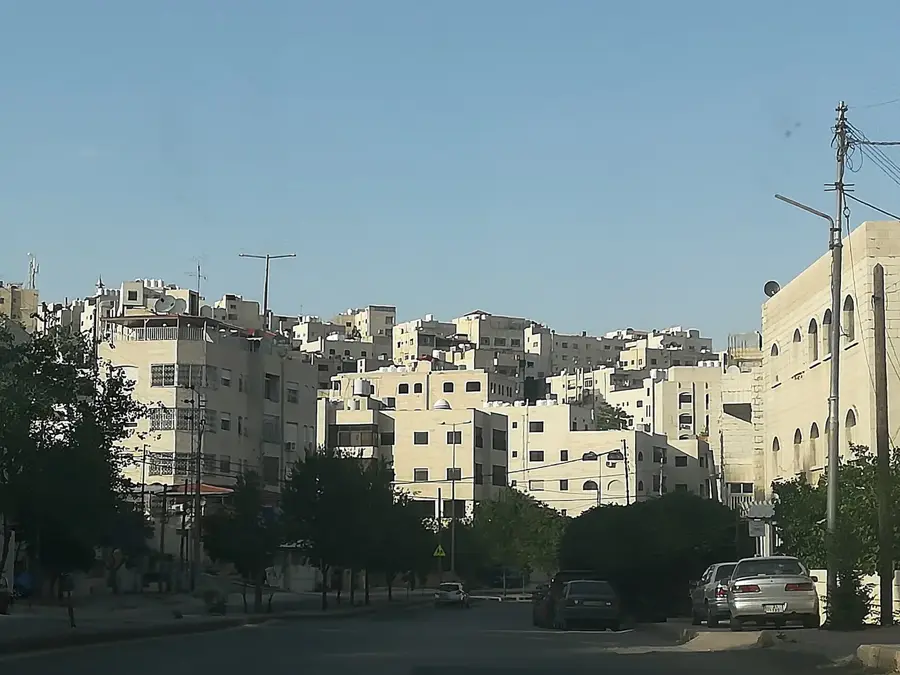
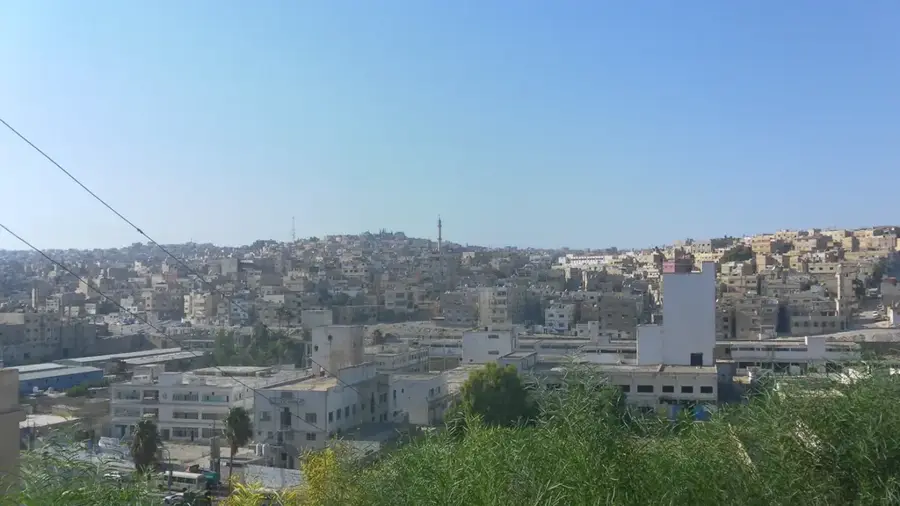
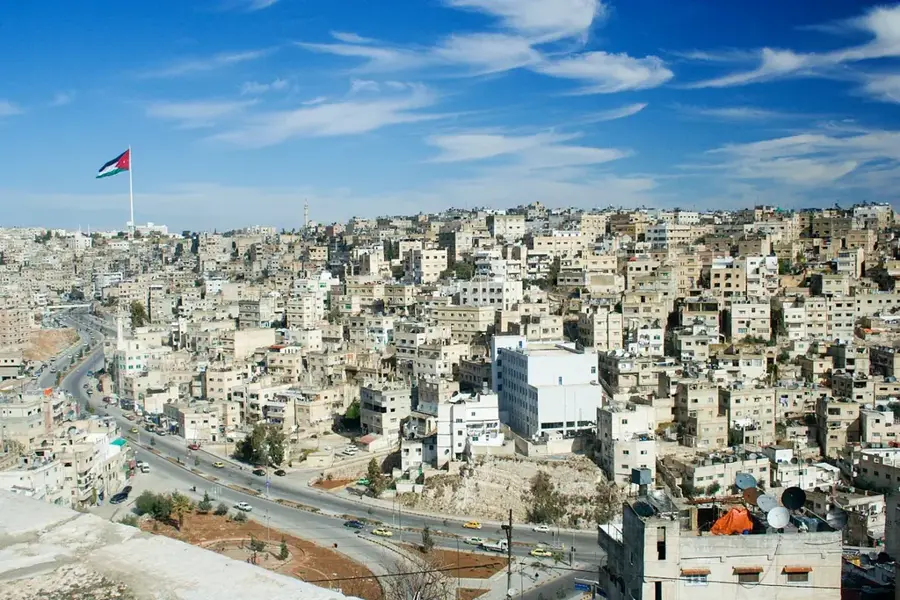
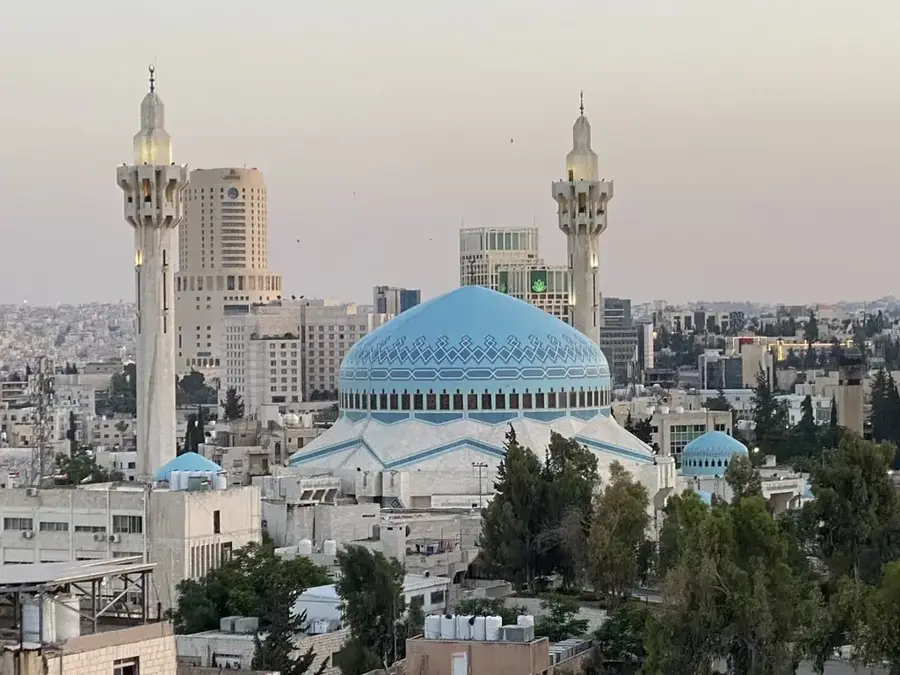
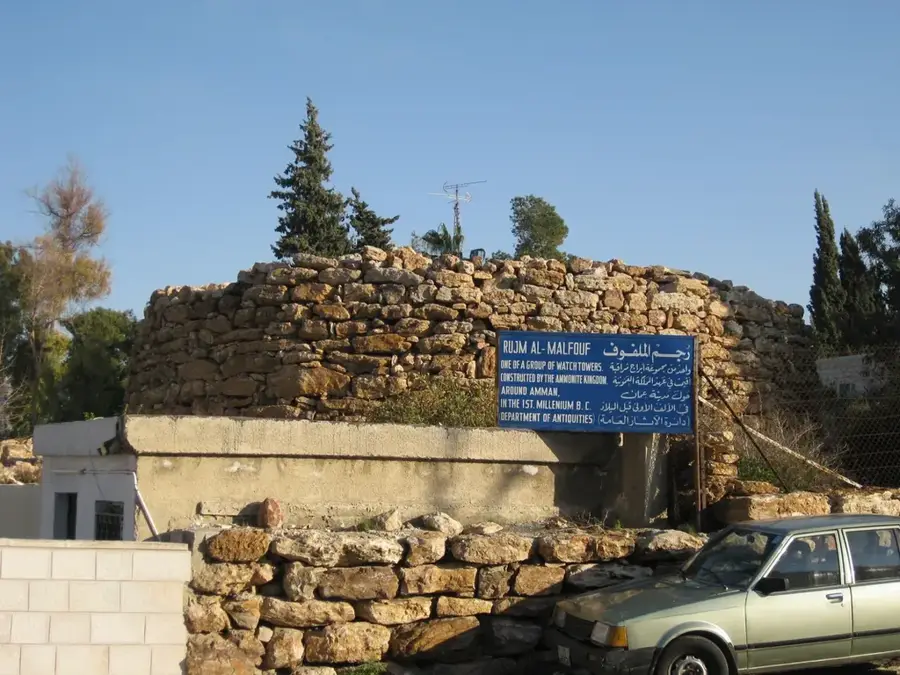
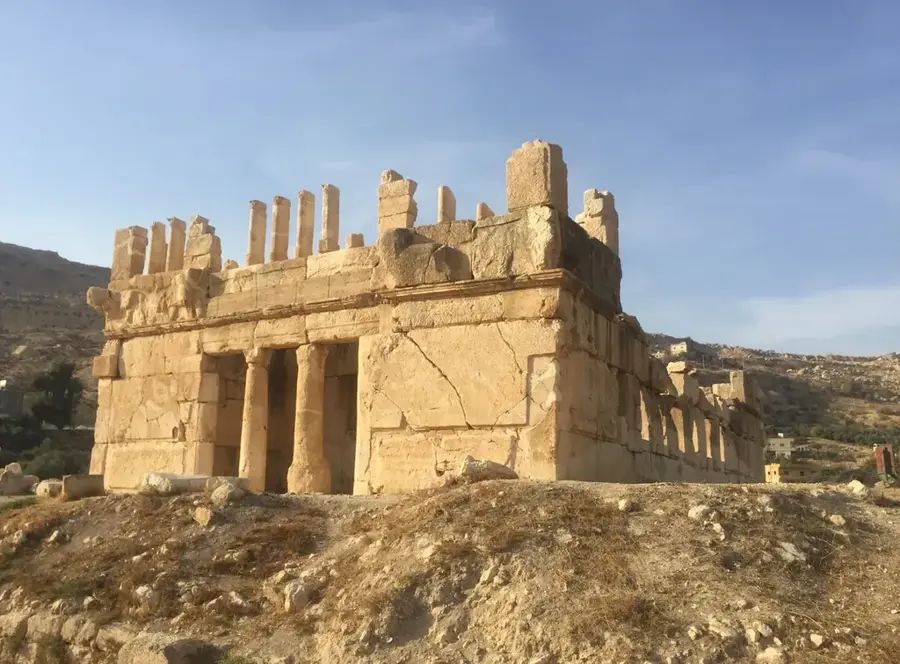
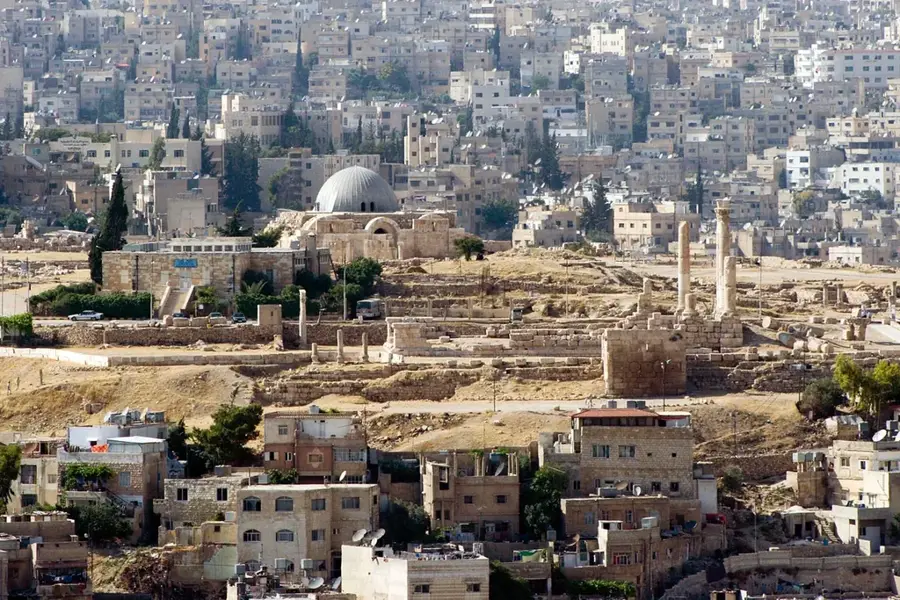
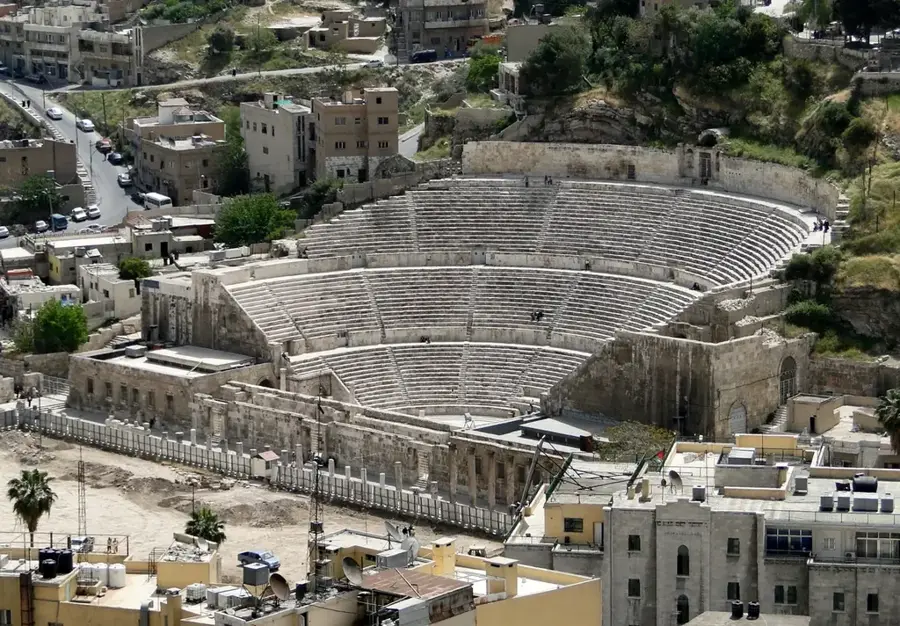
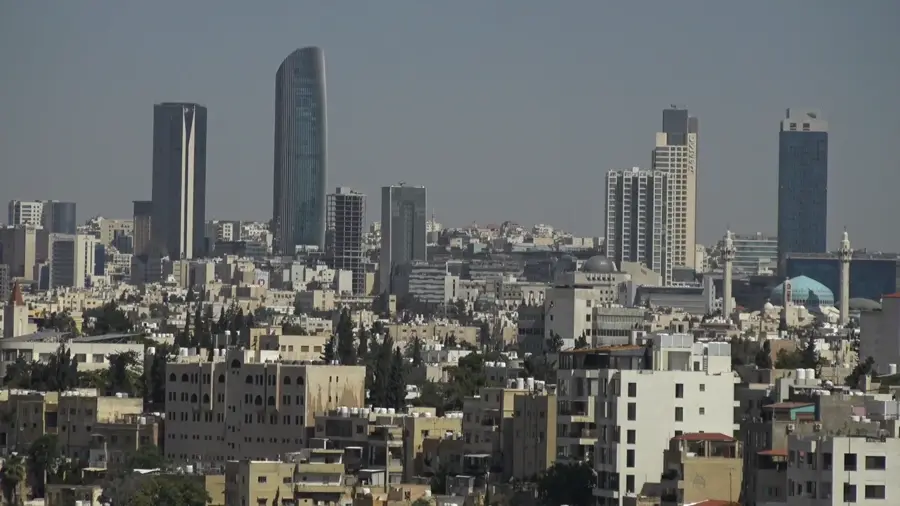
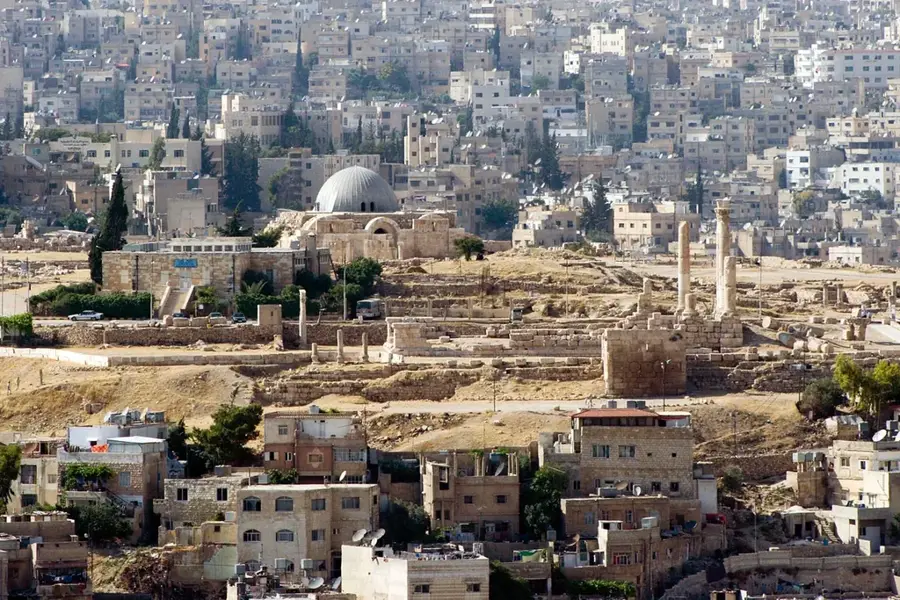
The Amman Plateau is situated in northwestern Jordan and forms the topographical foundation for the capital city, Amman, and its surrounding areas. Geologically, the plateau is part of the central highlands, sloping gently eastward into the Syrian Desert while dropping sharply westward towards the Jordan Rift Valley and the Dead Sea. The region sits at an average elevation ranging from 700 to 1,100 meters above sea level and is characterized by a series of limestone hills and deeply incised valleys known as wadis. Historically, the plateau provided well-suited settlement conditions for ancient cultures such as the Ammonites due to its temperate climate and strategic position between the desert and the fertile Jordan Valley. Modern urban development has significantly altered the original topography, with Amman's original seven hills now almost entirely built upon. The plateau serves as a vital catchment area, where seasonal rainfall is critical for local agriculture and the water supply of the rapidly expanding metropolitan region.

Best time to visit & climate

The most pleasant time to visit is May, Sep, Oct.

JanFebMarAprMayJunJulAugSepOctNovDec
Avg °C891317212527272521149
Rain mm444323114111161835

📋 Practical info

🧭
Getting there
Reaching the vast plateau is highly straightforward, as the entire capital city of Amman and its surrounding suburbs rest directly upon it. Numerous modern highways and well-maintained urban roads crisscross the region, making access by taxi or rental car incredibly easy.
📅
Best season
The most comfortable weather for outdoor sightseeing across the plateau occurs in the pleasant spring and late autumn months. Winters can surprisingly bring biting winds and cold rains, while mid-summer days tend to be intensely hot, requiring early morning excursions.
⛰️
Terrain & paths
The landscape consists of gently rolling hills that have been extensively developed with urban infrastructure and sprawling city neighborhoods. While natural trails are relatively scarce, visitors will spend most of their time navigating paved streets and steep stone stairways.
🎒
What to bring
Comfortable and highly supportive walking shoes are essential for exploring the sprawling, uneven city streets built across the plateau. Carrying a reliable map application on your phone and a reusable water bottle will greatly enhance your urban exploration experience.
🅿️
Parking
Finding parking in the densely populated sections of the plateau can be highly challenging during standard business hours. It is usually best to rely on public transportation or standard taxis rather than attempting to navigate and park a private vehicle.
⚠️
Safety
Standard urban precautions apply here; remain aware of heavy local traffic and cautiously cross the busy, multi-lane thoroughfares. The elevated altitude provides a very pleasant climate but can still expose visitors to intense direct sunlight throughout the midday hours.
⏱️
Time needed
Visitors can spend anywhere from a few hours exploring a specific neighborhood to several days wandering across the wider metropolitan plateau. Most tourists dedicate at least two to three days to fully absorb the dynamic culture and history situated on these hills.

Geography

Coordinates
31.95000, 35.93300

Facts

  • Elevation ranges from 700 to 1,100 meters above sea level
  • Part of the central Jordanian highlands system
  • Bounded by the Jordan Valley to the west and the desert to the east
  • Geological formation consists predominantly of limestone
  • Strategic settlement site of the Ammonites in the 13th century BC
  • Crucial regulator for the local microclimate in the Amman area

Explore nearby

Notable places around

Route planner — Car & Motorhome

Where do you start? We build the route here, with stops and country notes along the way.

Vehicle
Only stops with (optional):

© OpenStreetMap contributors · OpenRouteService

Sights in the town Amman Plateau (3)

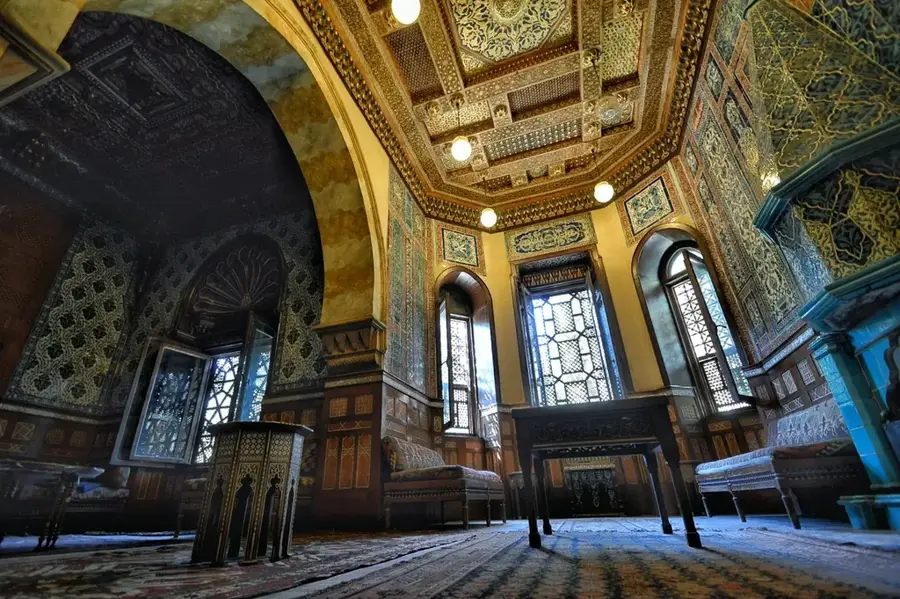
Beit Shkair🏛 museum

A restored heritage house on Jabal Amman that now serves as a museum for local culture and history.

Scale colorate📍 landmark

These vibrantly painted stairs are a colorful example of urban art in the hillside streets of Amman.

Husseini Mosque📍 landmark

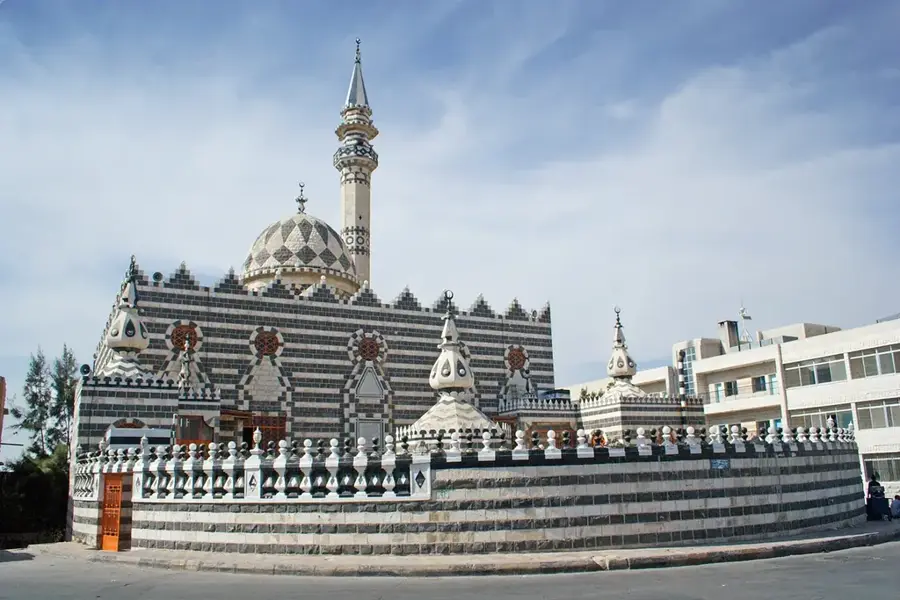
Built in 1924, this Ottoman-style mosque stands on the site of an ancient sanctuary in the city center.

Sights nearby

Frequently asked questions

How high is the Amman Plateau?
It lies at an average elevation of about 700 to 1100 meters above sea level.
How is the weather compared to the Dead Sea?
Significantly cooler and windier; in winter, it can even snow.
What is the heart of the plateau?
The Jordanian capital city, Amman, with its many hills (jabals).
Are there ancient ruins?
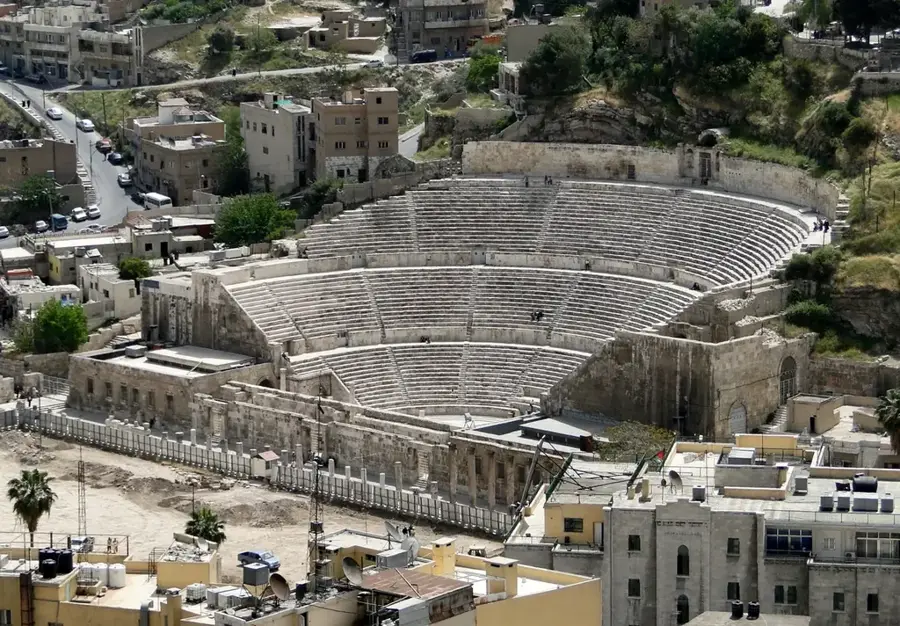
Yes, the Amman Citadel is the highest point and features Roman ruins.
What is the traffic like?
Very heavy and often chaotic; taxis or Uber are the best options.
Amman Plateau: where is it located?
Amman Plateau is located in Jordan.
Amman Plateau: what is there to see?
Highlights include Beit Shkair, Scale colorate, Husseini Mosque.
Amman Plateau: when is the best time to visit?
The most pleasant time to visit is May, Sep, Oct.
Amman Plateau: why is it worth visiting?

The Amman Plateau is situated in northwestern Jordan and forms the topographical foundation for the capital city, Amman, and its surrounding areas.
View on map → The Top 50 Attractions → OpenStreetMap →
Asia
Explore with Plizio Discover more places in Asia
More places in Jordan →

Nearby cities

History & landmarks
More places