Plizio Visual Lab

Kushiro Wetlands
Plizio editorial teamData Sources
wildlife-area
—°6
Kushiro Wetlands (Japan)

Weather…

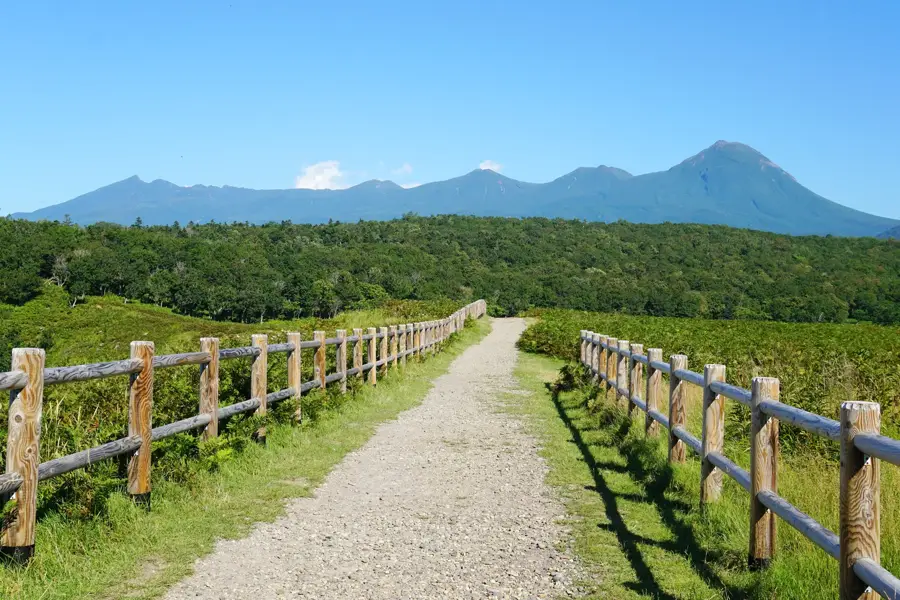
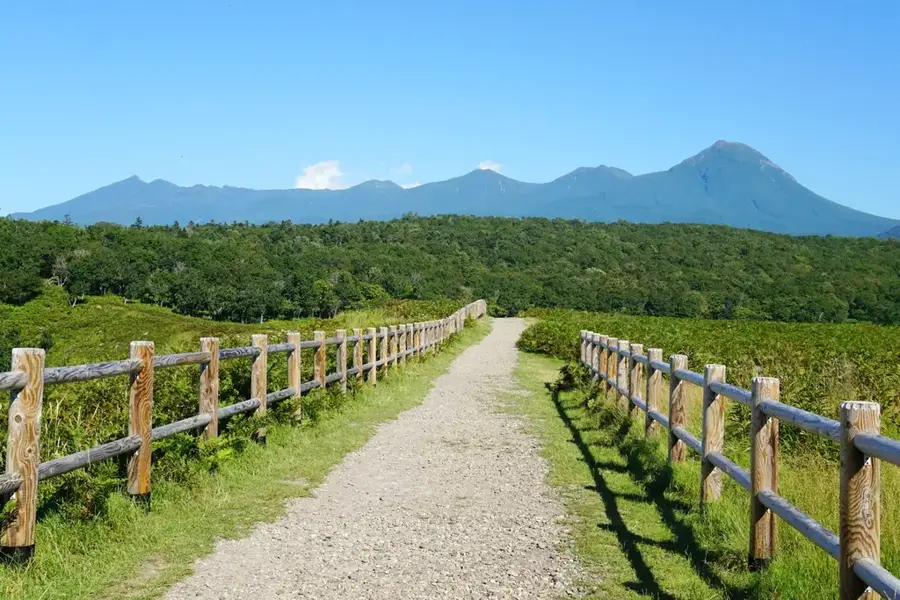
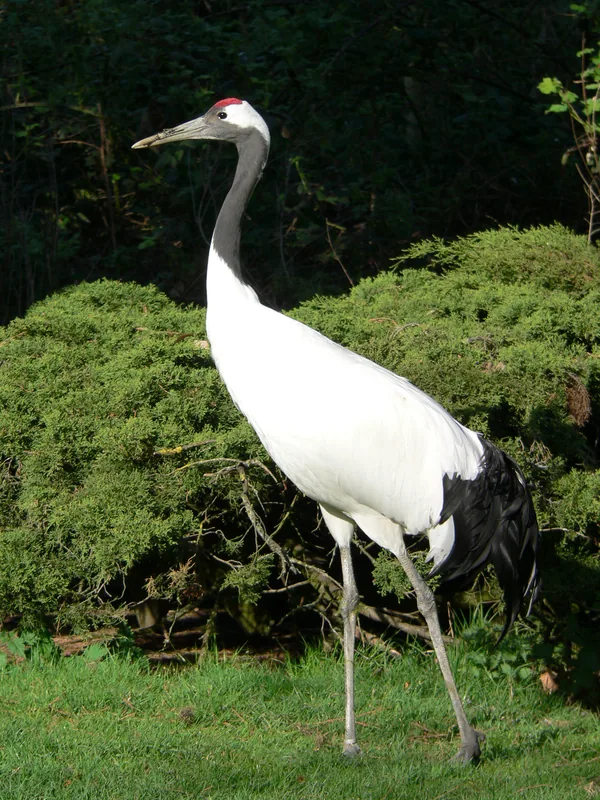
Kushiro Wetlands is a remarkable feature of the geography and culture of Japan. Japan's largest wetland, an important habitat for many species of plants and animals. It is especially famous as the only known habitat of the red-crowned crane in Japan. Designated as a National Park and Ramsar site. The red-crowned cranes were once thought to be extinct. Visitors can view the wetlands from observation decks and wooden trails. This protected area is part of Japan's rich wildlife and flora, from the subtropical forests of Kyushu to the snowy regions of Hokkaido. Like many notable places in Japan, it combines regional character with the legacy of the samurai tradition, Shinto and Buddhist heritage, and the modern industrial nation. Thus, this place contributes to the diverse profile of Japan, from Mount Fuji and Tokyo to the volcanic island arc along the Pacific.

Best time to visit & climate

The most pleasant time to visit is Jul–Sep.

JanFebMarAprMayJunJulAugSepOctNovDec
Avg °C-5-5-14913171917115-2
Rain mm403357711001111221401301137162

📋 Practical info

📅
Best season
Winter is arguably the most famous season to visit, as snow-covered landscapes offer dramatic backdrops for spotting the iconic red-crowned cranes. However, the warmer months typically provide lush scenery and a broader variety of wetland flora and smaller fauna.
🌅
Best time of day
To observe the mesmerizing morning dances and feeding habits of the cranes, arriving just before dawn is generally highly rewarding. The misty mornings over the marshland create an exceptionally photogenic atmosphere that disappears as the sun climbs higher.
📜
Etiquette
Strict adherence to designated viewpoints and elevated boardwalks is required to protect the delicate wetland ecosystem from damage. It is entirely forbidden to attempt to feed the endangered cranes or to cross barriers to get closer to their nesting sites.
🎒
What to bring
Extreme cold-weather clothing, including thick gloves and insulated boots, is absolutely crucial if you plan to wait for the cranes during winter. A powerful zoom lens is indispensable, as visitors are kept at a considerable distance from the protected birds.
🧭
Getting there
The major observation platforms and visitor centers are generally accessible via well-maintained roads or organized bus tours from nearby transit hubs. Some dedicated viewing points even offer convenient train access during the peak winter crane-watching season.
🦌
What to expect
Waiting for the cranes to perform their iconic mating dance requires enduring freezing temperatures for potentially long periods. Prepare mentally to stand perfectly still and observe silently, as capturing the precise moment they leap into the air demands unwavering focus.

Geography

Coordinates
43.12800, 144.39600

Facts

  • Japan's largest wetland, an important habitat for many species of plants and animals. It is especially famous as the only known habitat of the red-crowned crane in Japan.
  • Located within the island nation of Japan in the North Pacific.
  • Plays a role in the local identity of the region.

Explore nearby

Notable places around
Route planner — Car & Motorhome

Where do you start? We build the route here, with stops and country notes along the way.

Vehicle
Only stops with (optional):

© OpenStreetMap contributors · OpenRouteService

Sights in the town Kushiro Wetlands (6)

Hokuto Ruins🏺 historical

An archaeological site on the edge of the Kushiro Marsh, preserving the remains of over 600 pit dwellings from the prehistoric Jomon period.

Kushiro Marsh Hosooka Observatory🌿 nature

This viewpoint has a vast panorama over the meandering rivers and pristine wilderness of the Kushiro Marsh National Park.

Mount Iwabokki🌿 nature

A small mountain overlooking the northern edge of the Kushiro Marsh, offering wide views of Japan's largest wetland.

Otawabashi Bridge📍 landmark

A bridge known as a prime spot for photographers to capture Japanese cranes in the winter mist over the Setsuri River.

Exhibition Hall of Hokuto Ruins🏛 museum

This exhibition hall displays pottery and tools excavated from the nearby prehistoric Hokuto Ruins.

🕒 Tu-Su 10:00-16:00; Nov 16-Avr 15 off

Kushiro Marshland Observatory🏛 museum

This observatory gives expansive views over the Kushiro Marshland, the largest wetland area in Japan.

Sights nearby

Frequently asked questions

What animals can be seen here?
The wetlands are famous for the red-crowned cranes (Tancho).
Are there observation decks?
Yes, the Hosooka viewpoint has the best panoramic view of the marsh.
Can I visit the area in winter?
Yes, winter is convenient for observing the cranes in the snow.
Are there guided canoe tours?
Yes, guided tours can be booked on the Kushiro River through the wetlands.
How do I get there?
From Kushiro Station by train or bus; car rentals are also recommended.
Kushiro Wetlands: where is it located?
Kushiro Wetlands is located in Japan.
Kushiro Wetlands: what is there to see?
Highlights include Hokuto Ruins, Kushiro Marsh Hosooka Observatory, Mount Iwabokki.
Kushiro Wetlands: when is the best time to visit?
The most pleasant time to visit is Jul, Sep.
Kushiro Wetlands: why is it worth visiting?

Kushiro Wetlands is a remarkable feature of the geography and culture of Japan.
View on map → The Top 50 Attractions → OpenStreetMap →
Asia
Explore with Plizio Discover more places in Asia
More places in Japan →

Nearby cities

Nature

More places