Plizio Visual Lab

Yocoboué Lagoon
Plizio editorial teamData Sources
Lake
—°
Yocoboué Lagoon (Côte d’Ivoire)

Weather…

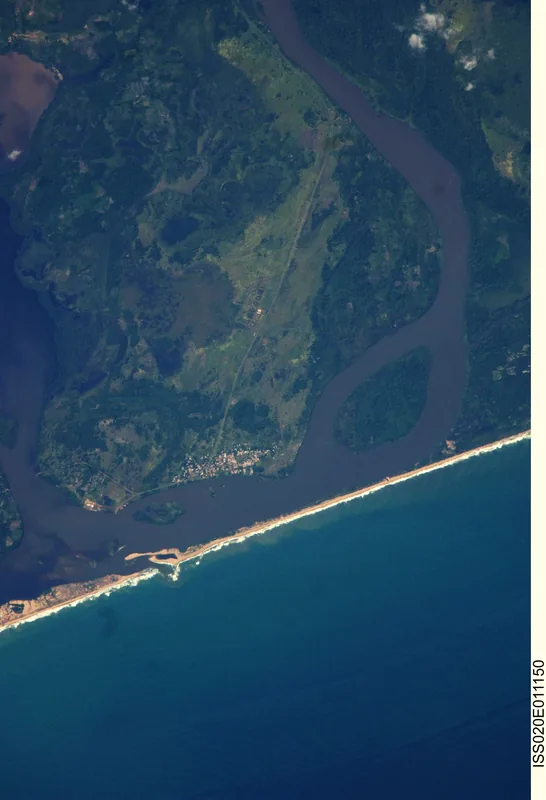
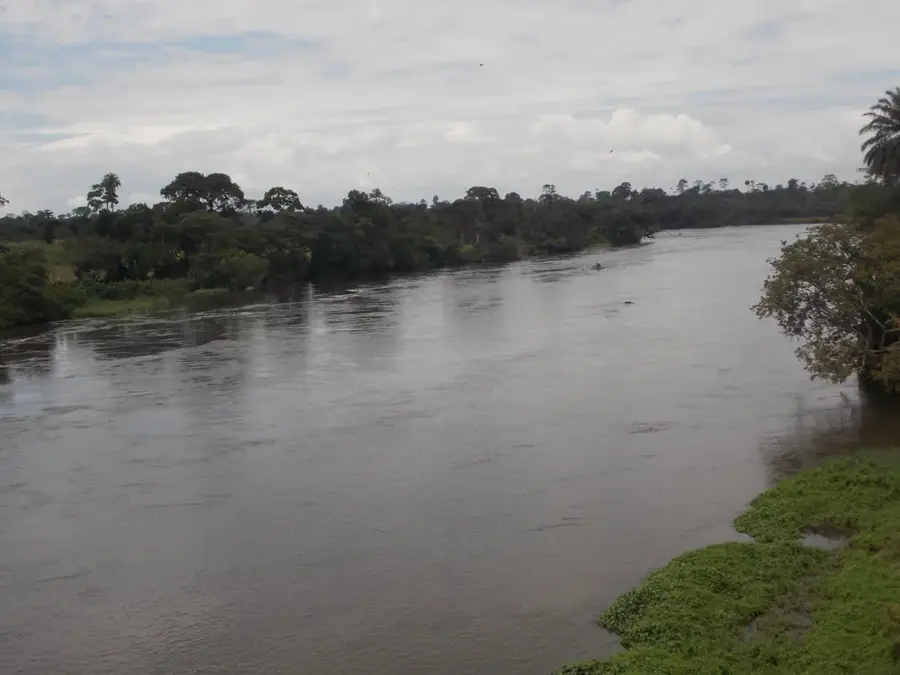
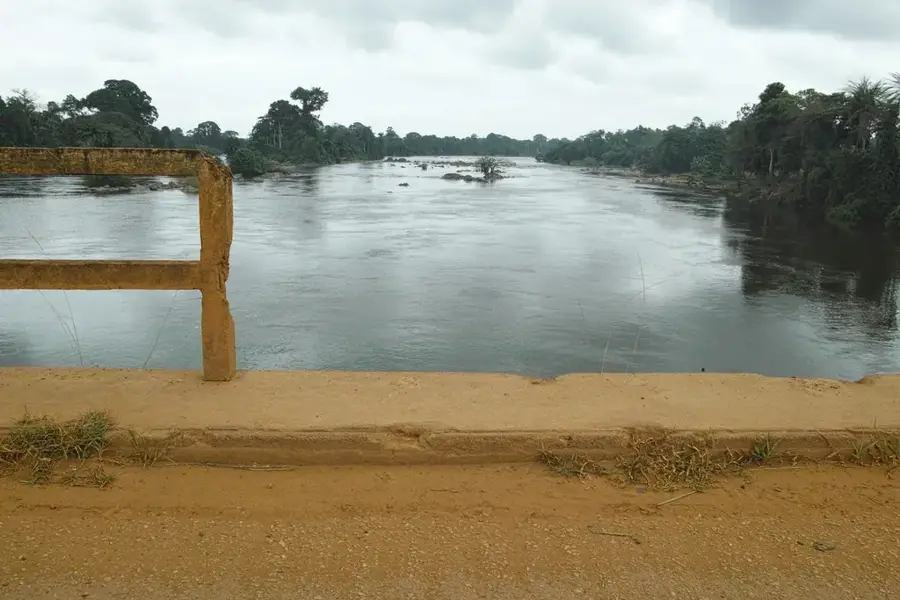
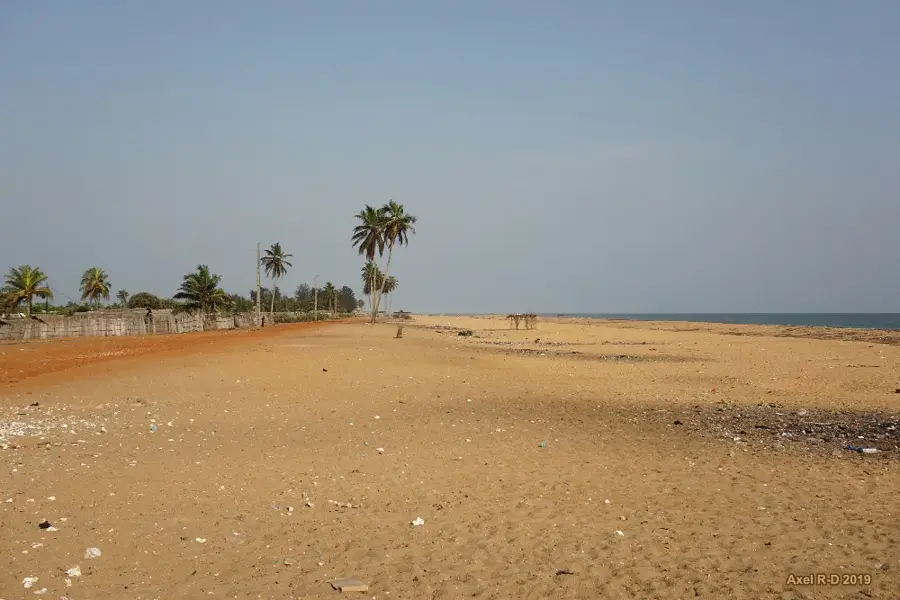
The Yocoboué Lagoon is situated on the southern coast of Côte d'Ivoire, west of Grand-Lahou, forming an integral part of the nation's coastal wetland network. Geographically, it is separated from the Gulf of Guinea by narrow sandbars and is characterized by an intricate system of mangroves and freshwater inflows. This ecosystem serves as a critical habitat for numerous fish species and migratory birds, while providing the primary livelihood for local fishing communities in the surrounding villages. Historically, the Yocoboué region functioned as a hub for the trade of natural products and continues to preserve the traditional lifestyle of the local populace. The lagoon's water quality and biodiversity are closely tied to seasonal rainfall, which regulates salinity levels and influences the reproductive cycles of aquatic fauna. Despite its relative isolation, the lagoon is a prime example of West Africa's pristine coastal landscapes, currently prioritized for sustainable ecological management.

Best time to visit & climate

The most pleasant time to visit is Jan, Aug, Sep.

JanFebMarAprMayJunJulAugSepOctNovDec
Avg °C272828282726252425262727
Rain mm336611014721128910551861319855

📋 Practical info

🧭
Getting there
The somewhat isolated Yocoboué lagoon is beautifully situated in the southern coastal region and is mostly reached via rather poorly maintained secondary regional roads. For the final few difficult kilometers leading directly to the water's edge, extremely rugged off-road capable vehicles are a huge advantage.
📅
Best season
Experienced travelers typically clearly prefer the much drier months to entirely avoid the heavily muddy and incredibly difficult paths present during the rainy season. Between the months of May and July, visitors must absolutely expect to encounter particularly strong, torrential, and persistent rainfall events.
⛰️
Terrain & paths
The totally natural coastal areas of the lagoon are mostly very flat, extremely densely vegetated in places, and can be almost constantly quite humid or completely marshy. There are absolutely no officially marked hiking trails here, meaning visitors often have to carefully and laboriously navigate their own way through the thick brush.
🎒
What to bring
Strong mosquito repellent and fully closed-toe, highly robust footwear are absolutely essential to effectively protect against annoying insect bites and intensely thorny, scratchy underbrush. Sufficient clean drinking water for the entire day, along with a few nutritious, light snacks, should also under no circumstances be missing from your securely packed bag.
🅿️
Parking
Personal or rented vehicles are normally securely parked right at the extreme edge of the nearest small villages, where you can also conveniently ask around immediately for helpful local guides. It is highly advisable to give a small, perfectly fair tip upfront so that the friendly, welcoming residents keep a very watchful eye on your car during the trek.
⚠️
Safety
Since the totally muddy shoreline can be extremely slippery, extra and very constant caution is desperately needed when walking or exploring in very close proximity to the water's edge. Furthermore, free swimming without prior, incredibly careful consultation with knowledgeable locals should be completely avoided due to the real threat of hidden, dangerous currents.
⏱️
Time needed
For a genuinely relaxing, highly informative walk and the completely peaceful observation of the incredibly local, wild flora and fauna, two to three hours is usually completely and totally sufficient. Without carefully arranging an additional small boat ride, the actual walkable area is most often strictly limited to a much smaller, highly restricted radius of total exploration.

Geography

Coordinates
5.20000, -5.10000

Facts

  • Located west of the town of Grand-Lahou
  • Separated from the Atlantic by sandbars
  • Significant habitat for West African manatees
  • Dominated by red and black mangrove species
  • Local economy relies on artisanal fishing
  • Regulated by seasonal freshwater inflows

Explore nearby

Notable places around
Route planner — Car & Motorhome

Where do you start? We build the route here, with stops and country notes along the way.

Vehicle
Only stops with (optional):

© OpenStreetMap contributors · OpenRouteService

Sights nearby

Frequently asked questions

Where is this lagoon located?
On the south coast, west of Grand-Lahou.
Are there fishing villages there?
Yes, people's lives are closely linked to the water.
Can you stay overnight?
There are almost no tourist hotels, rather private accommodations.
What birds can be seen?
Pelican and heron species are native there.
How is the road there?
The roads can be difficult during the rainy season.
Yocoboué Lagoon: where is it located?
Yocoboué Lagoon is located in Côte d’Ivoire.
Yocoboué Lagoon: when is the best time to visit?
The most pleasant time to visit is Jan, Aug, Sep.
Yocoboué Lagoon: why is it worth visiting?

The Yocoboué Lagoon is situated on the southern coast of Côte d'Ivoire, west of Grand-Lahou, forming an integral part of the nation's coastal wetland network.
View on map → The Top 50 Attractions → OpenStreetMap →
Africa
Explore with Plizio Discover more places in Africa
More places in Côte d’Ivoire →

Nature

More places