Plizio Visual Lab

Slieve Bloom Plateau

Plizio editorial teamData Sources
Mountain
—°5
Slieve Bloom Plateau (Ireland)

Weather…

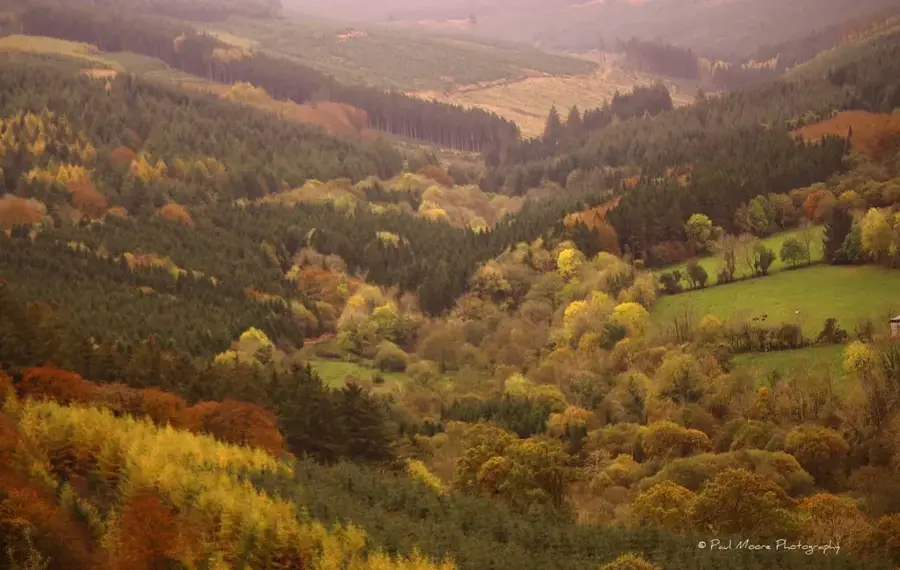
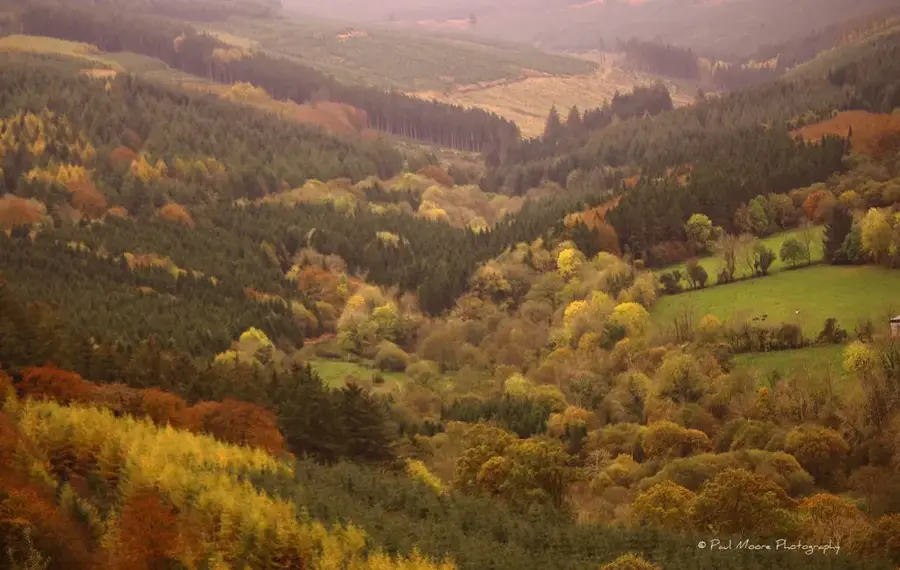
The Slieve Bloom Plateau extends across counties Offaly and Laois in the Irish midlands and is recognized as one of the oldest mountain ranges in Europe. Formed approximately 450 million years ago during the Caledonian orogeny, the range predates the formation of the Alps and the Himalayas by hundreds of millions of years. The plateau is characterized by its gentle, rounded summits and extensive blanket bogs, which are among the largest remaining in Ireland. Its highest point is Arderin, reaching 527 meters, a name derived from the Irish Ard Éireann, meaning Height of Ireland. The area is a designated nature reserve covering over 2,300 hectares, providing a critical sanctuary for the rare Hen Harrier and other specialist flora and fauna. Historically, the Slieve Blooms served as a formidable boundary between ancient Irish territories and contain numerous archaeological remains, including Bronze Age cairns and medieval settlements. Today, the plateau is a hub for outdoor recreation, featuring an extensive network of walking trails and world-class mountain biking routes. Several pristine rivers have their sources here, playing a vital role in the drainage system of the central plains.

Best time to visit & climate

The most pleasant time to visit is Jun–Aug.

JanFebMarAprMayJunJulAugSepOctNovDec
Avg °C546811141515131075
Rain mm9273726573849210081100103100

📋 Practical info

🧭
Getting there
Gaining access to the central plateau usually involves driving up the scenic routes of the Slieve Bloom Mountains to the higher parking areas. From these elevated starting points, several paths guide walkers directly into the heart of the upland expanse.
📅
Best season
The long days of summer offer the most rewarding experience for exploring the wide-open landscape of the plateau. Winter visits can be extremely stark, with the elevated terrain often exposed to biting winds and occasional low-lying snow or frost.
⛰️
Terrain & paths
The terrain here is predominantly composed of vast, undulating blanket bog, creating a soft and sometimes spongy walking surface. While some sections feature protective boardwalks to preserve the sensitive ecology, other parts require navigating very uneven peatland.
🎒
What to bring
Given the consistently wet nature of the plateau bog, absolutely waterproof footwear and spare dry socks are vital. Walkers should be fully equipped with warm, wind-resistant layers, as there is absolutely no natural shelter from the elements up here.
🅿️
Parking
Convenient parking spaces are situated at specific viewpoints and trail access spots along the mountain roads crossing the plateau. Ensure you leave nothing valuable visible in your car, as these remote parking locations are relatively isolated.
⚠️
Safety
Mist can descend rapidly across the plateau, completely obscuring the landscape and making navigation extremely difficult. Stick rigorously to the marked trails or boardwalks, and always be aware of the deep, water-filled holes characteristic of bog environments.
⏱️
Time needed
Exploring the central plateau areas typically involves walks ranging from two to four hours, depending on how far you wish to venture. The flat nature of the terrain allows for steady progress, but the soft ground can make walking surprisingly tiring.

Geography

Coordinates
53.05000, -7.75000

Facts

  • Highest peak Arderin reaches 527 meters
  • Geological age of approximately 450 million years
  • Spans the border of Offaly and Laois counties
  • Designated sanctuary for the Hen Harrier bird
  • Protected area covers over 2,300 hectares
  • Part of the oldest mountain system in Europe

Explore nearby

Notable places around
Route planner — Car & Motorhome

Where do you start? We build the route here, with stops and country notes along the way.

Vehicle
Only stops with (optional):

© OpenStreetMap contributors · OpenRouteService

Sights in the town Slieve Bloom Plateau (5)

Seir Kieran's Abbey🏺 historical

An early Christian monastic site associated with Saint Kieran.

Tulla Castle (site of)🏺 historical

The archaeological site where the historic Tulla Castle once stood.

Saint Kieran's Bush📍 landmark

A sacred whitethorn tree associated with local religious traditions.

Saint Kieran's Well📍 landmark

A holy well named after Saint Kieran, often visited by pilgrims.

Saint Kieran's RC Church⛪ religious

A Roman Catholic church dedicated to Saint Kieran on the plateau.

Sights nearby

Frequently asked questions

Where is the Slieve Bloom Plateau located?
It is located in Counties Laois and Offaly in the center of Ireland.
Are there mountain bike trails there?
Yes, there is an extensive network of modern mountain bike trails near Baunreagh and Kinnitty.
What is the highest point?
Arderin is the highest peak of the plateau at 527 meters.
Can rare animals be seen there?
It is an important habitat for the rare Hen Harrier.
Are there picnic spots?
Yes, Glenbarrow provides great waterfalls and well-equipped picnic areas.
Slieve Bloom Plateau: where is it located?
Slieve Bloom Plateau is located in Ireland.
Slieve Bloom Plateau: what is there to see?
Highlights include Seir Kieran's Abbey, Tulla Castle (site of), Saint Kieran's Bush.
Slieve Bloom Plateau: when is the best time to visit?
The most pleasant time to visit is Jun, Aug.
Slieve Bloom Plateau: why is it worth visiting?

The Slieve Bloom Plateau extends across counties Offaly and Laois in the Irish midlands and is recognized as one of the oldest mountain ranges in Europe.
View on map → The Top 50 Attractions → Most beautiful beaches → OpenStreetMap →
Europe
Explore with Plizio Discover more places in Europe
More places in Ireland →

Nearby cities