Plizio Visual Lab
Al-Gharraf Agricultural Region
Weather…
Water temperature…
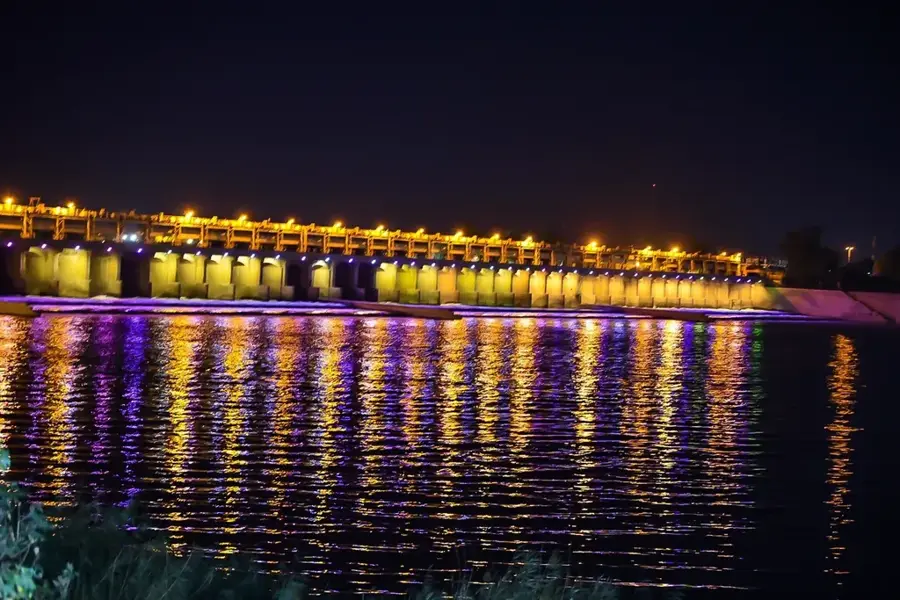
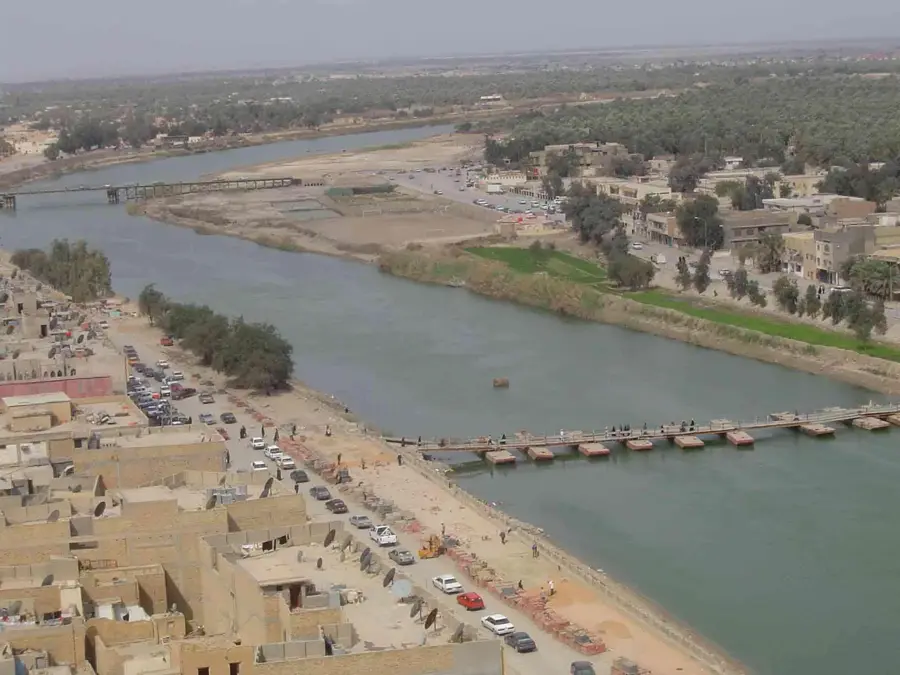
The Al-Gharraf Agricultural Region is irrigated by the 160-kilometer-long Al-Gharraf Canal, which branches off from the Tigris River at Kut and flows southwards to Nasiriya. The canal's construction dates back to the Sumerian era and was substantially modernized in the 1930s via the Kut Barrage to ensure a controlled water flow. The region encompasses over 300,000 hectares of arable land and is considered one of central Iraq's most important producers of winter grains. Annually, around 400,000 tons of wheat and 150,000 tons of barley are harvested here. Agricultural production is largely based on smallholder family farms, with an average holding size between 5 and 10 hectares. The water supply is highly dependent on the Tigris inflow; during severe drought years such as 2021 and 2022, government decrees mandated up to a 50 percent reduction in cultivated areas to safeguard drinking water reserves.
Best time to visit & climate
The most pleasant time to visit is Mar, Apr, Nov.
| Jan | Feb | Mar | Apr | May | Jun | Jul | Aug | Sep | Oct | Nov | Dec | |
|---|---|---|---|---|---|---|---|---|---|---|---|---|
| Avg °C | 11 | 13 | 18 | 24 | 31 | 36 | 39 | 39 | 35 | 28 | 18 | 13 |
| Rain mm | 48 | 43 | 38 | 33 | 12 | 0 | 1 | 0 | 1 | 21 | 42 | 35 |
📋 Practical info
Geography
Facts
- The water-carrying Al-Gharraf Canal has a total length of 160 kilometers.
- Regulation of the river is managed by the Kut Barrage, built in the 1930s.
- The intensively cultivated arable land covers more than 300,000 hectares.
- The region's annual wheat harvest amounts to approximately 400,000 tons.
- Small family farms typically cultivate plots ranging from 5 to 10 hectares.
- During severe droughts, cultivated areas are restricted by up to 50 percent by the state.
Explore nearby
Notable places around
Route planner — Car & Motorhome
Where do you start? We build the route here, with stops and country notes along the way.
© OpenStreetMap contributors · OpenRouteService
Sights in the town Al-Gharraf Agricultural Region (1)
Sights nearby
Frequently asked questions
What is grown in the Al-Gharraf region?
Where does the water for agriculture come from?
Can the farms be visited?
When is the harvest season?
Why is Al-Gharraf historically important?
Al-Gharraf Agricultural Region: where is it located?
Al-Gharraf Agricultural Region: when is the best time to visit?
Al-Gharraf Agricultural Region: why is it worth visiting?