Plizio Visual Lab
Lut Desert
Weather…
Water temperature…
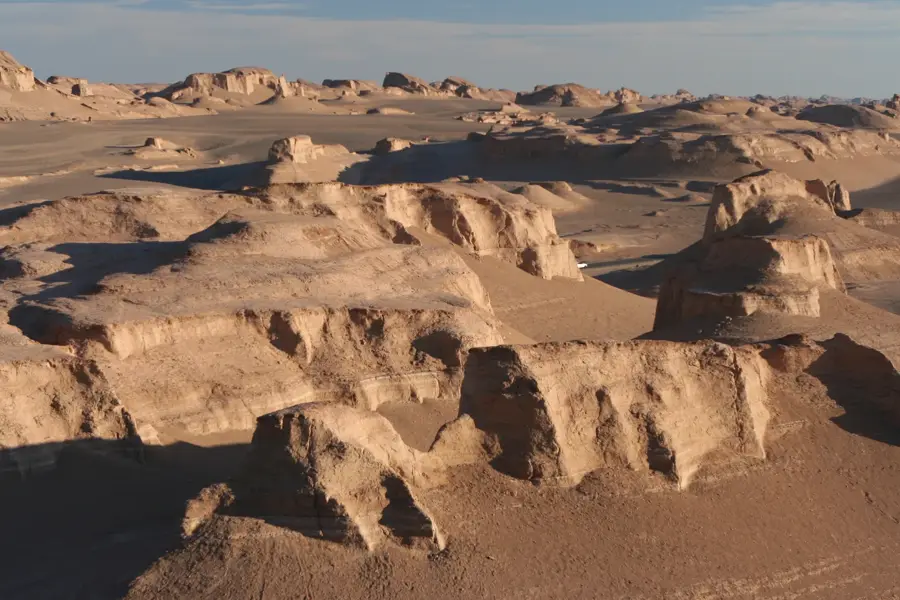
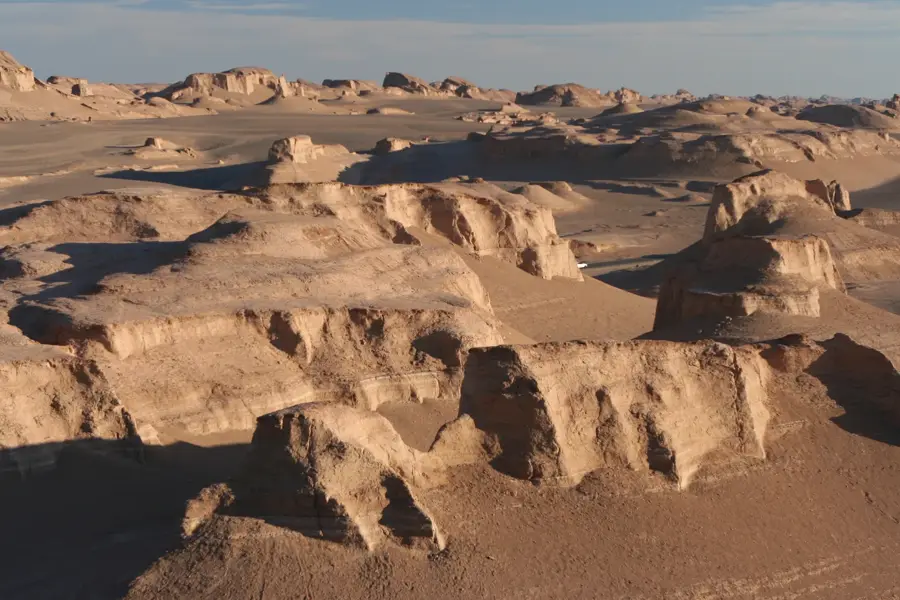
Dasht-e Lut is not just a desert but a UNESCO World Natural Heritage site of surreal beauty in southeastern Iran. Here lies Gandom Beryan, a dark lava plateau often recorded as the hottest point on the Earth's surface. Its most spectacular features are the "Kaluts", massive, wind-sculpted sandstone formations that look like an abandoned city from another world. These yardangs stretch for miles and offer a dramatic display of colors, especially at sunset. Adventurers come here to camp under one of the world's clearest starry skies or to climb the massive shifting dunes in the east, which are among the highest in the world. The landscape changes constantly due to strong winds, making every visit unique. It is a place of absolute silence and extreme natural forces. Due to extreme temperatures, the desert should only be visited between November and March with experienced guides and 4WD vehicles. Access is usually through the city of Kerman or the village of Shahdad. Regionally, one should enjoy the local dates and pistachios, which grow here in top quality. A visit to the Lut Desert is a frontier experience that alters one's perception of space and time.
📋 Practical info
Geography
Facts
- UNESCO World Natural Heritage site since 2016
- Holds records for highest surface temperature (up to 70°C+)
- Famous for the 'Kaluts' (yardang) rock formations
- Home to some of the tallest sand dunes in the world
- Large areas are abiotic due to the extreme heat
- Gandom Beryan is covered in dark volcanic rock
- Perfect spot for astrophotography with zero light pollution
- Covers an area of approximately 51,800 square kilometers
Explore nearby
Notable places around

Route planner — Car & Motorhome
Where do you start? We build the route here, with stops and country notes along the way.
© OpenStreetMap contributors · OpenRouteService
Sights nearby
Frequently asked questions
Lut Desert: where is it located?
Lut Desert: why is it worth visiting?

Nearby cities
History & landmarks