Plizio Visual Lab
Kerman
ℹ️Practical info — Kerman
▾
🌤 Weather — 5 days
📍 Nearby
Sights nearby
💡 Tips
- Visit the Ganjali Khan Complex in the late afternoon to see the beautiful tile work in the best light.
- The bazaar is one of the oldest in Iran; wear comfortable shoes to explore its long corridors.
- Summers are very hot, so plan your outdoor sightseeing for the early morning.
- Taxis are a good way to get around, but always agree on the fare beforehand.
🍽 Food
A traditional beef and kashk stew; look for it in restaurants near the main bazaar.
Date-filled cookies available in bakeries around the Ganjali Khan Square.
Kerman is famous for them; try roasted varieties directly in the bazaar.
🛍 Shopping · 🧘 Quiet spots
Look for the renowned local weaving patterns in the historic Bazar-e Sartasari.
Buy high-quality cumin from spice vendors in the old market area.
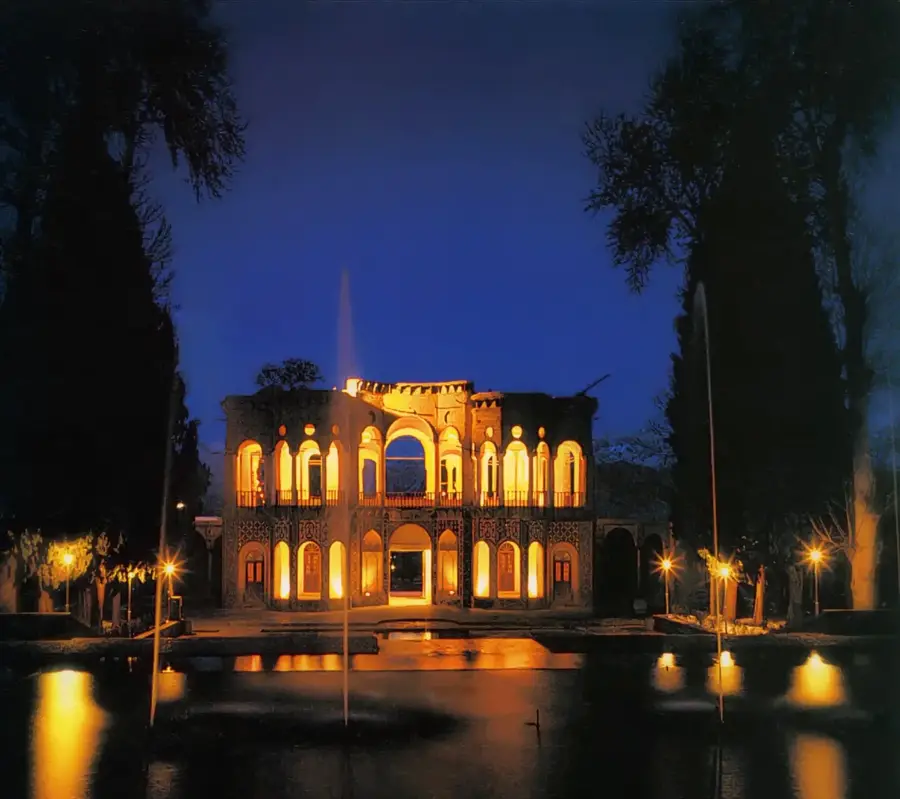
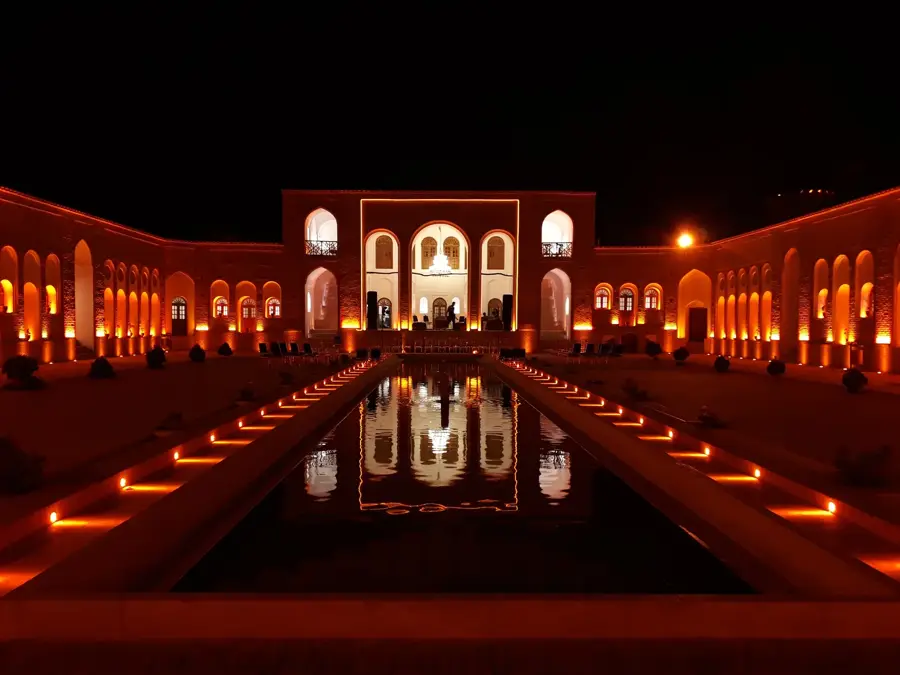
A beautifully restored historical garden outside the city center, great at sunset.
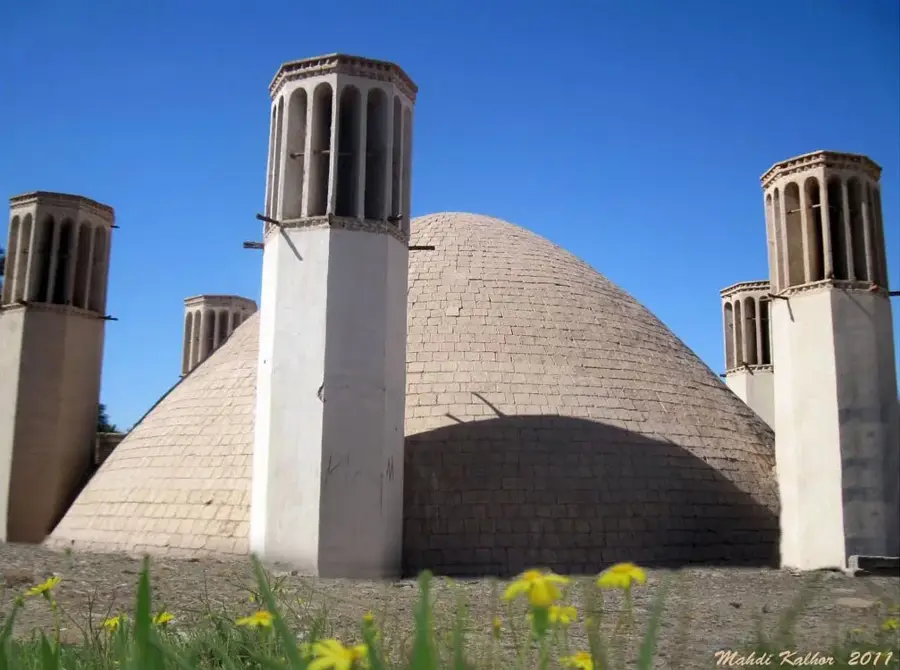
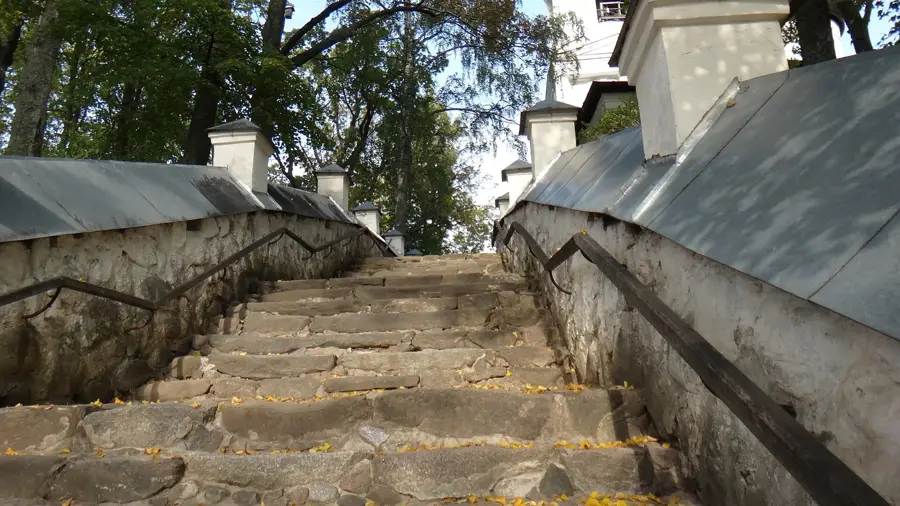
An ancient stone dome surrounded by a quiet park on the edge of the city.
Water temperature…
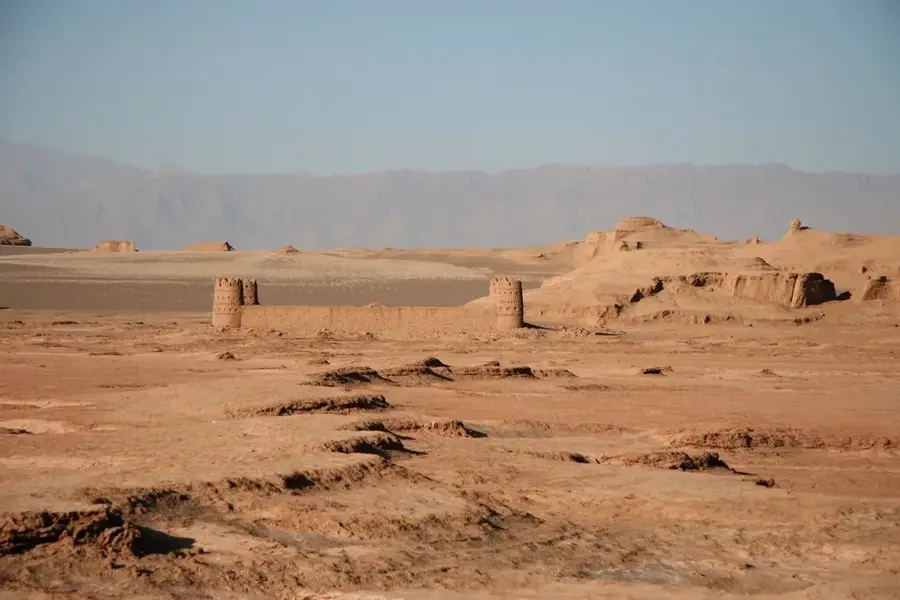
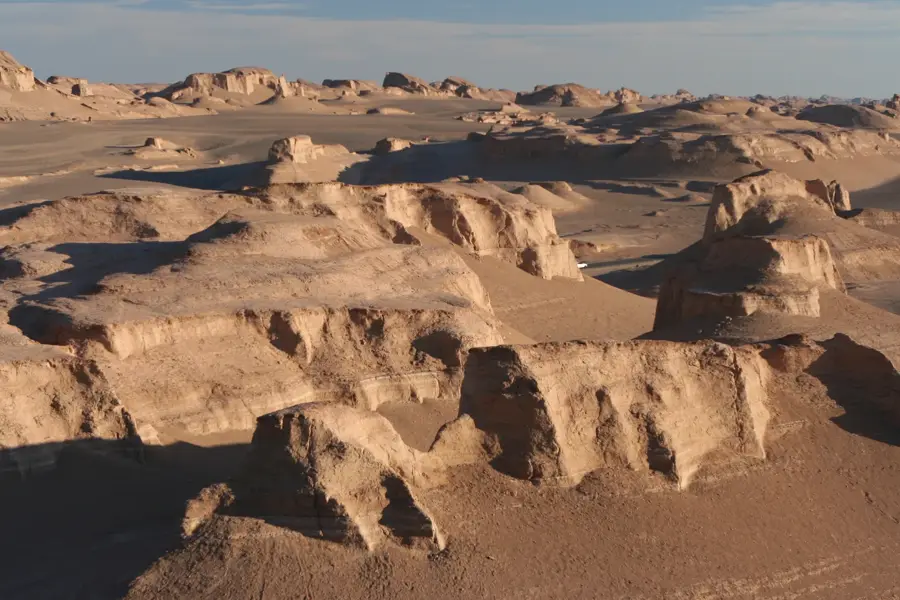
Kerman is a historic city located in southeastern Iran, positioned on a high-altitude plain near the fringes of the Lut Desert. At an elevation of 1,755 meters, it is one of Iran's highest major cities, providing a temperate climate that belies its desert surroundings. The city is a treasure trove of Persian history, with its origins tracing back to the Sassanid period under Ardashir I. The monumental Ganjali Khan Complex, built in the 17th century, remains the city's premier attraction, featuring a traditional bathhouse with wax figures, a bustling caravanserai, and a mosque renowned for its tilework. Kerman has long been celebrated as a global center for carpet weaving, with its rugs prized for their elaborate floral designs and high knot density. Economically, the region is a vital hub for the mining industry, particularly copper, and is famous for producing high-grade pistachios and 'Zira' (black cumin). The city also has a rich religious heritage, being home to a significant Zoroastrian community and the world's only Zoroastrian Anthropology Museum. Nearby, the UNESCO-listed Shazdeh Garden in Mahan showcases the ingenuity of Persian irrigation systems in an arid environment. Kerman also serves as a strategic starting point for expeditions into the Lut Desert, home to the world's highest recorded surface temperatures and unique 'Kalut' formations. The local people are known for their hospitality and their distinct dialect of Persian. The culinary identity of Kerman is highlighted by 'Abgoosht-e-Kermani' and various date-based pastries that reflect the local agricultural bounty. As an administrative and educational center, Kerman hosts several large universities and is a key link in the transport network connecting central Iran to the southern ports of Bandar Abbas and Chabahar.
- Location: Iran
- Top sights: Museum of Zoroastrianism · Kerman Bazaar · Malek Mosque
- Population: ~577.514 (2024)
Best time to visit & climate
The most pleasant time to visit is May, Aug, Sep.
| Jan | Feb | Mar | Apr | May | Jun | Jul | Aug | Sep | Oct | Nov | Dec | |
|---|---|---|---|---|---|---|---|---|---|---|---|---|
| Avg °C | 4 | 6 | 10 | 16 | 22 | 26 | 26 | 25 | 22 | 17 | 10 | 5 |
| Rain mm | 20 | 21 | 19 | 15 | 4 | 0 | 1 | 2 | 0 | 2 | 14 | 19 |
Geography
Facts
- Kerman is the capital of Iran's largest province by land area.
- The city's historical name was 'Govashir' during ancient times.
- The Jabaliyeh Dome is an octagonal stone structure of unknown origin.
- Kerman rugs were historically considered the most luxurious in Persia.
- The Lut Desert, near Kerman, is a UNESCO World Heritage site.
- The Shahid Bahonar University is one of the top research centers in Iran.
- The city has a long history of tolerance, housing various religious minorities.
- Kerman's climate features very low humidity and significant diurnal temperature range.
Explore nearby
Notable places around
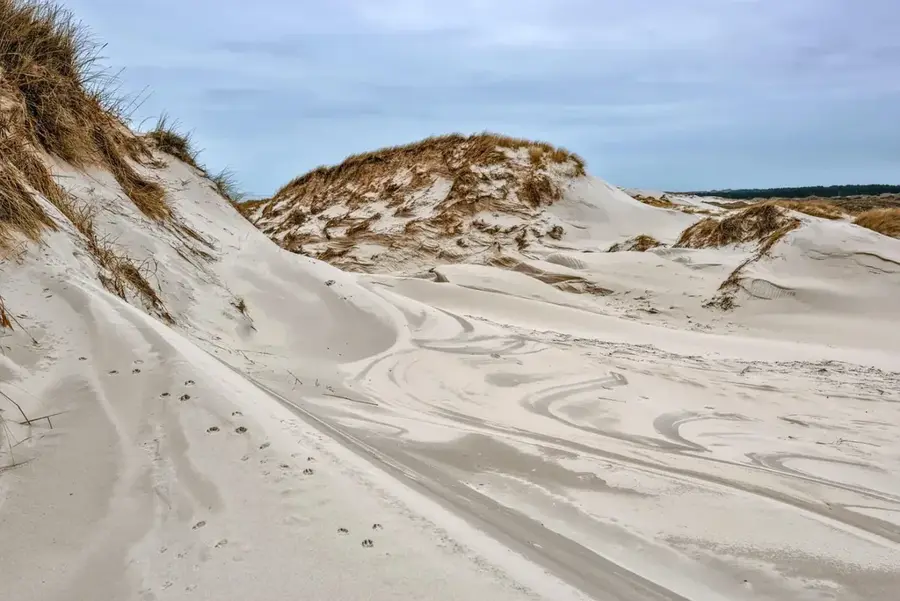
Route planner — Car & Motorhome
Where do you start? We build the route here, with stops and country notes along the way.
© OpenStreetMap contributors · OpenRouteService
Sights in the town Kerman (11)
Frequently asked questions
What is the main highlight of Kerman?
How far is the Lut Desert from Kerman?
What local specialty is there in Kerman?
What is Kerman historically known for?
Are there green spaces in this desert city?
Kerman: where is it located?
Kerman: what is there to see?
Kerman: when is the best time to visit?
Kerman: why is it worth visiting?
History & landmarks
Nature
More places