Plizio Visual Lab
Zanjan
ℹ️Practical info — Zanjan
▾
🌤 Weather — 5 days
📍 Nearby
Sights nearby
💡 Tips
- The Grand Bazaar of Zanjan is the longest covered market in Iran, so allocate at least a half-day to explore it without rushing.
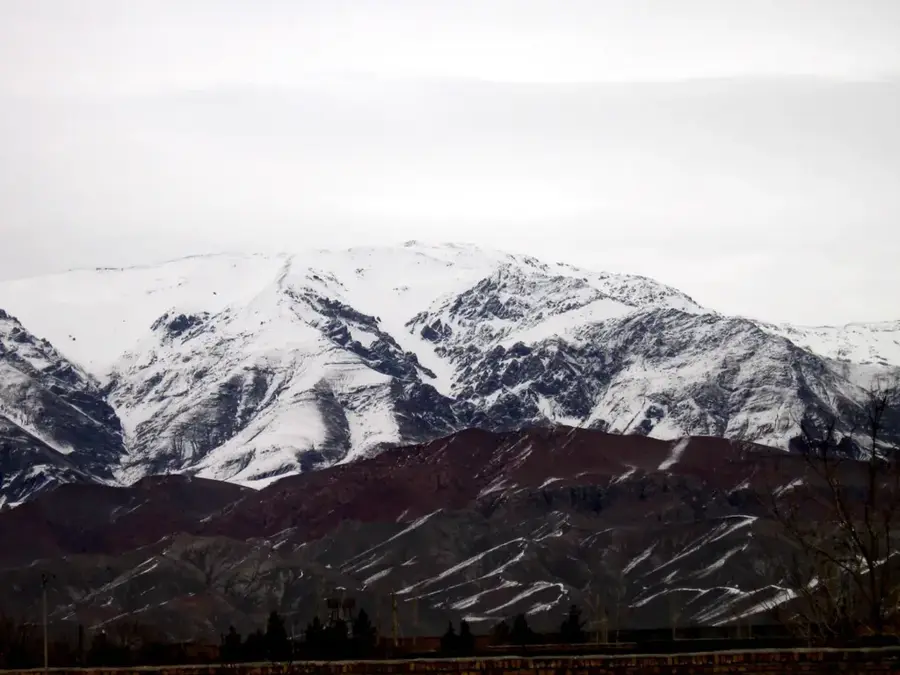
- Winters here are famously bitter and snowy, so dress in heavy layers if visiting between November and March.
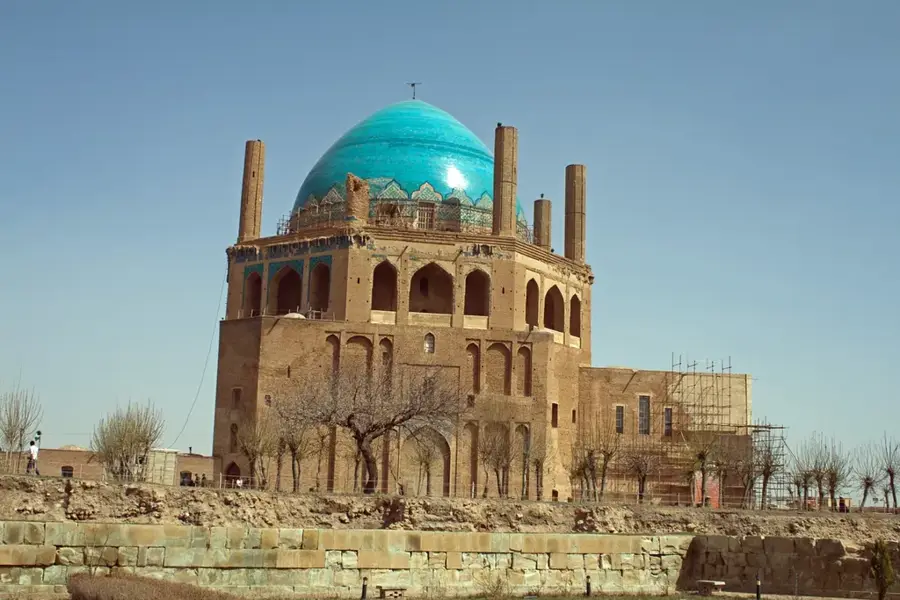
- Don't miss a day trip to the spectacular UNESCO-listed Soltaniyeh Dome nearby.
- Public restrooms in older parts of the city are typically squat style; carry your own tissues.
- Bargaining is expected in the bazaar, especially for handicrafts.
🍽 Food
A traditional street food of fried sheep's liver and heart, best eaten at local stalls near the bazaar early in the morning.
High-quality minced meat kebabs served in historic restaurants around the city center.
A local version of the sweet saffron brittle, available in traditional confectioneries.
🛍 Shopping · 🧘 Quiet spots
Highly prized across Iran for their craftsmanship; find authentic ones in the historic bazaar.
Intricate silver and copper wire crafts, great for elegant home decor and jewelry.
Hand-stitched colorful leather footwear traditionally made by local artisans.
Located on the mountain slopes north of the city, offering panoramic views and fresh air.
A beautifully restored historical washhouse that provides a peaceful glimpse into the past.
A serene space with traditional tiling, good for a quiet moment away from the bustling bazaar.
Water temperature…
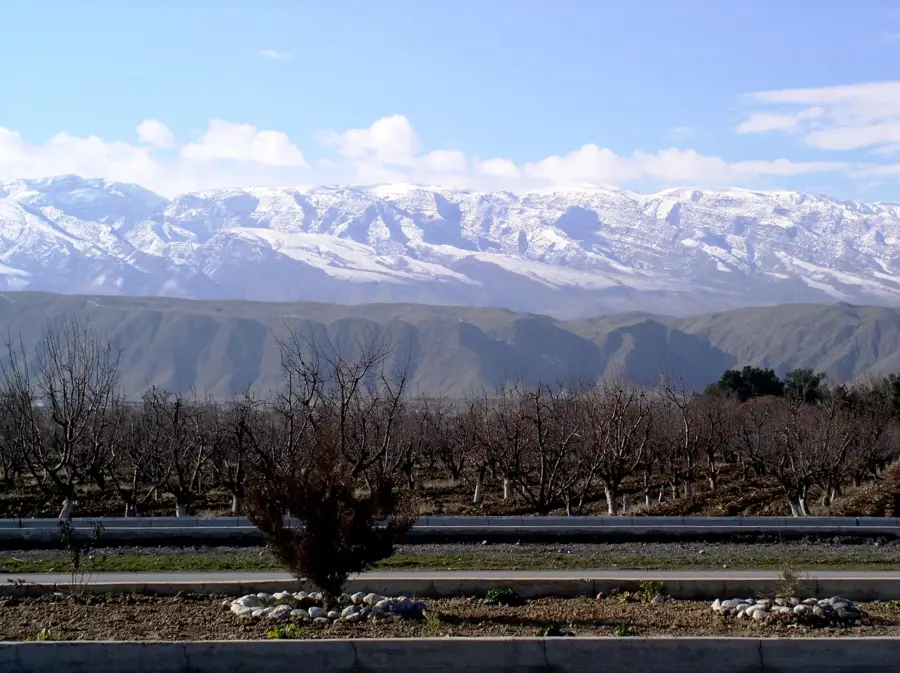
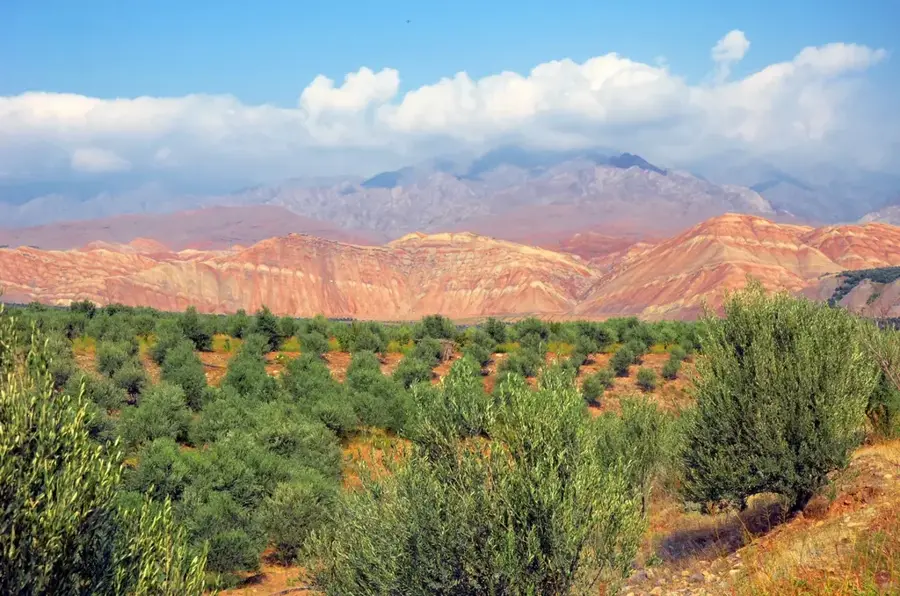
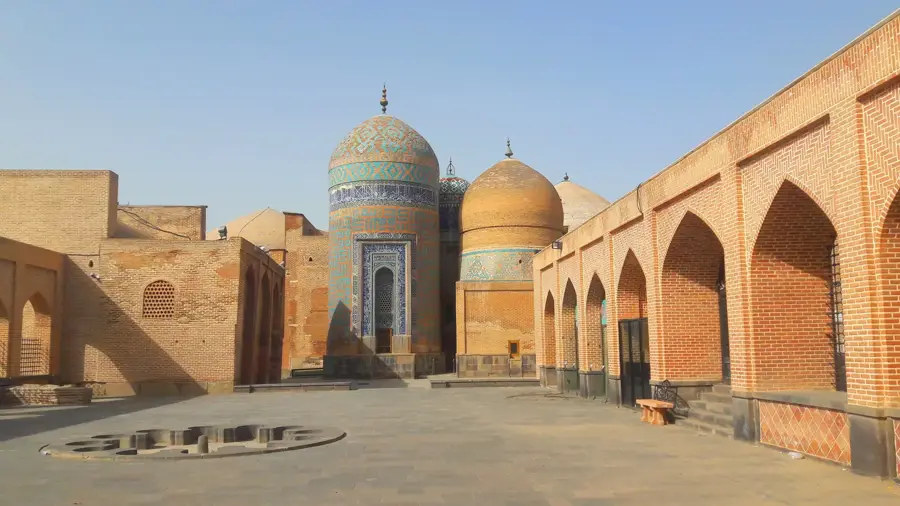
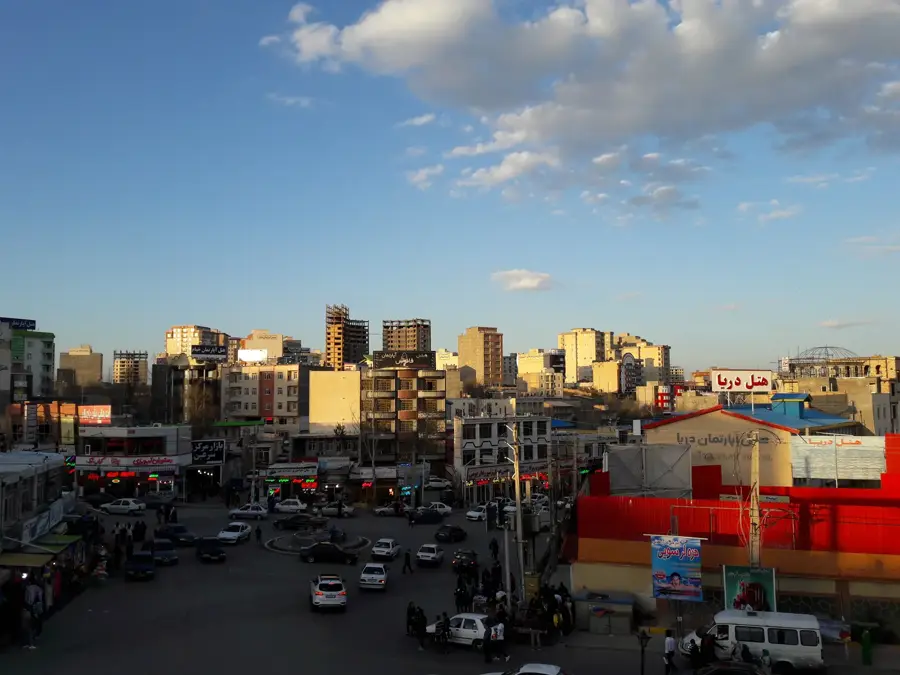
Zanjan, the capital of Zanjan Province in northwestern Iran, is strategically positioned along the main transit corridor between Tehran and Tabriz. Perched at an elevation of 1,638 meters on a highland plateau, the city enjoys a cold semi-arid climate, with snowy winters that define the regional lifestyle. Its origins trace back to the Sassanid era, and it has historically served as a critical defense and trade post. Today, Zanjan is synonymous with traditional craftsmanship, earning the title of the 'City of Knives' due to its centuries-old tradition of blade-making. Another hallmark of Zanjan’s artisan culture is Malileh, an exquisite form of silver filigree work that is considered among the finest in the world. The city is also the gateway to the Dome of Soltaniyeh, a UNESCO World Heritage site and the largest brick dome in the world, located just 30 kilometers away. Economically, Zanjan has evolved into a major industrial center, particularly in the non-ferrous metallurgy sector, hosting some of the region's largest lead and zinc mines and processing facilities. The Zanjan Bazaar is a notable architectural feat, being one of the longest roofed marketplaces in Iran, reflecting the city's commercial vitality throughout history. One of the most fascinating archaeological discoveries in the region is the 'Saltmen of Zanjan', naturally preserved mummies from ancient salt mines, which provide invaluable insights into the lives of people over 2,000 years ago. The population is predominantly Azerbaijani, giving the city an animated cultural identity expressed through Turkic language, music, and distinct culinary practices. Zanjan is also an educational hub, home to several high-ranking universities and research institutes that lead in the basic sciences. The city's modern infrastructure, including its well-connected rail and road networks, facilitates its role as a regional economic powerhouse. Combining deep historical roots with a modern industrial spirit, Zanjan stands as a vital link in Iran's cultural and economic chain.
- Location: Iran
- Top sights: Sardar Historical Bridge · Mir Baha Oddin Historical Bridge · Feiziyeh Mosque
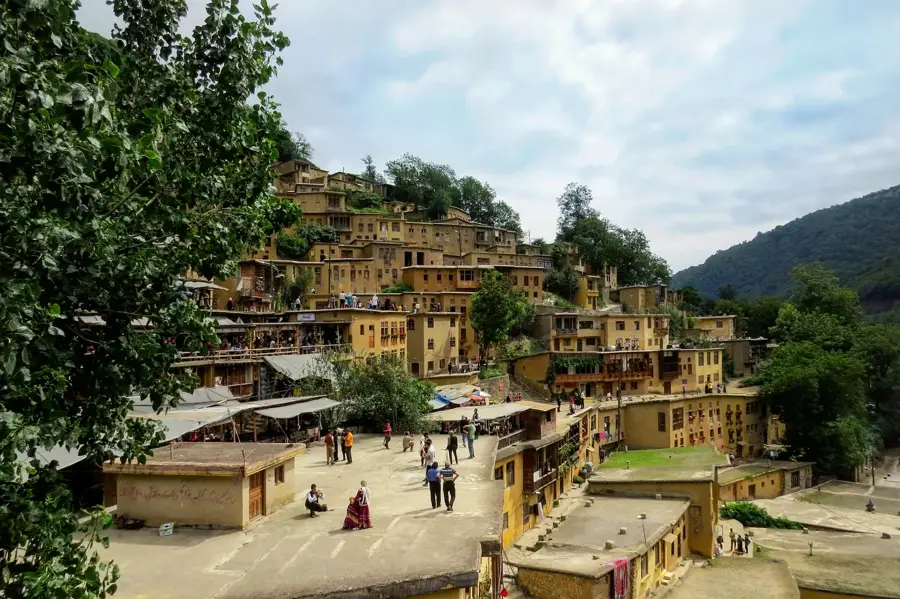
- Nearby: Masuleh (67 km)
- Population: ~357.471 (2024)
Best time to visit & climate
The most pleasant time to visit is Jun–Aug.
| Jan | Feb | Mar | Apr | May | Jun | Jul | Aug | Sep | Oct | Nov | Dec | |
|---|---|---|---|---|---|---|---|---|---|---|---|---|
| Avg °C | -3 | -1 | 4 | 9 | 14 | 19 | 20 | 20 | 17 | 12 | 4 | -1 |
| Rain mm | 34 | 37 | 40 | 49 | 29 | 11 | 13 | 14 | 20 | 42 | 53 | 40 |
Geography
Facts
- Zanjan sits at an elevation of 1,638 meters (5,374 feet).
- The Dome of Soltaniyeh is a UNESCO World Heritage site since 2005.
- The city is famous for its handmade knives and silver filigree (Malileh).
- Six 'Saltmen' mummies have been discovered in the Chehrabad salt mine.
- The Zanjan Bazaar features over 940 shops and multiple historic caravanserais.
- The city is a major producer of lead and zinc in the Middle East.
- Zanjan was originally named 'Shahin' by its Sassanid founders.
- The city's climate is characterized by cold, snowy winters and mild summers.
Explore nearby
Notable places around
Route planner — Car & Motorhome
Where do you start? We build the route here, with stops and country notes along the way.
© OpenStreetMap contributors · OpenRouteService
Sights in the town Zanjan (4)
Frequently asked questions
What is Zandschan famous for?
What is the Rakhtshooy Khaneh?
Are there UNESCO sites near Zandschan?
When should you visit Zandschan?
What is Charogh?
Zanjan: where is it located?
Zanjan: what is there to see?
Zanjan: when is the best time to visit?
Zanjan: why is it worth visiting?