Plizio Visual Lab
Sari
ℹ️Practical info — Sari
▾
🌤 Weather — 5 days
📍 Nearby
Sights nearby
💡 Tips
- Summers are hot and very humid due to the Caspian Sea proximity; spring or early autumn are the most comfortable times to visit.
- Taxis are the best way to get around; ask for a 'Darbaste' (private taxi) if you don't want to share the ride with strangers.
- International credit cards do not work in Iran. Bring enough cash (Euros or USD) and exchange it for Rials or use a local tourist debit card.
- Dress codes apply: women must cover their hair and wear loose clothing, while men should avoid wearing shorts in public.
🍽 Food
A famous local dish of fried chicken served with a rich pomegranate sauce; find a specialized restaurant for the best experience.
Try this smoky baked eggplant dish with tomatoes, garlic, and eggs, typical of the northern provinces, at a local traditional restaurant.
Order this 'sour kebab' made of beef marinated in pomegranate paste and crushed walnuts at riverside dining spots.
🛍 Shopping · 🧘 Quiet spots
A bustling market where you can buy fresh citrus fruits, olives, regional garlic, and local northern spices.
Look for local confectioneries selling Koloucheh (filled cookies) and local fruit leathers (Lavashak).
A beautiful, tranquil forest area just outside the city, well-suited for a relaxing afternoon walk under the tall trees.
Take a quiet stroll along the Tajan riverbank in the evening when the weather cools down and locals come out to relax.
Water temperature…
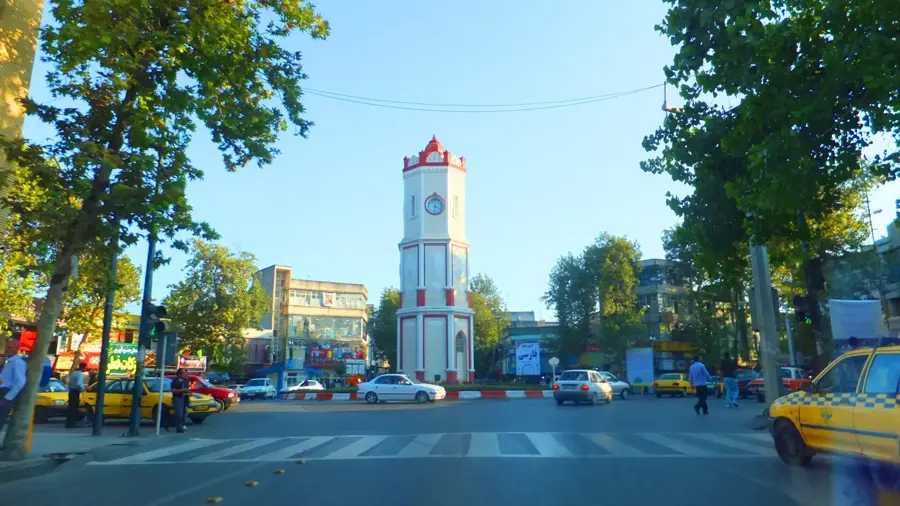
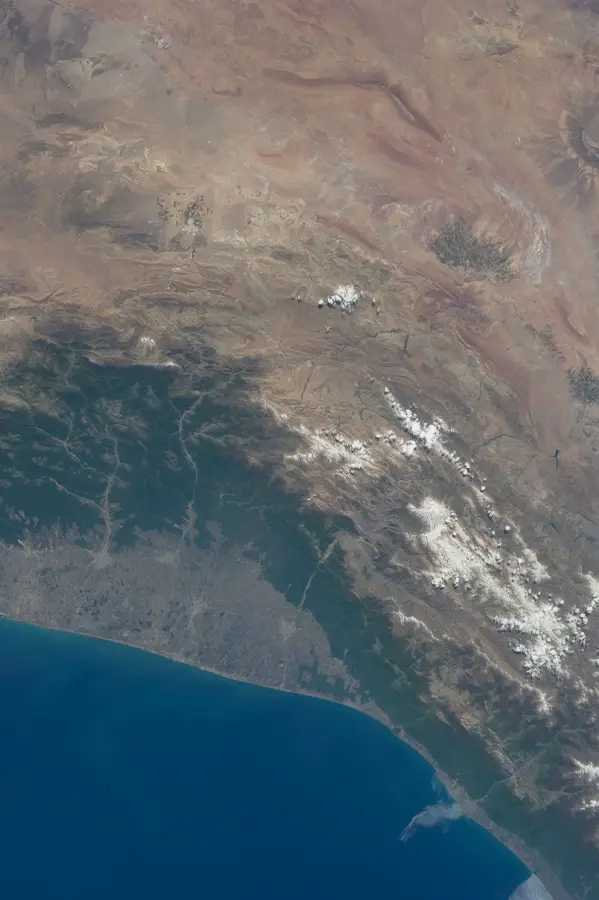
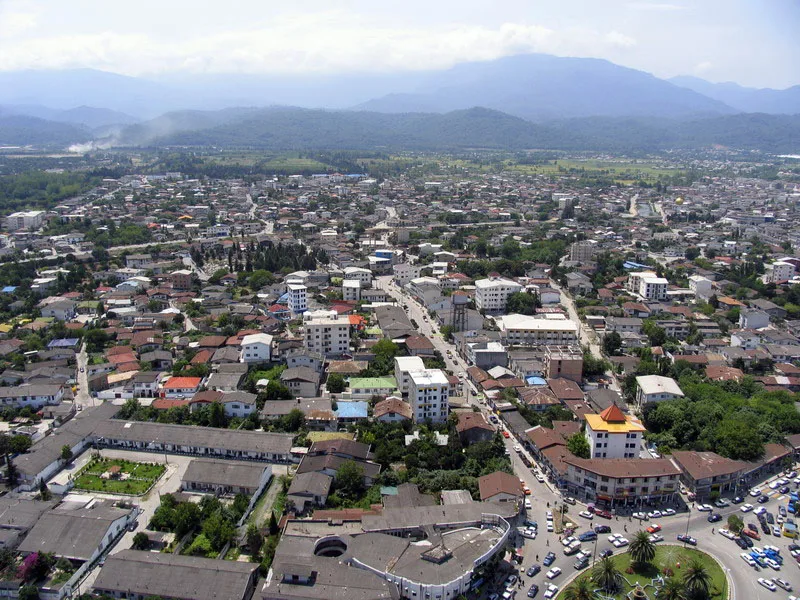
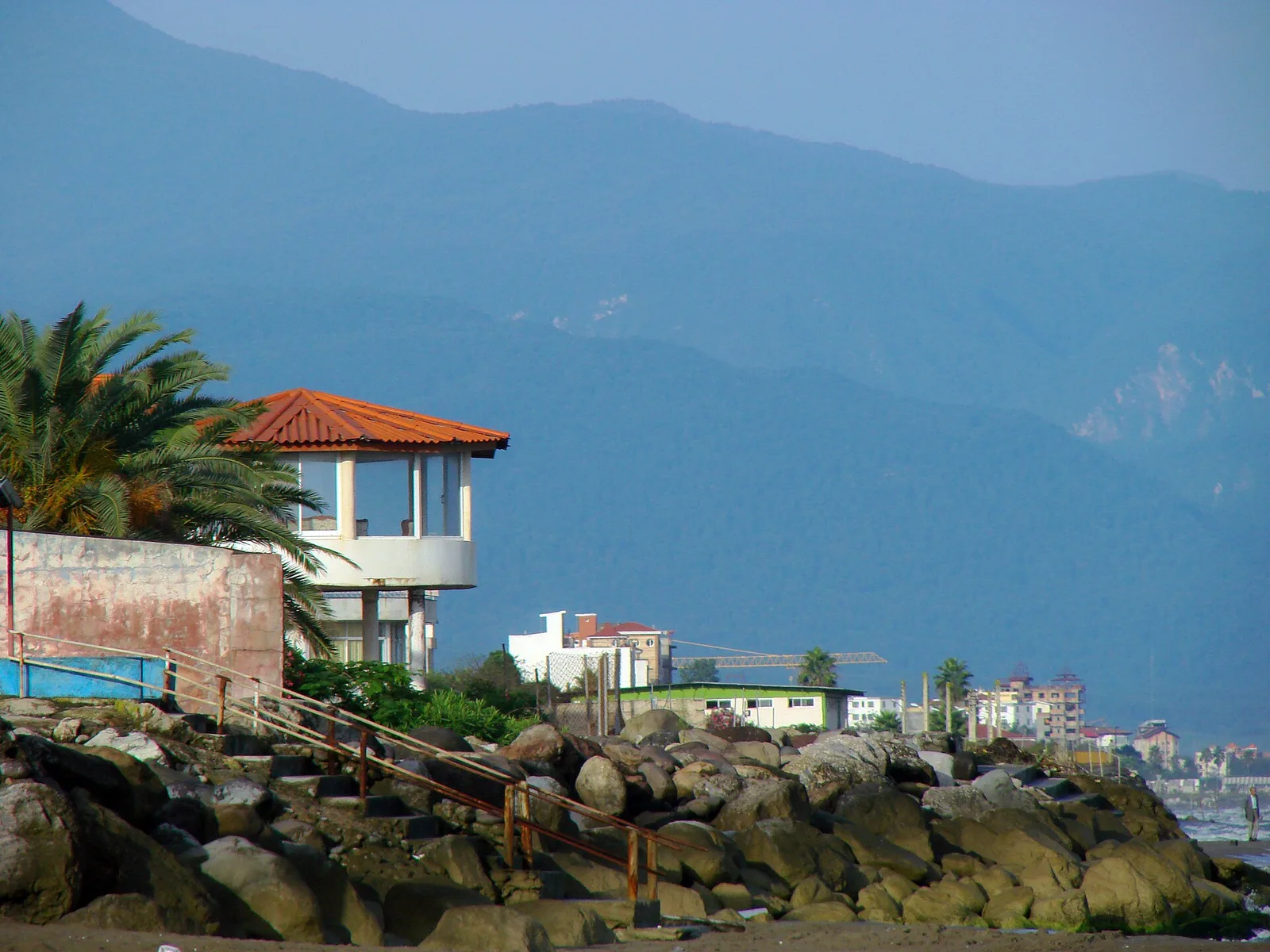
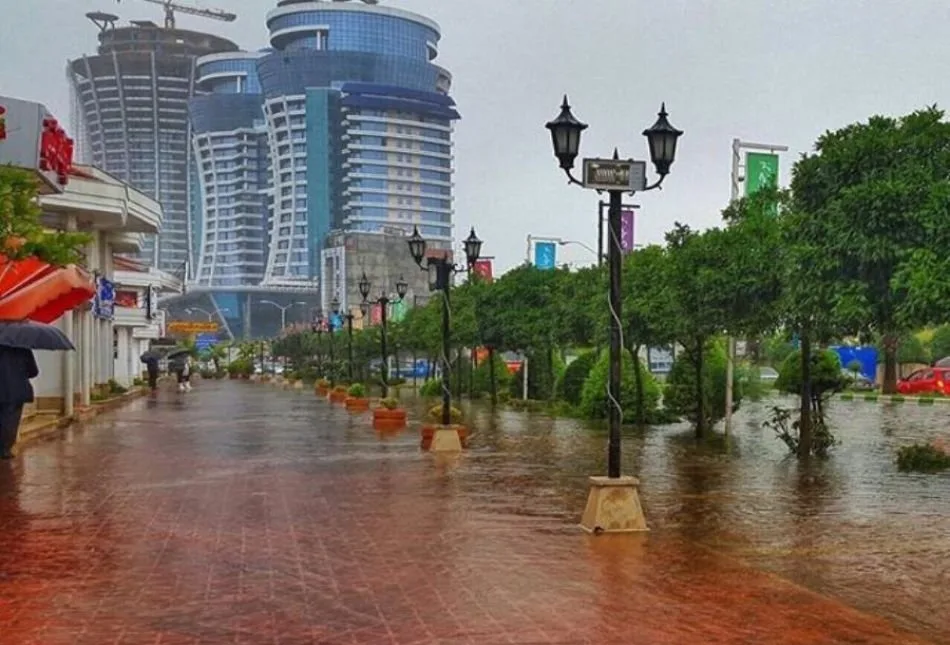
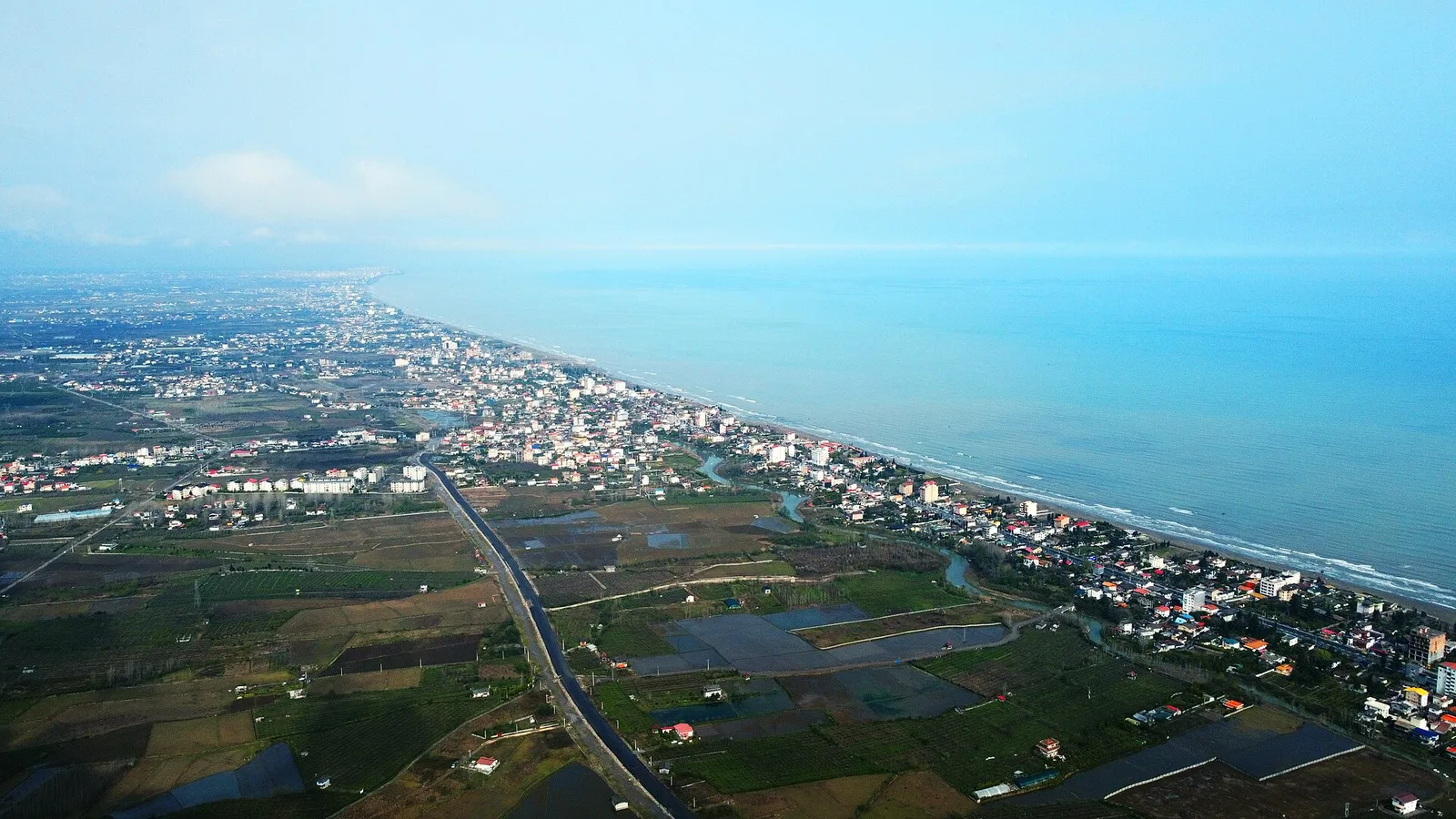
Sari, the capital of Mazandaran Province, is one of Iran's most historically significant cities, tucked away on the lush plains between the Alborz Mountains and the southern shores of the Caspian Sea. Legend attributes its founding to the mythical King Tus, and historical records confirm its status as a pivotal urban center since the Sassanid era, serving as the ancient capital of the Tabaristan region. Unlike the arid plateaus that characterize much of Iran, Sari enjoys a humid subtropical climate, making it the nation's premier producer of citrus fruits, rice, and tobacco. The city's most iconic landmark is the Clock Tower (Saat Tower), built in the mid-20th century, which stands at the heart of its bustling central square. Sari's history is marked by cycles of destruction and renewal, having survived Mongol invasions and devastating earthquakes, each time emerging as a resilient hub of northern commerce. The economy is heavily industrial and agricultural, hosting large-scale paper and wood processing facilities that draw from the surrounding ancient Hyrcanian forests. Sari is a strategic link in the Trans-Iranian Railway, a UNESCO World Heritage site that connects the Caspian coast to Tehran and beyond. Culturally, the city is the center of the Mazanderani language and folklore, with a local cuisine that highlights regional ingredients like sour orange, garlic, and wild herbs. The nearby Badab-e Surt travertine terraces, featuring spectacular orange limestone formations, are among the region's most famous natural attractions. In recent decades, Sari has expanded into a major educational and administrative center, home to several universities and research institutions. The city's atmosphere is defined by its proximity to nature, where urban life blends seamlessly with the surrounding green landscapes and the rhythmic influence of the nearby sea. Sari remains a vital gateway to northern Iran, offering a unique combination of ancient roots, modern industry, and ecological richness.
- Location: Iran
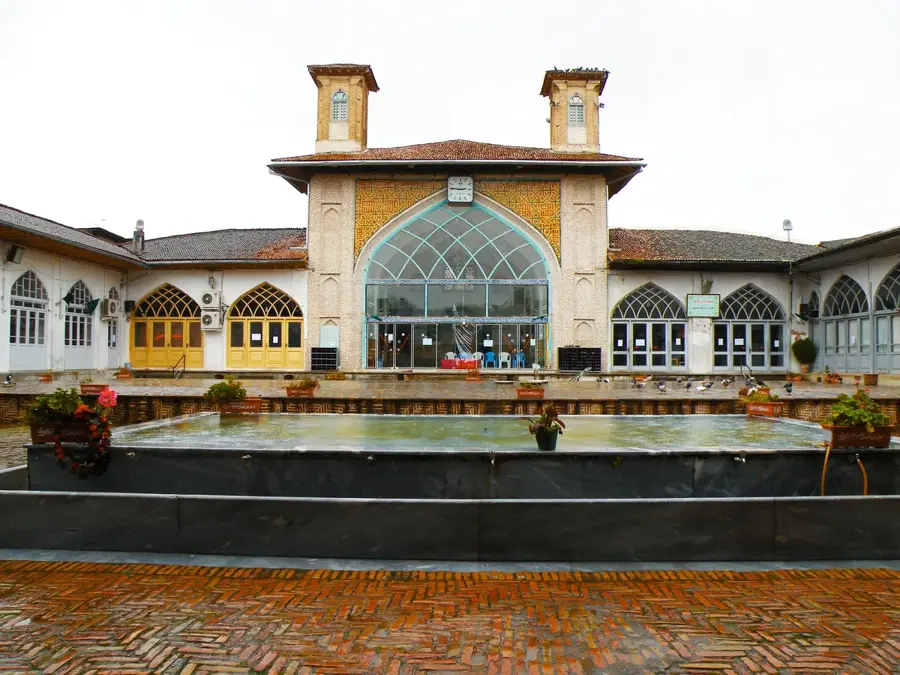
- Top sights: Amphitheater · Bagherzadegan Mosque · Mosque Emam Jafar Sadegh
- Nearby: Babolsar (47 km)
- Population: ~255.396 (2013)
Best time to visit & climate
The most pleasant time to visit is May, Jun, Sep.
| Jan | Feb | Mar | Apr | May | Jun | Jul | Aug | Sep | Oct | Nov | Dec | |
|---|---|---|---|---|---|---|---|---|---|---|---|---|
| Avg °C | 7 | 8 | 12 | 16 | 22 | 26 | 28 | 28 | 24 | 19 | 13 | 9 |
| Rain mm | 57 | 51 | 50 | 34 | 16 | 16 | 22 | 25 | 48 | 74 | 85 | 57 |
Geography
Facts
- Sari is one of the few Iranian cities with a humid subtropical climate.
- The city served as the capital of the historical Tabaristan region.
- The iconic Clock Tower was designed by a German architect in the 1930s.
- Sari produces more than 60% of Iran's citrus fruit exports.
- The Trans-Iranian Railway station in Sari is a masterpiece of early 20th-century design.
- It is located approximately 270 km northeast of Tehran.
- Home to the Mazandaran University of Medical Sciences.
- The city's population grew significantly after the arrival of the northern railway.
Explore nearby
Notable places around
Route planner — Car & Motorhome
Where do you start? We build the route here, with stops and country notes along the way.
© OpenStreetMap contributors · OpenRouteService
Sights in the town Sari (4)
Frequently asked questions
Where is Sari located?
What is Badab-e Surt?
What activities does Sari offer tourists?
Are there historical buildings in Sari?
What is the climate like in Sari?
Sari: where is it located?
Sari: what is there to see?
Sari: when is the best time to visit?
Sari: why is it worth visiting?
Nearby cities
History & landmarks
More places