Plizio Visual Lab
Mazandaran Rice Paddies
The rice paddies of Mazandaran stretch across the fertile coastal plains of the Caspian Sea in northern Iran, serving as the agricultural backbone of the region. Benefiting from high annual rainfall and a humid climate created by the rain shadow of the Alborz Mountains, Mazandaran accounts for approximately 75 percent of Iran's total rice production. The tradition of rice cultivation here dates back centuries, deeply influencing local customs and the culinary identity of the Iranian people. High-quality varieties such as "Tarom" and "Sadri" are particularly prized for their distinct fragrance and elongated grain texture. The landscape is characterized by vast, bustling green fields during the spring and summer months, transitioning to golden hues during the autumn harvest. While mechanization has increased recently, much of the planting and harvesting is still performed through traditional manual labor. Beyond their economic value, these paddies provide a crucial ecosystem for various migratory birds that frequent the northern Iranian wetlands.
- Location: Iran
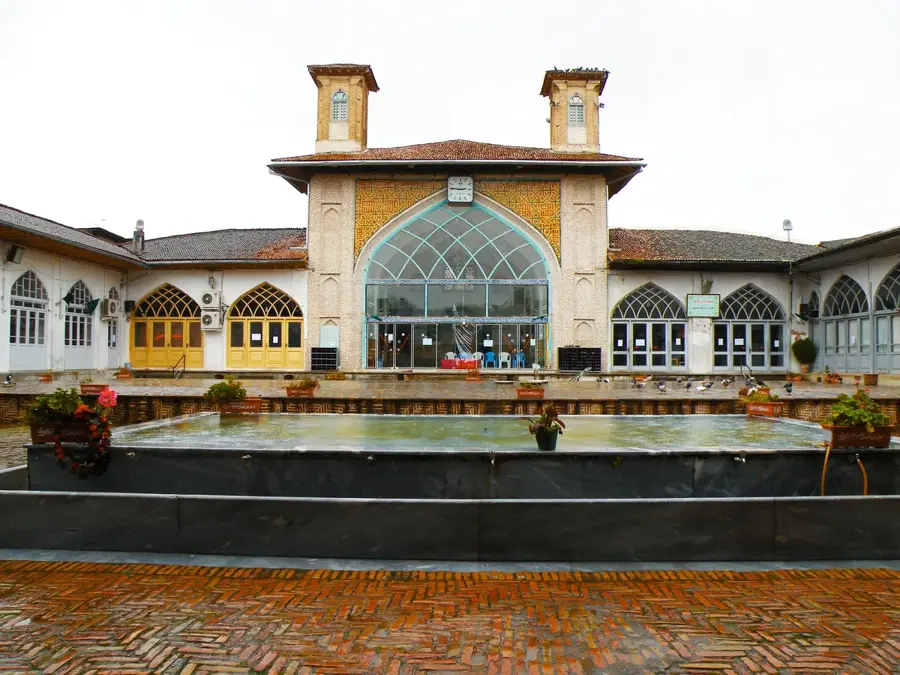
- Top sights: Mirza Mehdi cistern · Kolbadi house · Haft Ayene Art Gallery
- Nearby: Babolsar (46 km)
Best time to visit & climate
The most pleasant time to visit is May, Jun, Sep.
| Jan | Feb | Mar | Apr | May | Jun | Jul | Aug | Sep | Oct | Nov | Dec | |
|---|---|---|---|---|---|---|---|---|---|---|---|---|
| Avg °C | 7 | 8 | 12 | 16 | 22 | 26 | 28 | 28 | 24 | 19 | 13 | 9 |
| Rain mm | 57 | 51 | 50 | 34 | 16 | 16 | 22 | 25 | 48 | 74 | 85 | 57 |
📋 Practical info
Geography
Facts
- Mazandaran produces about 75% of the total rice consumed in Iran.
- The Tarom and Sadri varieties are among the most expensive in the world.
- The cultivation season begins in April and concludes with the August harvest.
- Over 200,000 hectares of land in the province are dedicated to rice paddies.
- The fields serve as a critical habitat for the endangered Siberian crane.
- Traditionally, the labor-intensive planting is often performed by local women.
Explore nearby
Notable places around
Route planner — Car & Motorhome
Where do you start? We build the route here, with stops and country notes along the way.
© OpenStreetMap contributors · OpenRouteService
Sights in the town Mazandaran Rice Paddies (4)
Sights nearby
Frequently asked questions
When is the best time to see the rice paddies?
In which part of Iran are these rice paddies located?
Are you allowed to enter the rice paddies?
What type of rice is grown there?
How are the fields irrigated?
Mazandaran Rice Paddies: where is it located?
Mazandaran Rice Paddies: what is there to see?
Mazandaran Rice Paddies: when is the best time to visit?
Mazandaran Rice Paddies: why is it worth visiting?

Nearby cities