Plizio Visual Lab

West Bali National Park
Plizio editorial teamData Sources
wildlife-area
—°9
West Bali National Park (Indonesia)

Weather…

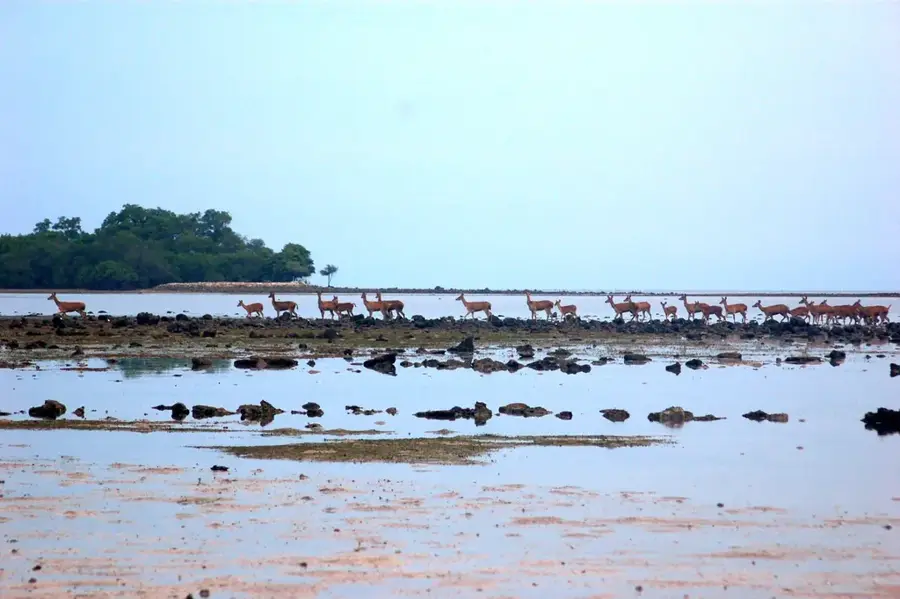
The West Bali National Park (Taman Nasional Bali Barat) spans the northwesternmost part of the island, covering approximately 190 square kilometers of land plus a significant marine protected area. Originally designated as a nature park by the Dutch in 1941, it was officially declared a national park in 1982. The region is characterized by immense ecological diversity, ranging from monsoon forests and savannas to mangroves and the pristine coral reefs surrounding Menjangan Island. A central focus of the park is the conservation of the critically endangered Bali Starling (Leucopsar rothschildi), an endemic bird species with brilliant white plumage. Beyond its avian population, the park is home to Javanese deer (muntjac), wild boar, and macaques. For visitors, the national park provides excellent opportunities for trekking, bird watching, and world-class diving at Menjangan. Park management emphasizes sustainable tourism practices to protect the fragile ecosystems from human impact and preserve West Bali's biological integrity.

Best time to visit & climate

The most pleasant time to visit is Jul–Sep.

JanFebMarAprMayJunJulAugSepOctNovDec
Avg °C252525252524232324262625
Rain mm3112772481681136744282360147264

📋 Practical info

📅
Best season
Planning your visit during the typical dry season is often recommended for the best overall wildlife viewing, as the sparse vegetation makes animals easier to spot gathering around remaining water sources. The park's diverse landscapes, from savanna to mangroves, are generally more accessible without the heavy rains turning trails to mud.
🌅
Best time of day
Starting your exploration in the early morning gives the dual benefit of cooler temperatures for hiking and peak activity levels for many endemic bird species and mammals. As the tropical midday heat intensifies, wildlife tends to retreat deep into the forest shade, making late afternoon the next viable window for productive observations.
📜
Etiquette
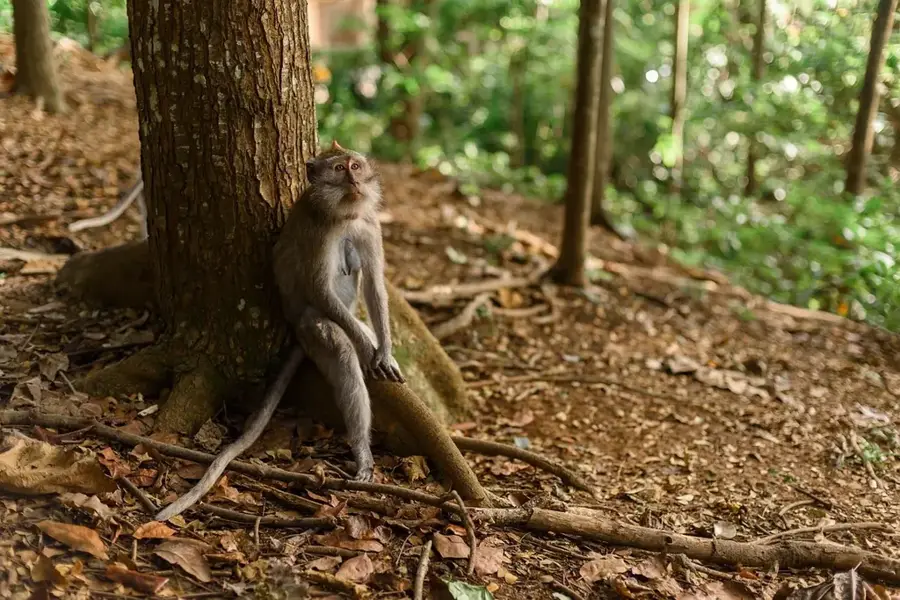
National park regulations usually require visitors to stay on designated trails to minimize ecological disturbance across the fragile savanna and mangrove ecosystems. It is critical to pack out all trash and strictly avoid interacting with or feeding any monkeys or other wildlife, preserving their natural behaviors and health.
🎒
What to bring
Given the varied terrain, sturdy hiking boots are highly recommended alongside lightweight, breathable clothing suitable for the hot and humid tropical environment. Sun protection, abundant drinking water, and insect repellent are essential survival tools, while a good camera with zoom will help capture distant creatures across the savanna.
🧭
Getting there
Access to the protected area is typically coordinated through an official park headquarters or recognized entry gate, where hiring a local ranger or guide is often mandatory. The park can usually be reached by driving along the main western coastal road from major tourist hubs, though the journey may take a few hours depending on traffic.
🦌
What to expect
Spotting the park's elusive inhabitants, such as the critically endangered Bali starling, demands a slow pace and the ability to remain quietly attentive for extended periods. Realize that dense mountain forests can conceal wildlife remarkably well, so view every sighting as a special reward rather than a guaranteed spectacle.

Geography

Coordinates
-8.13000, 114.49000

Facts

  • The park was officially declared a national park in the year 1982.
  • It covers a terrestrial land area of approximately 190 square kilometers.
  • The Bali Starling (Leucopsar rothschildi) is an endemic species in the park.
  • Menjangan Island is part of the marine section of the national park.
  • The area was originally designated as a nature park in 1941.
  • The park features diverse ecosystems, from savannas to mangroves.

Explore nearby

Notable places around
Route planner — Car & Motorhome

Where do you start? We build the route here, with stops and country notes along the way.

Vehicle
Only stops with (optional):

© OpenStreetMap contributors · OpenRouteService

Sights in the town West Bali National Park (9)

Mercusuar Bangsring📍 landmark

A coastal lighthouse in Bangsring monitoring the shipping lanes in the Bali Strait.

Bukit Watu Dodol🌿 nature

A hilltop viewpoint overlooking the ferries that travel between Java and Bali.

Gunung Huluteluktrima🌿 nature

A high mountain peak within the West Bali National Park, covered by dense tropical rainforest.

Nature Conservation Forum Putri Menjangan🌿 nature

A nature reserve focused on mangrove reforestation and the protection of coral reefs.

Immersioni📍 landmark

A premier diving spot near Menjagan Island with a rich diversity of marine life.

Pulau Menjangan island📍 landmark

An uninhabited island famous for its steep coral walls and the resident barking deer.

Museum Situs Purbakala🏛 museum

An archaeological museum displaying Neolithic tools and bronze artifacts from excavations near Gilimanuk.

🕒 Mo-Fr 08:00-15:00

Mangrove beach🎡 recreation

A quiet shore area in the national park fringed by protected mangrove forests and coral reefs.

Pasir Putih🎡 recreation

A secluded beach with fine white sand and clear turquoise waters, convenient for snorkeling.

Sights nearby

Frequently asked questions

Do I need a permit?
Yes, you must register at the office in Cekik.
Can I go snorkeling?
Yes, Menjangan Island has fantastic reefs.
Are there rare birds?
Yes, the endangered Bali Starling lives here.
Is a guide necessary?
A guide is mandatory for trekking within the park.
How do I get there?
About a 3 to 4-hour drive from southern Bali.
West Bali National Park: where is it located?
West Bali National Park is located in Indonesia.
West Bali National Park: what is there to see?
Highlights include Mercusuar Bangsring, Bukit Watu Dodol, Gunung Huluteluktrima.
West Bali National Park: when is the best time to visit?
The most pleasant time to visit is Jul, Sep.
West Bali National Park: why is it worth visiting?

The West Bali National Park (Taman Nasional Bali Barat) spans the northwesternmost part of the island, covering approximately 190 square kilometers of land plus a significant marine protected area.
View on map → The Top 50 Attractions → OpenStreetMap →
Asia
Explore with Plizio Discover more places in Asia
More places in Indonesia →

Nearby cities

More places